







 Language
Best things to do in Tokyo: A 2026 travel guide
Find out the best things to do in Tokyo during your trip, from cultural experiences and top attractions to outdoor and free activities.

Mixing global influence with ancient tradition, Tokyo is a top destination for foodies, anime-lovers, and cherry blossom enthusiasts alike. That said, with so much to do and see, it’s easy to miss out on some of the best things the city has to offer.
In this guide to the best things to do in Tokyo, we’ll share the best spots for exploring Tokyo’s bustling corners, sacred temples, and top dining. Let us help you craft the perfect Tokyo itinerary and recommend a travel eSIM that gives you ease of mind on your trip.

Match your eSIM to your vacation
Choose a plan lasting between 1 and 90 days so you never pay for days or data you don't use.
Top attractions in Tokyo
Like the rest of Japan, Tokyo blends the new and old, but this city sets itself apart with its global influence and constant innovation.
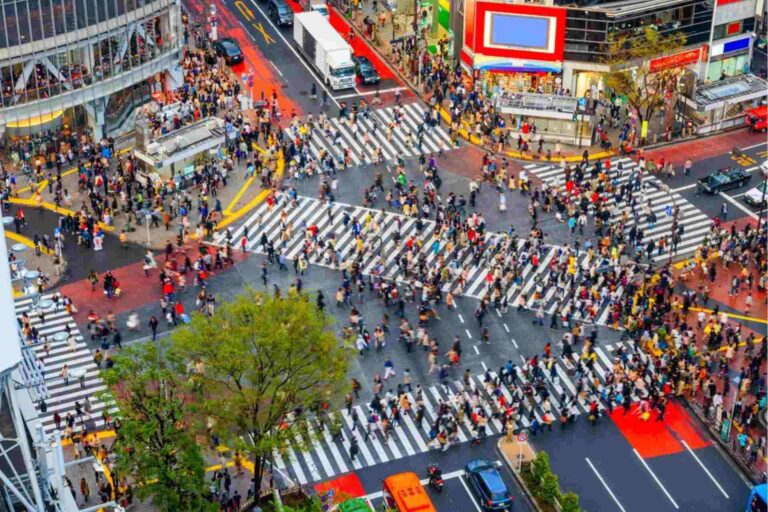
Shibuya Crossing
This famous crossing is known as the busiest pedestrian intersection in the world. A beacon of bustling yet orderly modern Japanese culture, this is where you can watch hundreds of people cross from all directions in perfect harmony.
The Shibuya Crossing is an ideal spot to catch Japanese street fashion in action, feel the city’s pulse, and capture a great travel photo.
It’s Tokyo’s answer to Times Square and one of the best things to do in Tokyo when you first arrive.
Tokyo Skytree
Take in Tokyo from the top at Tokyo Skytree, the tallest building in all of Japan, taking the crown from the Tokyo Tower when it was built. Beyond the sweeping panoramic views of the city from the observation decks, Skytree offers shopping, dining, and even an aquarium.
This hub of activity is the perfect place to bring the whole family, or a great spot to visit in Japan’s capital on a rainy day.
Located in Sumida City Ward, near the Asakusa district, you can easily access Skytree via the Tobu Skytree Line and Tokyo Metro.
It’s close to popular attractions like Akihabara and Ueno, as well as historical sites like Senso-ji Temple.
Senso-ji Temple
Visiting temples is an absolute must when looking for things to do in Tokyo, Japan. Senso-Ji is the oldest temple in the city, originally constructed in 628 AD to honor the Sumida River goddess. It was damaged during World War II and restored afterward.
Today, it remains an iconic landmark in Tokyo, attracting millions of visitors every year. Senso-ji Temple is free to visit, and its grounds are open 24/7. However, the Temple itself can be visited from 6 AM to 5 PM (from 6:30 AM from October to March).
Ueno Park and Zoo
As one of Tokyo’s largest public parks, the Ueno Park and Zoo is home to the famous sakura or cherry blossoms in spring, beautiful Japanese gardens, and Japan’s oldest zoo, making it a great spot for travelers of all ages.
Exploring Ueno Park and Zoo could easily fill an entire day or a relaxed afternoon.
Be sure to visit the giant pandas at the zoo, stroll through the gardens, or explore one of the incredible museums on-site, including:
- Ueno Royal Museum
- Tokyo National Museum
- Shitamachi Tanabata Museum
- Tokyo Metropolitan Art Museum
- National Museum of Nature and Science
With art, history, and natural beauty all in one location, this popular spot is just a short walk from Ueno Station — an easy answer for those wondering what to do in Tokyo.
Ueno Park in Tokyo is free to enter and open daily from 5 AM to 11 PM. However, the Ueno Zoo is closed on Mondays and operates from 9.30 AM to 5 PM, with the last admission at 4 PM.
Free admission is typically offered on select public holidays, including Zoo Anniversary Day (March 20), Greenery Day (May 4), and Tokyo Citizens’ Day (October 1).
Otherwise, the entrance fee for visitors who are 16 or older is 600 YEN (~$4). Children, seniors, and students are eligible for discounts.
Free things to do in Tokyo
If you’re looking for ways to reduce the cost of your trip to Japan, there are plenty of free things to do in Tokyo, since Japan’s natural beauty and rich historical and cultural heritage offer plenty of free, interesting places to visit.
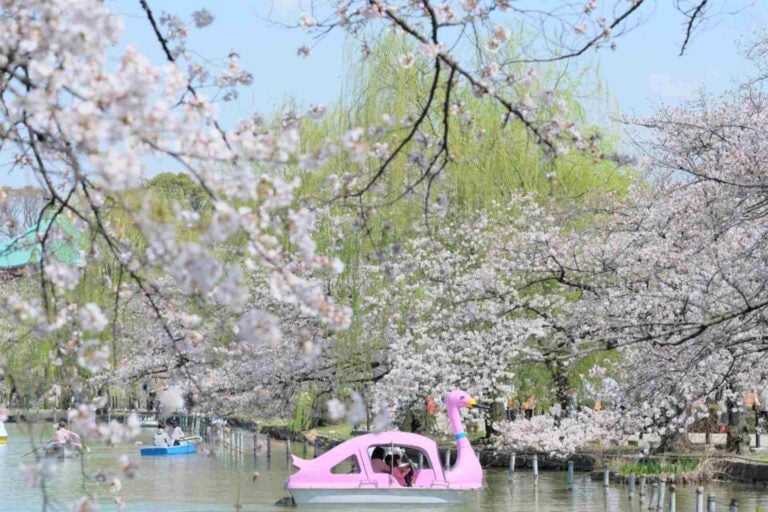
Meiji Shrine
Japan is known for its mix of ultramodern and traditional styles. To balance the bustle of Shibuya Crossing, head to Meiji Shrine, located just a 15 to 20-minute walk away.
This peaceful shrine offers a refreshing change of scenery with its surrounding wooded area near Harajuku Station.
A walk from the Shibuya Crossing to Meiji Shrine takes you through classic neighborhoods, blending urban architecture with traditional charm. Otherwise, you can reach it easily by public transportation.
Odaiba’s Seaside Park
Odaiba’s Seaside Park offers spectacular views of Tokyo Bay and the iconic Rainbow Bridge, attracting both locals and tourists daily. It’s a perfect spot for picnics, relaxing on sandy beaches, or strolling along the scenic walking paths.
Be sure to add comfortable walking shoes to yourJapan packing list, since Odaiba’s Seaside Park stretches about 1.5 miles along Tokyo Bay.
With its variety of recreational activities and beautiful waterfront views, it’s one of the best free things to do in Tokyo.
Ueno Park
While the cultural institutions and museums charge an entry fee, the beautiful green spaces in the Ueno Park are free to explore.
Ueno Park features scenic ponds, walking paths, and vibrant blossoms in the spring. It’s especially popular for hanami, or flower viewing, and is beautifully maintained for visitors.
Located a short walk from Ueno Station, it’s easily accessible by subway or the JR line.
Imperial Palace Gardens
Calling all photographers, influencers, and nature lovers! The Imperial Palace Gardens are a free, must-see delight that appeals to everyone — from landscape enthusiasts to casual explorers.
As you wander through the gardens, you’ll see traditional Japanese landscaping, historic ruins, and scenic pathways perfect for photography.
Maintained with Japanese precision, this garden oasis is open year-round and is one of the best free things to do in Tokyo, Japan.
Unique experiences in Tokyo
With so many things to do in Tokyo, it’s hard to break from the mold. Here are some unique experiences to elevate your Tokyo trip to a trip of a lifetime.

Capsule hotels
Due to the country’s size and population, Japanese architecture has long been influenced by minimalism and efficiency, reaching its most extreme expression in the capsule hotel.
Offering a totally unique accommodation experience, capsule hotels stack sleeping pods side by side. It can be quite a surreal and futuristic experience for travelers. It is one of the best things to do in Japan for those who want a real, authentic experience.
The average cost for a capsule hotel in Tokyo ranges from $30 to $60 USD per night, but Central Tokyo can easily exceed $70 to $90 in peak season.
Onsen experiences
Onsen, or Japanese hot springs, are an ancient tradition celebrated for their healing properties and as social spaces for respectful interaction. The tradition remains cherished today.
In Tokyo, you can find onsen for ¥500 to ¥3,000 (about $3.50 to $20). Bathing in an onsen is more than relaxation — it’s a ritual that reflects Japan’s cultural emphasis on purity and well-being.
Onsens are family-friendly and offer a great chance to observe local traditions. Since respect is central to Japanese culture, make sure to follow local etiquette and consider things not to do in Japan to ensure a positive experience.
Themed cafes
Interested in having coffee with a cat? How about some downtime with a dog? For a bizarre and fun thing to do in Tokyo, try one of the city’s famous themed cafes. If you work from home, you could also come to one of these cafes to switch up your workspace. After all, Tokyo is one of the best cities for remote work.
From pop culture icons to adorable animals, there’s a cafe for every traveler.
Themed cafes in Tokyo include:
- Animal cafes are the most popular type of themed cafes in Tokyo, where you can sip coffee or enjoy bubble tea with a furry friend. If you’re a cat lover, try Cat Cafe MoCHA.
- Anime and manga cafes cater to fans who want to live the Japanese pop culture experience. Food and decor immerse visitors in the anime or manga worlds. A must-visit is the Pokémon Cafe in Nihonbashi.
- Kawaii cafes celebrate all things cute. Kawaii in Japanese literally means “cute” and represents both a culture and an aesthetic. Kawaii Monster Cafe Harajuku is a colorful example of this type of themed cafe.
Best neighborhoods to explore in Tokyo
Tokyo has an excellent public transportation system and is known as a safe city. You can walk, take the JR train, subway, buses, or taxis to get around.
Use the Japan tourist card for public transportation tickets and the JR Yamanote Line to visit various parts of the city. Here are some of the most interesting neighborhoods to explore.
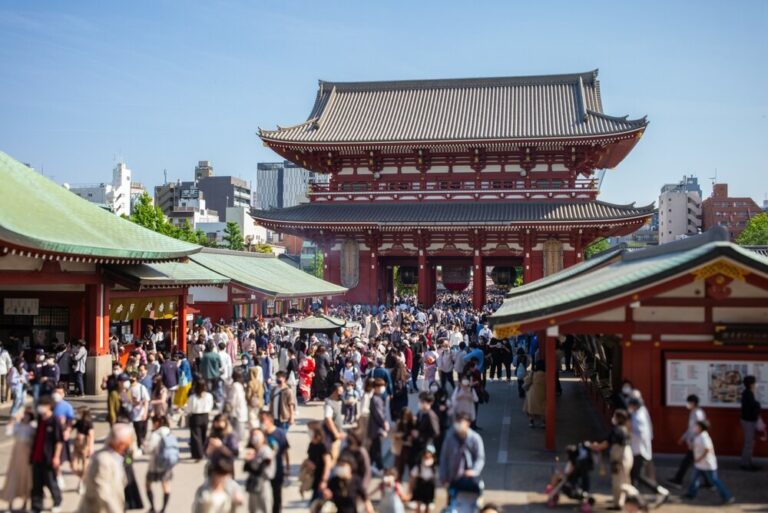
Shinjuku
With its towering skyscrapers, neon-lit Kabukicho entertainment district, and vibrant nightlife, Shinjuku is one of Tokyo’s most dazzling neighborhoods.
You’ll have no problem getting there, as it’s home to the world’s busiest transportation hub, Shinjuku Station.
Though modern Tokyo literally shines here, Shinjuku offers a peaceful refuge. Shinjuku Gyoen National Garden is a picturesque park right in the heart of the neighborhood.
It’s a great location for photography, nature walks, and a break from the neon lights.
Top three places to visit and things to do in Shinjuku:
- Kabukicho District has many restaurants, bars, and karaoke spots to enjoy Tokyo’s nightlife.
- Omoide Yokocho, also known as “Memory Lane,” is a little alley packed with great spots for Tokyo street food.
- Shinjuku Gyoen National Garden provides a peaceful retreat and a look into world-renowned Japanese landscape architecture.
Shibuya
Known for its trendy cafes, shopping centers, and vibrant entertainment, Shibuya is the place to experience Tokyo’s youth culture, fashion, and nightlife.
Top three things to do in Shibuya:
- Shibuya Crossing is a must-see. You can join the crowd to experience the organized chaos up close or enjoy the view from a nearby cafe.
- Nonebi Yokocho is a taste of old Tokyo. Step into this alleyway filled with cozy bars to enjoy a more traditional nightlife experience than the buzzing nightlife on the main streets nearby.
- The Shibuya Shopping District is where you can explore major brand stores and popular youth hangouts. It’s easily accessible from Shibuya Station.
Asakusa
Visiting Japan’s famous temples is one of the top things to do in Tokyo, with the city’s oldest and most iconic, Senso-ji Temple, situated in the heart of Asakusa.
Known for its rich cultural heritage, Asakusa blends old and new in a way only Tokyo can. The temple is surrounded by cozy streets, attracting both locals and tourists to explore traditional snacks and crafts that make perfect souvenirs.
Popular items to try and buy in Asakusa include:
- Dorayaki: A beloved treat of fluffy pancakes with red bean paste.
- Senbei: Traditional rice crackers that come in many different flavors.
- Kites, paper lanterns, and folding fans: These iconic crafts represent ancient Japanese culture.
Ginza
Ginza is the go-to spot for high-end boutiques, department stores, and fine dining. Home to many museums, theaters, and art galleries, Ginza is a great place to work up an appetite before finishing the day off at a chic restaurant.
If you’re looking for things to do in Ginza, here are some highlights of this stylish neighborhood:
- The Ginza Graphic Gallery: Known for showcasing innovative graphic design and visual art.
- Kabukiza Theatre: A national treasure and the premier venue for Kabuki, a traditional form of Japanese theater.
- Ginza Six: A shopping complex hosting several well-renowned restaurants.
With its wide boulevards, Ginza is ideal for exploring on foot. To get there from other parts of the city, take the Ginza Line, Hibiya Line, or Marunouchi Line to Ginza Station.
Akihabara
While Asakusa attracts history buffs, Akihabara is a paradise for pop-culture lovers. This vibrant district is packed with stores catering to fans of Japanese anime, manga, and electronics.
From video games to themed cafes, this district has everything a pop-culture fan could hope for.
Akihabara is the go-to spot for unique things to do in Tokyo, where the city’s subcultures thrive. Here’s a quick list of places you can experience Japanese pop culture:
- Anime film theaters
- Themed restaurants
- Anime and manga shops
- Virtual reality experiences
Outdoor activities and natural wonders in Tokyo
Though Tokyo is known as a bustling metropolis, nature is never far. From cherry blossoms along the streets to hikes in nearby mountains, Tokyo offers plenty for outdoor explorers.
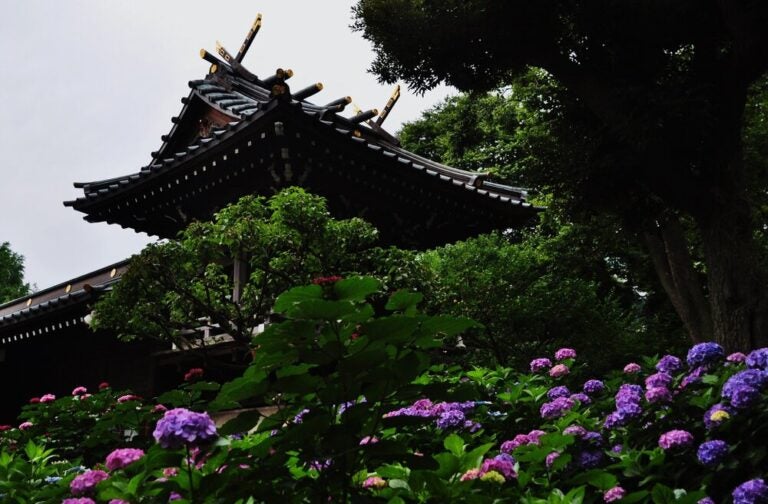
Cherry blossom viewing
Japan’s cherry blossom season is iconic worldwide. Poets have written about them for centuries, and millions of people come to visit them each spring.
The best time to visit Japan to catch the sakura trees in bloom is late March to early April.
Yoyogi Park
Nestled near Harajuku and Shibuya, Yoyogi Park offers lush greenery, perfect for picnicking, along with landscaped paths for walking, jogging, or biking. In the mornings, you might catch elders practicing tai chi, adding to the park’s serene vibe.
Yoyogi Park often hosts seasonal festivals celebrating nature, such as cherry blossoms and fall foliage. With its expansive lawns and colorful flowers, it gives a taste of nature inside Tokyo.
What’s more? Every Sunday, rockabilly enthusiasts gather at the southeastern entrance of Yoyogi Park. They dance to classic rock ‘n’ roll music, dressed in costumes inspired by ‘50s fashion.
Hiking in Mount Takao
Mount Takao provides a lush Japanese mountain experience for those looking to escape the city. Unlike Mount Fuji, which takes about two and a half hours by train, you can reach Mount Takao in just an hour from central Tokyo.
Simply take the JR Chuo line from Tokyo Station or Shinjuku Station, or rent a car to get there.
On clear days, you can see Mount Fuji in the distance, making the city feel far behind. A hike on Mount Takao is a fantastic day trip and one of the best ways to experience Tokyo’s natural side.
Sumida River cruise
A Sumida River cruise is one of the best things to do in Tokyo for incredible city views.
The cruise often travels from Asakusa to Odaiba, passing famous landmarks such as Tokyo Skytree, Hamarikyu Gardens, and Rainbow Bridge, with plenty of stops along the way to take in Japanese culture.
Cultural and historical sites in Tokyo
It’s easy to fill your Tokyo itinerary with neon lights, shopping complexes, and anime, but don’t forget to pair Japan’s modern edge with its cultural and historical significance.
Rich in tradition, Tokyo has many interesting sites for curious visitors.
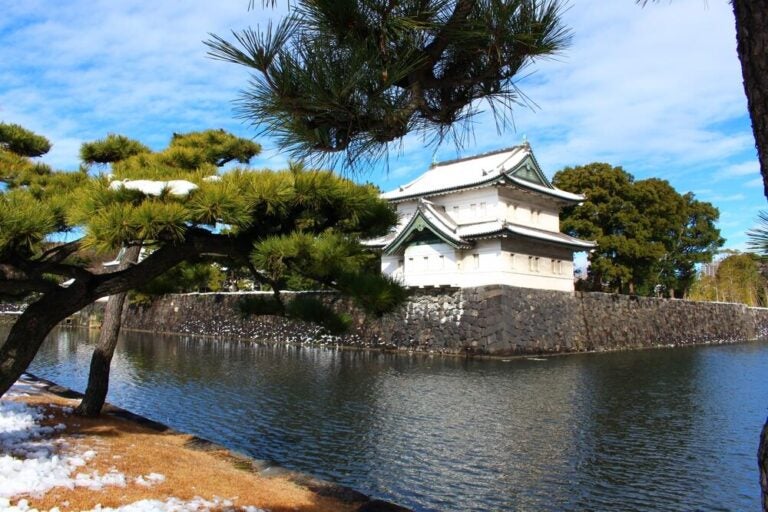
Edo-Tokyo Museum
As famous as Tokyo is today, this city once went by a different name. From 1606 to 1868, it was called Edo, until Emperor Meiji moved the capital from Kyoto and renamed the city in 1868 — a symbolic turn toward modernization.
Visiting the Edo-Tokyo Museum is one of the top things to do in Tokyo if you’re interested in history. It showcases the city’s transformation from the Edo period to modern times.
Visiting hours:
- Tuesday – Sunday: 9:30 am – 5:30 pm
- Saturday: 9:30 am – 7:30 pm
- Monday: Closed
Imperial Palace
The Imperial Palace in Tokyo, the residence of the Emperor of Japan, stands on the historic site of the former Edo Castle. It represents Japan’s transition from the Edo era to the modern period.
Though visitors aren’t allowed to enter the palace itself, the gardens are open to the public year-round. It’s a beautiful setting for picnics, cherry blossom viewing, and appreciating Tokyo’s blend of nature and history.
Tokyo National Museum
Japan’s oldest and largest museum, the Tokyo National Museum, is a must-visit for anyone interested in Japanese and Asian art.
Located within Ueno Park, it’s a true cultural treasure of the city. You can find artifacts like samurai armor, Buddhist statues, and preserved kimonos.
The museum grounds feature traditional Japanese architecture and zen gardens. Entry tickets are required to explore the exhibits.
Visiting hours:
- Friday & Saturday: 9:30 am – 7:30 pm
- Sunday, Tuesday, Wednesday, and Thursday: 9:30 am – 5 pm
- Monday: Closed
Tickets to Tokyo National Museum cost:
- Adults: ¥1,000 or roughly $7
- University students: 500 yen or roughly $3.50
You can purchase tickets online, and advance booking is recommended during peak tourist season (spring). Certain exhibitions may have extra fees.
Where to eat in Tokyo
Though the vending machines and street food in Tokyo are a must-try, the city’s food scene goes far beyond.
From conveyor belt sushi to Michelin-starred restaurants, here’s your guide to Tokyo’s culinary highlights.
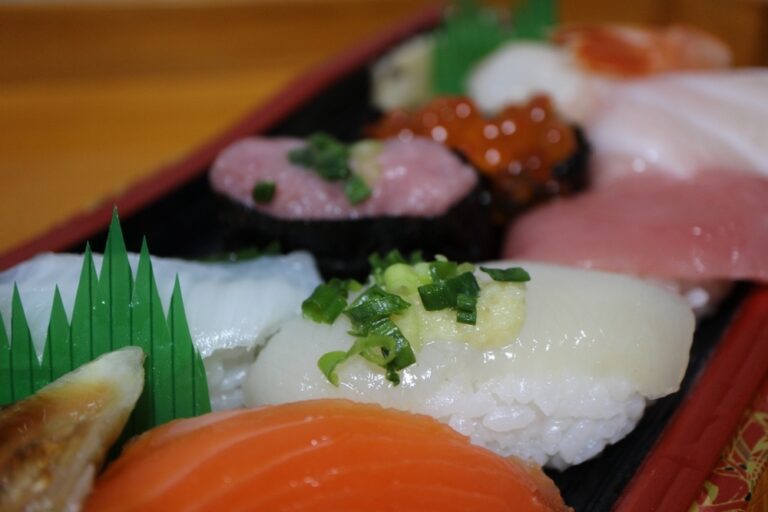
Tokyo must-eats
Of the many reasons to visit and love Japan, food is definitely one of them.
From the precision, artistry, and (sometimes) simplicity of sushi to the warmth and tradition of ramen, Tokyo’s food scene perfectly balances innovation and heritage. Make sure to savor as much of the food as you can during your Japan trip.
Must-eats in Tokyo:
- Sushi: Creative and classic rolls featuring fresh raw fish and high-quality seafood from markets like Tsukiji Fish Market.
- Ramen: A hearty and delicious bowl of tradition made with broth, noodles, and unique regional flavors.
- Tempura: Lightly battered vegetables or seafood served on its own or in sushi.
- Street food: Such as taiyaki, fish-shaped sweet cakes filled with red bean paste, and yakitori, grilled chicken skewers.
Traditional Japanese restaurants
Traditional Japanese restaurants, or ryotei, often feature plates with fresh seafood, seasonal ingredients, and true care for presentation.
Ryotei are a great choice to enjoy kaiseki, a multi-course meal showcasing Japanese cuisine. Kaiseki originated from the Japanese tea ceremony, bringing the same level of sophistication and attention to detail to the culinary experience.
Traditional Japanese restaurants in Tokyo:
- Kikunoi Akasaka in Akasaka
- Narisawa in Minato
- Sukiyabashi Jiro in Ginza
Michelin-starred restaurants
Holding the title for the most Michelin-starred restaurants in the world, Tokyo is a culinary capital. With over 200 options, fine dining in Tokyo is an experience like no other.
To start, here are some of the most popular Michelin-starred restaurants in Tokyo:
- Kanda in Minato: An intimate Kaiseki restaurant.
- Kozue in Shinjuku: Located in the Park Hyatt Tokyo, a modern take on tradition.
- Zeniya in Akasaka: Known for its atmosphere and traditional kaiseki cuisine.
- Yoshitake in Ginza: Sushi crafted with exceptional care.
- Quintessence in Shinagawa: Specializes in French cuisine.
Shopping in Tokyo
From high-end boutiques to trendy vintage stores, Tokyo has neighborhoods and shopping malls to suit every style. Here are a few unique spots for fashion lovers in Tokyo.

Omotesando
What says Tokyo fashion better than modern architecture and high-end boutiques? In Omotesando, you can find stores from fashion leaders like Dior, Prada, and Loewe, grab a coffee at a stylish cafe, and finish the day at an art gallery.
Harajuku
Home to the famous Takeshita Street, Harajuku is the go-to spot for eclectic fashion finds. On Takeshita Street, you’ll encounter everything from rare vintage shops to street performers.
Known for its vibrant and colorful atmosphere, Harajuku is a hub of youth culture, streetwear, and a mix of boutiques and popular chain stores.
Teens and young adults meet in Harajuku every Sunday to show off the vibrant and eccentric fashion Tokyo is known for.
Nakano Broadway
For anime enthusiasts, Nakano Broadway offers plenty of things to do in Tokyo. This multi-story shopping arcade is packed with stores specializing in anime, manga, and collectible items.
It’s also a great spot for a rainy day, with various restaurants and cafes. For true fans, Nakano Broadway might just be a full-day destination.
Ginza
Ginza offers a range of sophisticated things to do in Tokyo. With stores from famous designers like Gucci, Louis Vuitton, and Chanel, Ginza is where you want to go for high-end shopping.
This district is also a hub for culinary and visual arts, featuring fine dining options and art galleries showcasing both Japanese and Western art.
Explore Tokyo’s highlights with Holafly
No matter where you go or what you do in Tokyo, having reliable mobile internet by your side is a must. Holafly’s eSIM for Japan offers just that, with unlimited data, 5G speeds, and 24/7 customer support included with every eSIM. Use translation apps, maps, browse the web, or share your trip on social media without fear of ever losing connection.
That’s not all – at Holafly, we make travel easy by including 1 GB of Always On backup data with every eSIM purchase. No hidden fees, just a ‘thank you’ for staying with us. Simply keep the Holafly eSIM installed on your device to stay connected for whenever travel gets difficult.

Unlimited data. Peace of mind.
Make sure you have travel data that's there when you need it most.
Plans that may interest you


A senior SEO writer from Lithuania, combining my passion for writing and travel at Holafly. With years of experience in technical fields, I'm here to answer all of your questions about staying connected. I specialize in turning even the most complicated topics into something everyone can understand.

