Language

Venezuela Christmas traditions: Food, music, and celebrations
Discover Venezuelan Christmas traditions, from joyful gaitas music and family hallacas to midnight Nochebuena celebrations and lively Caracas patinatas.

Christmas in Venezuela is a lively holiday season lasting from mid-November to January 6. It’s a vibrant mix of Catholic traditions, indigenous influences, and lively music.
This guide covers everything about Venezuelan Christmas traditions, including unique customs like roller-skating to Christmas Mass, preparing hallacas, and listening to gaitas.
Travelers who would like to experience Christmas in Venezuela can stay connected using Holafly eSIM, with unlimited data, 5G speeds, and 24/7 customer support.

Peace of mind before you fly
Set up your eSIM before travel and get unlimited data on arrival.
TL;DR: What are Venezuelan Christmas traditions?
Venezuelan Christmas is a warm holiday season filled with unique traditions that may vary across regions and families.
Here are the main traditions:
- Religious services: People attend early morning church services called Misas de Aguinaldo before Christmas Eve. In Caracas, a famous tradition called patinatas involves closing streets so people can roller-skate to these masses.
- Family and food: Families come together to prepare hallacas, which are cornmeal parcels filled with meat stew and wrapped in plantain leaves.
- Music: Celebrations feature traditional Christmas carols (aguinaldos) and upbeat folk music called gaitas.
- Decorations and gifts: Homes feature nativity scenes (nacimientos). At midnight on December 24, children receive gifts from El Niño Jesús (Baby Jesus).
When is Christmas celebrated in Venezuela?
The Christmas season in Venezuela is notably long, stretching from mid-November, starting with the Feast of the Virgin of Chiquinquirá on November 18, through Epiphany on January 6. Festivities begin early with music, decorations, and food, leading up to main celebrations in December and January.
Here are the key dates in the Venezuelan Christmas calendar:
| Date | Celebration | Description |
|---|---|---|
| Nov 18 | Feria de la Chinita | Marks the feast day of the Virgin of Chiquinquirá in Maracaibo and signals the unofficial start of the Christmas season. |
| Dec 16–24 | Misas de Aguinaldo | Daily early morning masses are held in the days leading up to Christmas Eve. |
| Dec 24 | Nochebuena | The main Christmas Eve celebration. Families gather for a large holiday meal, and children open gifts from El Niño Jesús (Baby Jesus) at midnight. |
| Dec 25 | Christmas Day | A quiet day spent relaxing with family and eating leftover holiday food. |
| Dec 28 | Día de los Inocentes | Similar to April Fools’ Day, marked by playful pranks and traditional street dances like Los Zaragocetas in Lara state. |
| Dec 31 | Año Nuevo | New Year’s Eve celebration with traditions like eating 12 grapes at midnight, which is also a Puerto Rican Christmas tradition, and carrying a suitcase around the block for good travel fortunes. |
| Jan 6 | Día de los Reyes Magos | Epiphany/ Three Kings Day, marking the official end of the holiday season with final small gifts and family gatherings. |
Note to travelers: Many businesses close early on December 24 and December 31 and remain closed on December 25 and January 1. Public transportation operates on reduced schedules during these major holidays.
8 unique Christmas traditions in Venezuela
Venezuelan Christmas features a wonderful array of distinctive customs that blend deep-rooted religious devotion, local folklore, and vibrant community spirit. Here are eight unique Christmas traditions in Venezuela.
Roller-skating to Christmas Mass
In Caracas, a famous holiday tradition called patinatas involves people roller-skating to early-morning Christmas masses (Misas de Aguinaldo). Unique to the capital city, this custom turns morning church trips into lively street celebrations with music and hot chocolate.
- When: Every morning from December 16 to December 24.
- Where: Primarily throughout Caracas, with major gatherings in public parks like Parque Los Caobos and across major residential avenues closed off to vehicular traffic.
- History and origins: Originating in the 1950s, this tradition grew as imported roller skates became a popular Christmas gift. Children skated early in the morning before church, leading authorities to close streets for their safety.
- Community festive spirit: After Mass, neighbors gather in the streets to share traditional breakfast foods like arepitas dulces de anís, tostados, coffee, and hot chocolate, while gaitas and aguinaldos play in the background.
Misas de Aguinaldo: Early-morning Christmas Masses
Misas de Aguinaldo are early-morning Catholic masses held daily leading up to Christmas Eve. Unlike quiet religious services, these novena masses feature lively carols, traditional instruments, and strong community celebrations.
- When: Held daily from December 16 to December 24, typically starting around 5:00 AM.
- Where: Celebrated in Catholic churches across Venezuela.
- Special musical tradition: Services feature energetic aguinaldos (traditional Christmas carols) played with cuatros, maracas, and friction drums (furrucos) inside the church.
- Connection to Caracas Roller-Skating (Patinatas): In Caracas, streets are closed to traffic so families can skate to church together before gathering for a holiday breakfast featuring traditional foods and music.
Preparing hallacas together
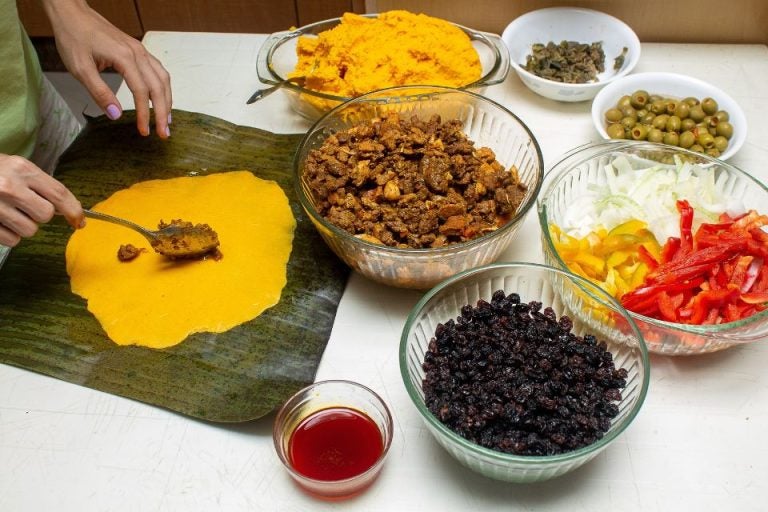
Hallacas are the traditional heart of Venezuelan Christmas. These savory parcels are made of corn dough stuffed with a rich stew of beef, pork, chicken, raisins, olives, and capers, then wrapped in plantain leaves and boiled.
- Family gathering (La Hallacada): Making hallacas is a multi-step process that requires time and teamwork. Entire families gather over several days in an assembly line where everyone, from children to grandparents, has a designated task, such as prepping the leaves, mixing dough, filling, or tying the parcels.
- Regional and family variations: Every household boasts its own family recipe. Ingredients also reflect local regions. For example, coastal areas may incorporate fish, the Andes region adds chickpeas and unboiled stew (guiso crudo), and central regions often feature a sweeter profile with added papelón (raw cane sugar).
Listening to Venezuelan Christmas music
Music is essential to the Venezuelan holiday spirit, filling homes and street gatherings with energy throughout the festive season:
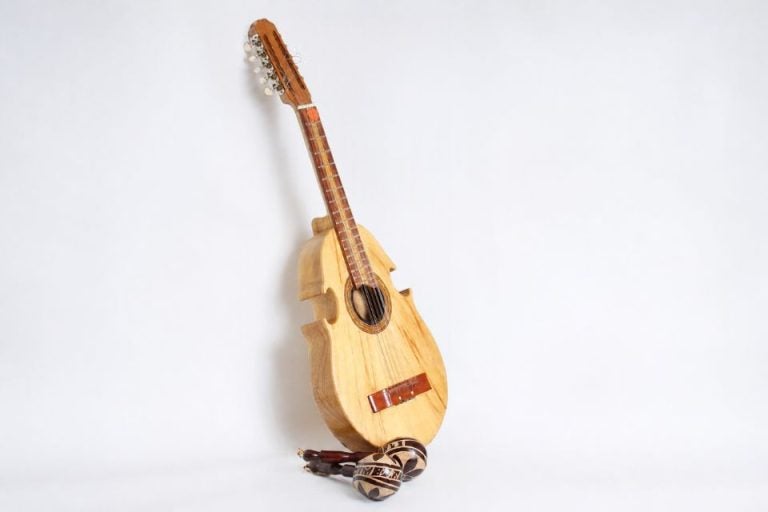
- Gaitas: Originating from the state of Zulia, gaita zuliana is the official sound of Venezuelan Christmas. Played with the furruco (friction drum), cuatro (four-string guitar), and maracas, gaitas feature fast-paced rhythms and lyrics about holiday cheer, humor, and satire.
- Aguinaldos and Parrandas: Aguinaldos are traditional Christmas carols sung in churches and homes. Parrandas are caroling street processions where friends go door-to-door singing, playing music, and sharing food with neighbors. It’s very similar to Las Posadas, one of the main Christmas traditions in Guatemala.
Sharing a traditional Venezuelan Christmas meal
The Christmas Eve feast (Nochebuena) is the central culinary event of the Venezuelan holiday season, bringing families together around midnight to share a rich, traditional meal.
The standard holiday plate features a precise combination of iconic dishes:
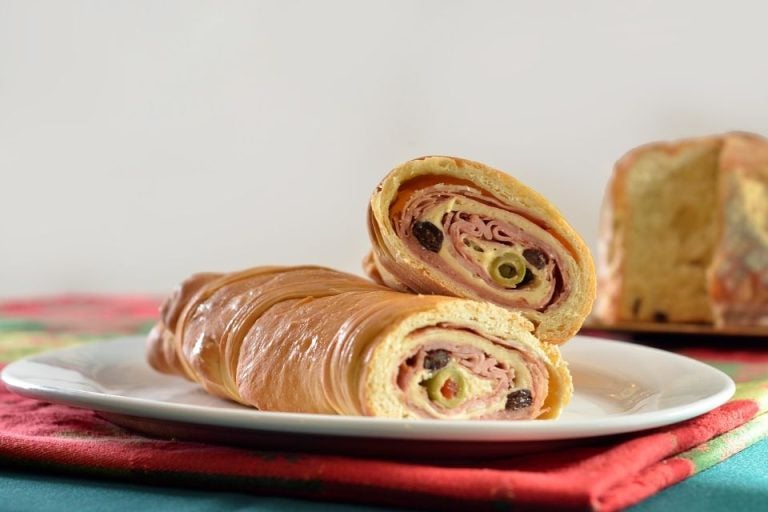
- Pan de Jamón: A soft, slightly sweet bakery bread rolled with sliced ham, green olives, raisins, and sometimes crispy bacon.
- Pernil: Slow-roasted pork leg marinated in citrus, garlic, and spices, then served juicy with a savory glaze.
- Ensalada de Gallina: A cold salad made with shredded chicken (or hen), potatoes, carrots, peas, and green apples dressed in a mayonnaise-based sauce.
- Dulce de Lechosa: The traditional dessert, consisting of sliced green papaya simmered for hours in raw cane sugar (papelón) and cloves until sweet and translucent.
Together with hallacas, these seasonal dishes form the essential Christmas dinner served on December 24 and enjoyed as leftovers throughout the holiday season.
Decorating homes for Christmas
Decorating homes ushers in the holiday season in Venezuela, with setups often starting in November:
- Nativity scenes (Nacimientos/ Pesebres): The spiritual highlight of home decor, featuring elaborate landscapes. The figure of Baby Jesus (El Niño Jesús) is kept off the manger until midnight on December 24. This tradition is also part of Christmas customs in El Salvador.
- Christmas trees and lights: Artificial trees adorned with lights and ornaments are popular, alongside bright string lights on balconies and public plazas.
- Household variations: Decorating styles vary by family; some focus strictly on detailed nativities, others on modern Christmas trees, and many display both.
Celebrating Christmas Eve with family
Family gatherings are popular around the world. This practice is also common in European nations, notably observed in Swiss Christmas traditions.
Christmas Eve (Nochebuena) on December 24 is the main highlight of the Venezuelan holiday season, focusing on close family, shared meals, and midnight celebrations.
- Family gatherings and festive meals: Families come together in the evening to share the traditional holiday feast featuring hallacas, pernil, pan de jamón, and ensalada de gallina.
- Midnight celebrations: Festivities peak at midnight. Families exchange hugs (el abrazo de Navidad), wish each other joy, and unveil the figure of Baby Jesus in the household pesebre.
- Music and dancing: Homes fill with festive music—especially gaitas and aguinaldos—with dancing and toast-making continuing late into the night.
- Family variations: Customary practices vary by household; some families open gifts directly at midnight, others hold formal prayers, while some prefer a quiet dinner followed by neighborhood visits.
Christmas gifts and the Niño Jesús tradition
In Venezuela, Christmas gift-giving centers around faith, family, and childhood wonder:
- El Niño Jesús (Baby Jesus): Traditionally, children write letters to El Niño Jesús rather than Santa Claus. On Christmas Eve, children go to sleep believing that Baby Jesus brings their presents, which appear under the Christmas tree or near the nativity scene at midnight on December 24.
- San Nicolás (Santa Claus): Influenced by international culture, San Nicolás is also widely recognized. In many homes, he works alongside Baby Jesus or serves as the primary figure for holiday gifts. It’s also a popular figure in Honduran Christmas.
- Family variations: Gift-giving customs vary by household. Some families attribute all main gifts to El Niño Jesús, others prefer San Nicolás, and some give small tokens from both.
Fun facts about gift-giving in Venezuela:
- Roller skates have traditionally been a classic Christmas present for children in Venezuela.
- Extra homemade hallacas or freshly baked pan de jamón are frequently shared as gifts between family branches and close friends.
How to experience Venezuelan Christmas traditions as a traveler
To experience Venezuelan Christmas traditions, visitors can immerse themselves in local customs through several key public experiences:
- Caracas Roller-Skating (Patinatas): Visit Caracas between December 16 and 24 to witness or join early-morning patinatas. Main avenues are closed to vehicular traffic until 8:00 AM, creating safe pedestrian zones filled with families roller-skating, festive music, and street vendors selling hot chocolate.
- Zulia’s Gaita Music: Head to Maracaibo in the state of Zulia—the birthplace of gaita—where live musical groups perform fast-paced holiday rhythms with traditional instruments like the furruco and cuatro in plazas, halls, and open-air venues.
- Seasonal cuisine: Experience authentic holiday flavors at local bakeries, restaurants, and street markets. Many local eateries feature house-made hallacas throughout December.
- Early-Morning Masses (Misas de Aguinaldo): Attend an early 5:00 AM Catholic service leading up to Christmas Eve. Unlike quiet religious services, these masses feature energetic live carols (aguinaldos) played with drums and string instruments.
- Public plazas and nativity displays: Explore city centers and town plazas to witness magnificent light displays and detailed public nativity scenes, known locally as “pesebres” or “nacimientos.”
Here are some travel tips that can help you have a better experience during Venezuela’s Christmas:
- Event timings, street closures, and mass schedules vary by municipality. Check local listings or coordinate with local hosts before attending street celebrations or early-morning gatherings.
- December and January bring pleasant dry-season weather across most of the country. Expect warm, sunny days and cooler, comfortable evenings.
- Pack light layers or a warm jacket if attending 5:00 AM Misas de Aguinaldo.
- Coordinate with trusted local hosts, tour guides, or hotel staff when planning to attend early-morning patinatas or neighborhood street gatherings.
Stay connected while experiencing Christmas in Venezuela
Mobile data makes your Christmas holiday easier. Stay connected with a Holafly eSIM, featuring:
- Unlimited data
- 24/7 customer support
- Always On with 1 GB of backup data every 30 days
- Reusable eSIM to use across supported destinations
Planning a longer stay or travelling frequently? Explore Holafly Plans for global monthly data or Holafly Ultra for a reliable travel solution that’s always there for you with digital and real-life protection.

Connect to the fastest networks
International eSIMs, local networks. Enjoy the best of both worlds with Holafly.
Plans that may interest you

Formerly a travel journalist turned marketing copywriter, I found my way back to the travel world with Holafly—my dream company that made remote work possible. My motto? “Dream big and make it happen.” I’m passionate about writing, exploring the world, and staying active through walking, running, swimming, and hiking. I also love learning, reflecting, and connecting with inspiring minds.