Language
El Salvador Christmas traditions: Food, celebrations, and customs
Discover the magic of Christmas in El Salvador! Explore festive traditions, midnight fireworks, delicious holiday foods, and vibrant family celebrations.

El Salvador Christmas traditions feature vibrant family celebrations, delicious foods, and lively gatherings that blend Catholic customs with local heritage. Christmas Eve (December 24) holds particular importance in these celebrations, with festivities extending late into the night.
This guide covers everything about Christmas traditions in El Salvador, including foods, decorations, religious customs, and what makes Christmas there unique.
We will also help travelers to El Salvador stay connected during their trip using Holafly eSIM, with unlimited data, 5G speeds, and 24/7 customer support.

Limitless data, endless adventures
Stream, scroll, and share as you please. With Holafly, your data is always unlimited.
How is Christmas celebrated in El Salvador?
Salvadoran Christmas (La Navidad) is warm and loud, centered on faith and family, with strong Catholic roots. Throughout December, the country transforms with festive lights, traditional aromas, and lively gatherings.
Here is the holiday timeline:
- Novenas (Dec 16–24): Families and neighborhoods gather for nine consecutive days leading up to Christmas Eve to pray, sing carols, and share small meals.
- Christmas Eve (Nochebuena, Dec 24): The peak of the celebration when families gather for the main El Salvador Christmas traditions.
- Christmas Day (Navidad, Dec 25): A more relaxed day dedicated to resting, visiting extended family, eating leftovers, and letting children play with their new toys.
Nochebuena (Christmas Eve, December 24) is the heart of Christmas in El Salvador. It holds far greater importance than December 25 itself. Families gather for the main celebration of the year, focused on faith, togetherness, and shared joy.
The importance of Nochebuena and its midnight celebrations is defined by several key elements:
- Midnight Mass (La Misa de Gallo): The evening begins with families dressing in their best attire and heading to church for midnight mass. They spiritually welcome the birth of Jesus through prayer and carols.
- The Midnight Feast (La Cena Navideña): Families gather around midnight or shortly after to share labor-intensive dishes like tamales and turkey subs. This symbolizes unity and abundance.
- Pyrotechnic Crescendo: At the exact stroke of midnight, the skies across El Salvador erupt with fireworks, sparklers, and firecrackers to herald Christmas Day.
- Gift-Giving and Family Embraces: As the clock strikes twelve, family members exchange warm embraces (abrazos), express gratitude, and let children open their gifts.
While core customs are shared nationwide, celebrations often vary significantly from one family or community to another. Different regions may add their own unique twists to the holidays.
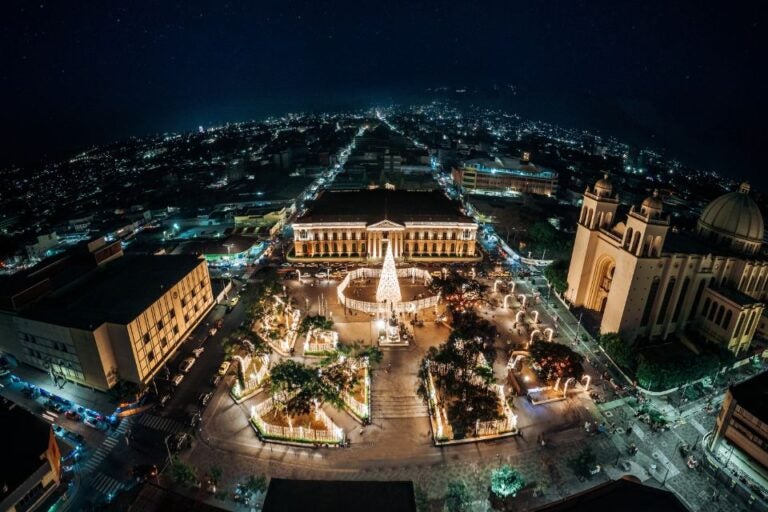
8 Christmas traditions in El Salvador
From handmade nativity scenes (nacimientos) to traditional foods like turkey subs and sweet torrejas, the holiday season in El Salvador features distinct cultural celebrations.
Here is a concise summary of the main El Salvador Christmas traditions:
- Nochebuena: Family gatherings on December 24 featuring conversation, music, and dancing.
- Traditional foods: Preparing dishes like tamales is a communal, multigenerational effort in which families gather to cook together, strengthening family bonds.
- Midnight fireworks: Nationwide displays of firecrackers and aerial fireworks marking the arrival of Christmas.
- El Estreno: Wearing brand-new clothes on Christmas Eve to symbolize renewal and respect for the holiday.
- Music and Cumbias: Festive carols and tropical dance music provide the soundtrack to the season.
- Nacimientos and Mass: Elaborate home nativity scenes and Midnight Mass for participating families. This is also one of the main Christmas traditions in Guatemala.
- Midnight gift-giving: Opening presents right at midnight.
- Community parades: Public light displays, festive floats, and gatherings in town plazas.
Note: Dedicate enough time to visiting this country, as there are great things to do in El Salvador beyond enjoying the Christmas traditions.
Christmas Eve family gatherings
On December 24, families in El Salvador gather together for Nochebuena. It’s a family gathering to share an evening of conversation, traditional music, and food as they wait for midnight.
These gatherings typically begin earlier in the evening, with relatives arriving to catch up, listen to festive music, and prepare for the midnight festivities.
Specific activities during these gatherings include:
- Wearing new clothes (Estrenos): Family members often dress in brand-new outfits purchased specifically for the holiday celebration.
- Music and dancing: Homes fill with festive holiday music, cumbias, and carols, often accompanied by dancing and socializing among extended relatives.
- Preparing and sharing food: Relatives pitch in to help serve traditional dishes, keeping conversation lively around the kitchen and dining table.
- Attending church: Many families pause their evening celebrations to attend La Misa de Gallo (Midnight Mass) before returning home for the main midnight events.
Traditional Christmas food
Salvadorans gather late on Christmas Eve, around 10:00 PM or midnight, for a grand family dinner. Traditional food plays a central role in El Salvador. Families prepare distinct dishes that are shared during the Christmas Eve feast and throughout December.
Here are the most popular Christmas foods, what they are, and when they are eaten:
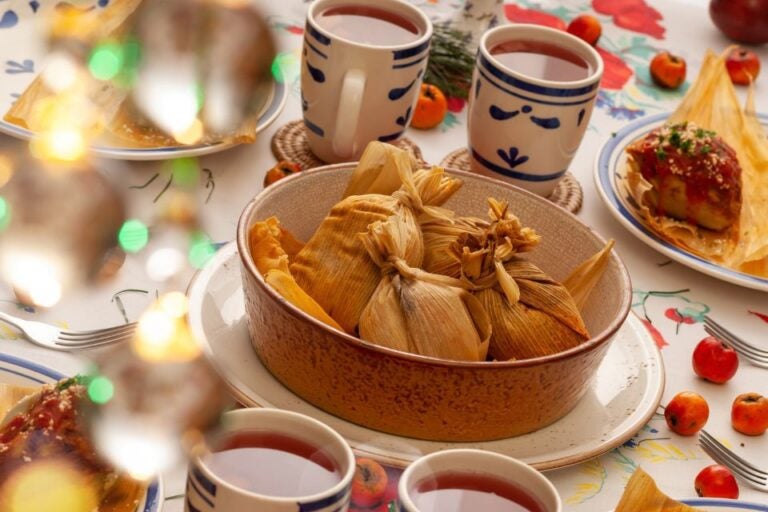
- Panes con Pollo or Panes con Chumpe: Warm sub sandwiches filled with shredded chicken or turkey. They are marinated in a savory spiced tomato sauce, layered with fresh vegetables, and eaten on Christmas Eve or Christmas Day.
- Tamales: Corn masa tamales wrapped in plantain leaves and stuffed with chicken or pork, potatoes, olives, and capers, served hot at the midnight feast.
- Roasted Turkey (Chumpe): A whole, spiced, and roasted turkey served as a main protein or used in holiday sub sandwiches.
- Ensalada de Papa: A creamy, chilled potato salad made with carrots, peas, and mayonnaise, served as a side dish.
- Torrejas: A beloved holiday dessert made from sweet bread soaked in milk, egg-dipped, fried, and drizzled with a sweet cinnamon panela syrup.
Fireworks at midnight
At the exact stroke of midnight on Christmas Eve, the skies across El Salvador erupt into a massive, nationwide display of fireworks, sparklers, and firecrackers.
- Festive atmosphere: Neighborhoods light up and fill with noise as families and children step outside to celebrate Christmas Day together.
- Safety considerations: Due to the widespread use of pyrotechnics, local authorities and public campaigns strongly emphasize supervising children, avoiding dangerous high-risk explosives, and maintaining safe distances to prevent injuries.
For those looking for public gatherings, vibrant spaces like the Historic Center of San Salvador, such as Plaza Gerardo Barrios, or central parks in towns across the country, feature festive holiday villages and massive light displays. These open public areas provide popular spots where crowds gather to celebrate the midnight hour together.
El Estreno: wearing new clothes
El Estreno is a cherished Salvadoran holiday tradition of wearing brand-new clothes specifically purchased for Christmas Eve. Many people choose cheerful holiday colors like red, green, gold, or bright white to match the festive mood, though any color goes.
- When they are worn: People typically put on their estrenos on the evening of December 24. They wear new clothes when heading for Midnight Mass, gathering for the late-night family feast, and stepping outside for the midnight fireworks.
- Cultural significance: Beyond fashion, el estreno symbolizes a fresh start, renewal, and the honoring of the holidays’ solemnity and joy. Dressing in your best and newest attire is a sign of respect for the celebration, family, and the spiritual importance of welcoming Christmas.
Christmas music, cumbia, and dancing
Music and dancing are central to the festive atmosphere of La Navidad in El Salvador. They bring energy and joy to family gatherings throughout December and especially on Christmas Eve:
- Christmas songs and carols: Homes, streets, and radio stations fill with traditional villancicos (carols) alongside classic Latin American holiday tunes that set a nostalgic and joyful mood.
- Cumbias and Tropical music: Alongside traditional carols, lively cumbias and tropical holiday hits play a major role, encouraging family members of all ages to get up and dance.
- Family parties and socializing: Music serves as the backdrop for extended family reunions, where relatives gather to converse, celebrate, and dance well into the early hours of Christmas morning.
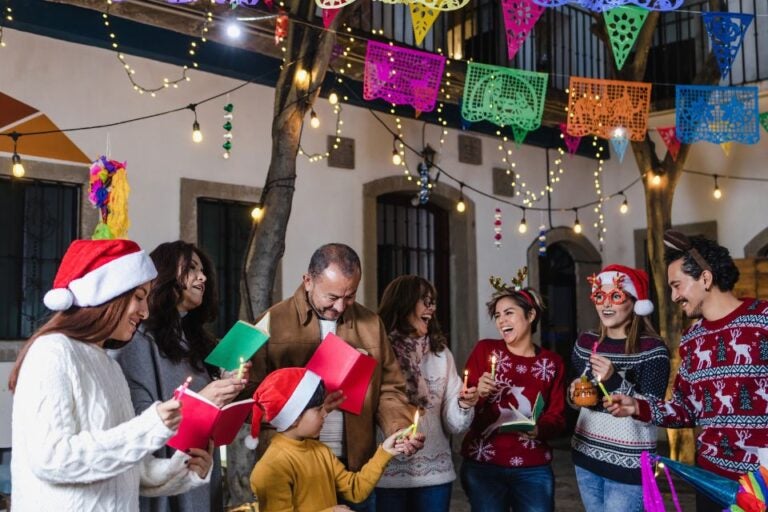
Nativity scenes and religious traditions
Catholic customs and religious practices form a foundational part of the holiday season for many families in El Salvador, though participation varies by household.
Key religious traditions and decorations include:
- El Nacimiento (Nativity Scenes): Many households build elaborate miniature landscapes representing Bethlehem, using moss, sawdust, colored lights, and handcrafted clay figures of the Holy Family, shepherds, and animals.
- Novenas and Advent traditions: Leading up to Christmas Eve, some families and neighborhoods participate in Novenas, gathering for nine consecutive days of prayer, Scripture readings, and carols.
- Misa del Gallo (Midnight Mass): Attending midnight church services on Christmas Eve is a longstanding custom for religiously observant families, serving as the spiritual centerpiece for welcoming the birth of Jesus before domestic celebrations begin.
Gifts-giving and holiday activities
In El Salvador, gifts are traditionally opened at midnight on Christmas Eve (December 24) rather than on Christmas morning.
When the clock strikes midnight, and fireworks fill the sky, families share warm embraces, and children eagerly unwrap the gifts waiting beneath the Christmas tree.
While Christmas Eve centers on late-night celebrations, Christmas Day (December 25) offers a more relaxed pace focused on family, food, and recreation:
- Enjoying leftovers: Rather than cooking a fresh meal, families typically relax by eating delicious leftovers from the massive Christmas Eve feast, especially warmed-up tamales and turkey subs (panes con pavo).
- Visiting relatives: Many people spend the day traveling to see extended family members or neighbors who couldn’t attend the gatherings the night before.
- Beach trips and Relaxation: Because December brings warm weather to El Salvador, it is also a popular holiday tradition for families to head to the Pacific coast beaches or local recreational parks to unwind and enjoy the day off together.

Christmas parades and community celebrations
Christmas parades and community events play a vibrant role in bringing neighborhoods together throughout El Salvador during the holiday season:
- Festive parades and floods of light: Cities and towns across the country host holiday parades featuring marching bands, festive floats, local dance troupes, and characters dressed as Santa Claus or the Niño Dios.
- Community gatherings and public plazas: Town squares and parks (parques centrales) become bustling hubs of activity, adorned with glowing holiday lights, giant nativity displays, and outdoor markets where families buy seasonal treats and handicrafts.
- Neighborhood festivities: Local communities often organize block parties, school pageants, and charity toy drives, strengthening community bonds and ensuring that families celebrate the holiday spirit together.
Stay connected while experiencing Christmas in El Salvador
For travelers who want to experience El Salvador’s Christmas traditions, having reliable mobile data is essential. It can help them navigate routes, use maps and transport apps, stay in touch with families, and find Christmas events and restaurants. Additionally, they can easily share this moment with their friends on social media.
Holafly El Salvador eSIM is a convenient option for travelers who want to stay connected and avoid roaming charges. It offers unlimited data, 5G speeds where available, and 24/7 customer support.
Every eSIM comes with 1GB of backup data as an Always On feature, allowing you to use the eSIM even after the plan expires. This data is available for up to one month as long as the eSIM remains installed.
Holafly is supported in 200+ destinations. So, whether you want to spend Christmas in El Salvador or experience Finnish Christmas traditions, you can find a plan in the Holafly eSIM store.

Unlimited data. Peace of mind.
Make sure you have travel data that's there when you need it most.
Plans that may interest you


Formerly a travel journalist turned marketing copywriter, I found my way back to the travel world with Holafly—my dream company that made remote work possible. My motto? “Dream big and make it happen.” I’m passionate about writing, exploring the world, and staying active through walking, running, swimming, and hiking. I also love learning, reflecting, and connecting with inspiring minds.