Language
iPhone Duo: Apple’s first foldable, but not the first foldable with eSIM. Here are 10 eSIM-compatible foldable phones for 2026
Apple has just launched its first eSIM foldable phone, but other brands got there first. Compare the new iPhone Duo eSIM with other leading foldables.

Apple has just unveiled its first-ever foldable iPhone, and there’s one small detail buried in the specs that suggests it might be the ultimate travel phone: The iPhone Duo is SIM-free.
Apple deliberately omitted the physical SIM tray, a choice aligned with most foldable smartphones on the market today.
eSIM compatibility makes it easy to switch between your home number and travel data plan, while the unique design saves space without sacrificing screen size. From Samsung to Google to Apple’s brand-new Duo, here’s the full list of foldable phones that work with an eSIM in 2026.
| Foldable Phone Model | eSIM Support | SIM Tray? |
|---|---|---|
| iPhone Duo (2026) | Yes, eSIM only | No |
| Samsung Galaxy Z Fold 8 / Fold 8 Ultra | Yes, up to 2 eSIM profiles | Yes, one nano-SIM |
| Samsung Galaxy Z Flip 8 | Yes, up to 2 eSIM profiles | Yes, one nano-SIM |
| Google Pixel 11 Pro Fold | Yes | Yes (unlike the rest of the Pixel 11 line in the US) |
| Motorola Razr / Razr Ultra / Razr Fold | Yes, 1 eSIM profile only | Yes, one nano-SIM |
| Honor Magic V6, OPPO Find N6 (Not available in US) | Yes | Yes |
iPhone Duo
Apple’s first foldable iPhone, the iPhone Duo, was unveiled on September 9, alongside the iPhone 18 eSIM lineup.
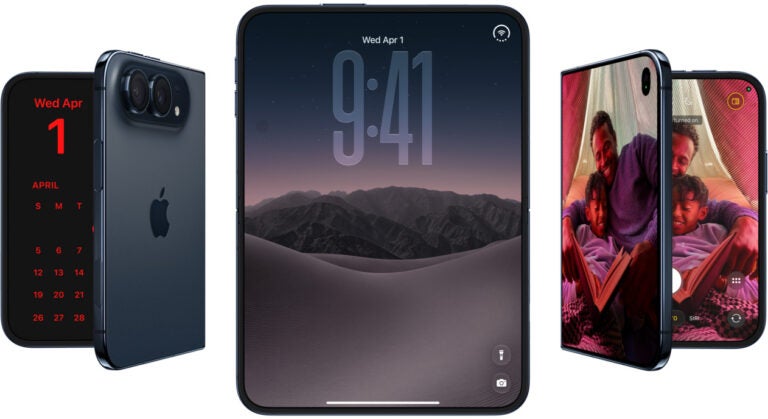
Pre-orders open on October 16, with the foldable smartphone officially going on sale on October 23. Starting at $1,999 for 256GB and going up to 2TB, it’s firmly a premium phone, but iPhone Duo’s eSIM support, combined with its space-saving design, is piquing the interest of travelers worldwide.
Here are some of the most noteworthy specs of the iPhone Duo:
- Displays: 7.6-inch inner display and 5.4-inch outer display
- Chip: Apple A20 Pro
- Modem: Apple C2
- Battery: Dual-battery design, rated for up to 24 hours of use
- Durability: IP68 water and dust resistance
- Biometrics: Touch ID built into the side button
Does the iPhone Duo have a SIM card slot?
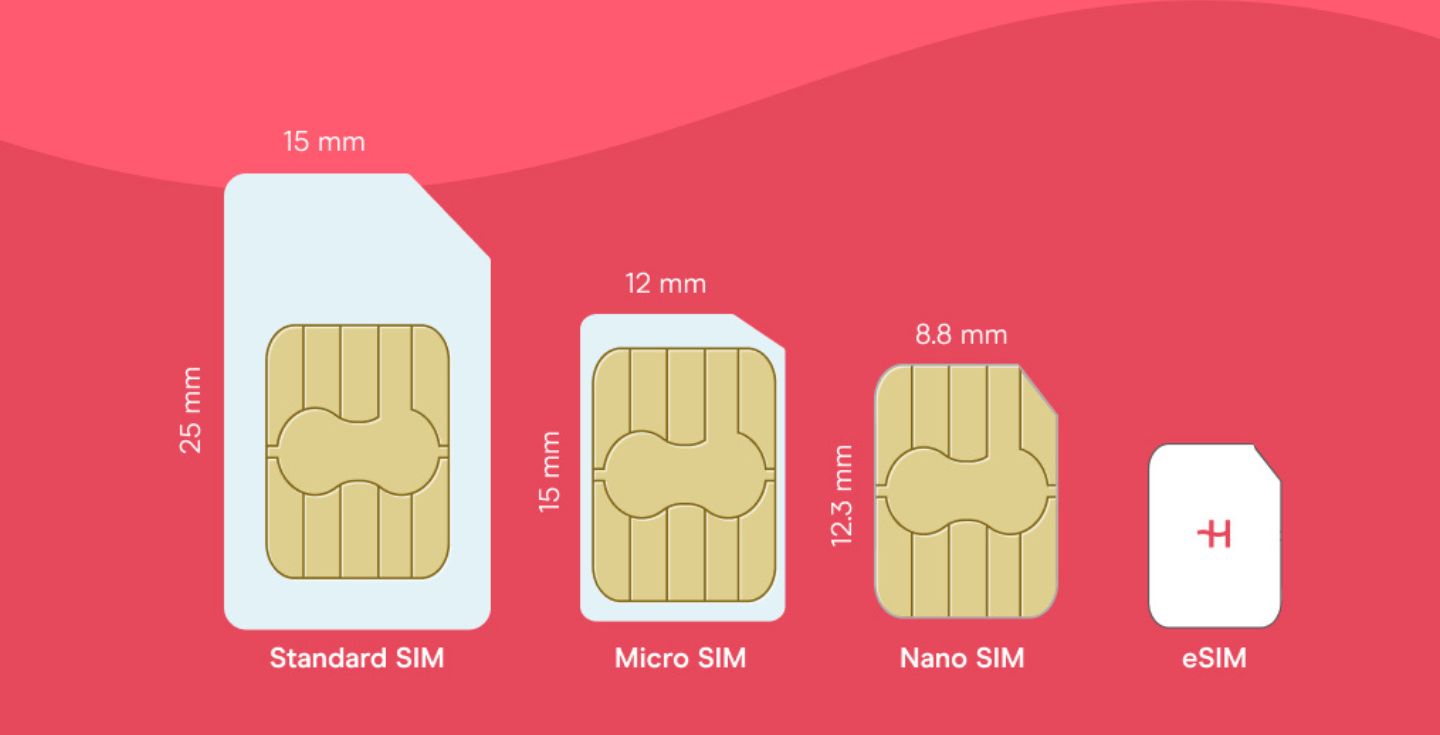
The iPhone Duo doesn’t have a physical SIM card slot, meaning it supports eSIM only. This applies worldwide, not just in the US like some earlier SIM-free iPhones.
This means any current physical SIM card you’re using won’t work, and you can’t pop in a local SIM you’ve brought abroad either. However, because this SIM-free iPhone supports multiple eSIM profiles, you can use a home line eSIM and multiple travel eSIMs at the same time, helping you stay connected wherever you go.
Samsung Galaxy Z Fold 8 and Fold 8 Ultra
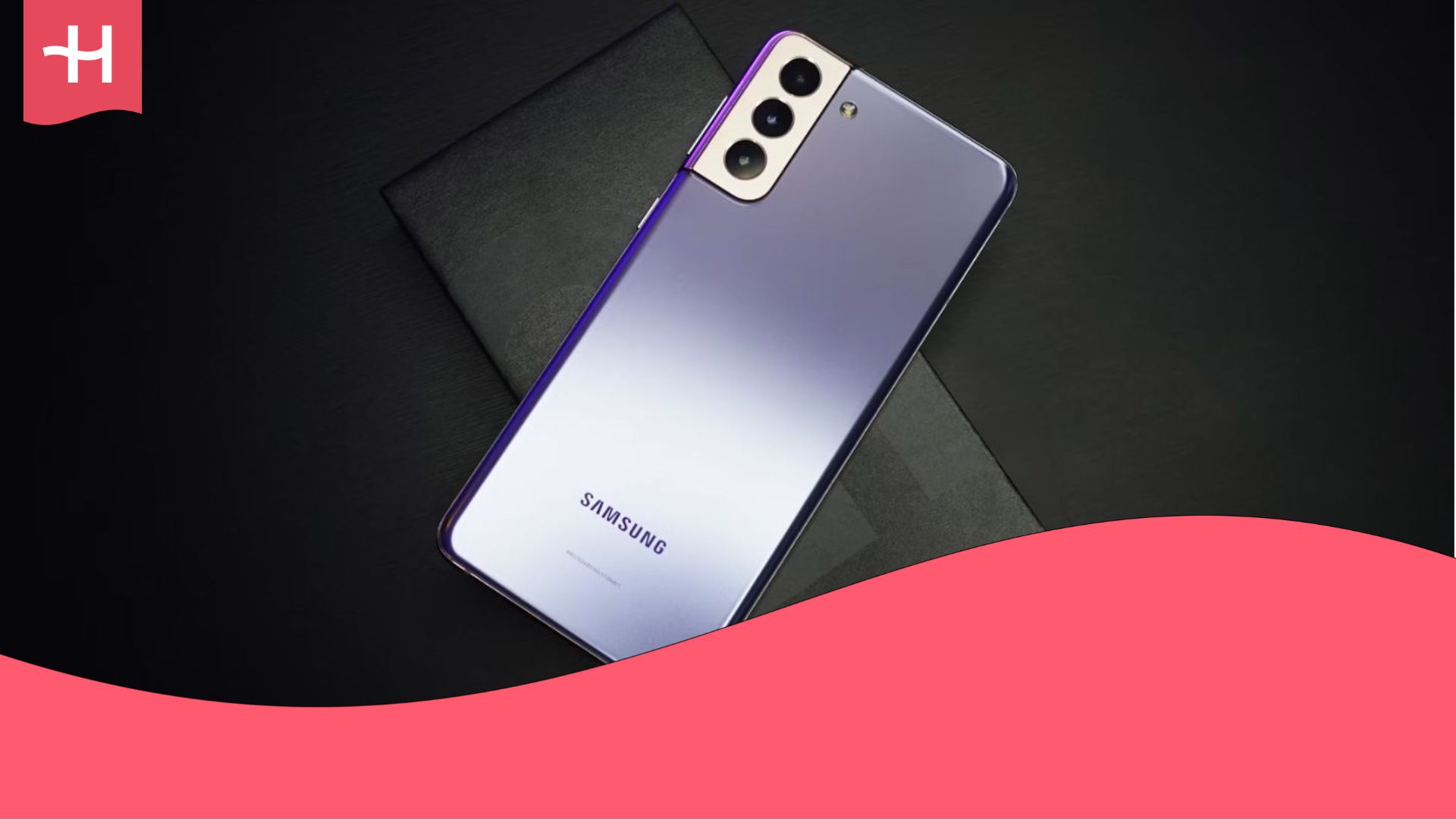
Samsung’s latest book-style foldables, the Galaxy Z Fold 8 and Fold 8 Ultra, launched in summer 2026. The US launch price started at around $1,900 for the Fold 8 and $2,100 for the Fold 8 Ultra.
Both offer a major advantage for travelers: dual eSIM compatibility alongside a physical nano-SIM slot. You can quickly and easily add travel data plans during your trips without removing your main SIM, thanks to Samsung Galaxy’s swift eSIM setup process.
Samsung Galaxy Z Flip 8
The Galaxy Z Flip 8 is Samsung’s third foldable phone, completing the Z8 series. Rather than opening like a small tablet like Samsung’s Fold models, the Flip 8 folds vertically in half, giving you a regular-sized smartphone that becomes much more compact when closed.
It’s also the cheapest and lightest in the series, making it both budget-friendly and travel-friendly.
All three Samsung Galaxy Z foldable smartphones have one single nano-SIM slot, rather than the dual physical SIM support found in previous generations. You can still have two lines active at once, but at least one must be an eSIM.
Google Pixel 11 Pro Fold
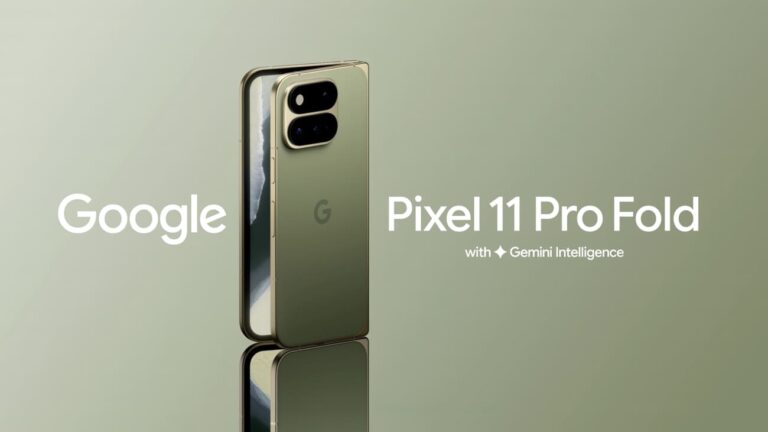
The Pixel 11 Pro Fold, Google’s latest and most sophisticated foldable smartphone, launched in August 2026. It has a book-style fold, letting you switch between a regular smartphone screen size and a larger screen.
The Pro Fold features Google’s new Tensor G6 chip and 16GB of RAM. This makes it ideal for travelers who need fast, real-time translation in unfamiliar countries.
One key difference between the Pro Fold and the rest of the Pixel 11 series is that it has both eSIM compatibility and a physical Nano SIM slot (including in the US). This makes it a good pick for travelers who want a Google Pixel eSIM phone for travel data but prefer to have a physical tray for their home line.
Motorola Razr and Razr Ultra (2026)
Motorola’s 2026 Razr 70 and Razr 70 Ultra feature a compact flip-style design that lets you fold a standard-sized smartphone in half.
The Razr is the value option, while the Razr Ultra is the higher-end version because it has more premium hardware, not because it is bigger. Both smartphones open up to a 6.9-inch display and have dual SIM functionality, allowing one physical Nano SIM card and one eSIM.
Motorola Razr Fold
The Razr Fold folds horizontally like a book, giving a larger screen (8.1 inches) than the Razr and Razr Ultra. It’s also Motorola’s premium foldable, powered by the Snapdragon 8 Gen 5.
It has the same dual SIM as the Razr and Razr Ultra (one physical Nano SIM plus one eSIM).
Honor Magic V6
The Honor Magic V6 is a lesser-known book-style foldable smartphone, positioned as an alternative to the Samsung Galaxy Z Fold 8 and Motorola Razr Fold. However, it’s currently available only in Europe and Asia, not the US.
The Magic V6 has dual-SIM functionality, allowing two physical SIM cards, two eSIMs, or one of each.
OPPO Find N6
OPPO Find N6 is another book-style foldable, not currently available in the USA. Since its launch in April 2026, it’s on sale in the UAE, parts of Asia, and Australia, where it’s marketed for its ultra-slim profile and seamless viewing experience.
The OPPO Find N6 supports both physical nano SIM cards and eSIMs; however, the exact setup may vary by region, so check eSIM compatibility before purchase.
Why a foldable is a great travel phone (and why eSIM makes it better)
Foldables offer a compact device without sacrificing screen size.
Some let you fold a standard-sized smartphone for maximum portability. Others open into a large, tablet-style screen, making on-the-go travel planning much easier.
With the book-style foldables, you get a dual screen. You can use the smaller outer screen to quickly check train departures or pull up e-tickets, then unfold the phone and switch to the larger inner screen for maps or in-flight movies.
Then there’s the eSIM compatibility.
Instead of landing and hunting for a SIM shop at the airport, you can install a travel eSIM before you leave and connect as soon as you arrive. You can keep your regular number active for calls and two-factor authentication while using the travel eSIM for data.
Plus, when upgrading your phone, it’s easy to bring your existing eSIMs with you. You can even transfer an eSIM between iPhone and Android, or other mobile operating systems.
Should you wait for the iPhone Duo or buy a foldable now?
If you’re traveling before late October, it makes sense to choose one of Samsung’s, Google’s, or Motorola’s foldables, as they are already on the market.
However, if you’re not traveling until the holidays, the iPhone Duo will be available in time for your trip, arriving in stores on October 23.
And if you decide to upgrade your current iPhone to the new Duo, transferring an eSIM from one iPhone to another is often quicker than you expect, thanks to Apple’s automatic data transfer service.
FAQs
Is iPhone Duo eSIM only?
Yes, the iPhone Duo has no physical SIM tray and uses eSIM instead.
Can I use a travel eSIM on a Galaxy Z Fold 8?
Yes, the Galaxy Z Fold 8 supports eSIM, so you can use a travel data plan alongside your regular SIM.
Do all foldable phones support eSIM?
No. Most major 2026 foldables do, but eSIM support varies by model and region.
Can I keep my home number on a foldable while abroad?
Yes, in most cases you can keep your home SIM or eSIM active for calls and texts while using a travel eSIM for data.
Take your foldable anywhere with Holafly
A foldable phone is built for travel: maps on the big screen, boarding passes on the small one. What it can’t do is find you a SIM card when you land. A Holafly eSIM handles that part. Install it on your iPhone Duo, Galaxy Z Fold 8, or Pixel 11 Pro Fold before you leave, activate it on arrival, and you’re online in 200+ destinations with unlimited data, 5G speeds, and 24/7 customer support, all without a physical SIM.
What’s more, every Holafly eSIM comes with Always On, 1 GB of monthly backup data at no additional cost. It activates as soon as your eSIM is installed, renews every month, and works in 150+ destinations. So even after your trip plan ends, your foldable still has data for that last-minute gate change or a quick map check on the way home.
Fast, reliable, and easy to use, it’s the one eSIM you’ll always travel with. Browse the full range at the Holafly shop, and follow Holafly on Google Discover for more travel tech tips.

Unlimited data. Peace of mind.
Make sure you have travel data that's there when you need it most.
Plans that may interest you


Hi, I'm Mika, a South Korean writer living in the US. I cover travel and live events, focusing on the practical stuff that makes your trip smoother, whether you're navigating a new city or heading to a major international event.I'm also the founder of Search SEOul, South Korea's leading SEO conference, bringing together search marketing experts and speakers from around the world.