




 Language
Best places to retire in Oregon 2026: Honest guide for every budget
An honest, city-by-city comparison of the best places to retire in Oregon, covering cost, safety, healthcare, and lifestyle fit.

Oregon is a strong retirement choice if you value mild summers, outdoor access and good healthcare, but it is not one of the cheapest states for retirees. Housing is the biggest factor: median listing prices range from about $485,000 in Medford to more than $860,000 in Bend.
The best places to retire in Oregon depend on what you prioritize, affordability, healthcare, culture, coastal living or access to nature. This guide compares 8 Oregon destinations using housing costs, healthcare access, lifestyle, and retirement affordability, including what each location may mean for a fixed income.
Best places to retire in Oregon at a glance
| City | Best for | Cost level | Risk factor | Amenity access |
|---|---|---|---|---|
| Portland | Healthcare and Culture | High | Wildfire/smoke | Excellent |
| Bend | Outdoor lifestyle | Very high | Wildfire/smoke | Good |
| Eugene | Active, educated community | High | Wildfire/smoke | Excellent |
| Salem | Value and central location | Moderate | Wildfire/smoke | Good |
| Medford | Lower – cost southern Oregon | Moderate | Wildfire/smoke | Good |
| Ashland | Arts and small-town | High | Wildfire/smoke | Good |
| Corvillas | Walkability and education | High | Wildfire/smoke | Good |
| Klamath Falls | Budget – conscious retirement | Lower | Wildfire/smoke | Moderate |
Best places to retire in Oregon: Top picks by lifestyle
If you’re looking for the best places to retire in Oregon, your ideal choice depends on your budget, lifestyle, and priorities. Here are the top picks by what matters most.
Portland: Best for healthcare and culture
Portland is the strongest choice if access to major hospitals, restaurants, museums and cultural activities matters more than keeping housing costs low. Its median listing price was about $525,000, with median monthly rent around $1,725 in July 2026.
The city has multiple major hospitals, including OHSU, and the region offers extensive public transportation. The trade-off is cost: Portland is considerably more expensive than southern Oregon alternatives, and retirees should also consider wildfire smoke and the higher housing costs of the metro area.
Bend: Best for outdoor recreation
Bend is one of Oregon’s most attractive retirement destinations for people who want hiking, cycling, skiing and year-round outdoor recreation. It is also one of the most expensive: The median listing price was approximately $862,425, while median monthly rent was about $2,017 in July 2026.
That makes Bend difficult to afford on Social Security alone unless you own your home or have additional retirement income. The major trade-off is affordability, along with wildfire and smoke exposure during increasingly severe fire seasons.
Eugene: Best for an active community
Eugene offers a more manageable alternative to Bend while retaining strong access to outdoor recreation, healthcare and cultural activities. Its median listing price was around $594,950, with median monthly rent of approximately $1,770 in July 2026.
The city benefits from the University of Oregon, extensive parks and bike-friendly infrastructure, while nearby healthcare facilities include PeaceHealth Sacred Heart Medical Center. Housing is still above what a budget-conscious retiree might expect, and wildfire smoke can affect summer air quality.
Salem: Best for overall value
Salem is worth considering if you want a larger city without paying Bend or Portland prices. Its median listing price was approximately $509,924, while median monthly rent was about $1,675 in July 2026.
As Oregon’s capital, Salem has a broad range of services and sits between Portland and Eugene, making larger regional amenities relatively accessible. Healthcare is also practical, with Salem Health serving the area. The trade-off is that Salem does not offer the same depth of cultural attractions as Portland or the outdoor appeal of Bend.
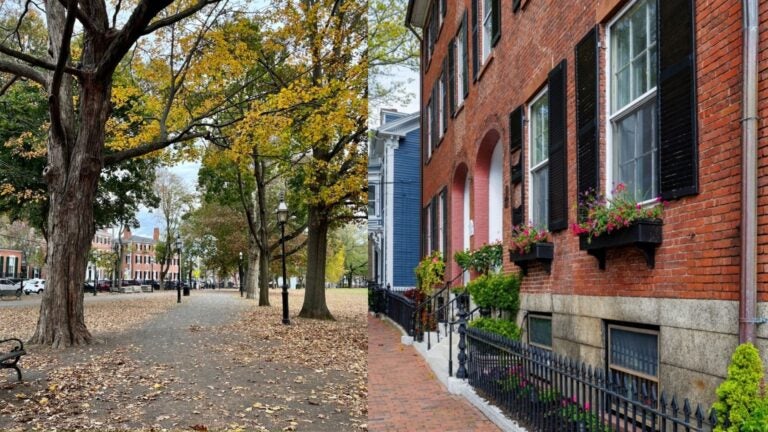
Medford: Best for a lower-cost southern Oregon retirement
Medford stands out for retirees who want southern Oregon’s warmer climate and outdoor access without Bend’s housing prices. Its median listing price was about $485,495, and median monthly rent was approximately $1,575 in July 2026.
Healthcare access is another advantage, with both Providence Medford Medical Center and Asante Rogue Regional Medical Center serving the area. The main concern is wildfire and heat exposure, particularly during summer.
Ashland: Best for arts and small-town living
Ashland offers a smaller community with a strong cultural identity, including the Oregon Shakespeare Festival and easy access to southern Oregon’s outdoor attractions. Housing is also pricier than in nearby Medford: A typical one-bedroom rental in Ashland cost around $1,500 – 1,800 per month, compared with roughly $1,200 – 1,400 in Medford, making Ashland the more expensive choice for retirees renting.
Ashland also faces hotter summers and wildfire risk, which affects comfort, air quality, and insurance costs. It’s a stronger fit if you’re willing to pay more for arts, walkability, and a close-knit community rather than prioritizing the lowest monthly housing costs.
Corvallis: Best for education and an active lifestyle
Corvallis is a strong option for retirees who value an educated, active community with easy access to walking, cycling, and outdoor recreation. However, housing can be a significant expense: the median home listing price in Corvallis was around $697,296 in July 2026, which you should factor into your budget when considering the city.
The city has good local healthcare access, including Good Samaritan Regional Medical Center, but its smaller scale means fewer major-city amenities.
Klamath Falls: Best for retirees on a tighter budget
Klamath Falls is one of the more affordable options to retire in Oregon, with a median listing price of approximately $408,675 and median monthly rent around $1,425 in July 2026. That lower housing cost can make a meaningful difference for retirees relying primarily on Social Security or a modest pension.
The trade-off is climate and amenities: winters are considerably colder, and the city has fewer cultural and specialist healthcare options than Portland or Eugene.
Best places to retire in Oregon without major wildfire exposure
There is no Oregon city that completely eliminates wildfire or smoke risk, so you should look at the specific property and county rather than assuming one location is risk-free.
- Portland: Urban areas offer more healthcare and services, although regional wildfire smoke still affects air quality.
- Salem: Its Willamette Valley location provides a different risk profile from southern and central Oregon, but smoke can still travel into the area.
- Corvallis: A greener Willamette Valley option with strong healthcare access, though it is not immune to regional smoke.
- Coastal Oregon: Communities such as Newport offer a cooler climate and different wildfire exposure, but heavy rainfall and stormy weather are trade-offs.
Before buying, check the property’s specific wildfire, flood and insurance risk rather than relying only on city-level averages.
Can you retire in Oregon on Social Security?
Yes, you can retire in Oregon on Social Security, but how comfortably you can live will depend largely on your housing costs and location. The national average retired-worker benefit was $2,071.30 per month in December 2025, according to the Social Security Administration, so a one-bedroom rental in Bend or Portland could consume most of that income before food, healthcare and utilities are included.
Medford, Klamath Falls and some smaller Oregon communities are more realistic for a Social Security-focused budget. Owning your home outright changes the calculation substantially because housing becomes a much smaller monthly expense.
Oregon also does not tax Social Security benefits, although other retirement income is taxable at the state level. For a broader picture of how Oregon compares with other states, compare these figures with the cost of living in the US.
Why Oregon is still worth considering for retirement
Oregon’s appeal comes from the variety of lifestyles available within one state. You can choose an urban retirement in Portland, a high-desert outdoor lifestyle in Bend, wine-country and valley living around Salem or a quieter southern Oregon community such as Medford or Ashland.
Healthcare is another of its strengths. Portland has the deepest concentration of major medical facilities, while Eugene, Salem and Medford also have established hospital networks. The main financial drawback is taxation: Oregon has no general sales tax, but it does tax most retirement income while exempting Social Security.
That means the state is attractive for someone whose income is primarily Social Security but less favorable for retirees drawing heavily from taxable pensions or retirement accounts.
What to consider before retiring in Oregon
When choosing the best places to retire in Oregon, make sure to look beyond the home price.
- Housing: July 2026 median listing prices ranged from about $408,675 in Klamath Falls to $862,425 in Bend, so location can change your retirement budget dramatically.
- Healthcare: Portland offers the broadest specialist access, while smaller cities require longer trips for complex care.
- Climate: Central and southern Oregon experience wildfire and smoke, while western Oregon is wetter and cloudier.
- Taxes: Social Security is exempt from Oregon income tax, but most other retirement income is taxable.
- Fixed-income affordability: A city that looks affordable based on home prices may still be difficult if you need to rent and pay for healthcare from a fixed monthly income.
If you are seriously considering retiring in Oregon, renting for a year before buying can help you understand the local climate, healthcare access, neighborhood costs and day-to-day lifestyle.

Considering other US states? If you’re still comparing where to retire in the US, you can also explore our guides to:
- Best places to retire in the US
- Best places to retire in Florida
- Best places to retire in California
- Best places to retire in Texas
- Best places to retire in North Carolina
- Best places to retire in South Carolina
- Best places to retire in Virginia
- Best places to retire in Arizona
- Best places to retire in Tennessee
- Best places to retire in Georgia
- Best places to retire in Colorado
- Best places to retire in Alabama
- Best place to retire in Delaware
Considering retirement abroad? If you’re open to moving outside the US, explore our guides to:
Stay connected wherever you go with Holafly
Retirement in Oregon does not necessarily mean staying in one place. You may spend part of the year visiting family, traveling around the US or taking longer international trips. A destination eSIM can work for occasional travel, while Holafly Plans is designed for people who regularly move between countries, with coverage across 160+ destinations and Unlimited and Light options. The Unlimited Plan also includes a local US, UK or Canadian number, which can be useful for receiving bank verification codes while abroad.
Both plans include Always On, which automatically provides 1GB of backup data each month after installation. For occasional international trips, an eSIM for the USA can also provide connectivity without relying on roaming or buying a physical SIM.

FAQ: Best places to retire in Oregon
What is the most affordable place to retire in Oregon?
With a July 2026 median listing price of about $408,675, Klamath Falls is one of the most affordable places to retire in Oregon. Medford is another practical choice if you want lower housing costs alongside stronger healthcare access.
Is Portland a good place to retire?
Yes, particularly if healthcare, culture and public transportation are priorities. The trade-off is cost: Portland’s July 2026 median listing price was about $525,000, and its median monthly rent was around $1,725.
Why are retirees leaving Oregon?
Cost of living in Oregon is one factor, particularly for retirees who rent or rely heavily on taxable retirement income. Oregon’s income-tax burden on pensions and retirement withdrawals can also make some neighboring states more attractive, despite the state’s lack of a general sales tax.
What are the drawbacks of living in Oregon?
The biggest drawbacks for retirees in Oregon are housing costs in popular areas, Oregon’s income tax on most retirement income, and regional wildfire smoke. Climate also varies significantly, so the rainy Willamette Valley and colder high-desert areas will suit different retirees.
Plans that may interest you

English Copywriter at Holafly, I'm committed to sharing tips that will make your travel experiences memorable. Over the years as a writer and strategist, I've managed teams across multiple industries - SaaS, tech, real estate, and personal brands. I wrote my first book as a child and have been writing ever since, cooking and reading are a few ways I explore my world.