Language
Best places to retire in Mexico 2026: Honest guide for every budget
From Mérida to Lake Chapala, discover the best places to retire in Mexico with honest takes on costs, safety, visas, and the best cities for every budget.

The best places to retire in Mexico combine a lower cost of living with warm weather, quality healthcare, and proximity to the US.
Mexico ranked fifth in International Living’s 2026 Global Retirement Index, but no single city suits every retiree.
Costs, lifestyles, and safety levels vary considerably between destinations, so this guide helps you find the best cities to retire in Mexico based on what matters most to you.
Best places to retire in Mexico at a glance
| City | Best for | Monthly budget single | Safety level | Beach access |
|---|---|---|---|---|
| Mérida | Safety and affordability | $1,200–1,700 | Lower risk | Close |
| Lake Chapala / Ajijic | Largest expat community | $1,400–1,900 | Moderate caution | No |
| San Miguel de Allende | Arts and culture | $1,800–2,500 | Moderate caution | No |
| Puerto Vallarta | Beach and expat lifestyle | $1,800–2,800 | Moderate caution | Yes |
| Mexico City | Healthcare and cosmopolitan | $1,700–2,400 | Moderate caution | No |
| Oaxaca City | Culture on a budget | $1,200–1,700 | Moderate caution | No |
| Querétaro | Safety and infrastructure | $1,400–2,000 | Lower risk | No |
| Playa del Carmen | Caribbean beach lifestyle | $1,500–2,300 | Extra caution | Yes |
Read the full city breakdowns below to compare costs, safety, healthcare, and lifestyle trade-offs before deciding where to retire.
Why Mexico is one of the top retirement destinations for Americans
Mexico ranks fifth in International Living’s 2026 Global Retirement Index, while living costs are currently 34.8% lower than in the US. Beyond affordability, its proximity makes trips home relatively easy, and major cities offer reputable private healthcare.
Retirees aged 60 and over may also qualify for an INAPAM card, which provides discounts on transport, medication, healthcare, and other services. Mexico is also notably welcoming to newcomers, ranking first for both Ease of Settling In and Culture & Welcome in InterNations’ 2026 survey.
However, Mexico ranks 139th out of 163 countries in the 2026 Global Peace Index. Safety varies dramatically by city and neighborhood, so national figures do not tell the whole story.
The destinations in this guide are established expat hubs with generally lower risk profiles than higher-risk parts of the country, but local research remains essential.
Best places to retire in Mexico: Top picks by lifestyle
The right destination depends on whether you prioritize affordability, safety, culture, healthcare, an expat community, or beach access.
Mérida: Best for safety and affordability
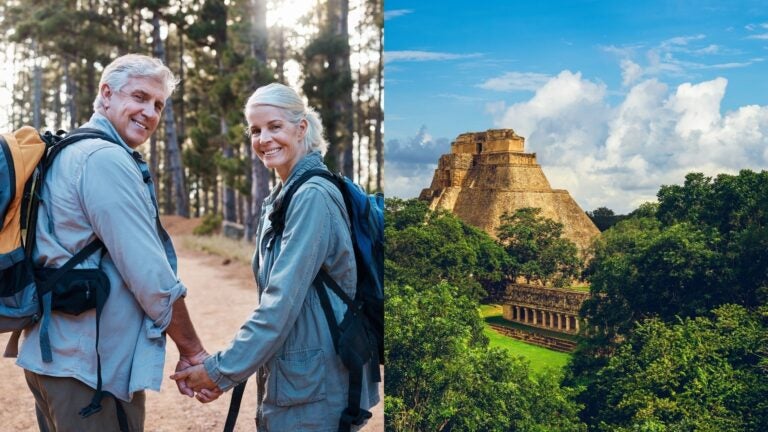
Mérida suits retirees seeking a calmer city and good value, with an estimated monthly budget of $1,200–1,700 for one person.
Yucatán is one of only two Mexican states rated Level 1, “Exercise normal precautions,” by the US State Department.
The city has private hospitals such as Star Médica and Faro del Mayab, and Progreso Beach is about 30 km away. However, Mérida is hot and humid, especially during the rainy season from May to October.
Lake Chapala and Ajijic: Best for expat community
With a monthly budget of around $1,400–1,900, Lake Chapala and Ajijic suit retirees looking for affordability and an easy way to meet people.
Around 15,000–20,000 foreign residents live in the area, while the Lake Chapala Society runs language classes, cultural workshops, fitness sessions, and social events.
Local facilities cover routine healthcare, with Guadalajara’s specialist hospitals around 45–60 minutes away. Although the lake is scenic, it has no beaches, and pollution and algae concerns make it better for enjoying the views than swimming.
San Miguel de Allende: Best for arts and culture
San Miguel de Allende suits retirees drawn to galleries, festivals, architecture, and a lively social scene, with monthly costs of around $1,800–2,500 for one person. Its historic center has held UNESCO World Heritage status since 2008.
Its large international community means English is widely spoken in central and expat-focused businesses, although learning Spanish still makes everyday life easier.
The trade-off is rising prices: a one-bedroom apartment now averages around $885 per month, increasing to roughly $1,110 in the center.
Puerto Vallarta: Best for beach and expat lifestyle
Retirees can expect to spend around $1,800–2,800 per month in Puerto Vallarta, where beach living comes with a well-established expat community.
Direct flights connect Puerto Vallarta with US cities including Los Angeles, Dallas, Houston, Phoenix, and Seattle, although some routes are seasonal.
Hospital CMQ Premiere provides major private care locally, and while Jalisco has a Level 3 US travel advisory, Puerto Vallarta has no specific travel restrictions. However, this lifestyle comes at a price, with rents rising fastest in beachfront neighborhoods and popular tourist areas.
Mexico City: Best for healthcare and cosmopolitan living
A single retiree should budget around $1,700–2,400 per month for life in Mexico City. Neighborhood choice has a major impact on the cost of living in Mexico City, with one-bedroom rents in expat hubs such as Roma, Condesa, and Polanco ranging from roughly $860 to $1,600. To see how these costs compare with expenses back home, read our guide to the cost of living in the US
The Hospital Ángeles network has several locations across the capital and offers more than 55 specialties.
The main drawbacks are the city’s 2,240-meter altitude and air quality, which averages 79 AQI and is classed as moderately polluted.
Oaxaca City: Best for culture on a budget

With a monthly budget of around $1,200–1,700, Oaxaca City suits retirees who value food, traditions, and a more local way of life.
Around 5,000 foreign residents live in the city, creating a visible but less dominant expat community than in Ajijic or Puerto Vallarta.
Hospital Reforma provides emergency care, surgery, intensive care, and diagnostic services locally. Access to advanced specialist treatment is more limited, with major facilities such as Hospital Ángeles Puebla around four hours away by road.
Querétaro: Best for safety and modern infrastructure
Querétaro suits retirees who want modern infrastructure and easy access to other central Mexican cities, with San Miguel de Allende 52 km away and Mexico City around 220 km away. A monthly budget of $1,400–2,000 provides access to private hospitals such as Hospital Ángeles, Star Médica, and H+.
The state is under a Level 2 US travel advisory, with no specific restrictions.
Although roughly 10,000 foreign residents live in Querétaro, its expat networks are less established, so speaking Spanish is more important here.
Playa del Carmen: Best for Caribbean beach lifestyle
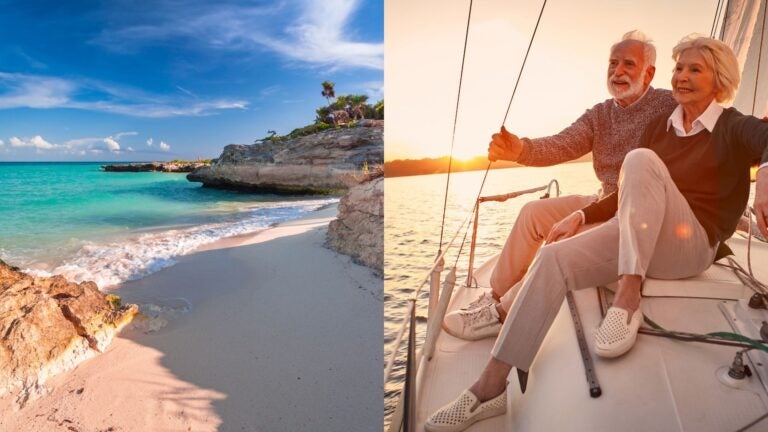
Playa del Carmen offers a lively coastal lifestyle for around $1,500–2,300 per month, with beaches, restaurants, and a large international community close at hand. Cancún International Airport is about 50 km away and offers direct connections to US cities including Miami, Dallas, Houston, New York, and Chicago.
On safety, Quintana Roo has a Level 2 US travel advisory, with extra caution recommended after dark.
Costs also change sharply by neighborhood: a central one-bedroom averages around $1,065, compared with roughly $394 outside the center.
Mexico retirement visa: What US retirees need to know
The main visa option for US retirees in Mexico is the Temporary Resident Visa (Residente Temporal).
In 2026, applicants generally need a monthly income of around $4,050–4,800 for the previous six months or savings of roughly $68,000–80,000 over 12 months. These thresholds are linked to Mexico’s UMA index but vary between consulates and exchange rates.
Applications must be made through a Mexican consulate outside Mexico, and temporary residents can normally apply for permanent residency after four years. The visa costs approximately $56, with a separate fee for the residence card.
Requirements change annually, so confirm them with your nearest Mexican consulate or a licensed immigration attorney.
Is Mexico safe to retire in?
Safety in Mexico depends entirely on where you live. Mérida is currently Level 1, meaning normal precautions, while Mexico City, Oaxaca City, Querétaro, and Playa del Carmen are Level 2, requiring increased caution.
Lake Chapala, Ajijic, Puerto Vallarta, and San Miguel de Allende are in Level 3 states, although current restrictions do not apply specifically to these retirement destinations.
On Numbeo’s 2026 Crime Index, Mérida scores lower than Boston, while Mexico City is broadly comparable to Milwaukee. However, safety varies considerably by neighborhood.
Research individual neighborhoods, speak with residents, visit before relocating, and check the latest State Department guidance, as advisory levels can change.
If you’re looking for the best places to retire in the world, we’ve gathered these guides to help you compare destinations and find the right place for your retirement:
- Best places to retire in Florida
- Best places to retire in California
- Best places to retire in Texas
- Best places to retire in North Carolina
- Best places to retire in South Carolina
- Best places to retire in Virginia
- Best places to retire in Arizona
- Best places to retire in Tennessee
- Best places to retire in Georgia
- Best places to retire in Colorado
- Best places to retire in the US
Stay connected in Mexico and beyond with Holafly
Reliable mobile data makes it easier for retirees in Mexico to manage everyday tasks, stay in touch with family, and use essential services while travelling.
Holafly Plans provides coverage across more than 160 destinations through one monthly subscription, helping avoid roaming charges and repeated eSIM purchases when visiting the US or traveling elsewhere.
The Unlimited Plan includes unlimited data, hotspot sharing, and a local US, UK, or Canadian number, which can be used to receive bank confirmations and verification codes. The Light Plan suits more moderate data users, and both options are contract-free and can be cancelled at any time.
Always On adds 1 GB of free backup data that activates automatically and renews monthly.

FAQ: Best places to retire in Mexico
How much money do you need to retire in Mexico?
A single retiree generally needs around $1,200–2,800 per month, while a couple should budget approximately $2,000–3,500, including rent. Costs vary considerably by city, with Mérida and Oaxaca City at the lower end and Puerto Vallarta and San Miguel de Allende among the more expensive options.
Is Mexico safe to retire in?
Mexico can be safe for retirees, but conditions vary significantly by location. Mérida is currently Level 1 and Querétaro Level 2 under the US travel advisory system, so check current guidance and research crime and safety at neighborhood level before relocating.
What is the best city to retire in Mexico?
The best city depends on what matters most to you. Mérida stands out for safety and affordability, Lake Chapala for its expat community, San Miguel de Allende for arts and culture, Puerto Vallarta for beach living, and Mexico City for healthcare and cosmopolitan amenities.
Can I retire in Mexico on $1,000 a month?
Retiring on $1,000 per month is not realistically comfortable in any of the cities covered, although Mérida or Oaxaca City may come closest with low rent and a very modest lifestyle. It is generally unrealistic in San Miguel de Allende, Puerto Vallarta, Mexico City, or Playa del Carmen.
Plans that may interest you

Hi! I'm a Spanish-English copywriter working with Holafly, helping bring travel content to life for curious travelers. As a digital nomad with a passion for exploring, I'm always adding new spots to my bucket list. If you love to travel like me, stick around because you're in the right place to find inspiration for your next trip! ✈️🌍