



 Language
What to pack for Japan: The ultimate Japan packing list
Sam Morrison, globe trotter and lover of nature and culture, walks us through their packing list and lessons learned from extensive visits to the wondrous island, Japan.

Our Japan packing list essentials include slip-on shoes, Japanese yen, a universal power adapter, a portable power bank, rain gear, season-appropriate clothing, and comfortable walking shoes as a year-round must-have.
Here’s everything you need to pack for Japan from your trusted source, Sam. I’ve gathered everything I learned from my first month-long trip to Japan, along with what I’ll make sure to bring when I go back!
Get your free printable Japan packing list
Download our free printable Japan travel checklist to keep you calm as you get down to the wire on what to pack for Japan.

What to consider before packing for Japan
Congratulations! You did it. You’re going to Japan. It’s been a dream vacation for a while now, and you’re finally on your way. Now, what to pack for Japan? Oh, just perusing? All are welcome here.
I’ve shared my research and experience here to help you make the ultimate packing list for your trip. Konnichiwa!
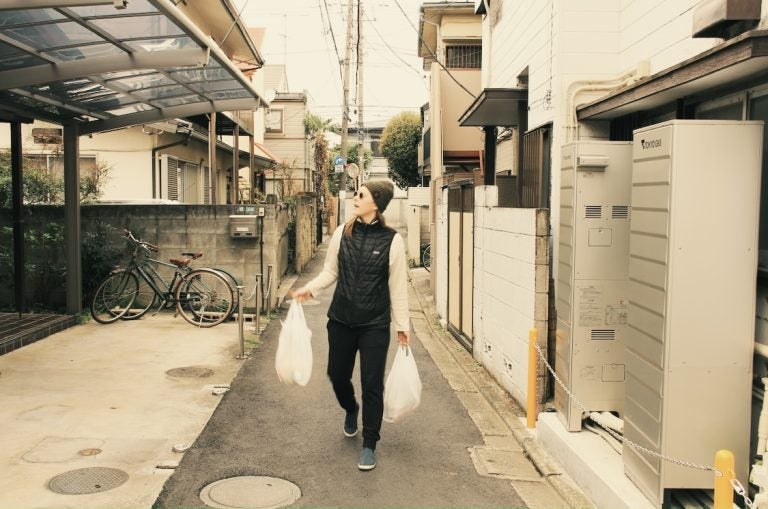
For a 2-week trip to Japan, packing light is essential. Japan’s rail network makes it easy to cover several cities in one trip, which means you’ll be lifting your bag on and off trains and up station stairs far more often than you’d think. Working out how to plan a trip to Japan around the rail legs first will tell you how many times you’re actually moving.
Dress codes for specific locations
As a world leader in trends and tech, Japan is well known for aesthetics. So, the culture will reflect that. In general, it’s best to dress well-kept when visiting Japan.
That means sweatpants, overly revealing clothing, and anything else you may not wear to your grandparents’ home may be best left out of your Japan packing list.
Whether you’re traveling to Japan solo or in company, one of the most beautiful experiences to have during your trip is visiting the shrines, temples, and religious sites.
I still remember walking through them when I visited Japan, they’re truly an everlasting treat to the eyes and the spirit. When heading to these locations, it’s best to dress more traditional, conservative, and respectful.
Researching beforehand made a huge impact on our trip. I spent months studying the culture, customs, and locations before we went. I recommend this Japan Travel Guide and a travel book to prepare.
The weather during your trip
A big consideration in what to pack for Japan is the weather. Japan has four distinct seasons — and many moods. That’s what makes the cherry blossoms bloom.
I recommend researching to find the best time to travel to Japan for you.
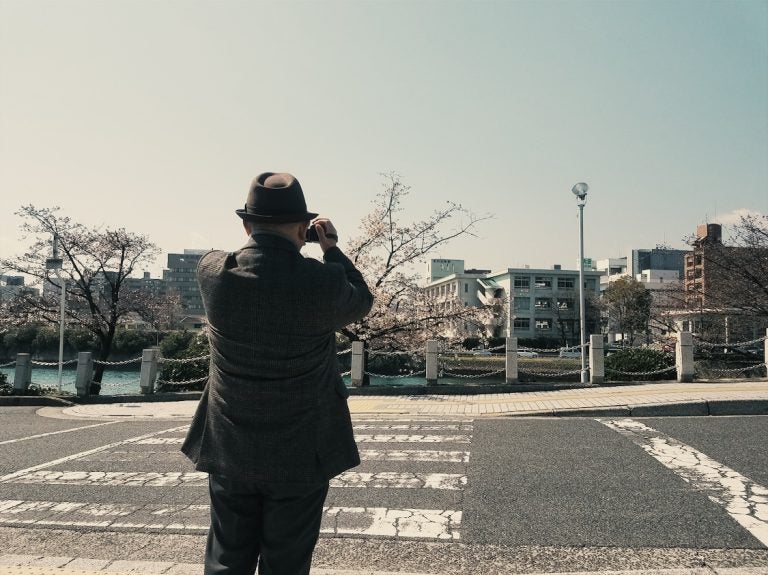
Travel essentials are weather-dependent. If your time to fly is in winter, you’re going to need warm clothing. If your trip to Japan is in the summer, you’ll save space by packing only lightweight layers.
If your Japan trip is during autumn or spring, you’re going to want to be prepared with light jackets, waterproof boots, and maybe even some allergy medicine in your travel essentials — hay-fever, or “kafunsho” in Japanese, is a local springtime resident.
What to pack for Japan in Spring (March to May)
Spring is one of the top times to visit Japan. It’s still chilly at the beginning of the season and warms up towards the end.
Cherry blossom season makes spring one of the top times to visit Japan. It’s still chilly at the beginning of the season and warms up towards the end.
To keep you covered from cherry blossoms to seasonal allergies, here are the essential things to pack for Japan in the Spring:
- Lightweight and breathable clothing
- Comfortable walking shoes
- Lightweight puffer jacket
- Beanie cap/ winter hat
- Waterproof boots
- Allergy medicine
- Thermal socks
- Handkerchief
- Light jackets
- Raincoat
- T-shirts
- Tissues
- Gloves
- Pants
- Scarf
What to pack for Japan in Summer (June to August)
The rainy season in Japan, known as “tsuyu” (梅雨), generally occurs from early June to mid-July. During this time, rainfall and humidity are higher, with occasional heavy downpours.
For summertime, a lightweight raincoat is a Japan travel essential.
Preparing for the humidity is also key.
I personally find humidity quite exhausting, so if you’re in the same boat as me, pack a portable fan and lightweight, breathable clothing.
Japan travel essentials for the rainy season include:
- Sunscreen
- Sunglasses
- Hat or cap
- Comfortable walking shoes
- Lightweight rain jacket
- Breathable clothing
- Lightweight pants
- Waterproof boots
- Portable fan
- Extra socks
- Tank tops
- T-shirts
- Blouses
- Shorts
You can bring an umbrella if you have a favorite or want to land with all of the essentials, but my recommendation is to buy one when you’re there to save space in your luggage.
What to pack for Japan in Autumn (September to November)
If you visit Japan during autumn, keep in mind that the weather is variable and you’ll need to pack layers, especially if you’re chasing the best places to see autumn leaves, which run late September through November.
What to pack for Japan in Autumn:
- Comfortable walking shoes
- Long-sleeve t-shirts
- Layering clothing
- Waterproof boots
- Light sweaters
- Thermal socks
- Light jackets
- Rain jacket
- T-shirts
- Gloves
- Pants
- Scarf
- Vest
What to pack for Japan in Winter (December to February)
Whether you’re welcoming in the winter weather with visits to my personal favorite — the Japanese hot springs, or “onsen”, seeing the snow-capped Japanese Alps, or catching the Sapporo Snow Festival, stay cozy in the cold weather with these things:
- Comfortable walking shoes
- Long-sleeve t-shirts
- Thermal underwear
- Waterproof boots
- Hand warmers
- Thermal socks
- Winter jacket
- Winter hat
- Sweaters
- T-shirts
- Layers
- Gloves
- Pants
- Scarf
- Vest
Must-have items for your trip to Japan
It’s a big trip! What to pack for international travel is always a big question. To ensure a smooth and enjoyable journey, pack these must-have items to keep you covered from head to toe.
Travel documents and travel essentials
Here’s a list of essential travel documents and things to put in your wallet when you pack for Japan:
- Passport
- Photo ID
- Travel visa, *if necessary
- Boarding pass
- Credit cards
- Japanese Yen
Be sure to exchange your home currency for some Japanese Yen before you go to have it on hand when you land.
Though most places accept cards, not all do. And you don’t want to miss out on some sushi just because you weren’t prepared, do you?
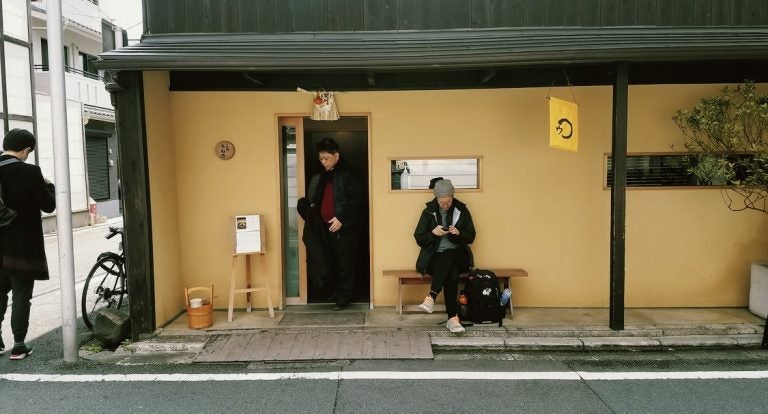
To compliment some of the best food you’ve ever eaten, pair your day with some of my favorite things to do in Kyoto and visit the shrines, temples, and gardens!
As a general travel tip, don’t carry too much cash. You can always withdraw Japanese Yen while you’re out exploring.
For credit card coverage while you visit Japan, I recommend you check with your provider before your trip. Be sure to notify them that you are traveling and confirm you can use your card there.
There is also the tourist card option by SUICA that can be used as an electronic wallet. It is primarily used for public transportation but also serves as a prepaid card in participating supermarkets, shops, restaurants, vending machines, and taxi services. Knowing which Japan payment methods are accepted where saves you guessing at the register.
If you’re wondering about the cost of traveling to Japan, I’d say the flight is often the biggest bite. Once you’re there, there are plenty of ways to be cost-effective.
Note: For some countries, a tourist visa is necessary to visit Japan. Be sure to research before you travel. If you’re traveling from Canada to Japan, here’s your source.
Electronics for your Japanese adventure
Staying informed on which Japan Rail train stations you need to get to and who’s got the best ramen nearby are necessities.
Google Maps, and the power to send pictures to your mom, are travel essentials. Make sure you’ve got your electronic devices ready for your visit.

Probably your most important electronic device will be your cell phone, and its connection to the internet. Your first steps are checking how to know if your cell phone works in Japan.
When I was preparing for my Japanese adventure, the Holafly eSIM was at the top of my packing list.
An eSIM for Japan will help you capture that picture, track down that post-worthy place, or listen to that song you just found in a cafe.
Don’t forget to bring:
- eSIM for Japan
- Power adapter (Type A or B, if you need one)
- Portable power bank
- Camera
- Headphones
Adapter tip: Japan uses Type A and B sockets at 100V, so US and Canadian chargers plug straight in. If you’re from the UK or Australia, pack an adapter. Either way, check the Japan plug type before you buy a voltage converter — most chargers already handle 100–240V.
Japanese culture, and therefore Japanese people, are very respectful. Excessive noise on public transportation is in the top ten list of things not to do in Japan.
I recommend headphones if you want to listen to music. If you want to bring a portable speaker, use it lightly. Sound is a shared space.
Toiletries (travel-sized)
Essential toiletries are a must. Even if you want to pack light and get things in Japan when you land, make it easy on yourself and bring the basics.
Your Japan travel packing list should include the following toiletries:
- Toothpaste and toothbrush
- Hairbrush, hair ties, and curling iron if you use it (most hotels will have a hair dryer)
- Moisturizer
- Small hand towel
- Pocket tissues
- Chapstick
- Deodorant
- Makeup
- Razor and shaving cream
- Shampoo and conditioner
- Feminine hygiene products
- Tampons
- Sanitary pads
- Wipes
- Liners
Reminder: Liquids, aerosols, gels, creams, and pastes in your carry-on have to be in containers of 3.4 ounces (100 ml) or less, all fitting in one quart-size bag. That’s the TSA rule in the US, and the 100 ml limit is the same as flying out of the UK, Canada, and Australia. Anything larger goes in your checked bag.
Travel first-aid kit
As someone who has been a lifeguard, a teacher, and a nanny, a first-aid kit is naturally in my travel essentials.
Even if you have your travel insurance prepped, I recommend you carry a small travel bag with you that has the following items:
- Bandaids
- Pack of a variety of sizes
- Include both waterproof and fabric
- Regular, antibacterial, and blister
- Neosporin
- IBuprofen
- Tissues
- Benadryl
- Eyedrops
- Nasal spray
Again, if you are going to visit Japan during the spring or fall, allergies may get to you, so travel prepared!
Medication tip: Japan’s import rules are stricter than most travelers expect, and some common US over-the-counter drugs aren’t allowed in. Check your own medicines against Japan’s Ministry of Health rules before you fly, as the US Embassy doesn’t publish a list. For Japan, you’ll be allowed a 1-month supply of prescription medicine (no paperwork required) and a 2-month supply of over-the-counter medicine.
4 essential Japan packing tips
You can never pack perfectly for a trip, unless you follow this list! Take it from my experience and months of research, here’s the essential information to tailor your perfect luggage.
1. Pack light and versatile clothing
There’s a balance to everything. As Japanese customs and traditions will teach you, sometimes less is more. The weather in Japan is variable, and you will likely be moving around a lot. Lightweight and breathable clothing are key.
Here are my top Japan traveling tips to keep your worries and your suitcase light:
- Bring comfortable walking shoes
You’re there to explore, give yourself comfort. I averaged almost ten miles a day during my trip to Japan. There’s so much to do, it’s hard to stop! Comfortable walking shoes are a must.
- Pack light
The Japan Rail may be iconic for its efficiency, but carrying bulky, heavy luggage from one major city to the next can slow your trip a bit. Keep things easy and breezy and pack light.
- Remember, you can repeat stuff
I’m a big fan of layering. It’s great for varying your look and reusing articles of clothing. For cold weather, light sweaters, thermal socks, and long-sleeve t-shirts are a must.
We did laundry twice on our trip to Japan. It was actually a really cool and memorable experience. I remember it was raining and I wrote a poem as the laundry tumbled and the locals strolled by.
- T-shirts are a staple
You have to add t-shirts to your Japan packing list. You can dress them up, you can dress them down. You can add layers on top, or wear them on their own.
They don’t take up much space in the suitcase. For that, I put them in my Japan travel essentials, no matter the season.
2. Prepare for rain
We visited Japan in early spring, and I have to say, having that rain jacket ready when the rain hit and our waterproof boots already on was a golden moment.
If you’re wondering what to pack for Japan, make sure rain gear is on your packing list, no matter the season!
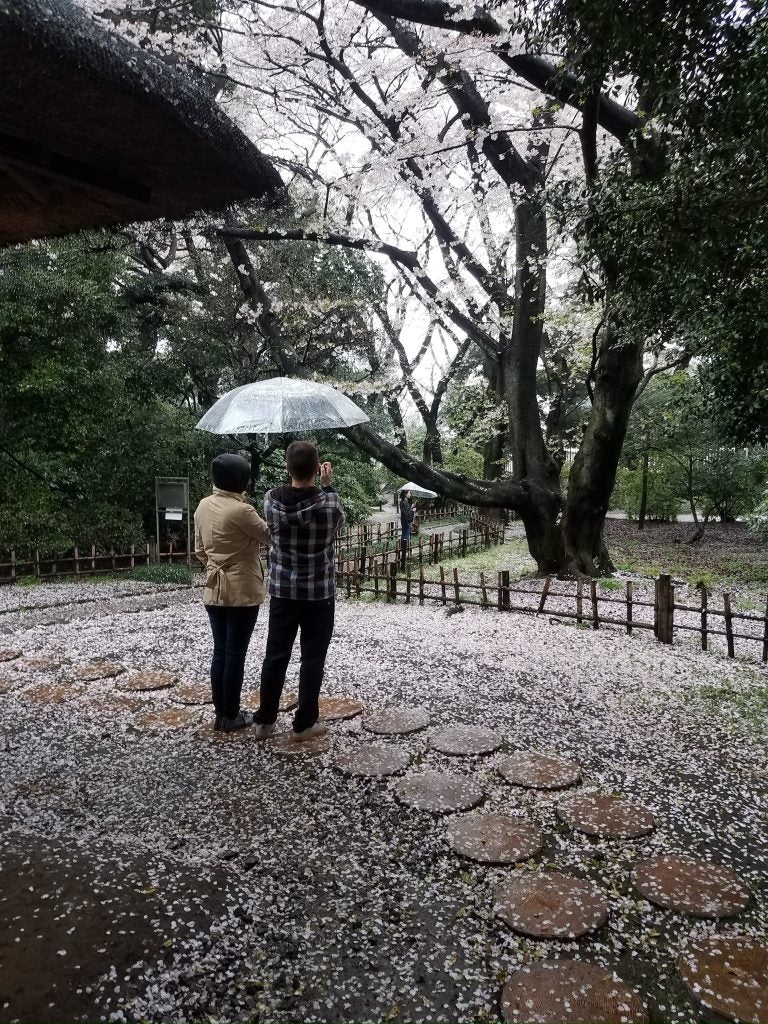
In Japan, sometimes it rains flowers. The rainfall in the garden scattered the cherry blossoms on the ground and made this a very special moment.
For your magic moment, research things to do in Tokyo and see what calls to you. I repeat, garden visits are at the top of my Japan traveling tips list!
3. Wear respectful attire
It’s not tea with the queen, but it is an ancient ceremony. It may not be your religion, but the site is religious. No matter where I’ve gone, I’ve always found it rewarding to be a respectful traveler.
When I visited Japan, I saw just how far it goes to show a little care.
Japanese people and Japanese culture place great value on respect and honor. Take it from my experience, your trip to Japan will be much more pleasant if you are respectful in both your manner and dress.
People are much warmer and happier to help and share when they see you respect their values.
Japan is also known for fashion. You don’t have to put on “your Sunday best”, as we say in the States, or dress for the catwalk, but showing that you care will go a long way.
Here are a few quick tips for when you consider what to pack for Japan:
- It can be considered rude to be barefoot, and it is a Japanese custom to remove your shoes when you enter a building, so pack socks!
- Cover your chest and your shoulders when it’s the proper moment.
- Wear appropriate clothing for religious sites.
- Dress well for dinners.
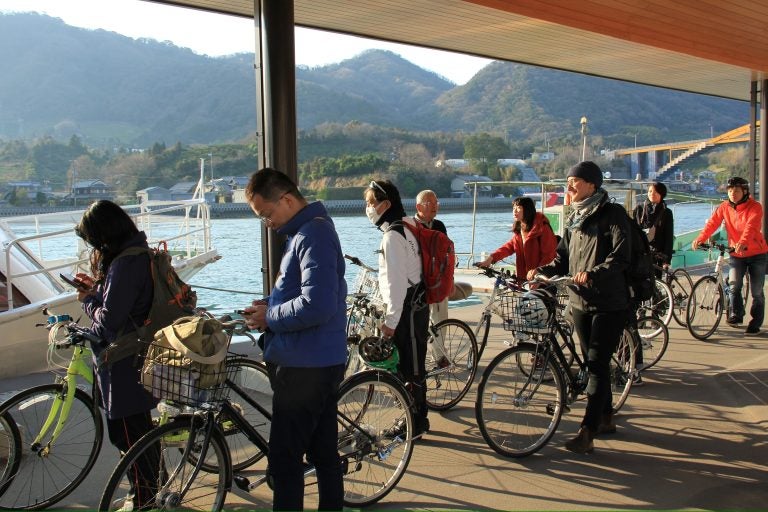
There’s this incredible bike route called the Shimanami Kaido outside Hiroshima that connects a series of islands with big, beautiful bridges, and we biked it one day. It was absolutely amazing.
4. Consider an eSIM for your Japan packing list
There wasn’t a single thing I did on my trip to Japan without internet access.
Even when I treated myself to a totally mindless wander along the Philosopher’s Path in Kyoto, I wouldn’t have found it, nor known how to get back to where we were staying afterward, without internet access.
I recommend getting an eSIM Japan for your trip. It made a foreign world close, safe, and accessible, and made me feel closer to my faraway family.
Hopping from cafe to cafe, WiFi to WiFi, really isn’t enough.
You need to be able to jump on the train and find that song to live your main character moment, call your mom when it’s her night and your morning, and use Google Maps to get your dinner reservation sorted!
What not to pack for Japan
Japanese culture is very respectful. I could reach as far as to say it is traditionally conservative. Though younger generations and major cities offer much more tolerance due to globalization, there are certain things not to do in Japan that can help you have a more pleasant experience.
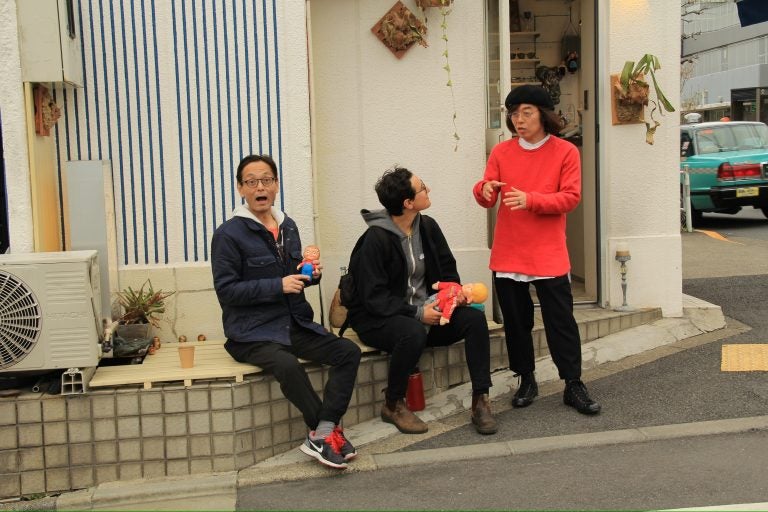
When I was studying to teach English as a second language, I remember one of my mentors gave me this really helpful metaphor for understanding cultures. She said to think of personal space as a bubble.
For some cultures, that bubble is very small, and you can get very close. For others, that bubble is very large, and you need to keep a fair distance.
I would say that for the Japanese people, in general, that bubble is large. I think this is a helpful tip to be a respectful and considerate traveler when you visit Japan.
Loud is not preferred. Nor are hugs when you first meet someone — learn from my mistake!
DO NOT pack the following items on your trip to Japan:
- Clothing with offensive images or messages
- Overly casual clothing for streetwear
- Revealing clothing
- Loud speaker
Larger cities will always show more cultural competency than rural areas.
Whether you’re exploring Japanese pop culture in the vibrant district of Akihabara or strolling the rolling rural fields that inspire Japanese animator and filmmaker Hayao Miyazaki, it’s always best to show respect.
Wrapping up your Japan packing list
For some final thoughts, I also want to offer one of my hidden ace Japan traveling tips. It goes a long way to bring small things from your home country as gifts.
For a tour guide you just love, a host who went above and beyond, or your favorite sushi chef, pack little souvenirs from home and make a friend in Japan.
Also, come prepared! Research where you want to go before you go, how you can get there, and get an eSIM for Japan.
I like Holafly because you can adjust your data plan according to your length of stay. Plus, with every eSIM, you can get 1 GB of Always On monthly backup data at no extra cost. All you have to do is keep the eSIM installed even after your plan expires to receive the data every month!
I hope this all helps you decide what to pack for Japan. Remember, it’s fashion-forward, and it’s traditional. It’s modern, and it’s ancient.
Be respectful, and be prepared for the weather. And, don’t wear last night’s sweatpants to a religious site!

Connectivity made easy