Language

Honduras Christmas traditions: Food, customs, and celebrations
Discover vibrant Honduran Christmas traditions, including Las Posadas, Nochebuena family feasts, nacimientos, traditional foods, and New Year customs.

Christmas in Honduras is a blend of religious traditions, lively family gatherings, and joyful community celebrations. The celebration begins weeks before the holiday, starting on December 16th (Las Posadas) and finishing on January 6th (Three Kings Day).
This guide explores the vibrant customs, key timeline, and distinct regional variations that define Honduran Christmas traditions, such as Las Posadas, Nochebuena celebrations, nacatamales, and wearing new clothes for Christmas.
Travelers who want to enjoy Christmas in Honduras can stay connected using a Holafly eSIM, with unlimited data, 5G speeds, and 24/7 customer support.

Unlimited data. Peace of mind.
Make sure you have travel data that's there when you need it most.
TL;DR: What are Honduran Christmas traditions?
Although Christmas traditions in Honduras may vary across families and regions, the core customs remain the same.
- Core timeline: Celebrations run from Dec 16 (Las Posadas) to Jan 6 (Three Kings Day), with main festivities on Christmas Eve (Nochebuena).
- Key events: Midnight Mass (Misa de Gallo), wearing new clothes (estreno), midnight fireworks, and caroling (aguinaldos).
- Holiday feast: Traditional nacatamales (banana-leaf tamales), slow-roasted pork, torrejas (sweet syrup-soaked bread), and rompopo (eggnog).
- Decor and gifts: Handcrafted Nativity scenes (nacimientos) anchor home decor, with gifts exchanged on Christmas Eve or Jan 6.
- Variations: Customs blend deep faith, rich food, and family togetherness, with slight differences between rural and urban communities.
When is Christmas celebrated in Honduras?
In Honduras, Christmas is celebrated during a month-long festive season from mid-December through early January, like Puerto Rican Christmas. The celebrations revolve around several key dates in the Honduran Christmas calendar:
- December 16–24 (Las Posadas): During the nine nights leading up to Christmas Eve, people participate in candlelit processions and sing songs. These activities reenact Mary and Joseph’s search for shelter on their journey to Bethlehem. It’s also one of the Christmas traditions in Guatemala.
- December 24 (Nochebuena): Christmas Eve is the absolute main event of the holiday season. Families gather in the evening for a grand feast featuring nacatamales, attend Midnight Mass (Misa de Gallo), wear new clothes (estreno), and launch fireworks at midnight to welcome Christmas.
- December 25 (Christmas Day): A quiet, relaxing day reserved for rest, spending time at home with family, playing with new gifts, and enjoying leftovers from the Nochebuena feast.
- December 31 (New Year’s Eve): Families gather once again to ring in the New Year with traditional dinners, late-night parties, and the burning of El Año Viejo (a giant dummy stuffed with straw and fireworks, symbolizing letting go of the past year).
- January 6 (Three Kings’ Day): Marking Epiphany and the official conclusion of the holiday season, some families celebrate this day with special treats and by exchanging small gifts to commemorate the Magi visiting baby Jesus.
8 Honduran Christmas traditions
Due to a shared Spanish colonial history and Catholic heritage, Honduran celebrations share deep similarities with broader Latin American customs, including Venezuelan Christmas traditions.
However, local Honduran customs carry a distinct flavor that reflects the nation’s unique cultural identity.
Celebrating Las Posadas
In the days leading up to Christmas, many communities across Honduras observe Las Posadas. It’s a cherished religious tradition that takes place over the nine nights from December 16 to December 24, symbolizing the nine months of Mary’s pregnancy. This also recalls the journey of Mary and Joseph to Bethlehem in search of shelter before the birth of Jesus.
- Reenacting the journey: Participants walk through local neighborhoods carrying candles and figurines, or sometimes with children dressed up as Mary and Joseph.
- Asking for shelter: The group travels from house to house singing traditional posada carols. A choir sings to ask for lodging, with hosts inside initially refusing until they recognize the holy couple and welcome them in.
- Prayers and community fellowship: Once inside, the gathering transitions into a religious and social event. Families gather for prayer, followed by music, warm drinks such as atole or hot chocolate, and traditional holiday treats.
- Family variations: Some families host private posadas in their own homes over the nine days, while others participate for just one or two designated nights rather than all nine.
Gathering with family on Nochebuena
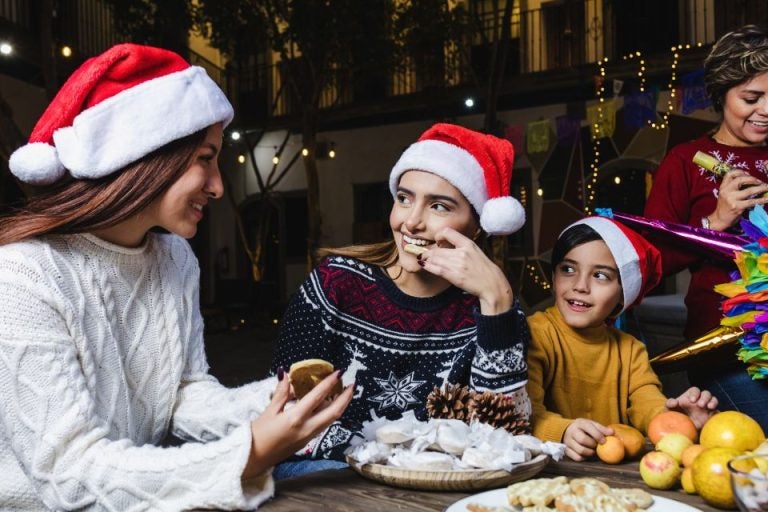
Like many Latin American countries, the true heart of the Honduran Christmas celebration takes place onChristmas Eve (December 24th) rather than Christmas Day. It is a joyful, energetic celebration where extended families come together to share elaborate meals, dance to traditional and modern music, and exchange Christmas gifts.
- Misa de Gallo (Midnight Mass): Families typically dress in their new clothes (estreno) and head to church late in the evening to celebrate the birth of Jesus. Churches are usually filled with local choirs, traditional carols, and nativity plays.
- Fireworks: Exactly at midnight, neighborhoods erupt into massive fireworks displays. The skies light up, and the smell of gunpowder fills the air as families welcome Christmas Day.
- Christmas Day: December 25th is generally reserved for resting, relaxing, and enjoying leftovers from the massive Christmas Eve feast while children play with their gifts.
- Tradition variations: Some families prefer to gather for an earlier dinner on Christmas Eve. They go to sleep before midnight and open gifts on Christmas morning (December 25) instead.
Attending Christmas Mass and displaying nativity scenes
For many Hondurans, Christmas is a religious celebration centered on the birth of Jesus Christ. Catholic Christmas services serve as a central spiritual gathering for families across the country:
- Midnight Mass (Misa de Gallo): Held late on Christmas Eve (traditionally around midnight, though often earlier in the evening), the “Mass of the Rooster” celebrates the Nativity. Churches across Honduras fill with congregants dressed in their new holiday clothes (estreno) to pray, sing traditional carols, and hear sermons on hope and renewal.
- Community life: Beyond Christmas Eve, local parishes host special services during the season, often organizing nativity plays (pastorelas), local choir performances, and community charity drives for families in need.
While Christmas trees are widely decorated, the nativity scene (nacimiento) remains the undisputed centerpiece of holiday decor in Honduran homes and public spaces:
- Handcrafted artistry: Families take immense pride in setting up their nacimientos, often using moss, sawdust, bark, local stones, and clay or wooden figurines. Many incorporate local Honduran elements—such as mini adobe houses, local flora, and regional farm animals—to represent the Nativity within a uniquely Honduran landscape.
- The placing of Baby Jesus: According to tradition, the figure of the infant Jesus (El Niño Dios) is left out of the manger scene until midnight on Christmas Eve, when a family member officially places the figurine in the crib to symbolize His birth.
- Churches and public displays: Parishes, town squares, and local businesses construct large, intricate nativity displays for the community to visit throughout late December and early January.
Wearing new clothes for Christmas
It is a widespread tradition for family members to wear brand-new clothes and shoes (estreno) on Christmas Eve. For those who participate, estreno is much more than just a fashion choice; estreno carries deeper cultural and symbolic meaning:
- Welcoming the holiday in style: Wearing something new symbolizes a fresh start, hope, and respect for the holiday.
- A long-standing custom: Shopping for estreno in bustling local markets or malls during early December is a major part of the holiday buildup, especially for children and young adults who look forward to showing off their new outfits at family gatherings, midnight mass, or neighborhood celebrations.
Sharing traditional Christmas food
Food is a central pillar of Honduran Christmas, with families spending days preparing. Unlike in North America, turkey is less common, and pork or chicken takes center stage.
While menus vary by household, region, and personal family recipes, holiday tables across Honduras are traditionally filled with rich, comforting, and labor-intensive dishes that take days to prepare.
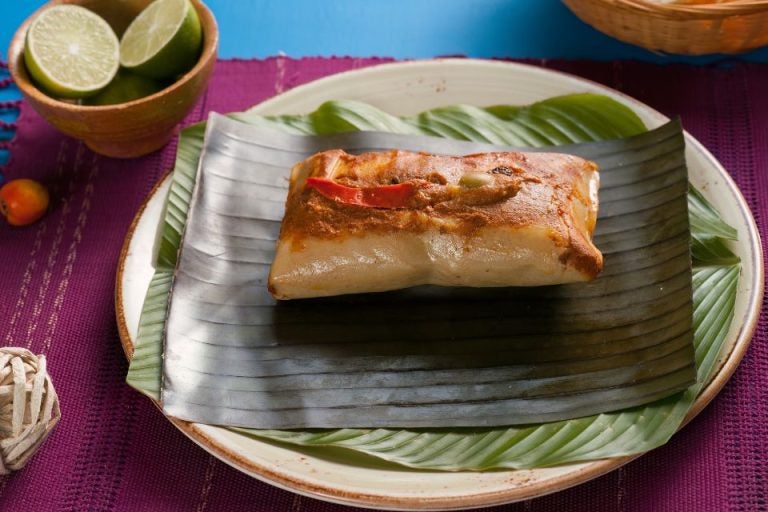
- Nacatamales: Often considered the ultimate Honduran Christmas food, nacatamales are large corn-dough tamales stuffed with pork or chicken, rice, potatoes, peas, olives, and spices, all carefully wrapped in banana leaves and boiled for hours. Families often make them in massive batches to share with neighbors and relatives throughout December.
- Roast Pork (Cerdo Asado): Juicy, slow-roasted or baked pork seasoned with local citrus and garlic is a staple centerpiece for the Nochebuena dinner table.
- Torrejas: A Honduran version of French toast, but made with special bread soaked in milk or eggs, fried, and drenched in a sweet spiced honey or syrup.
- Rosquillas en Miel: Hard corn rings/donuts soaked in a sweet honey syrup. It’s a traditional Honduran dessert.
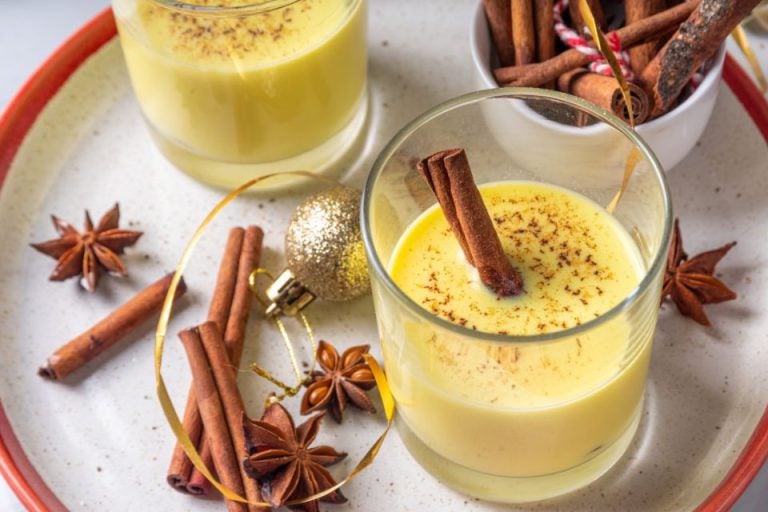
- Rompopo: Honduras’ rich, spiced version of eggnog, sometimes enjoyed with a splash of rum.
Enjoying Christmas music and fireworks
Music, dancing, and fireworks bring immense energy and excitement to Honduran holiday gatherings, though the experience varies by community.
- Music and dancing: Homes and neighborhoods fill with festive sounds, blending traditional Christmas carols with upbeat Latin rhythms like cumbia and salsa to set the mood for family dancing and late-night celebrations.
- Fireworks: In many areas, the stroke of midnight is marked by vibrant fireworks lighting up the sky. However, because rules differ by community, fireworks may be strictly regulated or restricted in certain urban neighborhoods due to safety concerns.
Note: For those who prefer a calmer atmosphere and are not keen on fireworks and loud music, Finnish Christmas traditions might be a better fit.
Exchanging Christmas gifts
Gift-giving is a joyful part of the Honduran holiday season, though customs and timelines vary widely by family:
- When presents are opened: While many families exchange gifts right at midnight on Nochebuena (December 24), others wait until Christmas morning (December 25), particularly in households with young children.
- Who brings the gifts: Rooted in religious tradition, many children are taught that gifts are brought by El Niño Dios (the Baby Jesus), though contemporary global influences mean Santa Claus is also widely recognized.
- Focus and practicality: Children are the primary focus for gift-giving. Among adults, gifts are often modest or symbolic, as families place the highest value on shared meals, togetherness, and spiritual celebration rather than material exchange.
Celebrating New Year’s Eve and Three Kings’ Day
The Honduran holiday season extends well beyond Christmas Day, continuing into the New Year and early January:
- New Year’s Eve (Año Nuevo): Celebrated on December 31 with family feasts, music, and midnight fireworks. Some households also practice symbolic customs for good luck—like eating twelve grapes or burning a paper-stuffed Año Viejo (Old Year) effigy at midnight.
- Three Kings’ Day (Día de los Reyes Magos): Observed on January 6 to mark the end of the traditional Christmas cycle. While rooted in Catholic tradition (commemorating the Magi), celebration styles vary: some church-going families mark the day with small gatherings or treats left in children’s shoes, while many modern households let the date pass quietly as regular routines resume.
How can travelers experience Christmas traditions in Honduras?
Travelers visiting Honduras in December and early January can immerse themselves in the country’s festive culture through several distinct ways:
- Savoring holiday cuisine: Sample seasonal flavors like nacatamales and rompopo at local markets, traditional restaurants, and street stalls.
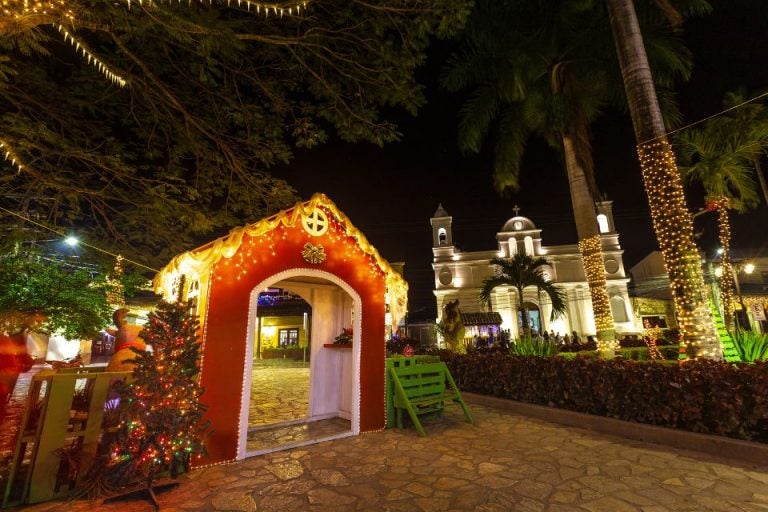
- Admiring public displays: Visit town squares, public parks, and municipal centers in cities like Comayagua or Tegucigalpa to see festive lights and elaborate public nativity scenes (nacimientos).
- Joining community and religious events: Attend open church services, such as Midnight Mass (Misa de Gallo), or watch for local holiday concerts and outdoor nativity plays.
Planning tip: Because event schedules and parish service times vary widely by location and are often organized at the neighborhood level, always check with local tourism staff or church bulletins upon arrival.
Stay connected while experiencing Christmas in Honduras
Mobile data can make or break your Christmas holiday in Honduras. Make sure you’ve got complete peace of mind during your stay with Holafly eSIM for Honduras. Every Holafly travel eSIM comes with:
- Unlimited data
- 24/7 customer support
- Always On 1 GB monthly data backup
- Reusable eSIM — install once, use every time you need data
Planning a longer stay or travel frequently? Check out Holafly Plans for global monthly data or Holafly Ultra for a reliable travel solution that’s always there for you with digital and real-life protection.

24/7 support, no matter what
When you're traveling, every question can be an urgent one. That's why we work around the clock.
Plans that may interest you


Formerly a travel journalist turned marketing copywriter, I found my way back to the travel world with Holafly—my dream company that made remote work possible. My motto? “Dream big and make it happen.” I’m passionate about writing, exploring the world, and staying active through walking, running, swimming, and hiking. I also love learning, reflecting, and connecting with inspiring minds.