Language
Getting married in Spain: A legal & planning guide
Yes, foreigners can get married in Spain. The options available depend on your residency status. This guide covers legal requirements, ceremony types, costs, and venues.

Spain is one of Europe’s most popular wedding destinations — and it’s easy to see why. Mediterranean sunshine, dramatic coastal scenery, and a culture that genuinely knows how to celebrate make it a natural choice for couples wanting something special.
Whether you’re dreaming of a clifftop ceremony in Mallorca, a vineyard wedding in the Penedès, or a grand hacienda in Seville, there’s a setting for every style.
This guide covers everything you need to know about getting married in Spain as a foreigner — from legal requirements and documents to ceremony types, costs, and venues. If you’re planning from abroad, a Holafly eSIM for Spain keeps you connected as you coordinate the details.

Count memories, not data
Never lose connection with unlimited data eSIMs from Holafly.
Can foreigners legally marry in Spain?
Yes — foreigners can get legally married in Spain, and two foreign nationals can marry each other in Spain even if neither is a Spanish citizen. However, the type of legally binding ceremony available to you depends on your residency status.
For a civil marriage, at least one partner must be a Spanish citizen or must have held legal residency in Spain for a minimum of two consecutive years. Without this, foreign couples are unlikely to be approved for a civil ceremony at a Spanish registry office.
For a Catholic ceremony, the residency requirement does not apply in the same way — but both partners must be baptised Catholics, and the process involves permissions from both your home parish and the local Spanish diocese.
The most popular option for non-residents is a symbolic or humanist ceremony. It’s not legally binding in Spain, but it gives you full freedom over venue, style, and timing. Most couples register legally at home first, then hold the ceremony in Spain — removing the residency barrier entirely.
Will your Spanish marriage be recognised in your home country?
A legally registered civil or Catholic wedding in Spain is recognised in most countries, including the UK, as long as your marriage certificate is properly translated and apostilled.
Always confirm the recognition process with your home country’s authorities before finalising your plans. For UK-specific guidance, the UK government’s getting married in Spain page outlines the official requirements.
Legal requirements and documents for marriage in Spain
Before you can marry legally in Spain, there is a documentation process to work through. The exact requirements vary slightly by region and ceremony type, but the general process follows these steps.
The process of getting married in Spain
- Contact the local civil registry (Registro Civil) or town hall (Ayuntamiento) where your wedding will take place. Confirm the specific requirements for your region, as these can vary — in Barcelona, for example, applications sometimes go through the central civil registry.
- Gather your documents. The standard list for most foreigners includes: valid passports, original birth certificates, proof of civil status (single, divorced, or widowed), and a Certificate of No Impediment (CNI) and/or Marital Status Certificate (MSC).
- Have all non-Spanish documents translated by a sworn translator (traductor jurado) and obtain an Apostille stamp to legalise them for use in Spain.
- Apply for your CNI and/or MSC. As of 3 February 2025, all UK applications must be submitted online — paper applications are no longer accepted. Use the official online portal and complete the required forms, which may include an MSC affirmation, CNI affirmation, and notice of marriage.
- Have completed forms notarised by a notary in Spain. Each form must be notarised individually.
- Submit your application to the civil registry and wait for approval. Timelines vary by region — allow a minimum of four to six weeks and ideally start the process several months before your intended wedding date.
What documents do you need to get married in Spain?
To summarise, the documents typically required for a legal marriage in Spain are:
- Valid passports
- Original birth certificates (with Apostille if issued outside Spain)
- Proof of civil status — single status certificate, divorce decree, or death certificate where applicable
- Certificate of No Impediment (CNI)
- Marital Status Certificate (MSC) — required in some regions
- Sworn translations of all non-Spanish documents
Always check with the specific civil registry where you plan to marry, as region-specific requirements can apply.
Short summary:

Contact the civil registry where you plan to marry to confirm the required documents. Then, apply for your Certificate of No Impediment (CNI) and/or Marital Status Certificate (MSC), complete the forms, and have them notarized locally.
Getting married in Spain from the UK
Can I get married in Spain as a UK citizen? Yes — but the path available to you depends on whether you or your partner hold legal Spanish residency.
Since Brexit, UK nationals are no longer EU citizens and are subject to the same residency requirements as other non-EU foreigners. For a legally binding civil ceremony, at least one partner must have been a legal resident in Spain for a minimum of two consecutive years. If neither of you meets this, a civil marriage at a Spanish registry office is unlikely to be approved.
Many UK couples work around this by registering legally at a UK register office and holding a symbolic ceremony in Spain for the celebration. This is the most practical route for non-residents, removing the need to navigate Spanish residency requirements entirely. You still get the setting, the venue, and the occasion — without the documentation complications.
If you qualify for a legal civil or Catholic ceremony in Spain, ensure your documents — including your Certificate of No Impediment (CNI) from a UK register office — are properly translated, apostilled, and submitted on time. For the latest requirements, refer to the UK government’s guidance on getting married in Spain.
Once married in Spain, your certificate should be recognised in the UK, but always confirm this with your local register office before travelling.
Note for Irish and other EU citizens: If you are an Irish citizen or hold EU residency, your documentation process may differ from UK nationals. Contact the Spanish consulate in your home country for country-specific requirements, as the steps for non-British foreigners can vary.
Costs and timelines
Wedding costs in Spain fall into two categories: legal administrative fees and wedding day expenses. For non-residents, it’s also worth considering whether registering at home and holding a symbolic ceremony in Spain is the more practical and cost-effective route.
How much does it cost to get married in Spain?
For a legally binding civil marriage in Spain, budget for the following administrative costs:
- Registry fees at the civil registry or town hall: typically €100–€300
- Document translations and apostilles: approximately €150–€400 depending on the number of documents
- Notarisation of forms in Spain: approximately €50–€150 per document
- Wedding planner coordination (if used): €1,500–€5,000 depending on the scope
- Venue costs: range widely from around €3,000 for a budget countryside venue to €30,000+ for a high-end resort
How long does it take to get married in Spain?
Timelines vary significantly by region. Where one partner holds legal residency, paperwork can clear in four to six weeks — but civil registry delays can push this to several months in other areas. If you have a specific date in mind, start the process six to twelve months in advance.
Is it cheaper to get married in the UK or Spain?
For many couples, getting married in Spain is comparable in cost or cheaper than a similar UK wedding. Spanish venues, particularly in Andalucía and the Canary Islands, often offer larger outdoor spaces, inclusive packages, and lower catering costs per head.
For couples considering the Canary Islands, the best time to visit the Canary Islands for a wedding is October to April — when the weather is at its most reliable and prices are lower than the peak winter sun season.
The main additional costs are guest travel and accommodation, which can add up for larger parties. If you choose the full Spanish civil route, legal administration fees apply — but couples who register at home first avoid these entirely, keeping the overall budget very manageable.
Types of wedding ceremonies in Spain
Spain accommodates several different approaches to getting married, from fully legal civil ceremonies to Catholic religious weddings and symbolic celebrations. The right choice depends on your residency status, your faith, and how you want to handle the legal side. Here is a breakdown of the main options.
Civil marriage in Spain
A civil wedding is a secular, legally binding ceremony performed by a government official, typically at a town hall (ayuntamiento) or civil registry office (registro civil). These ceremonies are usually short, straightforward, and free of religious elements. They are ideal for couples looking for a simple, legally valid Spanish wedding.
- To be eligible, at least one partner must be a Spanish citizen or legal resident. Without this, foreign couples will likely not be approved for a civil marriage.
- These ceremonies are recognised internationally, including in the UK, as long as you complete the required paperwork and legalize your marriage certificate.
- You’ll need documents such as:
- Valid passports
- Birth certificates
- Certificate of No Impediment (CNI)
- Proof of civil status
- Sometimes, a Marital Status Certificate (MSC)
Catholic wedding in Spain
A Catholic wedding in Spain is a religious ceremony and a legally recognized marriage if all requirements are met. Catholic weddings typically take place in beautiful historic churches and follow the structure of a traditional Catholic mass, with blessings, vows, and readings.
- To qualify, at least one partner must be a baptised Catholic. The church will request:
- Baptism and confirmation certificates
- Pre-marriage preparation (often called Pre-Cana)
- Permission from your home parish and bishop
- Approval from the local Spanish diocese
- After the ceremony, the couple must register the marriage with the local civil registry for it to be fully recognized by the state.
- Costs vary but are often by donation, with some churches suggesting €300 – €800, plus admin and translation fees.
Where to get married: Wedding venues in Spain
Spain offers an extraordinary range of wedding venues — from hilltop castles and vineyard estates to beachfront villas and historic convents. The regions below cover the most popular destinations for couples planning a wedding in Spain, from budget-friendly options to luxury properties.
To help you start planning a wedding in Spain, we’ve grouped top venues by region — with three suggestions each for budget, mid-range, and luxury tiers. Here’s your wedding travel guide through Spain.
Wedding ceremonies in Andalusia
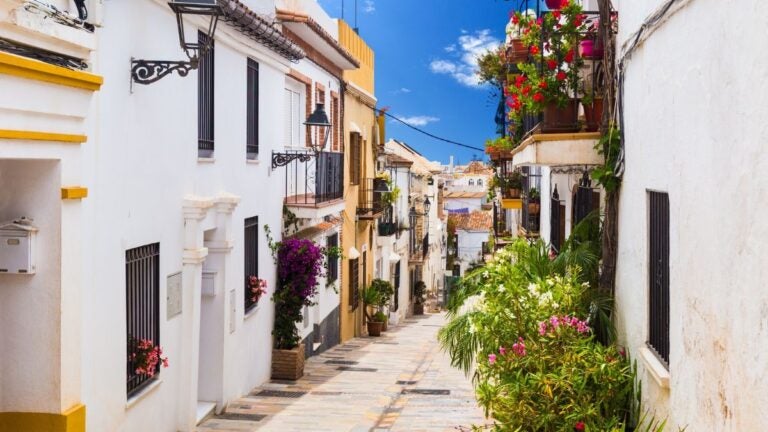
Passionate, colourful, and deeply traditional, Andalusia is one of the most romantic regions for a destination wedding in Spain. Its mix of Moorish architecture, whitewashed villages, and flamenco soul makes it a favourite for couples wanting an authentic atmosphere.
Couples who build extra time around their Seville wedding often ask how many days in Seville is enough — three to four gives you time for the Alcázar, the cathedral, and the flamenco bars of Triana alongside the celebration.
Note: The Costa Blanca around Alicante is another popular region for destination weddings, offering a lower price point than Marbella with similar Mediterranean scenery. Venue packages in the Alicante area typically start from €3,000 for countryside fincas.
Budget
- Cortijo de Enmedio (Granada): An Andalusian farmhouse with views of the Sierra Nevada. Great for rustic wedding ceremonies. From €2,500.
- Molino del Duque (Málaga): A converted 18th-century mill with private gardens and fountains. Venue hire from €3,200.
- Hacienda La Esperanza (Córdoba): Ideal for intimate celebrations. Prices start at €3,000.

Mid-range
- Finca La Concepción (Marbella): Tropical gardens meet historic elegance. Popular among couples hiring a wedding planner. From €9,500.
- Hacienda Los Angeles (Seville): An elegant estate perfect for medium-sized religious ceremonies or symbolic weddings. Packages from €10,000.
- Cortijo Bravo (Málaga): A romantic boutique hotel with mountain views and outdoor terraces. From €8,000.
Luxury
- Castillo de Santa Catalina (Málaga): A 17th-century hilltop fortress with dramatic views. An iconic wedding venue. From €15,000.
- Hacienda de San Rafael (Seville): A high-end venue combining rustic charm and upscale service. From €20,000.
- Villa Padierna Palace (Marbella): A Tuscan-style palace ideal for grand wedding ceremonies. Packages from €25,000.
Wedding ceremonies in Catalonia
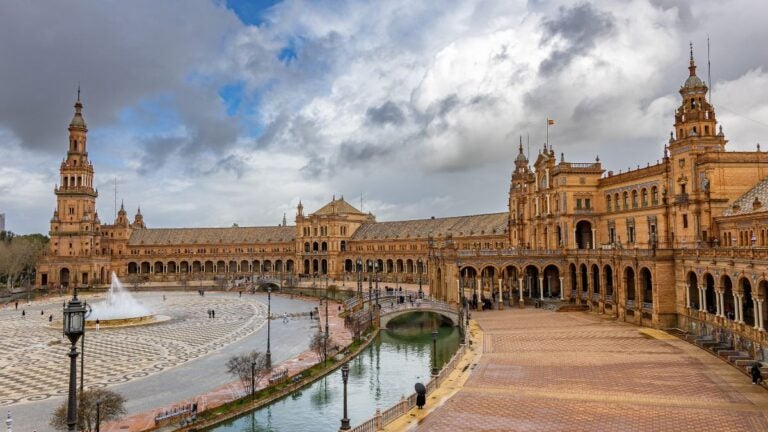
With cosmopolitan Barcelona and the coastal beauty of Costa Brava, Catalonia blends modern style with historic charm.
Couples combining a Barcelona wedding with a city break most commonly ask how many days in Barcelona is enough — three to four covers the Sagrada Família, the Gothic Quarter, and the beach without rushing.
Budget
- Casa Felix (Olivella): A laid-back venue perfect for symbolic or religious ceremonies. Prices start at €3,000.
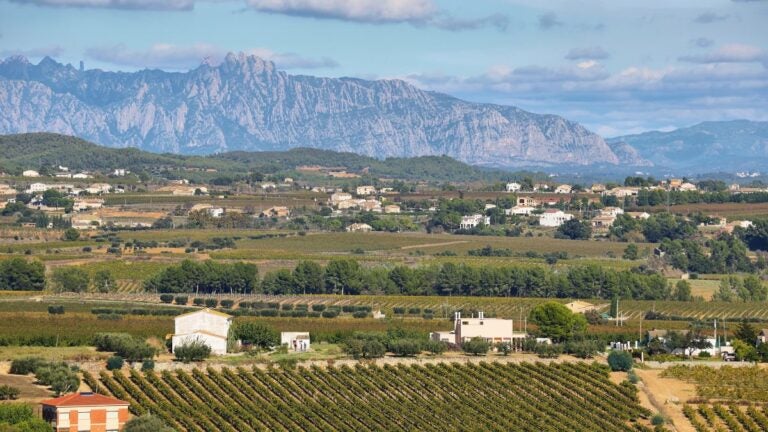
- Masia Cabellut (Penedès): VA vineyard setting in one of Spain’s most celebrated wine regions in Europe, ideal for nature lovers. Venue hire from €3,500.
- This Must Be The Place (Barcelona): Perfect for a party after a civil ceremony. Modern, casual, and creative. From €3,500.
Mid-range
- El Convent de Blanes (Costa Brava): A historic convent overlooking the sea. A unique setting for Catholic weddings or symbolic events. Packages from €10,000.
- Mas Torroella (Girona): A 14th-century estate perfect for elegant wedding ceremonies. From €12,000.
- La Baronia (Barcelona): A stately home surrounded by forest, with space for large gatherings. From €11,000.
Luxury
- Castell d’Empordà (Girona): A medieval castle, one of the most iconic wedding venues in Spain. From €9,500.
- Hotel Miramar (Barcelona): A 5-star hotel with views of the city and sea. Premium packages from €20,000.
Mas de Torrent (Costa Brava): A boutique spa hotel with impeccable service and scenery. From €22,000.

Wedding ceremonies in Madrid
For an elegant urban wedding ceremony or grand Catholic church affair, Spain’s capital delivers both style and convenience. Consider the seasons when choosing the best time to visit Madrid for your wedding.
Budget
- Finca La Montaña: A charming countryside escape just outside the city. Venue hire from €4,000.
- El Antiguo Convento de Boadilla: A historic convent with indoor and garden spaces. From €4,500.
- La Quinta de Illescas: Flexible venue known for great value and lush gardens. From €5,000.

Mid-range
- Palacete de la Ochava: Boutique hotel perfect for stylish indoor or garden wedding ceremonies. From €10,000.
- Finca El Chaparral: Surrounded by forest, ideal for private destination weddings. From €12,000.
- La Casa de Mónico: Classic elegance meets modern hospitality. From €11,000.

Luxury
- Casino de Madrid: One of Spain’s most exclusive venues, with regal interiors and fine dining. Packages from €20,000.
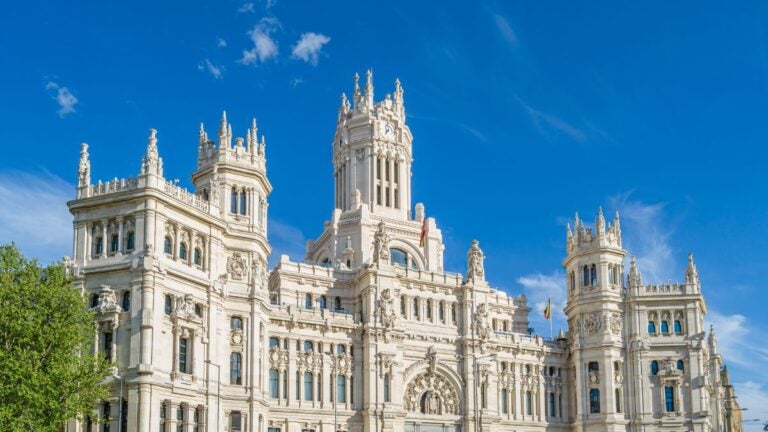
- Palacio de Cibeles: A stunning civic palace in the heart of Madrid, ideal for formal Catholic weddings or civil events. From €25,000.
- Villa Magna Hotel: High-end city venue known for luxury service and timeless decor. From €30,000.
Wedding ceremonies on the Balearic Islands
Ideal for couples craving Mediterranean views, seaside vows, and the laid-back elegance of Mallorca, Ibiza, or Menorca.
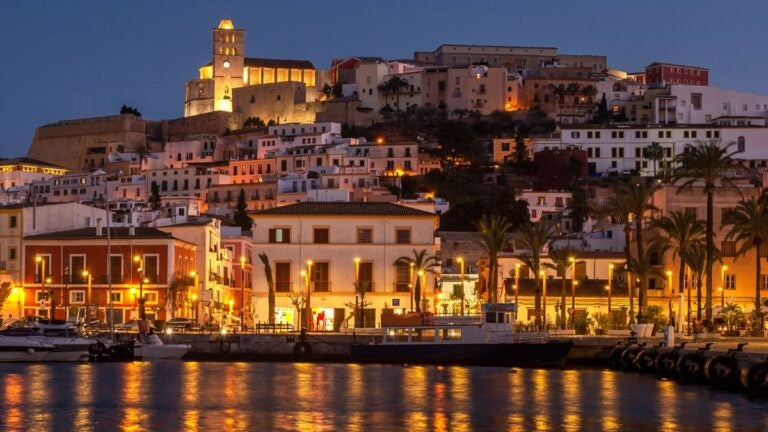
Ibiza in particular offers far more than its nightlife reputation suggests — couples and guests will find plenty of things to do in Ibiza across the island, from secluded coves and cliff-top restaurants to the cobbled streets of the old town.
Budget
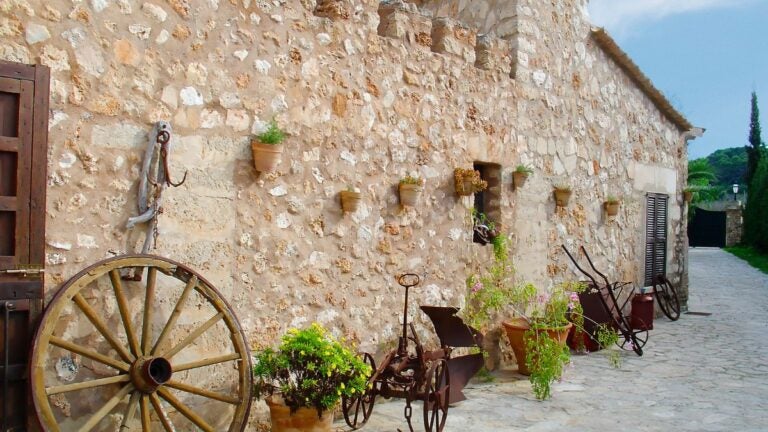
- Son Togores (Mallorca): A quiet finca with mountain views and citrus groves. From €4,000.
- Finca Son Bosch (Mallorca): Rustic countryside venue near the coast. From €4,500.
- Cas Mila (Ibiza): Clifftop restaurant ideal for symbolic wedding ceremonies. From €3,000.
Mid-range
- Son Marroig (Mallorca): Cliffside views and marble pavilions. A favorite for symbolic or religious ceremonies. From €7,000.
- Villa Alma (Ibiza): Stylish and modern, with space for guests and dancing. From €10,000.
- Finca Es Cabas (Mallorca): Rustic-chic venue with full-service options. From €9,000.

Luxury
- Cap Rocat (Mallorca): Former fortress turned 5-star hotel. Ultimate privacy and style. Packages from €25,000.
- Atzaró Agroturismo (Ibiza): A luxurious retreat blending nature and refinement. From €30,000.
Villa Las Cicadas (Ibiza): Exclusive villa with poolside ceremony spaces and elegant gardens. From €28,000.
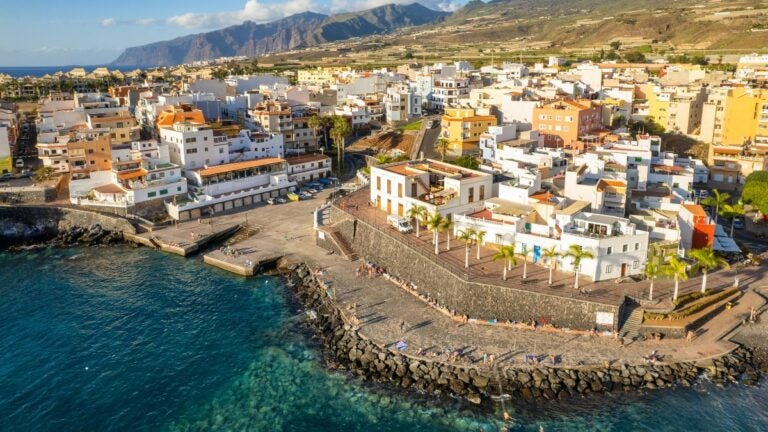
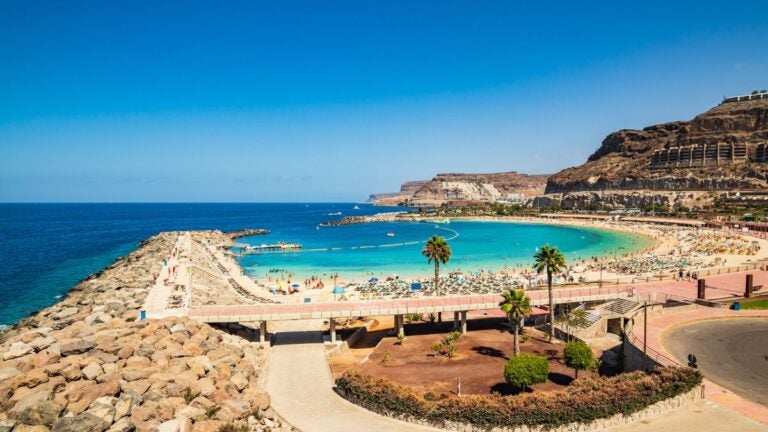
Wedding ceremonies in the Canary Islands
Tenerife, Gran Canaria, and Lanzarote are sun-drenched all year round, with volcanic beauty and exotic charm. They are perfect for a tropical-feeling destination wedding without leaving Europe.
There is also no shortage of things to do in the Canary Islands beyond the ceremony itself — volcanic landscapes, whale watching, black sand beaches, and historic towns across all three islands.
Budget
- Finca Salamanca (Tenerife): Traditional Canarian estate with vibrant gardens. From €3,500.
- La Vicaría (Gran Canaria): Small, colorful venue ideal for symbolic or religious ceremonies. From €3,000.
- Finca Las Margaritas (Tenerife): Affordable venue near the coast, great for smaller events. From €3,200.
Mid-range
- Hacienda de Abajo (La Palma): Historic sugar estate turned boutique hotel, full of character. From €12,000.
- Finca El Escobonal (Tenerife): Cliffside venue with unique volcanic views. From €10,000.
- Hotel Cordial Roca Negra (Gran Canaria): Chic and coastal, great for modern wedding ceremonies. From €9,000.

Luxury
- The Ritz-Carlton, Abama (Tenerife): Ocean views, five-star service, and space for a full weekend celebration. From €30,000.
- Salobre Hotel Resort & Serenity (Gran Canaria): Upscale golf and spa resort with panoramic ceremony spots. From €28,000.
- Lanzarote Retreats: High-end eco-luxury venues on the island’s stunning volcanic terrain. From €25,000.
Hiring a destination wedding planner in Spain
If you’re not based in Spain, a destination wedding planner can make all the difference. They handle everything from securing your venue to managing local vendors, translators, and legal paperwork — particularly useful for Catholic weddings, where coordination with the Church and civil authorities is often required.
Many planners offer full-service packages that include:
- Venue sourcing (especially helpful when comparing wedding venues in Spain)
- Vendor coordination: catering, flowers, music, photography
- Styling and décor tailored to your wedding ceremony
- Guidance with legal documents and appointments for civil or religious ceremonies
- Translation services and on-site coordination
Many planners also offer all-inclusive wedding packages in Spain that bundle venue, catering, styling, and coordination into a single price — a useful option if you want a clear total cost upfront.
Working with a planner can save you time, stress, and costly mistakes — but it’s not for everyone. One downside is the additional cost, which can range from €1,500 to €5,000 depending on the scope.
Also, some couples prefer to have full creative control and enjoy planning a wedding in Spain themselves, especially if they’re familiar with the country or speak Spanish.
Planning checklist for your Spain wedding
Planning a destination wedding in Spain involves more moving parts than a local wedding. Use this checklist to make sure nothing gets missed.
Twelve to eighteen months before
- Decide on your ceremony type — legal civil, Catholic, or symbolic — and confirm eligibility based on your residency status
- Choose your region and begin researching venues
- Set a realistic budget covering both administrative costs and the wedding day itself
Nine to twelve months before
- Book your venue — popular Spanish venues fill up quickly, especially for spring and early summer dates
- Begin the documentation process for a legal ceremony: contact your local civil registry and the Spanish civil registry in your chosen region
- Engage a destination wedding planner in Spain if you are not fluent in Spanish or unfamiliar with local processes
Six to nine months before
- Apply for your Certificate of No Impediment (CNI) — UK applicants must use the official online portal
- Arrange translations and apostilles for all required documents
- Book accommodation for guests and arrange transport to and from the venue
Three to six months before
- Have completed forms notarised in Spain
- Finalise vendor bookings: catering, photography, flowers, music
- Confirm your marriage certificate legalisation process for recognition in your home country
One to three months before
- Share final guest numbers and logistics with your venue
- Confirm all bookings and timelines with your planner and vendors
- Arrange your Spain eSIM or data plan so you can stay connected on arrival without roaming charges
Stay connected in Spain with Holafly
Planning a wedding from abroad means a lot of messages, calls, and coordination happening across different time zones — and you need reliable data from the moment you land. An eSIM for Spain from Holafly lets you stay connected from the day you arrive, with no SIM swapping, no roaming fees, and no interruptions while you manage vendors, venues, and last-minute details.
Holafly offers travel eSIMs for 200+ destinations with unlimited data, 5G speeds, and 24/7 customer support included in every plan. If you are spending an extended period in Spain during the planning process or combining your wedding with a longer stay, Holafly Plans offers a pay-monthly eSIM covering 170+ destinations on a single eSIM — cancel anytime, no long-term commitment.
And with Holafly’s Always On 1 GB backup data included with every eSIM purchase, you have instant internet access for emergencies — whether that is navigating to a venue for the first time, coordinating with a notary in a different city, or keeping guests updated on the day.
Simply keep the Holafly eSIM installed on your device to stay connected throughout your time in Spain.

Avoid excessive roaming fees
Don't add data roaming charges to your wedding costs in Spain. Use local networks at local rates.
Plans that may interest you


With a background in English literature and a focus on storytelling, I’ve turned my interests in travel and technology into a career helping others stay connected abroad. Originally from Serbia, I work remotely with my husband, experiencing local cultures firsthand and bringing that perspective to my writing for Holafly. Fun fact: before focusing on content creation, I was a professional volleyball player.