





 Language
How much does a trip to Europe cost from Australia?
A trip to Europe from Australia can cost anywhere from AUD $5,000 to $11,000+ for a one-week trip. Know how to budget for your next European holiday.
Have you always dreamed of a European adventure, but aren’t quite sure how much it would cost from Australia? Europe is a bucket-list destination for many Australians, but the long-haul journey also makes it a huge financial commitment.
In this guide, we break down the big-ticket expenses involved in a trip to Europe from Australia, including flights, accommodation, food, transport, activities, and other travel costs, so you can estimate your expenses and build a realistic budget before finalizing your itinerary.

An eSIM you can rely on
Join over 10 million Holafly customers and get connected with our trusted, global services.
How much does a trip to Europe from Australia cost?
For a two-week solo trip, most Australians can expect to spend anywhere from AUD $5,000 to $11,500+, depending on their destination, travel style, and the time of year. Here’s a snapshot of what each budget tier can cover.
| Tier | Estimated total cost (AUD) | What’s covered |
|---|---|---|
| Budget | $5,000–$6,500 | Hostels, budget meals, public transport |
| Mid-range | $6,500–$9,000 | 3-star hotels, restaurants, trains |
| Comfortable | $9,500–$11,500+ | 4-star hotels, dining, premium experiences |
These estimates include return economy flights from Australia, accommodation, food, transport within Europe, sightseeing, and other common travel expenses, but exclude shopping and personal purchases.
Europe trip costs by region
Your choice of destination can have a bigger impact on your budget than almost any other expense. While flights from Australia may cost a similar amount regardless of where you land, accommodation, food, attractions, and transport can vary significantly across Europe.
| Region | Example destinations | Typical daily budget (AUD) | Cost level |
|---|---|---|---|
| Western Europe | France, UK, Netherlands | $250–$450+ | $$$$ |
| Northern Europe | Switzerland, Iceland, Norway, Denmark | $300–$500+ | $$$$ |
| Southern Europe | Spain, Portugal, Italy, Greece | $180–$350 | $$–$$$ |
| Central and Eastern Europe | Czech Republic, Hungary, Poland | $120–$250 | $–$$ |
Flight costs from Australia to Europe
Flights are usually the biggest upfront expense when planning a trip to Europe. Return economy fares vary depending on your departure city, destination, airline, travel season, and how far in advance you book.
| Travel season | Typical return airfare (AUD) |
|---|---|
| Off-peak (February–May, October–November) | $1,500–$2,200 |
| Peak (June–September, December–January) | $2,200–$3,500+ |
Most flights from Australia to Europe include one or two stopovers, commonly in cities such as Doha, Dubai, Singapore, Abu Dhabi, or Kuala Lumpur. Depending on your route, total travel time is typically 22 to 35 hours.
Your departure city can also affect the price. Major hubs such as Sydney, Melbourne, Brisbane, and Perth generally offer the widest choice of airlines and the most competitive fares. Booking several months in advance and remaining flexible with your travel dates can also help you find lower prices.
Travel tip! Check out the best time to visit Europe from Australia before you book your flights. If you’d rather travel by sea, explore the best cruises from Australia to Europe.
Accommodation costs in Europe
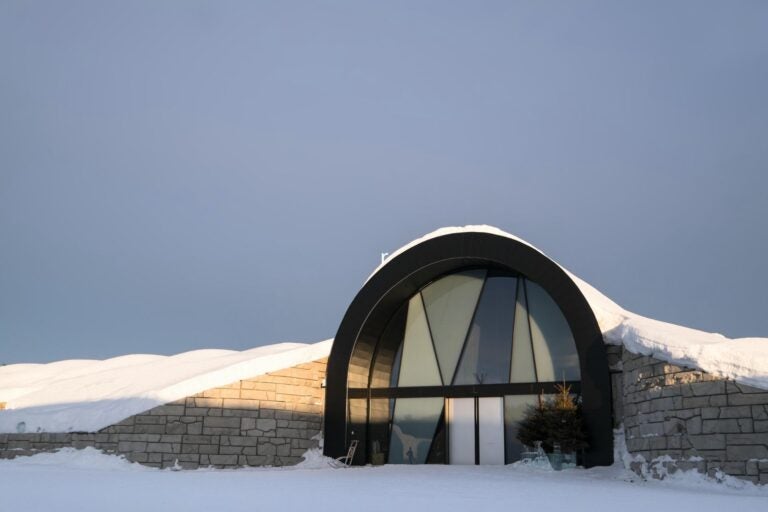
Accommodation is usually one of the biggest expenses after flights, but costs vary greatly depending on where you stay. In general, Western Europe is the most expensive, with cities such as London, Paris, and Amsterdam charging higher nightly rates.
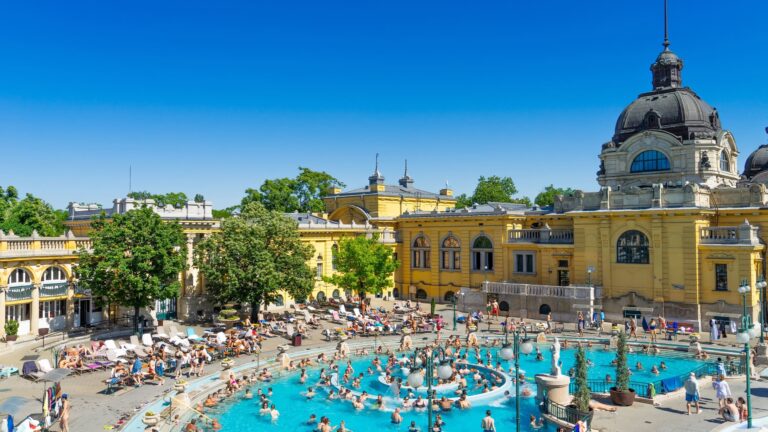
Meanwhile, destinations in Southern and Eastern Europe, including Rome, Prague, Budapest, Kraków, and Istanbul, often offer better value for money. As a general guide, here’s what Australians can expect to pay per night:
| Tier | Typical cost per night (AUD) | Accommodation type |
|---|---|---|
| Budget | $50–$150 | Hostel dorms, budget guesthouses, and basic 2-star hotels |
| Mid-range | $150–$300 | 3-star hotels and Airbnb apartments |
| Comfortable | $300–$500+ | Centrally located 4-star hotels |
Keep in mind that these are average price ranges. For example, AUD $200 may only cover a budget or mid-range stay in Paris or London, while the same budget could get you a comfortable hotel in cities such as Budapest, Prague, or Istanbul.
Booking several months in advance, travelling during the shoulder season, or staying just outside the city center can also help reduce accommodation costs.
Food and daily spending costs in Europe
Costs of food in Europe can vary as much as accommodation costs, but they are also among the easiest expenses to control.
You can keep your daily spending low by picking up breakfast from a bakery, buying groceries, or cooking some of your own meals, while dining at restaurants for every meal will increase your budget considerably.
| Budget tier | Typical daily spend (AUD) | What’s covered |
|---|---|---|
| Budget | $50–$90 | Simple meals, groceries, bakeries, and street food |
| Mid-range | $90–$180 | Three meals a day at cafes and casual restaurants |
| Comfortable | $180–$350+ | Restaurant dining, drinks, desserts, and occasional fine dining |
Keep in mind that food isn’t the only daily expense to budget for. Small purchases such as coffee, bottled water, snacks, public toilets, luggage storage, and the occasional tip can quickly add up.
As a general guide, set aside an extra AUD $20–$50 per day for these incidental expenses. While they may seem minor on their own, they can make a noticeable difference to your overall Europe travel budget.
Transport costs within Europe
Europe’s extensive transport network makes it easy to travel within cities and between countries. Options include high-speed trains, budget airlines, long-distance buses, and local public transport.
| Transport | Typical cost (AUD) | Best for |
|---|---|---|
| Budget flights | $40–$250 | Long-distance travel between countries |
| High-speed trains | $30–$250 | Major cities and multi-country itineraries |
| Long-distance buses | $15–$100 | Budget travel between nearby cities |
| Local public transport | $3–$15 per trip$10–$25 day pass | Getting around cities |
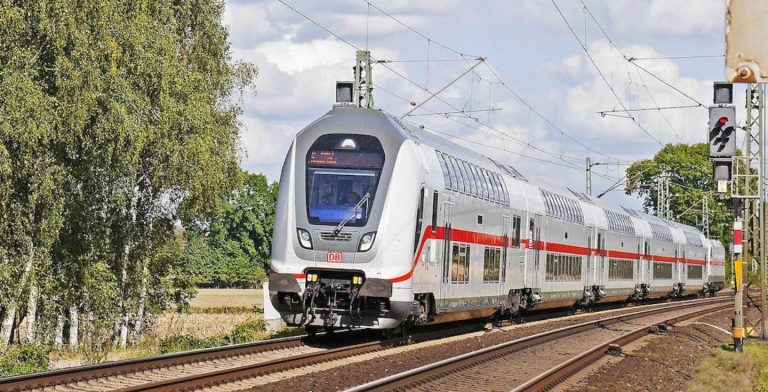
High-speed trains are one of the easiest ways to travel between major European cities because they arrive directly in city centers. If you’re planning to visit several countries, a Eurail Pass may be worth considering, although travellers with fixed itineraries can often save by booking directly with national rail operators.
For longer journeys, budget airlines such as Ryanair, easyJet, and Wizz Air can be a cheaper and faster option. Just remember that the advertised fare may not include checked baggage or airport transfers.
Once you arrive, getting around is straightforward thanks to Europe’s extensive metro, tram, and bus networks. Tickets can usually be purchased from ticket machines, official transport apps, or by tapping a contactless card. While card payments are widely accepted, always carry a small amount of cash for public toilets, luggage lockers, and smaller businesses.
Booking trains and flights several weeks or months in advance can also help lower your transport costs, particularly if you’re travelling during the busy summer season.
Attraction and experience costs in Europe
Europe has plenty of free attractions, including historic neighborhoods, churches, parks, and viewpoints. However, entry fees for popular landmarks, museums, guided tours, and day trips can quickly add up, so it’s best to set aside a separate budget for experiences.
| Experience | Typical cost (AUD) |
|---|---|
| Major museums | Free or up to $55 |
| Landmarks and monuments | $20–$80 |
| Guided walking tours | $20–$60 |
| Day tours and excursions | $100–$300+ |
| Food, wine, and cultural experiences | $80–$250+ |
Many museums and galleries also offer free or discounted entry on selected days. For example, the Louvre in Paris is free for all visitors on the first Friday of each month after 6 p.m., except in July and August. If you’re planning to visit several paid attractions in one city, check whether city passes offer discounted admission.
As a general guide, budget an additional AUD $30–$100 per day for sightseeing and activities. This helps prevent experience costs from unexpectedly increasing your overall Europe travel budget.
Travel tip! If you’re visiting during summer, check out some of the best music festivals in Europe and see if any fit your itinerary.
Other costs to factor in before you go
Flights, accommodation, and food make up most of your Europe travel budget, but there are a few smaller expenses that Australians often forget to plan for.
- ETIAS travel authorization: Australians will need an ETIAS to enter most Schengen countries once it launches. It costs €20 (around AUD $32–$40) and is valid for three years.
- Travel insurance for Europe: Budget AUD $150–$500+ for cover against medical emergencies, cancellations, lost luggage, and travel delays.
- Currency exchange and bank fees: Overseas transaction fees and ATM charges can add to your travel costs, so consider using a travel card or fee-free debit card.
- SIM card or eSIM: Stay connected across Europe with a local SIM or a regional eSIM. Holafly’s eSIM for Europe starts from around AUD $6 per day with unlimited data.
- City tourist taxes: Many European cities charge AUD $3–$15 per person, per night, usually paid directly to your accommodation.
Europe trip cost examples for Australians
Still wondering how much you’ll actually spend? Here’s a sample mid-range budget for a solo Australian travelling to Europe for two weeks and one month.
| Expense | 2-week trip (AUD) | 1-month trip (AUD) |
|---|---|---|
| Return flights | $2,000 | $2,000 |
| Accommodation | $2,900 | $6,000 |
| Food and daily expenses | $1,800 | $3,800 |
| Transport within Europe | $500 | $900 |
| Attractions & experiences | $1,000 | $2,000 |
| Travel insurance & other costs | $400 | $500 |
| Estimated total | $8,600 | $15,200 |
Budget travellers can expect to spend around 30% less, while comfortable travellers should budget around 50% more, depending on their itinerary and travel style.
How to save money on a Europe trip from Australia
Because Europe can be an expensive destination, finding ways to cut costs can help you get more out of your budget. Here are some things you can do:
- Travel during the shoulder season for lower airfares, cheaper accommodation, and fewer crowds.
- Book flights and trains early to lock in the best fares.
- Compare different arrival and departure cities to find cheaper flight options.
- Mix expensive and affordable destinations to balance your overall travel budget.
- Stay longer in fewer cities to reduce transport costs and hotel changes.
- Save on food by shopping at supermarkets, visiting local bakeries, or staying in accommodation with a kitchen.
- Take advantage of free attractions, including museums with free admission days, walking tours, parks, and historic neighborhoods.
- Pay in the local currency when using your card to avoid poor exchange rates.
- Plan with free travel apps for Europe to compare routes and spend less on getting around.
Stay connected in Europe with Holafly
Internet is one of the smaller line items in your Europe travel budget, but it’s worth getting right before you go. An eSIM for Europe lets you skip the airport SIM card queue and arrive with data already active — unlimited data, speeds up to 5G, and 24/7 customer support if anything comes up.
Holafly also includes Always On: 1 GB of monthly backup data with every eSIM. Keep your Holafly eSIM installed after your trip and that 1 GB refreshes automatically — useful if your flight home gets delayed and you need maps or messaging to sort out a rebooking, all at no extra cost.
Get an unlimited data eSIM
Use code MYESIMNOW5 for 5% off at checkout
FAQs about how much a trip to Europe costs from Australia
Most European destinations are visa-free for Australian passport holdersfor short tourist stays. However, Australians will need an ETIAS travel authorization to enter most Schengen countries once the system launches.
If you’re visiting the UK, you’ll need a separate Electronic Travel Authorisation (ETA).
Bulgaria is one of the cheapest countries to visit in Europe, with travel costs in Bulgaria generally lower than in most Western and Northern European destinations. Romania and Poland are also cheap places to travel from Australia.
A three-month trip to Europe typically costs AUD $20,000–$35,000+, depending on your travel style, budget tier, and itinerary.
Plans that may interest you


哈囉我是來自台灣的 Wen,平常最喜歡旅遊,也喜歡將旅遊的種種化成文字跟大家分享,希望大家能在我的文章中找到有用的資訊,加上 Holafly 的 eSIM,讓你的旅程更美好!✈️✈️✈️ Hi! I'm Wen, a passionate content writer and travel enthusiast from Taiwan. I transform my wanderlust adventures into engaging stories and practical guides, helping fellow travelers make the most of their journeys.Through my articles, I strive to provide travel tips while introducing how our eSIM technology can enhance your travel experience - keeping you connected wherever your adventures take you!

