Language

Ireland Christmas traditions: Food, customs, and celebrations
Discover Irish Christmas traditions, from lighting window candles and St. Stephen's Day to festive foods, Nollaig na mBan, and holiday travel tips.

Christmas in Ireland is a warm, community-centered season rich with Gaelic history, religious heritage, and modern festive charm. Celebrations stretch from early December through to January 6th.
This guide explains everything about Irish Christmas traditions. It will cover distinctive customs such as lighting a candle in the window, Wren Day, and Nollaig na mBan (Women’s Christmas).
Travelers who want to enjoy Christmas in Ireland can stay connected with Holafly eSIM, offering unlimited data, 5G speeds, and 24/7 customer support.

Connect to the fastest networks
International eSIMs, local networks. Enjoy the best of both worlds with Holafly.
TL;DR: What are Irish Christmas traditions?
While Northern Ireland (part of the UK) and the Republic of Ireland have some differences in how they celebrate Christmas, they share many overlapping cultural customs. Here are the unique Christmas traditions in Ireland.
- Candlelit windows: A tall red candle is lit in front windows on Christmas Eve as a historic symbol of welcome, shelter, and hospitality.
- Core festive celebrations: The season revolves around family gatherings, Christmas morning gift-giving, attending Midnight Mass, and catching up with loved ones.
- Wren Day (Dec 26): Celebrated as St. Stephen’s Day in the South and Boxing Day in the North, December 26 is known for the “Wren Boys” tradition. In many regions, people dress in traditional straw suits or costumes to play music and raise money for charity.
- Nollaig na mBan (Jan 6): Known as “Women’s Christmas,” this final day of Christmas traditionally sees men taking over household duties so women can gather and celebrate together.
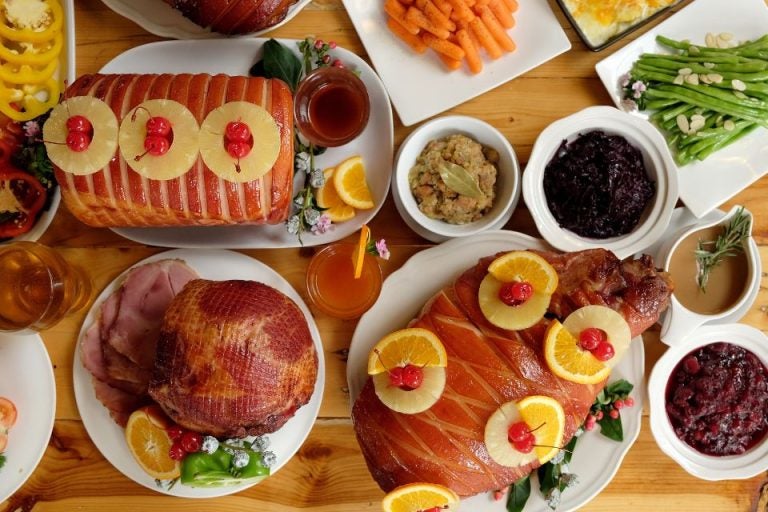
- Traditional foods: The holiday feast features roast turkey, glazed ham, spiced beef, stuffing, roast potatoes, and classic desserts like Christmas pudding.
What is Christmas called in Irish?
In Irish, Christmas is called Nollaig. To wish a “Merry Christmas” to one person, you can say “Nollaig Shona Duit”. To address more people, you can say “Nollaig Shona Daoibh”.
When is Christmas celebrated in Ireland?
In Ireland, the main Christmas celebrations span from Christmas Eve through early January, marked by these key dates:
- December 8th (The Kickoff): Traditionally the Feast of the Immaculate Conception, this date was historically the big shopping day when rural families traveled to Dublin, Cork, or Galway to buy holiday gifts. Today, it remains the unofficial date many Irish families put up their Christmas tree and decorations.
- December 24 (Christmas Eve): Marked by family gatherings, catching up with friends, and traditional religious observances like Midnight Mass.
- December 25 (Christmas Day): The central day of celebration, traditionally spent at home with family, opening gifts, and enjoying a festive roast dinner.
- December 26 (St. Stephen’s Day): A public holiday associated in many communities with “Wren Day” traditions, parades, and sporting events.
- January 6 (Nollaig na mBan/Women’s Christmas): A traditional observance marking the official end of the Christmas season. On this day, women gather to celebrate while men handle household duties.
While these dates define the holiday calendar, celebrations and participation vary across families and regions in Ireland.
8 Irish Christmas traditions
Like Danish Christmas traditions, Irish people also celebrate Christmas across 12 days, ending on January 6th. While they share common traditions like family gatherings and gift-giving, the Irish have special traditions rooted in their culture and religion.
Lighting a candle in the window
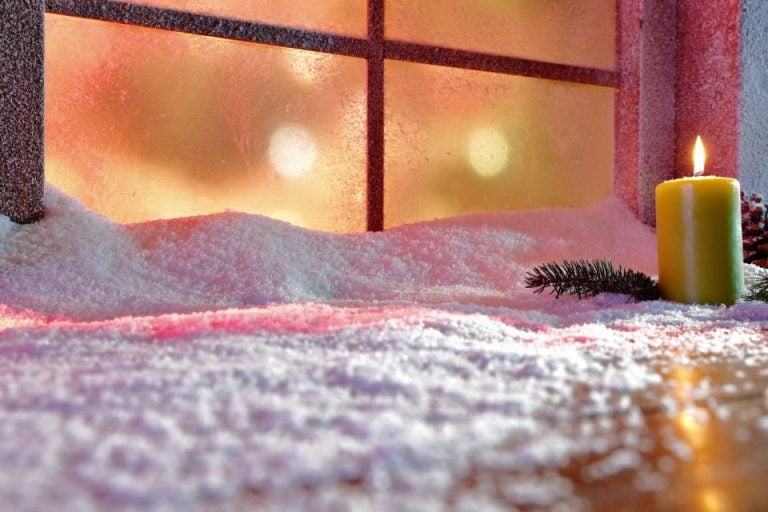
On Christmas Eve, placing a lighted candle in a front window is one of Ireland’s most cherished holiday traditions.
- When: December 24th (Christmas Eve).
- How it is celebrated: Families place a single tall candle, traditionally red, in a prominent front-facing window. Nowadays, many households use electric, battery-operated, or candle-arch lights in place of open wax flames.
- Origin: Historically rooted in both religious faith and Irish hospitality, the candle symbolized an invitation to Mary and Joseph and a welcome for strangers. During periods of religious oppression in Ireland’s history, it told priests that homes were safe for Mass.
Celebrating Christmas Eve with family
Historically known as Oíche Nollaig (Christmas Night), Christmas Eve marks the quiet shift from the busy holiday rush to family togetherness and religious reflection. As in many other countries around the world, this day is dedicated to family gatherings and enjoying special festive meals, much like Guatemalan Christmas traditions.
How the Irish celebrate Christmas Eve:
- Family gatherings and meals: Relatives gather at home to enjoy a cozy evening meal, catch up, and welcome family members returning from abroad.
- Preparations and gifts: Children leave out a treat for Santa, traditionally a mince pie, a carrot for Rudolph, and often a glass of milk or a bottle of Guinness. Small gifts or early Christmas boxes are sometimes exchanged, and stockings are hung by the fireplace.
- Pub reunions: Friends and neighbours often pop into their local pub early in the evening to exchange warm holiday wishes before closing up to spend the night at home.
Attending Christmas Mass and displaying nativity scenes
Because of Ireland’s deep Christian roots, the holiday primarily focuses on celebrating the birth of Jesus Christ, highlighting themes of peace, community, and kindness towards others. This tradition takes place throughout the festive season, peaking on Christmas Eve (Dec 24) and Christmas Day (Dec 25).
- Midnight Mass: Many families attend Midnight Mass on Christmas Eve. Although Midnight Mass traditionally took place at midnight, most churches now hold this special service earlier in the evening, typically between 6:00 PM and 9:00 PM. The service is filled with carols, candlelight, and a festive community atmosphere.
- The nativity scene: Known locally as “the Crib,” it is displayed prominently in churches, town squares, and homes across Ireland. A popular custom is leaving the baby Jesus figure out of the crib until Christmas morning.
- Coexistence with secular customs: Religious practices coexist naturally with secular celebrations. A typical Irish family might attend Mass, wear festive jumpers, have a roast dinner with crackers and gifts, and watch TV specials.
Enjoying a traditional Irish Christmas dinner
Historically, a grand Christmas dinner was the ultimate reward after months of preparation and winter fasting. Today, it remains an essential family gathering where multiple generations sit down together, pull Christmas crackers, wear paper crowns, and share stories.
The main foods prepared for Christmas are:
- Roast turkey and glazed ham: The iconic dynamic duo of the Irish table. Roast turkey is served alongside a sweet-and-savory glazed ham (often spiced or finished with honey, mustard, and cloves).
- Traditional stuffing: A delicious side made from soft breadcrumbs, butter, onions, fresh sage, and thyme. It is cooked either inside the bird or baked crisp in a separate dish.
- Crispy roast potatoes: Golden, crunchy on the outside, and fluffy on the inside. They are roasted in duck fat or goose fat for maximum flavor.
- Brussels sprouts: A classic seasonal vegetable, traditionally boiled or pan-sautéed with crispy bacon lardons and butter.
- Rich pan gravy: A deep, savory gravy made from the turkey drippings and simmered herbs, poured generously over the entire plate.
Celebrating St. Stephen’s Day and Wren Day
St. Stephen is celebrated as the first Christian martyr, but December 26th is also heavily tied to ancient Celtic folklore. Wren Day is an old tradition that mixes pagan midwinter customs with a local legend about a wren betraying Irish warriors to Vikings.
- Costumes and disguises: Groups of local musicians, dancers, and friends, known as the Wren Boys, dress up in eccentric, homemade costumes, often including straw hats or old rags, and paint their faces.
- Processions and music: Wren Boys carry a decorative pole topped with a fake bird. They parade through towns and rural villages playing traditional instruments, like tin whistles, bodhráns, and accordions.
- Singing and fundraising: They perform door-to-door, singing traditional Wren songs and dancing to entertain neighbors, while collecting donations for local charities and community causes.
Exchanging Christmas gifts and celebrating Santa Claus
For children in Ireland, Christmas morning brings the ultimate magic and excitement. Families gather to uncover what Santoor or Daidí na Nollag (Santa Claus) brought overnight.
- Christmas Eve treats for Santa: On Christmas Eve night, children carefully set out treats near the fireplace or under the tree. In Ireland, it’s a tradition to leave out a freshly baked mince pie, a glass of milk or a bottle of Guinness, and a carrot for Santa, Rudolph, and the reindeer.
- Opening gifts: Children wake up early to discover their stockings filled with small treats and wrapped presents under the tree. Families spend the morning opening gifts together, playing with new toys, and sipping hot drinks in cozy Christmas pajamas.
- Exchanging family presents: Relatives swap thoughtful gifts, festive hampers, and homemade treats before sitting down for Christmas dinner.
Celebrating Nollaig na mBan (Women’s Christmas)
Historically, January 6th was set aside as a day of rest for mothers and grandmothers, following weeks of cooking, cleaning, and the demanding work of the holiday season. Traditionally, men take over all household chores, including cooking and childcare, so the women can finally rest and enjoy themselves.
- Social gatherings and nights out: Today, Nollaig na mBan has evolved into a vibrant celebration of female friendship and solidarity. Women gather with sisters, mothers, daughters, and friends for lunch, afternoon tea, or drinks at local pubs and restaurants.
- Charity and community events: Many communities and organizations host events on this night to support local women’s causes.
- Taking down the decorations: January 6th also marks the official end of the 12 Days of Christmas across Ireland. It is considered bad luck to take down the Christmas tree and decorations before this date.
Enjoying Christmas decorations, music, and family traditions
Irish holiday decorating is deeply rooted in both Celtic folklore and Christian tradition. Long before modern Christmas trees, ancient Celts decorated their homes with evergreen plants like holly and ivy to celebrate the winter solstice, symbolizing life persisting through the dark winter months.
- Traditional evergreens and trees: Homes are decorated with holly and ivy, plus a Christmas tree with a star or angel.
- Twinkling lights and town windows: Main streets, shopfronts, and suburban houses glow with festive lights. In Dublin and other cities, iconic window displays draw families into town to marvel at the holiday sights.
- Christmas carols and music: Christmas carols and music fill the air, from traditional Irish tunes sung in churches to festive buskers on busy street corners. Christmas radio stations and TV specials also bring classic holiday tunes into every home.
- Modern and ancient blends: Contemporary celebrations seamlessly combine older customs, like hanging native greenery and lighting window candles, with modern activities. Families now enjoy traditions like visiting Christmas markets, watching holiday movies in cozy pajamas, and wearing whimsical Christmas jumpers.
How can travelers experience Christmas traditions in Ireland?
For visitors, experiencing Christmas in Ireland offers a uniquely warm atmosphere filled with festive markets, cozy pub sessions, and historic customs. How to experience it:
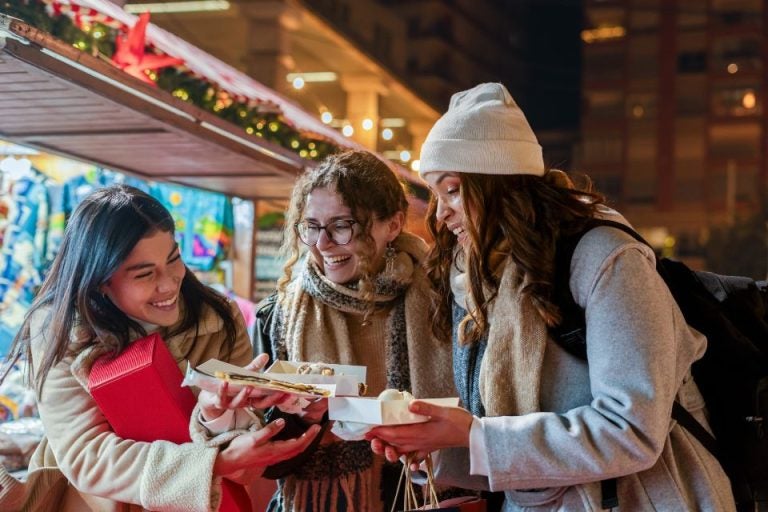
- Festive markets and seasonal food: Explore seasonal markets in cities like Galway, Belfast, Cork, and Dublin (such as Dublin Castle).
- Traditional music and cozy pubs: Step into a local pub for fireside trad sessions (traditional music). On Christmas Eve and throughout December, pubs buzz with live fiddles, tin whistles, and seasonal caroling.
- Church services and nativity displays: Visit historic churches or cathedrals for Christmas Eve Masses, candlelit caroling services, or to view the elaborate community nativity cribs.
- Local celebrations and sports: Attend St. Stephen’s Day horse racing events, like the famous Leopardstown Festival, or cheer on local charity swims along the coast on Christmas morning.
- Pack for cold weather: Ireland in December is cold, wet, and wintry, but relatively mild compared to continental Europe. Warm sweaters and a high-quality windproof/waterproof jacket are recommended. Check what to pack for Ireland.
Stay connected while experiencing Christmas in Ireland
Having reliable mobile data is essential for experiencing Christmas traditions in Ireland. Make sure you’ve got complete peace of mind during your stay with Holafly eSIM for Ireland. Every Holafly travel eSIM comes with:
- Unlimited data
- 24/7 customer support
- Always On: 1 GB of backup data every 30 days at no extra cost
- Reusable eSIM: Install once and reuse in supported destinations.
For longer stays or frequent travel, check out Holafly Plans for monthly data or Holafly Ultra for additional digital and travel benefits.

Unlimited data. Peace of mind.
Make sure you have travel data that's there when you need it most.
Plans that may interest you


Formerly a travel journalist turned marketing copywriter, I found my way back to the travel world with Holafly—my dream company that made remote work possible. My motto? “Dream big and make it happen.” I’m passionate about writing, exploring the world, and staying active through walking, running, swimming, and hiking. I also love learning, reflecting, and connecting with inspiring minds.