Language
Could you spot these 9 travel scams before they catch you off guard?
Don’t let a travel scam ruin your trip. Discover 9 sneaky tricks used against tourists and the simple habits that can keep you safe.

We’ve all heard about travelers getting scammed abroad, but we never think it will happen to us… until it does.
Many travel scams are so cunning that they can distract and catch out even the most confident travelers. However, once you know the setup behind each trick, it becomes obvious and much easier to sidestep.
That’s what this article is all about. Read on to learn the sneaky workings of the 9 most common travel scams around the world, and handy tips on how to protect yourself in the moment.
| Scam | Where you’ll run into it | Your quick defense |
|---|---|---|
| Broken meter or flat-rate taxi | Airports and tourist taxi ranks | Agree the fare first or use a ride app |
| Free bracelet, rose, or sprig | Landmarks and plazas | Keep hands in pockets, accept nothing |
| Rigged ATM or card skimmer | Standalone street ATMs | Use bank-lobby machines, cover the keypad |
| The distraction spill | Crowded stations and sights | Ignore the mess, guard your bag first |
| Fake police wallet check | Tourist zones near attractions | Ask for ID, offer to walk to a station |
| “It’s closed today” detour | Temples and markets in Asia | Verify hours yourself, decline the reroute |
| Fake public WiFi network | Cafes, airports, hotels | Confirm the real network, avoid logins |
| Short-change and bad exchange | Markets and exchange booths | Count change slowly, exchange at banks |
| Petition or clipboard swarm | Busy squares and monuments | Say no, walk on, hold your bag close |
1. The taxi with a broken meter
Taxi scams are common worldwide. But in particular, travelers encounter them while getting around Mexico, Turkey, Egypt, India, and Southeast Asia.
When you take a taxi from the airport or hail one on the street, the driver may claim the meter isn’t working. They then charge you an exorbitant fare upon arrival that you cannot say no to.
Other common taxi scams include quoting very high flat rates, or taking a long looping route to increase the time on the meter.
To ensure you always pay a fare rate, use only metered taxis or app-based rides like Grab or Uber, where the price is set before the journey begins. It’s also a good idea to research average journey costs in your destination.
2. The free gift that’s never free
When traveling around Europe, someone may approach you with a small object like a bracelet, rose, or herb sprig, and immediately press it into your hand.
Before you realize what’s going on, you’ve unknowingly accepted a gift that you will now be asked to pay for. When you try to give it back, the seller refuses to take it and instead aggressively insists you pay.
To avoid this, stay alert and keep your hands in your pockets. If someone tries to hand you something, ignore them and keep walking. If they manage to put something in your hand, drop it immediately and walk away.
3. Rigged ATMs and card skimmers
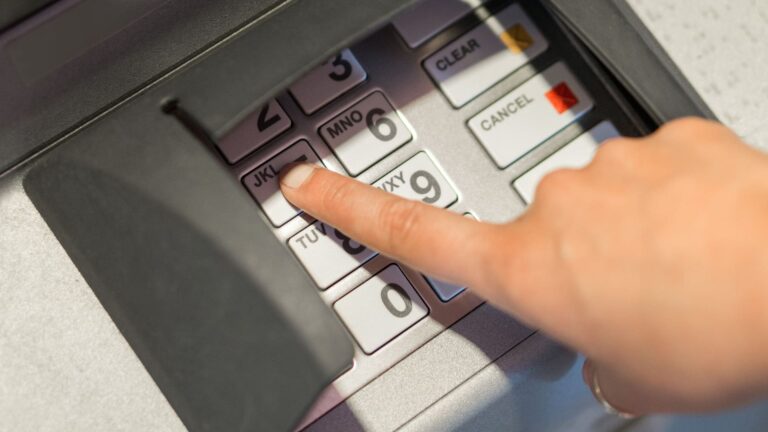
Criminals can put fake card readers, tiny hidden cameras, or false keypads on ATMs to steal your account data and PIN and gain access to your debit card. Because tourists tend to use the first cash machine they come across, they are particularly prone to this scam.
A similar scam involves a “helpful” stranger hovering nearby while you withdraw cash. This is common in train stations or near attractions, where a criminal disguises themselves as a local, offers to help you use the machine, and learns your PIN.
To avoid this:
- Use Google Maps to find ATMs inside banks, and use only these.
- Cover the keypad while entering your PIN.
- Check for loose card slots.
- Avoid using an ATM if someone is hanging around nearby.
4. The distraction spill
Another common scam in Europe is the distraction spill. Someone “accidentally” bumps into you and spills something on you, like sauce, ketchup, or coffee. This throws you off guard, and as they try to clean you up, their partner steals your phone or wallet from your bag.
If this happens:
- Immediately secure your bag by zipping it up and holding it close to your body.
- Ignore their attempts to help clean you up. Move away from the situation before dealing with the mess.
5. The fake police officer
Sometimes, scammers stop tourists pretending to be police officers. They ask to see your ID or check your wallet for counterfeit cash, intending to steal your passport or cash.
They can approach you on foot or pull up alongside you in a car. They may wear normal clothes or a uniform that looks untidy or unusual.
If this happens, ask to see their official ID to verify they are a real police officer.
Stay safe when traveling solo by offering to walk to the nearest hotel or train station where you can then seek help. It’s also a good idea to familiarize yourself with how the police in your destination dress, by looking up their uniform online.
6. The “it’s closed today” detour
If you’re visiting temples and markets in Thailand and other parts of Southeast Asia, be wary of anyone who approaches you and tells you the attraction you’re heading to is closed.
Scammers pose as friendly locals or tuk-tuk drivers. They ask where you are going, then tell you it’s closed today for a holiday or ceremony, but that they know an alternative place and they can take you there.
They then take you on a high-pressure shopping tour to fraudulent stores. At each place, they will pressure you to buy something, as the more you buy, the more commission they make.
Avoid this common scam by checking opening hours on Google Maps or the attraction’s official website. Decline the stranger’s reroute and continue walking to the entrance to confirm it yourself.
7. The fake public WiFi network
This canny scam catches out many unexpected travelers and digital nomads when they connect to public WiFi at an airport, train station, or even a cafe.
Scammers create lookalike twin hotspots with the same name as a legitimate public place, hoping you’ll join that network instead of the real one.
These WiFi honeypots often have a fake login portal that asks for your email, social media, or banking credentials, harvesting your confidential information.
Maintain internet safety while traveling by:
- Confirming the exact network name with staff.
- Avoiding banking or logins on open WiFi.
- Using your own mobile data connection where possible.
8. Short-changing and bad exchange booths
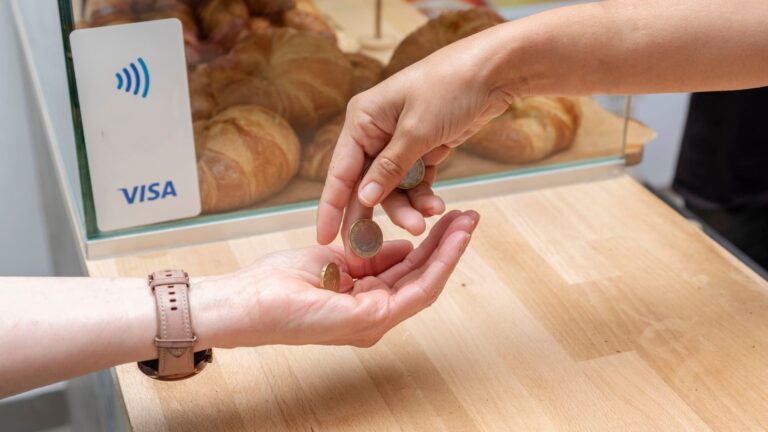
Another place you should exercise caution is at exchange booths. Some booths plainly offer terrible rates. Others advertise good rates but then sneakily add on commissions that drastically reduce your payout, which you don’t realize until you’ve handed the money over.
A similar tactic is where the cashier hands back the wrong change. For example, you might be changing euros into Turkish lira and the cashier starts counting and shuffling the bills rapidly so you can’t keep up.
The best way to protect yourself is to exchange at banks rather than booths.
If that’s not possible, check advertised exchange rates against the current rate online, and reconfirm your exact payout before handing over your money. Finally, carefully count your change before you leave the counter.
9. The petition or clipboard swarm
In many major European tourist areas, people with clipboards may block you and crowd around you, trying to get you to sign a petition for a charity. While you’re distracted, an accomplice swoops in and picks your pockets.
In this situation, it’s crucial to be firm. Clearly say “no” and keep walking, holding your bag close to your body. Don’t stop for a moment, as this lets them block your path.
Build your anti-scam habits before you leave
As you can see, scams may vary, but the habits that defuse these situations are often the same: keep walking, say no, and hold your belongings close. By making these habits automatic, you can significantly reduce the likelihood of falling prey to any travel scam.
Some other things you can do to stay safe while traveling are:
- Research the most common local scams for your destination, as scams vary by region.
- Keep cash and cards split across your bag and pockets.
- Set alerts on your bank app to be notified of all transactions.
- If your bank card is stolen, block it immediately through your bank’s app.
- Download the travel apps that operate in your destination, such as Uber or Grab.
Stay one step ahead with Holafly
Scams thrive on the moment you are offline and unsure, when you cannot check the real taxi fare, pull up an official ticket site, or message your bank. A Holafly eSIM keeps you connected for the whole trip: unlimited data, 5G speeds, and 24/7 customer support, so verifying a price or reporting a problem is always a tap away.
What’s more, every Holafly eSIM includes Always On, which gives you 1 GB of backup data at no additional cost. It activates automatically as long as the eSIM stays installed on your device, renews every month, and works across 150+ destinations. So even if your main data runs low at the worst possible moment, you can still open a map, confirm a fare, or call for help.
Traveling somewhere new every few weeks? Holafly Plans covers 160+ destinations on a single eSIM, so you stay protected wherever the road takes you.

Unlimited data. Peace of mind.
Make sure you have travel data that's there when you need it most.
Plans that may interest you


Hi, I'm Mika, a South Korean writer living in the US. I cover travel and live events, focusing on the practical stuff that makes your trip smoother, whether you're navigating a new city or heading to a major international event.I'm also the founder of Search SEOul, South Korea's leading SEO conference, bringing together search marketing experts and speakers from around the world.