Language
First time in New York? Here’s where to stay, and which neighborhoods to skip
Choosing where to stay in NYC can be overwhelming. From Midtown to Williamsburg, discover the 5 best New York neighborhoods for first-time visitors.

Planning your first New York trip is both exciting and overwhelming.
The city is huge, and instead of one main city center, multiple neighborhoods claim to be “central.” So choosing the wrong one can mean spending an hour on the subway every morning to reach the sights you came to see.
The good news is you don’t need to know the city inside out to pick the right base.
Read on for an honest breakdown of where to stay during your first trip to the Big Apple, and which neighborhoods to save for trip number two.
How to judge a New York neighborhood (before you book anything)
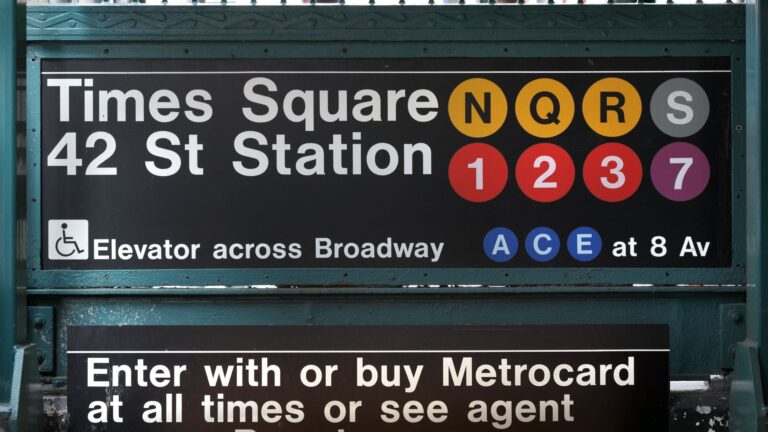
Most first-timers in New York want to be as central as possible. But in NYC, “central” matters less than “well-connected,” because the subway (the primary public transport in New York) makes it easy to reach most of Manhattan and Brooklyn fast.
So rather than choosing where it looks central on the map, prioritize subway proximity.
The second lever is choosing the area closest to the sights you want to visit. For example, staying in Midtown puts you right next to Times Square and the Empire State Building, and Fifth Avenue. That’s why it’s a popular choice for first-timers.
But you should also consider the vibe you want and your budget. Midtown might be in the heart of the action, but it’s also one of the busiest, loudest, and most expensive neighborhoods in New York City.
The best NYC neighborhoods for first-time visitors
Here are the 5 best neighborhoods to base yourself during your first trip to New York:
| Neighborhood | Best for | Good to know |
|---|---|---|
| Midtown | Sights-first first-timers | Central and busy, higher prices |
| Financial District | Value and ferry access | Quieter at night |
| Greenwich Village / SoHo | Walkability and dining | Charming but pricey |
| Upper West Side | Calmer pace, Central Park | Slightly removed from downtown buzz |
| Williamsburg (Brooklyn) | Trendy, budget-friendlier | One subway ride to Manhattan |
- Midtown: If you love being the center of the action and your budget allows, choose Midtown. Here you’re a stone’s throw from the shopping districts and key landmarks, allowing you to walk between the sights.
- Financial District: Lower Manhattan is significantly quieter than Midtown, especially at night, yet it’s just a short subway ride away. It’s also the city’s oldest neighborhood, making it a top choice for history buffs.
- Greenwich Village / SoHo: These artsy and trendy Manhattan neighborhoods are full of charm and character. They are great for restaurants, jazz clubs, and scenic city strolls, but they are among the most expensive areas in NYC.
- Upper West Side: If you prefer to stay somewhere quieter, the Upper West Side is for you. It’s very close to Central Park, so it has a nice blend of urban life and greenery, plus excellent subway access to the main sights.
- Williamsburg: For a more budget option, consider Williamsburg in Brooklyn. It’s just one subway ride away, and has an energetic, hipster vibe with some great nightlife and art galleries.
As most of the best things to do in New York are in Manhattan, it makes sense to stay there or somewhere close by with easy subway access.
The NYC neighborhoods to skip on your first trip
Beyond Manhattan, New York is full of distinctive neighborhoods, each with its own charm.
For example, Queens is a fab budget option and is known for having some of the best food in New York. However, depending on the neighborhood, it can take up to an hour to reach Manhattan by subway, eating into a lot of your sightseeing time.
That’s why places like Queens, Long Beach, and parts of Brooklyn are best saved for your second trip.
Or if you have more than a few days in New York, consider splitting your trip into two. Move to a district further out for the last couple of days, once you’ve already seen all the Manhattan sights.
Staying too far out isn’t the only thing you should be mindful of, though. Certain central Manhattan streets can be too loud and busy. For example, staying in Times Square may sound like a good idea, but the 24/7 crowds and noise can make your trip feel overwhelming and suffocating.
Similarly, avoid hotels directly on busy streets like Fifth Avenue, and choose one a couple of blocks away instead.
Matching a New York neighborhood to your travel style

Because each New York neighborhood is so unique, with its own set of pros and cons, a common strategy is to pick the one that most closely matches your travel style:
- Best for families: Upper West Side
- Best for couples: Financial District
- Best for solo travelers: Midtown
- Best for budget travelers: Williamsburg (Brooklyn)
- Best for nightlife: Greenwich Village or Williamsburg
- Best for foodies: SoHo or Greenwich Village
How to pick and book your New York base with confidence
There’s no single “perfect” area to stay in New York, so when choosing your base, go for the one that ticks all of these 3 boxes:
- Close to your must-see sights
- Well-connected to the subway
- Within your budget
When it comes to choosing a hotel, remember that a first trip to any city usually means more time spent out and about than in the hotel. So prioritize well-connected accommodation over fancy hotels.
If you’re staying in Manhattan, check reviews for nighttime noise levels before booking. And if staying outside Manhattan, check how long the walk to the nearest subway station is.
Once you’ve sorted your base, it’s time to map out your itinerary. A New York tourist card allows you to see all the must-see attractions while saving money and skipping long queues.
Stay connected across every New York neighborhood with Holafly
Your first trip to New York means a lot of looking things up on the move: which subway line gets you back to your hotel, whether that restaurant two blocks over is any good, and how to reroute when a station is closed. A Holafly eSIM for the USA keeps you online the moment you land, with unlimited data, 5G speeds, and 24/7 customer support, so you can navigate unfamiliar neighborhoods without hunting for Wi-Fi.
What’s more, every Holafly eSIM comes with Always On, 1 GB of backup data at no additional cost. It activates automatically as long as the eSIM stays installed on your device, renews every month, and works in 150+ destinations. So if your main data runs low while you’re figuring out which train gets you from Brooklyn back to Midtown, you stay connected and keep moving. Install it before you fly, and let your phone do the hard part while you enjoy the city.

Unlimited data. Peace of mind.
Make sure you have travel data that's there when you need it most.
Plans that may interest you


Hi, I'm Mika, a South Korean writer living in the US. I cover travel and live events, focusing on the practical stuff that makes your trip smoother, whether you're navigating a new city or heading to a major international event.I'm also the founder of Search SEOul, South Korea's leading SEO conference, bringing together search marketing experts and speakers from around the world.