




 Language
Things to do in Sweden: Cities, wilderness, northern lights, and more
Plan your Sweden trip with this complete guide to the best things to do: cities, wilderness, food, free adventures, and more.
Sweden delivers something for every type of traveler. Whether you’re wandering medieval streets in Stockholm, hiking the Arctic wilderness, or sitting down for a slow coffee in a local café, the best things to do in Sweden span every budget, season, and travel style.
The country balances free outdoor adventures with unforgettable paid experiences like sleeping in an Ice hotel or watching the northern lights reflect off a frozen lake. This guide covers the top things to do across Sweden, from the capital to Lapland.

An eSIM you can rely on
Join over 10 million Holafly customers and get connected with our trusted, global services.
Explore Sweden’s stunning capital, Stockholm
Stockholm is Sweden’s most visited city, and it earns that status. Built across 14 islands where Lake Mälaren meets the Baltic Sea, it combines a remarkably well-preserved medieval core with world-class museums, a vibrant food scene, and one of Europe’s most beautiful waterfront settings. Budget at least two to three days here — there’s more than enough to fill them.
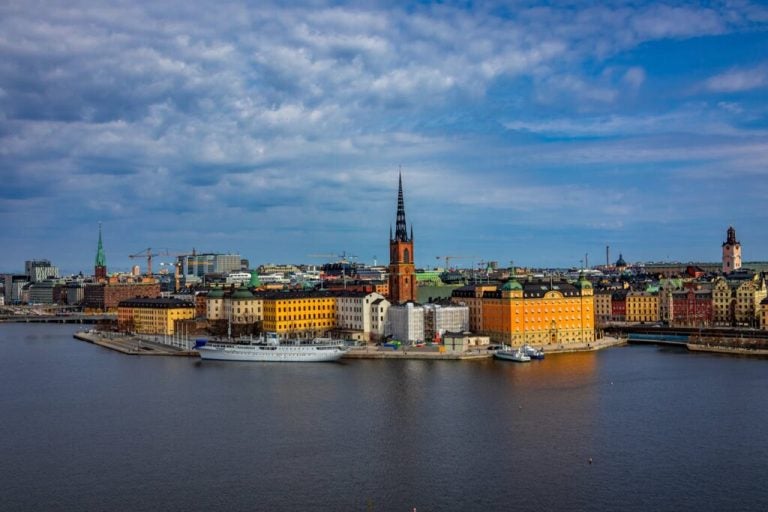
Wander Gamla Stan (Old Town)
Gamla Stan is Stockholm’s medieval heart, and one of the best-preserved old towns in Europe. Its narrow cobbled lanes, amber and ochre buildings, and hidden courtyards date back to the 13th century. The Royal Palace sits at the top of the island and is open to visitors year-round. The changing of the guard happens daily and is free to watch.
Stortorget, the main square, is worth a stop for its colorful merchant houses and the Nobel Museum on its edge. Entry to Gamla Stan itself is free; museum tickets typically run around 130–160 SEK.
Visit the Vasa Museum
The Vasa Museum is one of the most visited museums in Scandinavia, and for good reason. It houses the Vasa, a 17th-century warship that sank on its maiden voyage in 1628 and was raised almost entirely intact in 1961. The ship is extraordinary up close, and the museum does an excellent job of explaining both the vessel and the era.
Island hop in the Stockholm Archipelago
The Stockholm Archipelago stretches some 80 kilometers into the Baltic Sea and contains around 30,000 islands, islets, and rocks. Regular Waxholmsbolaget ferries connect the main islands from the city center, making day trips easy and affordable.
Vaxholm is one of the most popular, with a short ferry ride to a well-preserved wooden town and a 16th-century fortress. In summer, the archipelago is excellent for swimming, kayaking, and hiking coastal trails.
The world’s longest art gallery (Stockholm’s metro)
Stockholm’s tunnelbana (metro) system is genuinely worth riding for its art alone. More than 90 of its 100 stations feature permanent artworks, like murals, sculptures, mosaics, and installations created by Swedish and international artists since the 1950s.
T-Centralen, Solna Centrum, and Kungsträdgården are among the most striking stops. A standard metro ticket covers everything, no separate admission is required.
Beyond the Capital: Gothenburg and Malmö
Sweden’s second and third cities are well worth adding to any itinerary. Both offer a different pace and character to Stockholm, and each sits within easy reach of excellent day-trip destinations.
Gothenburg — Sweden’s laid-back second city
Gothenburg (Göteborg) sits on Sweden’s west coast and has a reputation for being friendlier and more relaxed than the capital. The city’s highlight for most visitors is Liseberg, Scandinavia’s largest amusement park, but the surrounding area offers far more.
The Haga district is one of the best-preserved 19th-century neighborhoods in Sweden, lined with independent cafés and craft shops, a great place to stop for fika. The Gothenburg Museum of Art holds one of the strongest collections of Nordic art in the country.
Malmo — where Scandinavia meets the world
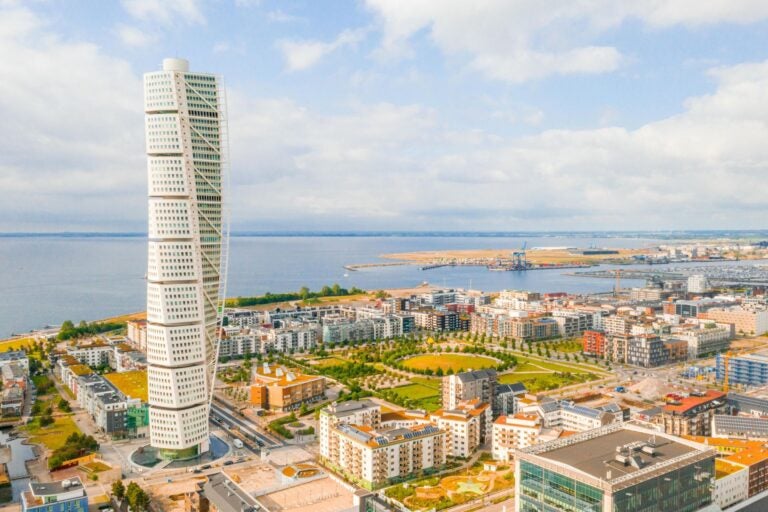
Malmö, in the southern region of Skåne, is one of Europe’s most multicultural cities and has undergone a significant transformation since the Øresund Bridge connected it to Copenhagen in 2000.
The Turning Torso tower is the most recognizable landmark on the skyline. Lilla Torg is the local gathering point, a small cobbled square lined with restaurants and bars that gets lively in summer. The Western Harbor (Västra Hamnen) is an impressive, regenerated waterfront district worth a walk.
Cool things to do in Sweden you won’t find anywhere else
Some of the most memorable things to do in Sweden are genuinely unique experiences you simply can’t replicate elsewhere. These are the highlights that earn Sweden a place on bucket lists worldwide.
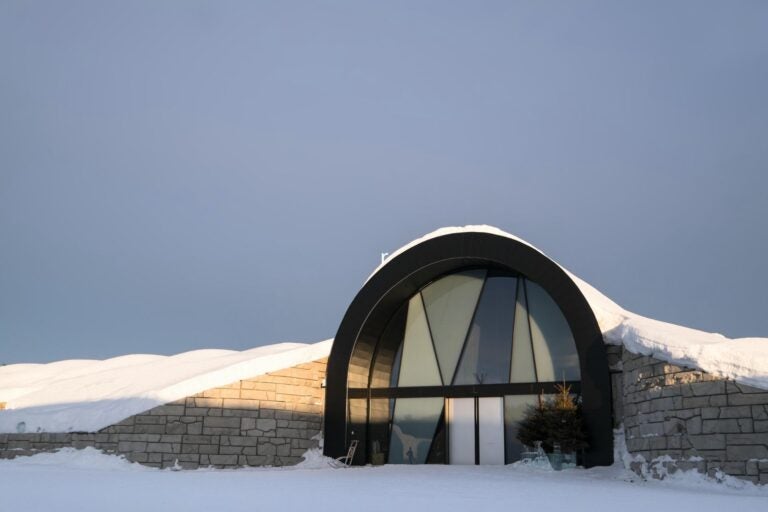
Stay at the Icehotel in Jukkasjärvi
The original Icehotel in Jukkasjärvi, about 200 km north of the Arctic Circle, is rebuilt every winter from ice and snow harvested from the Torne River. Rooms are sculpted by artists from around the world, and the temperature inside stays around -5°C year-round in the permanent section.
It’s open from December through April for the classic cold rooms, though the Icehotel 365 section operates year-round with refrigerated suites. Though it’s not cheap, expect to pay upwards of 4,000–8,000 SEK per night, depending on room type, it’s a one-of-a-kind experience.
Chase the northern lights in Abisko
Abisko, in Swedish Lapland, is widely considered one of the best places in the world to see the northern lights. Its location within a microclimate created by Lake Torneträsk means clearer skies than much of northern Scandinavia.
The Aurora Sky Station, accessible by chairlift from Abisko Tourist Station, puts you above the treeline for unobstructed views. The prime season runs from late September through March. Guided tours are available from the station, or you can self-guide along marked trails.
Celebrate Midsommar
Midsummer is Sweden’s most beloved annual tradition, held on the Friday between June 19 and 25. Villages and towns across the country raise a maypole, weave flower crowns, dance in circles, and eat pickled herring, new potatoes, and strawberries. It’s a genuinely communal celebration, and visitors are usually welcome to join in.
The most atmospheric celebrations happen in rural areas and on the islands, Dalarna province and the Stockholm archipelago are popular spots. For more on Swedish seasonal traditions, the midsummer festival Sweden guide covers everything you need to know before you go.
Fun outdoor adventures in Sweden
Sweden’s landscape, from Arctic tundra to Baltic coastline and dense inland forests, is one of its greatest assets. These are the fun outdoor things to do in Sweden that take full advantage of it.
Hike in Abisko or Sarek National Park
Sweden has some of the best long-distance hiking in Europe. The Kungsleden (King’s Trail) runs 440 km through Lapland, with the most popular northern section starting in Abisko. It’s accessible to fit hikers and well-marked, with mountain huts spaced roughly a day’s walk apart.
Sarek National Park, further south in Lapland, is more remote and challenging. There are no marked trails or huts, and it’s suited to experienced backcountry hikers only. Summer (late June to early September) is the main hiking season, though snow can persist at altitude.
Explore Gotland by bike
Gotland, Sweden’s largest island in the Baltic Sea, is an exceptional cycling destination. The island is flat, its roads are quiet, and it’s dense with medieval churches, raukar (ancient limestone formations), and sandy beaches.
Visby, the main town, is a UNESCO World Heritage site with one of the best-preserved medieval city walls in northern Europe. Bikes are easily rented from Visby, and routes of varying lengths connect most of the island’s highlights. Summer is peak season; ferries run from Nynäshamn and Oskarshamn on the mainland.
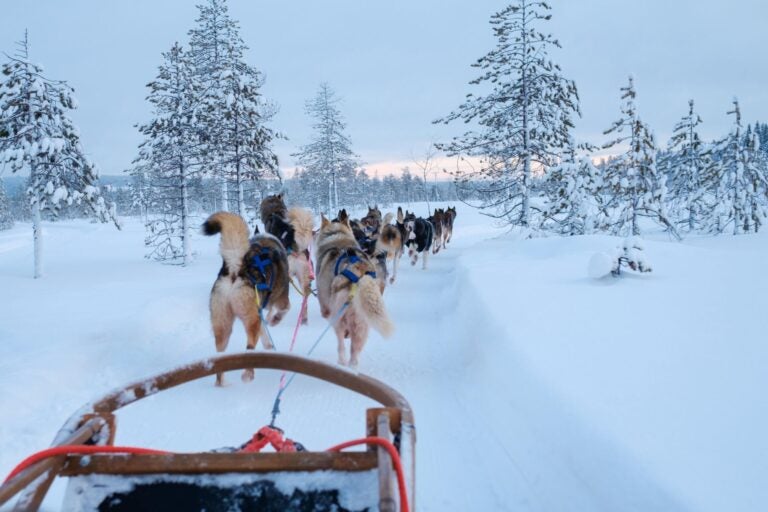
Dog sledding in Lapland
Dog sledding is one of the most popular winter activities in Swedish Lapland, and it’s genuinely thrilling. Most operators are based around Kiruna, Abisko, or the Icehotel area in Jukkasjärvi. Half-day and full-day tours are available, as well as multi-day expeditions into the wilderness, and many operators let you drive your own sled after a brief introduction.
If Lapland has you considering a longer stay, the living in Sweden guide is a good starting point for planning beyond a short trip.
Free things to do in Sweden
Sweden is one of the more expensive countries in Europe, knowing what’s free makes a real difference to your budget. Fortunately, there’s no shortage of cost-free experiences worth building your trip around. For a broader picture of what to budget, Holafly’s cost of living in Sweden guide has useful context.
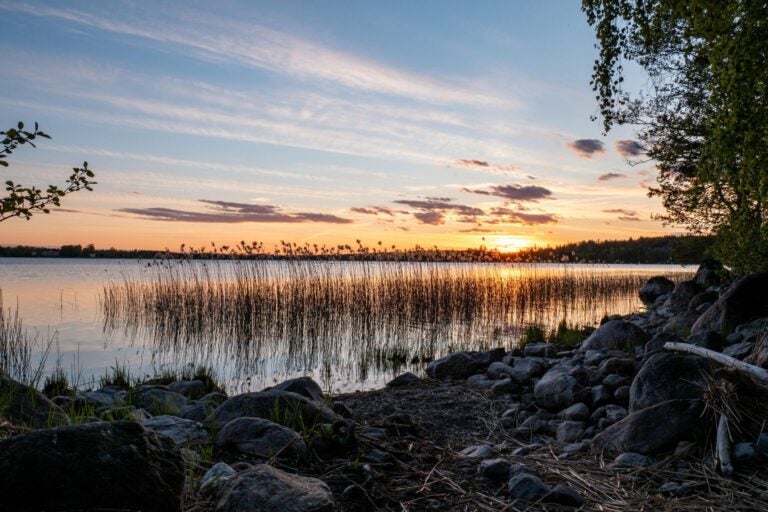
Take advantage of allemansrätten (Right of Public Access)
Allemansrätten, Sweden’s right of public access, is a legal right that allows anyone to walk, cycle, camp, and forage on most land in Sweden, including private property, as long as you follow a few basic rules (don’t disturb, don’t damage, don’t litter).
In practice, this means you can wild camp almost anywhere for free, swim in any lake or river, pick berries and mushrooms, and hike through forests and farmland without charge. It’s a genuinely remarkable freedom that sets Sweden apart from most countries in the world.
Visit free museums and public spaces
Several of Stockholm’s major museums are free to enter. Historiska Museet (the Swedish History Museum) has no admission charge and covers Swedish history from the Stone Age through to the Middle Ages, including an impressive Viking-era collection.
Moderna Museet, with its collection of 20th and 21st-century art, is also free for permanent exhibitions. Many regional museums across the country follow a similar model. Stockholm’s royal parks, such as Djurgården, Hagaparken, and Haga, are all free to walk and picnic in.
Swim at Sweden’s lakes and beaches
Sweden has over 95,000 lakes and a long Baltic coastline, and almost all are freely accessible thanks to allemansrätten. Swimming is a national pastime, locals swim well into September, and some swim year-round. Popular lake destinations include Siljan in Dalarna, Vättern (one of Europe’s largest lakes), and the lakes surrounding Stockholm.
Try Swedish food and fika culture
Food is a central part of any trip to Sweden, and the country’s culinary identity goes well beyond IKEA meatballs. From slow-brewed coffee rituals to fermented herrings and world-class tasting menus, eating your way through Sweden is one of the most rewarding things you can do.

What is fika?
Fika is a cultural institution, a deliberate pause in the day to slow down, sit with people you care about, and enjoy something sweet. The classic fika order is a strong coffee alongside a kanelbulle (cinnamon bun), though cardamom buns, mazarins (almond tarts), and kladdkaka (sticky chocolate cake) all qualify.
Most Swedes do it at least once a day. As a visitor, the best way to experience fika is simply to find a local konditori (pastry café), order the bun, and sit down without rushing.
Must-try Swedish dishes
- Smörgåsbord: the original Swedish buffet, loaded with cold cuts, pickled herring, meatballs, gravlax, and crispbread. Best experienced at a traditional restaurant, especially around Christmas.
- Gravlax: salmon cured in salt, sugar, and dill, served with mustard sauce and rye bread. Found on menus nationwide.
- Köttbullar: served with lingonberry sauce, mashed potato, and cream gravy. Far better at a sit-down restaurant than from a flat-pack box.
Stay connected in Sweden with Holafly
Holafly covers over 200 destinations globally with unlimited data. Browse the Holafly eSIM store to find the right plan before you travel. A Holafly Sweden eSIM can keep you online from the moment you land, with no physical Sweden SIM card to swap and no roaming surprises on your home bill.
One more thing worth knowing: every Holafly eSIM includes Always On — 1 GB of monthly backup data at no extra cost. Keep the eSIM on your phone after your plan ends, and if you forget to renew before heading north to Lapland or out to the archipelago, Always On activates automatically so you’re not caught offline when you need navigation or a way to reach someone.
Get an unlimited data eSIM
Use code MYESIMNOW5 for 5% off at checkout
Plans that may interest you


哈囉我是來自台灣的 Wen,平常最喜歡旅遊,也喜歡將旅遊的種種化成文字跟大家分享,希望大家能在我的文章中找到有用的資訊,加上 Holafly 的 eSIM,讓你的旅程更美好!✈️✈️✈️ Hi! I'm Wen, a passionate content writer and travel enthusiast from Taiwan. I transform my wanderlust adventures into engaging stories and practical guides, helping fellow travelers make the most of their journeys.Through my articles, I strive to provide travel tips while introducing how our eSIM technology can enhance your travel experience - keeping you connected wherever your adventures take you!