Language

Skiing and snowboarding in Korea 2026–2027: 7 Resorts and when they open
From the trendy slopes of Phoenix Park to the family-friendly charm of Oak Valley, here’s your complete guide to where to go skiing or snowboarding in Korea. Plus, insider tips to make your trip smooth, fun, and unforgettable!

Korea’s 2026–2027 ski and snowboard season runs from late November to mid-March, and most major resorts sit in Gangwon Province, 1.5 to 3 hours from Seoul. This winter, Phoenix Park plans to open on November 26, 2026, Yongpyong and High1 on November 27, and Alpensia on November 28, with the resorts closer to Seoul following in early December.
Think Asia’s ski scene is only in Japan? Think again. South Korea is fast carving out its place as the region’s next big winter sports hub, and skiing or snowboarding in Korea is legit!
Gangwon Province hosted the 2018 Winter Olympics, and many of its Olympic slopes are now open to everyone, just a short trip from Seoul. From December to February, average temperatures sit between -6°C and 3°C (21°F to 37°F), cold enough to keep the slopes covered all season, and the region comes alive with a vibrant K-style après-ski culture.
But it might not remain a hidden gem for long.
South Korea passed 20 million yearly visitors for the first time on November 12, 2026. So if you want to experience skiing or snowboarding in Korea before the slopes get busier, this winter is the time to go. Still deciding between the two countries? Compare your options with our guide to the best ski resorts in Japan.
Korea ski season 2026–2027 at a glance: Opening dates by resort
Here’s when each resort plans to open this winter. These are the resorts’ own target dates as of mid-November 2026, and they can shift with the weather, so check the resort’s website before you book.
| Resort | Planned opening | Best for |
|---|---|---|
| Phoenix Park (Pyeongchang) | November 26, 2026 | Snowboarders and freestyle riders |
| Yongpyong Resort (Pyeongchang) | November 27, 2026 | Intermediate and advanced skiers |
| High1 Resort (Jeongseon) | November 27, 2026 | Intermediate and advanced skiers seeking variety |
| Alpensia Resort (Pyeongchang) | November 28, 2026 | Couples and casual skiers |
| Vivaldi Park (Hongcheon) | Late November 2026 (exact date not yet announced) | Families and beginners |
| Elysian Gangchon (Chuncheon) | December 4, 2026 | Beginners and day-trippers |
| Oak Valley (Wonju) | December 11, 2026 | Couples and families seeking a peaceful retreat |
When is ski season in Korea?
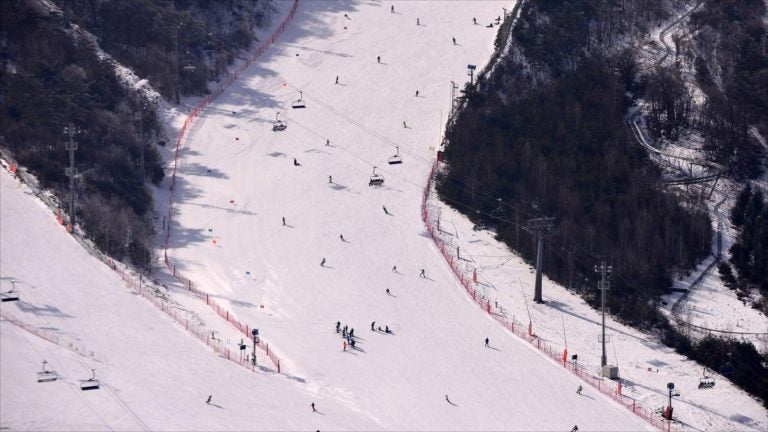
Korea’s ski season usually runs from late November to mid-March. Resorts in the Pyeongchang and Jeongseon highlands open first, because their higher altitude brings colder nights for snowmaking, while the resorts closer to Seoul follow in early to mid-December. Here’s how the season breaks down:
- Early season (late November to mid-December): Only a few slopes are open at each resort, but lift lines are short, and opening deals are common. High1, which marks its 20th ski season this winter, plans to sell full-day lift tickets for ₩2,000 (about USD 1.50) on opening day, according to Korean media.
- Peak season (late December to February): This is when it’s coldest, all slopes are open, and snow conditions are reliable. Weekends, the Christmas and New Year period, and the Lunar New Year holiday (February 6 to 9, 2027) are the busiest and priciest times. Starting your trip in the capital? Here’s how to celebrate New Year in Seoul.
- Late season (March): Expect softer snow, quieter slopes, and lower prices. High1 plans to stay open until March 21, 2027, while smaller resorts such as Oak Valley wrap up in late February.
Best ski resorts in Korea for every type of traveler
From Olympic-grade runs to cozy mountain retreats, here’s where to go for skiing or snowboarding in Korea, based on your level and style.
| Resort | Location | Distance from Seoul | Key features | Best for |
|---|---|---|---|---|
| Yongpyong Resort | Pyeongchang | 2.5 hours | 28 slopes and 14 lifts, 2018 Winter Olympics alpine skiing venue | Intermediate and advanced skiers |
| Vivaldi Park | Hongcheon | 1.5 hours | Wide gentle slopes, lively entertainment complex | Families and beginners |
| Alpensia Resort | Pyeongchang | 2.5 hours | Six slopes, modern facilities, scenic 700 m altitude views | Couples and casual skiers |
| High1 Resort | Jeongseon | 3 hours | Long, well-groomed slopes, more than 600 m (about 2,000 ft) of vertical drop, casino | Intermediate and advanced skiers |
| Phoenix Park | Pyeongchang | 2 hours | 18 slopes, Olympic terrain park and halfpipe, vibrant après-ski nightlife | Snowboarders and freestyle riders |
| Elysian Gangchon | Chuncheon | 1.5 hours | Subway station at the resort, gentle beginner slopes, relaxed vibe | Beginners and day-trippers |
| Oak Valley | Wonju | 2 hours | Quiet forest setting, scenic slopes, luxury condos | Couples and families |
Yongpyong Resort (Pyeongchang)
Best for: Intermediate and advanced skiers
Distance from Seoul: 2.5 hours
Planned opening: November 27, 2026
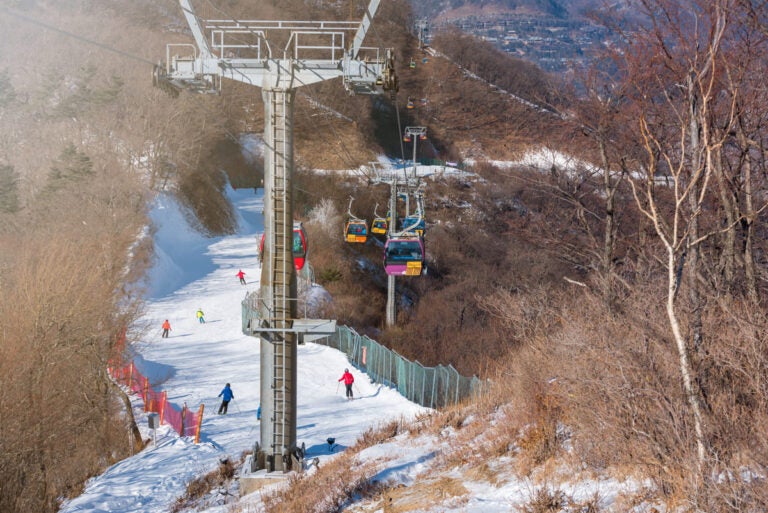
Known as the “Alps of Korea,” Yongpyong (now officially called Mona Yongpyong) opened in 1975 as the country’s first ski resort, and it’s still the largest, with 28 slopes and 14 lifts. Its Rainbow slopes hosted alpine skiing events at the 2018 Winter Olympics, so Yongpyong has competition-grade facilities, modern lifts, and dependable snow cover.
Yongpyong is a favorite among intermediate and advanced skiers, thanks to its long, challenging runs like Rainbow Paradise, Gold Paradise, and Silver Paradise.
There are two changes to know about this season. The slopes now open at 8:30 AM, 30 minutes earlier than before, and the old morning, afternoon, and night tickets are being replaced by 4-, 6-, and 8-hour lift tickets. Yongpyong is also on the Ikon Pass, with seven days of access on the full pass and five on the Ikon Base Pass.
Off the slopes, there’s a sizable resort village with après-ski dining and saunas.
Vivaldi Park (Hongcheon)
Best for: Families and beginners
Distance from Seoul: 1.5 hours
Planned opening: Late November 2026
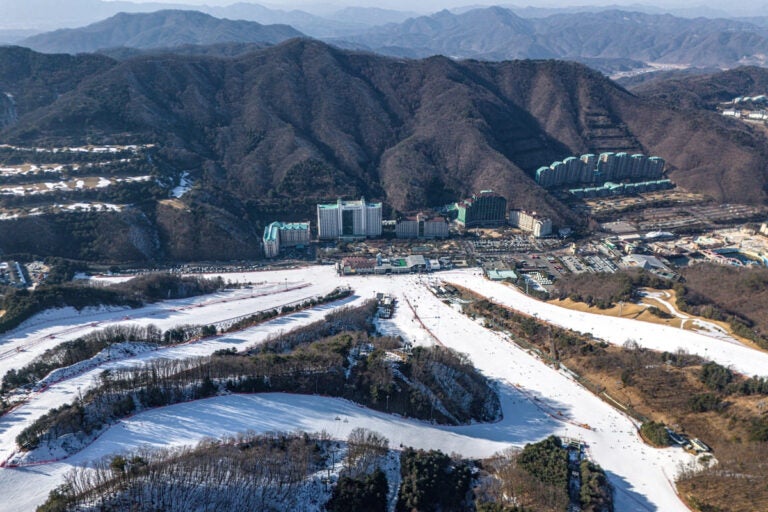
Vivaldi Park is a major ski resort within easy reach of Seoul, and it’s well-designed for international visitors. It has wide, gentle slopes, English-speaking instructors, and a lively atmosphere.
One of the resort’s main draws is its huge entertainment complex, which includes a water park, arcade, sledding area, and mini shopping mall! Because there’s something for everyone (including non-skiers), it’s a popular choice for families and first-time skiers looking for a relaxed ski holiday.
Alpensia Resort (Pyeongchang)
Best for: Couples and casual skiers
Distance from Seoul: 2.5 hours
Planned opening: November 28, 2026
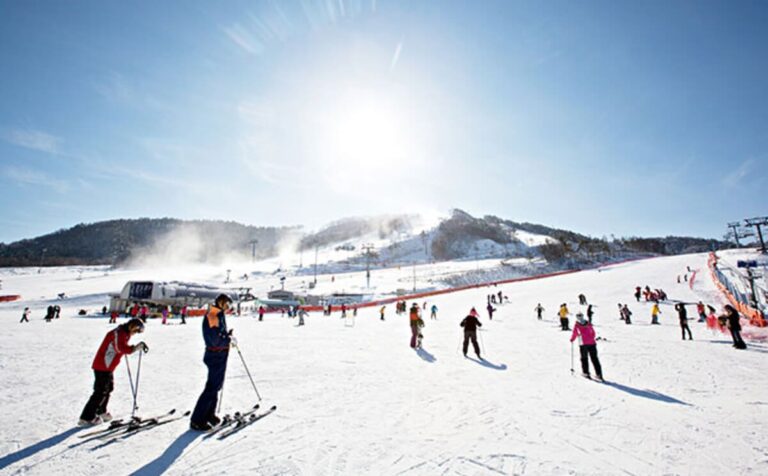
Serving as a key venue for the 2018 Winter Olympics, Alpensia Resort has modern ski facilities, including six well-groomed slopes ideal for beginners and intermediates.
Plus, situated at an altitude of 700 meters, it’s a scenic place to go skiing or snowboarding in Korea, with views of Daegwallyeong’s snow-covered peaks.
But Alpensia is more than a skiing destination. It offers the complete winter getaway experience with luxury suites, an indoor water park, and even an alpine roller coaster. New this season, Alpensia has joined the X6+ multi-resort season pass, alongside Yongpyong, High1, and Elysian Gangchon.
High1 Resort (Jeongseon)
Best for: Intermediate and advanced skiers seeking variety
Distance from Seoul: 3 hours
Planned opening: November 27, 2026
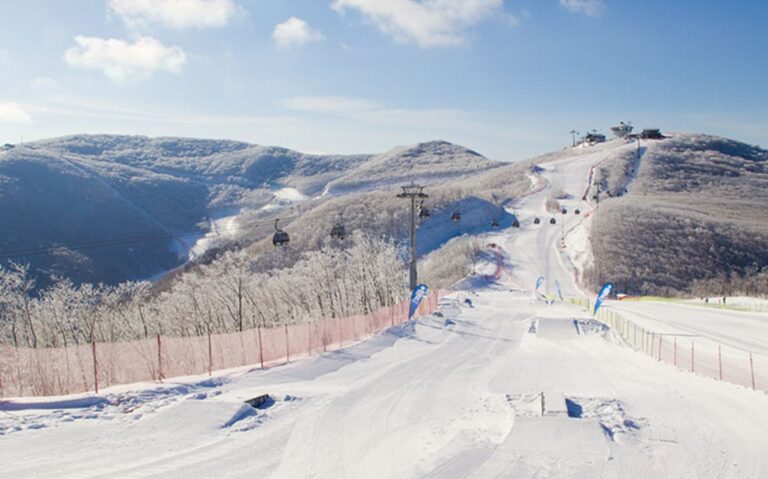
High1 Resort in Jeongseon is known for long, well-maintained slopes, with more than 600 m (about 2,000 ft) of vertical drop from peaks above 1,300 m. Its runs are spread across three peaks and cater to all levels, including a gentle 4.2 km course from the top, but it’s particularly popular among intermediates and pros looking for a new challenge.
High1 marks its 20th ski season this winter and plans to stay open until March 21, 2027. Adults and children now pay the same lift ticket price.
Off the slopes, High1 has a casino, spa, water park, and observatory cafe, giving it a polished resort-town feel.
Because it’s farther from Seoul, High1 typically has fewer crowds, offering visitors a premium, peaceful skiing experience.
Phoenix Park (Pyeongchang)
Best for: Snowboarders and freestyle riders
Distance from Seoul: 2 hours
Planned opening: November 26, 2026
Phoenix Park (officially Phoenix Snow Park) is a stylish ski park, complete with a luxury 5-star hotel. It’s popular with snowboarders thanks to its huge terrain park and halfpipe, used when the resort hosted the freestyle skiing and snowboarding events at the 2018 Winter Olympics.
The resort has 18 slopes with options for all levels, including a 2.4 km run from the Mont Blanc summit, plus a lively après-ski scene with Western restaurants, cafes, bars, and karaoke spots.
With a cool, youthful vibe and good snow conditions, Phoenix Park blends K-style energy with serious slope action, making it a hit with the younger crowds. It’s usually among the first Korean resorts to open, and this season it plans to start on November 26 with two runs.
Elysian Gangchon (Chuncheon)
Best for: Beginners and day-trippers
Distance from Seoul: 1.5 hours
Planned opening: December 4, 2026
If you’re traveling in Korea and want a quick introduction to skiing or snowboarding, head to Elysian Gangchon in Chuncheon. It’s the only ski resort in Korea you can reach by subway: Baegyang-ri Station on the Gyeongchun Line is about 60 minutes from Sangbong Station in Seoul, and a complimentary shuttle runs between the station and the resort every 20 minutes, ideal for day-trippers.
Elysian Gangchon has 10 gentle runs, most of which are designed for beginners. There are also wide practice zones and a reputable ski school, so it’s a great place for beginners or families looking to try skiing for the first time.
Away from the slopes, Elysian Gangchon has a laid-back atmosphere that feels less intimidating than some of Korea’s busier mega-resorts.
Oak Valley (Wonju)
Best for: Couples and families seeking a peaceful retreat
Distance from Seoul: 2 hours
Planned opening: December 11, 2026
Oak Valley in Wonju is a serene place to go skiing or snowboarding in Korea. Far from the hustle and bustle of Korea’s larger ski resorts, Oak Valley is set among forested hills, making its runs private, peaceful, and picturesque. Last season, the resort operated three slopes, one for beginners and two for intermediates, so it suits relaxed skiers more than thrill seekers.
Aside from the gorgeous landscapes, the resort continues to impress with its luxury condos, fine dining restaurants, a spa, and an on-site art museum. Oak Valley oozes relaxation and culture, making it more of a cozy, romantic winter getaway rather than a high-adrenaline ski scene.
Keep in mind that Oak Valley has a shorter season than the Pyeongchang resorts. This winter, it’s scheduled to run from December 11, 2026, to February 20, 2027.
How much does it cost to ski or snowboard in Korea?
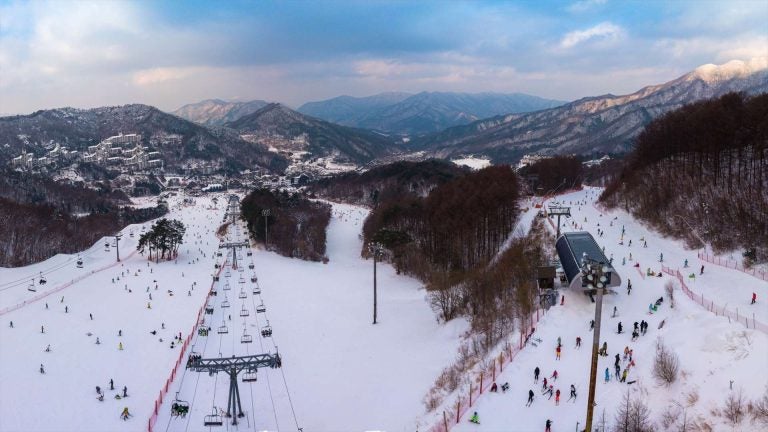
Lift tickets in Korea are mostly sold by the hour rather than by the day, so you only pay for the time you plan to ride. As a benchmark, here are High1’s official lift ticket prices for the 2026–2027 season:
| Lift ticket | Price | In US dollars (approx.) |
|---|---|---|
| 3 hours | ₩66,000 | $49 |
| 4 hours | ₩73,000 | $54 |
| 7 hours | ₩88,000 | $65 |
| Full day | ₩111,000 | $82 |
A few things to know before you buy:
- The clock starts at the lift gate. At High1, an hourly ticket starts counting from your first pass through the gate, not from the time you buy it.
- Yongpyong’s new prices aren’t out yet. At the time of writing, Yongpyong hadn’t published prices for its new 4-, 6-, and 8-hour tickets. Last season, an adult daytime ticket cost ₩96,000.
- Passes pay off on longer trips. The X6+ season pass covers six resorts, including Yongpyong, High1, Alpensia, and Elysian Gangchon, and Ikon Pass holders can ski Yongpyong at no extra charge for up to seven days.
- Budget for gear. A full-day ski or snowboard rental set costs about ₩54,000 (around USD 40) at High1. Jackets, pants, and helmets are usually rented separately.
Essential tips for skiing and snowboarding in Korea (from a local)
Here are a few insider tips to help you make the most of Korea’s winter slopes:
Transport tips (from Seoul)
- Most ski resorts offer direct shuttle buses from Seoul, with pick-up points such as Hongik University (Hongdae), Myeongdong, and Sports Complex Station in Jamsil. You can book them through Klook or the resort’s English site, and shared shuttles are much cheaper than a private van. This season’s Seoul shuttles to Yongpyong, Alpensia, Phoenix Park, and High1 are scheduled to run from November 27, 2026, to March 1, 2027.
- You can take the KTX high-speed train to Yongpyong or Alpensia. Get off at Jinbu (Odaesan) Station, then hop on the resort shuttle, which runs twice a day for guests with a booking, or take a taxi for the last 20 minutes. Don’t get off at Pyeongchang Station by mistake. Despite the name, it’s the stop for Phoenix Park.
- Ride the Gyeongchun Line directly to Elysian Gangchon. It’s a fun, scenic ride that brings you to Baegyang-ri Station, right at the resort. If you take the faster ITX-Cheongchun train, check whether it stops at Baegyang-ri. If not, change to the Gyeongchun Line at Gapyeong or Gangchon.
- Renting a car instead? Mountain roads in Gangwon can be icy in winter, so read our guide to driving in South Korea before you set off.
- Use Naver Map or KakaoMap for directions. Google Maps has limited navigation in Korea, so download a local map app before you go. You’ll need mobile data to use them, so check your options for mobile internet in South Korea.
Money-saving tips
- Get travel insurance. Ski-related injuries can be costly if you are not insured. So before you hit the slopes, make sure you’re covered with travel insurance for Asia.
- To save money, avoid renting ski gear at the resorts. Instead, head to one of the local shops in the towns nearby, such as Daegwallyeong (near Yongpyong and Alpensia) or downtown Hongcheon (near Vivaldi Park), where you can rent full gear sets (board, boots, jacket, pants) for much less.
- Lift passes are often cheaper on Korean platforms like Naver, but these usually require a Korean phone number or payment method. If you have a Korean friend or guide, ask them to book for you. Otherwise, compare the lift, rental, and shuttle bundles on Klook, KKday, or Trip.com, which are sold to international visitors.
- Create a budget before you go. Research the cost of living in South Korea to understand what you can expect to pay for things like transport, food, and activities.
Cultural tips
- Local foods to try: Makguksu (cold buckwheat noodles) and gamja ongsimi (potato dumpling soup) are Gangwon specialties that suit the cold weather.
- After skiing activities: Unwind at Seorak Waterpia (Sokcho) or Osaek Hot Springs, which both have outdoor hot pools.
Stay connected on the slopes with Holafly
Whether you’re checking ski conditions, navigating to your resort, or sharing your best powder shots, you’ll need data from the moment you land. Instead of hunting for a Korea SIM card at the airport, get instant setup and complete peace of mind on and off the slopes with a Holafly eSIM for Korea. Every Holafly travel eSIM comes with:
- Unlimited data and 5G speeds
- 24/7 customer support
- Always On: 1 GB of free monthly backup data, subject to activation and eligibility conditions, active in 150+ destinations for as long as the eSIM stays installed
- Reusable eSIM: install once, use every time you need data
→ Get your eSIM for South Korea here
Follow Holafly on Google Discover to explore more upcoming travel destinations.

Peace of mind before you fly
Plans that may interest you

Hi, I'm Michaela, a South Korean writer living in the US. I cover travel and live events, focusing on the practical stuff that makes your trip smoother, whether you're navigating a new city or heading to a major international event.I'm also the founder of Search SEOul, South Korea's leading SEO conference, bringing together search marketing experts and speakers from around the world.