Language
Public transport in Iceland: How to get around Iceland in 2026
Learn how public transport in Iceland works, whether you need a car, bus fares in Reykjavik, and how to get around smoothly using an eSIM.

You can get around Iceland on public transport, but you’ll have to stick to the capital or touristy areas. Beyond Reykjavik, Iceland’s public transport network is infrequent and doesn’t reach many natural attractions, such as national parks, waterfalls, and glaciers.
According to our local Holafly expert Jihea Chang, to properly explore everything Iceland has to offer, you’ll have to rent a car or book a guided tour. You’ll also need reliable internet to get around in Iceland comfortably. Go for Holafly’s eSIM for Iceland for unlimited data, 5G speeds, and 24/7 customer support.

An eSIM you can rely on
Join over 15 million Holafly customers and get connected with our trusted, global services.
Is there public transport in Iceland?
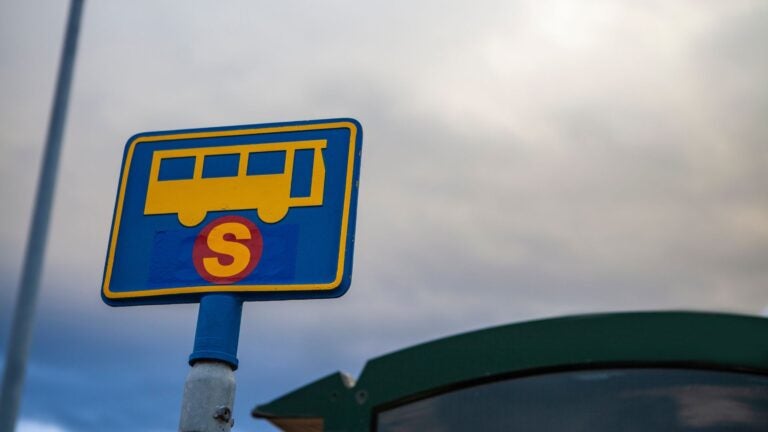
Yes, Iceland has a public transport system, but it isn’t as extensive as London’s public transportation, for example.
Jihea also mentions, “There are many gaps, and if you miss it, you will have to wait hours. Also, it depends on the seasons. Summer time might have more lines.”
There are Straeto buses (Strætó) that cover Reykjavik and nearby municipalities in the capital area. Beyond Reykjavik, Strætó operates long-distance regional buses that connect coastal towns.
However, these scheduled buses run only once or twice a day and are primarily for local residents. They rarely stop at Iceland’s major attractions. You’ll probably be able to do some much-needed Iceland souvenir shopping in Reykjavik using the local public transit system.
Can you reach the Golden Circle or Blue Lagoon by public transport?
You won’t be able to reach the Golden Circle using public buses. But you can get to the Blue Lagoon via direct, scheduled shuttle buses. These run from both Keflavík airport and Reykjavik, with round-trip transfers around 8,000 ISK (£46).
You’ll only be able to see the Golden Circle sights (Þingvellir, Geysir, Gullfoss) if you book a guided tour or rent a car.
Public transport in Iceland in winter
Iceland’s winter weather brings ice roads, snowfalls, winds, and unprecedented conditions. Buses can face delays, route modifications, or even cancellations.
Jihea also notes a difference in bus lines in the summer vs. the winter: “In the summer, there are special hiking buses and tour buses. In the wintertime, there aren’t many transportation options.”
One of the most important things about using public transport in Iceland in winter is actively monitoring the weather.
While public transport isn’t the best way to get around Iceland in the winter, there are still many bucket list things to do in Iceland, even during the colder months.
When does public transport stop running in Iceland?
City buses in Reykjavik run from 6:30 AM (7:30 AM on the weekends) until midnight. Night bus routes operate on Friday and Saturday nights from midnight until 4:30 AM and stop at central areas.
Regional intercity buses stop running earlier in the day, and many rural lines have only one trip per day to begin with.
Public transport in Reykjavik: Buses, fares, and how to pay
While the bus system isn’t as branched out, it’s still efficient and easy to navigate. Strætó bus routes 1-36 use Klapp, contactless payment, and a 75-minute city ticket.
- Bus fares: Currently, a single adult ticket costs ISK 690 (~$5 USD and ~£4 GBP) and remains valid for 75 minutes after activation.
- How to pay: You can pay using a contactless Visa or Mastercard, the Klappið app, a Klapp card, or Klapp ten. Cash will not be accepted on city buses.
Important: For contactless methods and fare capping, use the same card each time. One card pays for one adult passenger. If you’re using the Klappið app, you’ll need reliable internet in Iceland to activate the ticket before boarding and keep the screen ready for inspection.
Is there Uber in Iceland?
No, there is no Uber nor other rideshare apps like Lyft, Bolt, or Free Now in Iceland. These services are blocked by local taxi licensing laws, which require drivers to have taxi permits and operate through registered companies.
To travel in Iceland by taxi, you’ll have to book through local companies like Hreyfill or BSR via phone or apps. You can also flag a taxi down at taxi ranks in central Reykjavik.
Are there trains in Iceland?
There are no trains or railways in Iceland. This is for three main reasons: a small population (under 400,000 people), challenging terrain (active volcanoes, glaciers, lava fields), and high cost.
Building a railway network across such landscapes would require substantial investment. Instead, locals in Iceland rely on roads, domestic flights, and ferry routes.
How to get from Keflavík Airport to Reykjavik
Keflavik International Airport is around 50 Km from the capital. There are three main ways to get from the airport to Reykjavik:
- Direct shuttle buses: Flybys and Airport Direct run scheduled buses around flight arrivals. Tickets start at 3,999 ISK (~£23) one-way for a drop-off at the main bus terminal (BSÍ). You’ll have to pay around 5,299 ISK (~£30) for a drop-off at designated bus stops near your hotel.
- Public bus routes: The Strætó Route 55 links the airport with central Reykjavík. It costs less (around 2,280 ISK / £13) but runs less frequently and takes up to 75–90 minutes with multiple stops.
- Taxis: You can catch a taxi from the Keflavik airport terminal to the city center with fares between 20,000 ISK and 25,000 ISK (~£115-145). This is the most expensive option.
Make sure your phone works in Iceland, so you can book tickets and pay comfortably.
Are taxis expensive in Iceland?
Yes, taxis in Iceland are among the most expensive modes of transportation in Europe. Fares start around 700–1,000 ISK (~£4-6), and per-kilometer rates add up quickly. A short 10-minute ride across town costs 2,500–3,500 ISK (~£14-20).
Can you get around Iceland without a car?
Yes, you will be able to get around Iceland without a car. However, you’ll miss out on major tourist attractions and spend most of your time trying to navigate routes with limited bus options.
If you want the full Icelandic adventure experience, which includes remote areas, hot springs, and northern lights, hiring a car or booking a tour is mandatory.
Use Iceland’s public transport with Holafly’s unlimited data eSIM
If you’re planning to use Iceland’s public transport in some capacity, you’ll need mobile data to check bus schedules, display tickets, and check real-time weather updates.
Holafly’s eSIM for Iceland offers instant, unlimited mobile data upon landing, 24/7 customer support, and a daily hotspot allowance. With Holafly’s Always On feature (available with all eSIMs as long as you keep the eSIM installed), you get 1 GB of monthly backup data at no added cost.
FAQs about getting around Iceland
For city buses in Reykjavik, no advance booking is required. Simply tap your card upon boarding. For airport shuttles (Flybus) and long-distance tours, booking online beforehand ensures your seat.
For solo travelers spending a short time in Reykjavik, using public transport and shuttles is cheaper. For groups of two or more traveling around the island for several days, renting a car is almost always more cost-effective than buying individual tour tickets.
Private airport shuttles like Flybus operate 24/7, with schedules aligned with all incoming and outgoing flights, even those arriving past midnight. Public bus Route 55 does not run late at night.
Plans that may interest you


Born and raised in Queens, New York, I'm a Psychology graduate with a passion for writing that I've been nurturing since 2019. Over the years, I've enjoyed creating meaningful content across various niches, including sports, hospitality, and career development. At Holafly, I focus on crafting useful and inspiring pieces to make your adventures more effortless. One of the best perks of this role? Creating travel content always seems to inspire my next vacation destination!