Language
Things to do in Iceland: The best places, tours, and experiences in 2026
Discover the best things to do in Iceland. Explore waterfalls, hot springs, and northern lights with our complete regional and seasonal guide.

Iceland is known for its unique landscapes, active volcanoes, waterfalls, glaciers, and black sand beaches. In fact, some scenes from one of Christopher Nolan’s adaptations, The Odyssey, were filmed here.
If you’re planning to visit this otherworldly land soon, our guide covers the best things to do in Iceland region by region and season. Before heading into the remote countryside, make sure you have reliable mobile connectivity by opting for Holafly’s eSIM for Iceland. With unlimited data, you’ll be able to monitor local road conditions and get weather updates.

An eSIM you can rely on
Join over 15 million Holafly customers and get connected with our trusted, global services.
Best things to do in Iceland
There are a couple of non-negotiable natural wonders to visit in Iceland, and they should definitely be on your bucket list. Here are the top attractions in Iceland, including estimated costs and reasons why they’re worth visiting. Some of them include free things to do in Iceland.
1. The Blue Lagoon or Sky Lagoon
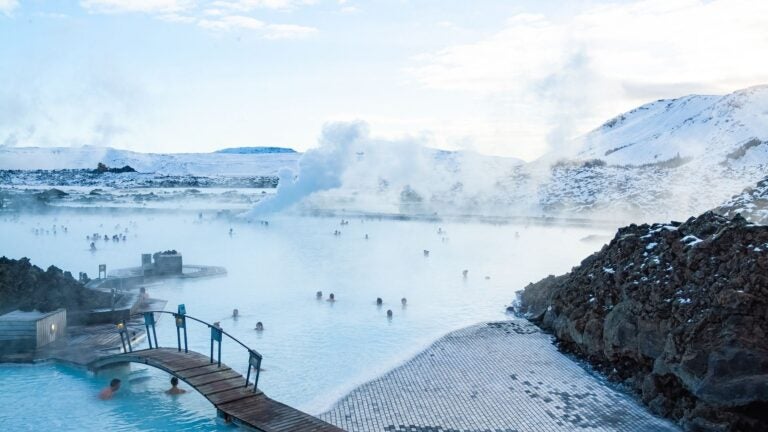
These milky blue, geothermal spa pools are rich in minerals and set in black lava fields near Keflavik. There is also an oceanfront infinity pool at Sky Lagoon in Reykjavik. Both offer the most relaxing geothermal bath experience.
- Estimated costs: ~$85-110 USD, depending on the package and season.
- How to get there: 20 minutes from Keflavik International Airport and 10 minutes from downtown Reykjavik via car or shuttle.
2. The Golden Circle tour
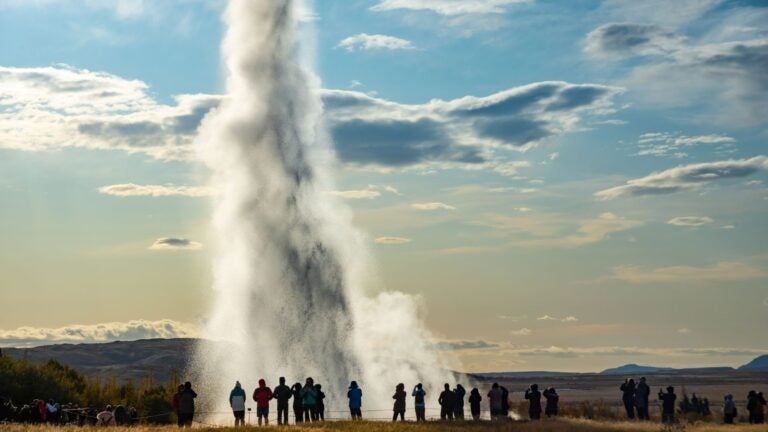
This is a 190-mile route from Reykjavik that covers three natural landmarks: Þingvellir National Park (a UNESCO World Heritage Site), Geysir Geothermal Area, and Gullfoss Waterfall.
You can walk between two tectonic plates at Þingvellir, watch Strokkur erupt every few minutes at Geyser, and see the roaring Golden Falls.
- Estimated costs: Free entry to all sites! However, you may have to pay parking fees at each landmark.
- How to get there: By car or coach from Reykjavik.
3. The Northern Lights (Aurora Borealis)
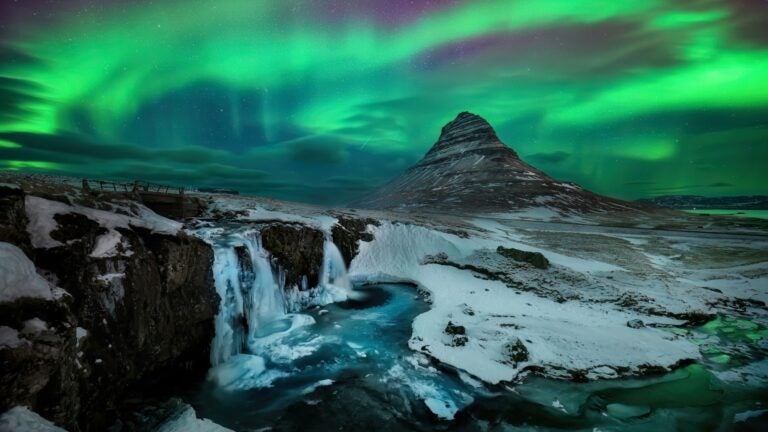
This natural night-sky wonder is world-famous. It’s when solar particles create green, violet, and red lights in the atmosphere. Iceland is one of the best places to witness this.
- Estimated costs: Free if you plan to go by yourself. It will cost ~$90 to $150 for a guided northern lights tour.
- How to get there: The Northern Lights are visible across the entire country, away from light pollution. You can also travel to more rural areas or join a tour out of Reykjavik or Akureyri between September and April.
4. The Jökulsárlón Glacier Lagoon and Diamond Beach
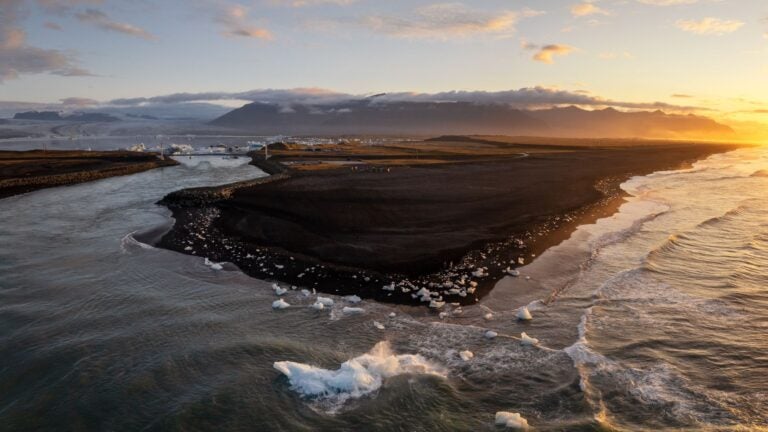
This is a glacial lagoon filled with icebergs breaking off the Vatnajökull glacier. Watching vibrant, blue icebergs sparkle like giant diamonds on black sand at Diamond Beach is definitely an unforgettable experience.
- Estimated costs: Free to view, but you may need to pay for parking. Boat tours range from $45 to $80.
- How to get there: Around 5 hours east of Reykjavik by car.
5. The South Coast waterfalls and black sand beaches
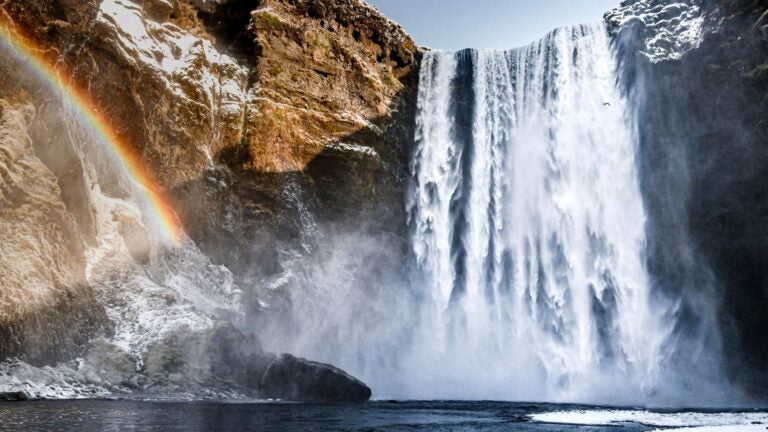
This is a coastal stretch with Seljalandsfoss, Skógafoss, and the world-famous Reynisfjara Black Sand Beach. The South Coast’s landscape was spectral enough to be one of Christopher Nolan’s filming locations for The Odyssey.
- Estimated costs: Free admission, but you may have to pay parking fees.
- How to get there: Drive 2.5 hours east along Route 1 from Reykjavik.
Things to do in Reykjavik and the surrounding area
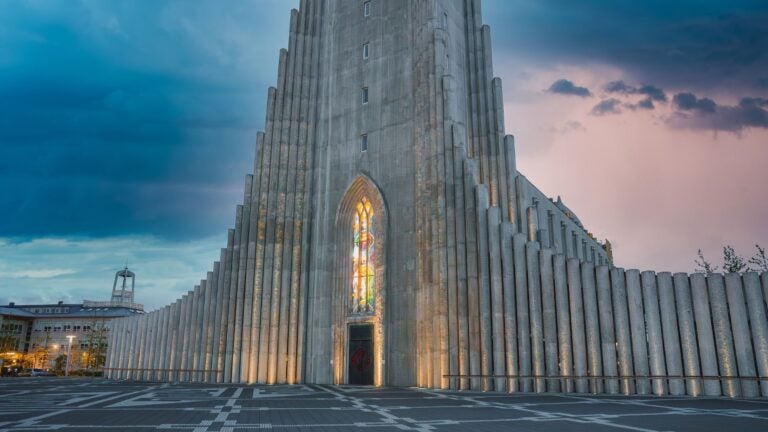
If you’re visiting Iceland, chances are you’re heading to its capital city, Reykjavik. You’ll find active volcanoes and rugged wilderness surrounding the city, and the downtown area has colorful painted houses, street art, and world-class dining. Try some of Iceland’s best food here.
Some key highlights include:
- The tower at Hallgrímskirkja for city views
- The Sun Voyager glass-and-steel sculpture on the waterfront
- Experiencing a concert at Harpa Concert Hall
- Shopping at local boutiques in Laugavegur
- Volcanic eruption lava fields
- Hot natural springs
For a detailed breakdown of itineraries, museums, and local food spots in the capital, read our guide on things to do near Reykjavik.
Things to do in Iceland in summer
Things to do in Iceland vary slightly season to season. In summer (June through August), Iceland becomes a lush paradise with a midnight sun. You’ll get nearly 24 hours of daylight during late June. These are the perfect conditions to explore without worrying about it getting dark.
Here are a couple of things to do in Iceland during the summer.
Explore Iceland’s highlands
Summer is the only season when these mountain roads open up, and it’s one of the best times to visit Iceland. You can rent a 4×4 car to hike Landmannalaugar’s rhyolite mountains or the Þórsmörk valley.
Puffin-watching
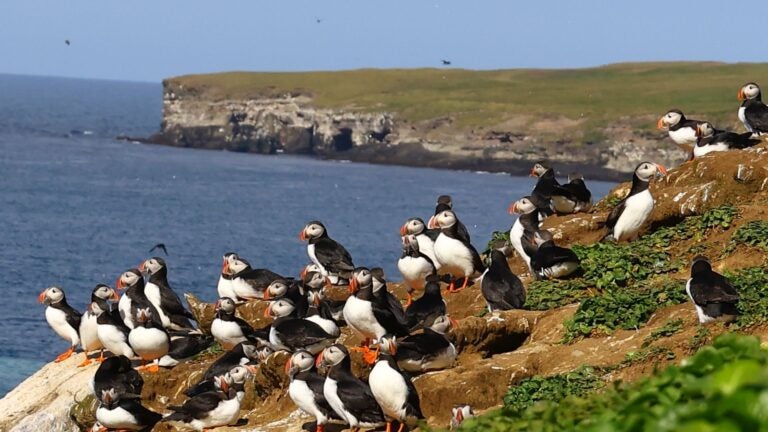
Mid-May through mid-August is when millions of Atlantic puffins nest on coastal cliffs in the Westman Islands, Dyrhólaey near Vík, and Borgarfjörður Eystri in East Iceland.
Whale-watching tours
Summer is the perfect season to sight humpback, minke, and blue whales on boat tours from Húsavík (the whale capital of North Iceland) or Reykjavik harbor.
Go on a full ring road trip
With ice-free roads in the summer, you can complete the full 828-mile (1,332 km) Ring Road trip around the entire island. This trip would probably take around 1 to 2 weeks to complete comfortably.
Things to do in Iceland in winter
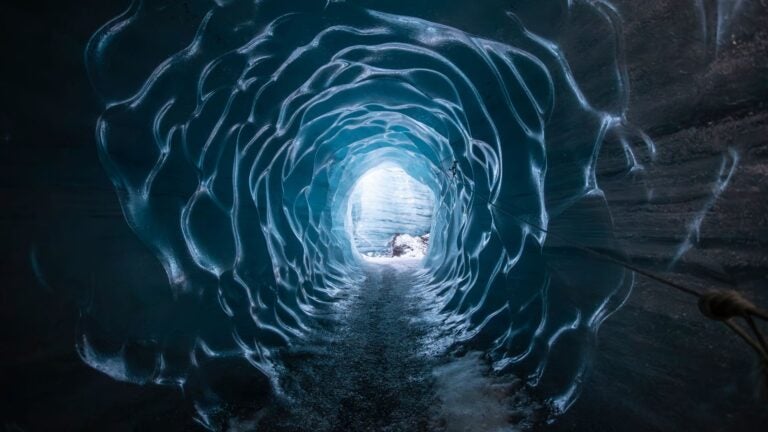
Visiting Iceland in the winter offers a completely different experience. While you only get 4 to 5 hours of daylight in late December, there are lots of winter-specific phenomena in Iceland to enjoy.
Ice cave tours
These are natural ice caves formed every autumn by melting glacier water. You can book a guided tour through these bright, blue caves inside Vatnajökull glacier from October through March.
The Northern Lights
Dark nights in Iceland are perfect conditions to see the northern lights flicker across the skies.
Geothermal pools
Bathing in steaming outdoor hot pools while snow falls around you is an authentic, Icelandic winter activity.
Important: Interior F-roads and remote Westfjords routes close in winter. You’ll have to stick to the main Ring Road and the South Coast. Monitor real-time weather closely so you don’t get stuck in sudden storms.
Things to do in Iceland in spring and autumn
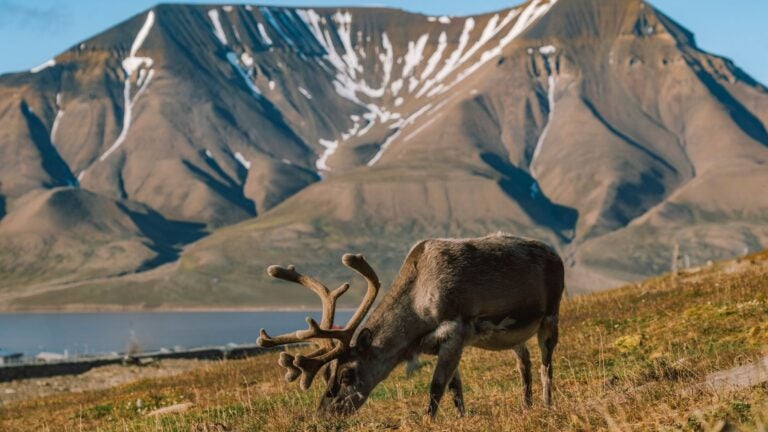
Shoulder seasons, including spring (March-May) and autumn (September-October), are better for travel, with lower costs, fewer crowds, and longer daylight hours.
- March and April: The perfect time to explore winter experiences, like ice cave tours and seeing northern lights, with longer daylight hours for driving
- May: Spring brings the puffin migration, lupine fields, gushing waterfalls, and cheaper accommodation before summer peaks.
- September and October: During these months, you’ll see golden tundra greenery, northern lights in dark night skies, and suitable driving conditions before the roads ice over.
Fun things to do in Iceland with kids
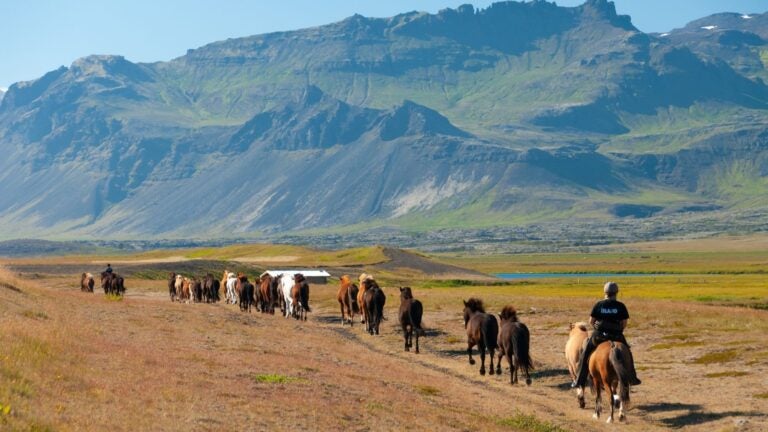
Traveling with kids? Iceland has many exciting activities for a memorable holiday.
Ride Icelandic horses
Iceland’s native horses are famous for their friendly temperament and five-gait stride, also known as tölt. You can book a riding tour for kids or beginners across the countryside farms.
Explore lava tubes and caves
Take a subterranean tour through volcanic tunnels, Raufarhólshellir or Víðgelmir, and learn how Iceland’s landmass was formed.
Visit local geothermal pools
Iceland has many family-friendly outdoor pools with wading sections, water slides, and hot tubs.
Whale and puffin-spotting boat trips
Take a boat tour out of Reykjavik harbor to point out sea life with the kids. These tour boats also provide warm overalls suitable for the weather. If you want to know how to dress in Iceland to stay warm, check out our Iceland packing list.
How to reach places in Iceland without a car
Exploring attractions in Iceland is most convenient with a rental car. However, if this is not an option, you can use Iceland’s public transport system to get around.
Day tours run daily to the Golden Circle, South Coast, Snaefellsnes Peninsula, and the Reykjanes Peninsula. There are also hop-on guided minibus packages for multi-day travel around the Ring Road.
Stay connected while exploring with an unlimited data eSIM for Iceland
Having internet in Iceland is a non-negotiable. You have to ensure a reliable way of using your phone as tracking the weather and road closures in Iceland is crucial to having a good experience.
Using Holafly’s dedicated travel eSIM for Iceland means unlimited data, 24/7 customer support, and 5G internet speeds. Plus, with Holafly’s Always On feature, you get 1 GB of monthly backup data at no added cost so you never get left stranded mid-route or on layovers.
This is available with all eSIM plans and lasts for as long as you keep the eSIM installed.

Connect to the fastest networks
International eSIMs, local networks. Enjoy the best of both worlds with Holafly.
FAQs about things to do in Iceland
If this is your first trip, aim for 5 to 7 days to comfortably explore Reykjavik, the Golden Circle, and the South Coast. If you want to drive the full Ring Road around the entire island, plan for at least 10 to 12 days.
Iceland is ranked among the world’s most expensive countries. However, many of its natural wonders are free to visit.
Yes, booking experiences in advance is recommended, especially during tourist season (June to August). Bucket-list stops like the Blue Lagoon, ice cave tours, and guided horseback riding fill up weeks in advance.
Plans that may interest you


Born and raised in Queens, New York, I'm a Psychology graduate with a passion for writing that I've been nurturing since 2019. Over the years, I've enjoyed creating meaningful content across various niches, including sports, hospitality, and career development. At Holafly, I focus on crafting useful and inspiring pieces to make your adventures more effortless. One of the best perks of this role? Creating travel content always seems to inspire my next vacation destination!