Language
7 passport and visa rules that can get you turned away at the airport gate
Your passport can be valid and still not be accepted. Learn the 7 passport and visa rules that catch out thousands of travellers every year.

You already know you can’t travel on an expired passport. But you’ve been hearing horror stories of people being denied boarding, even with valid passports.
Wondering what’s going on?
There are 7 little-known passport and visa rules that can and often do catch travelers out.
If you’re planning an upcoming trip, familiarize yourself with them. It takes just 10 minutes, but could save you and your family a whole lot of stress at the airport.
Your passport can be valid and still not be accepted
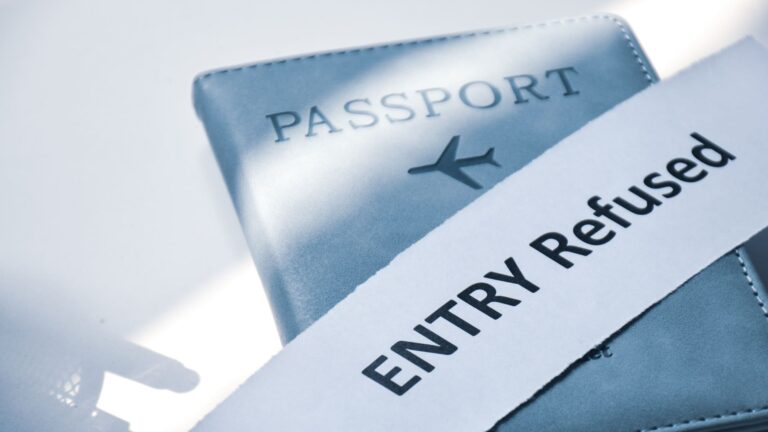
Even if your passport is valid, you could still be denied boarding if you don’t meet one of the following three rules. However, these common travel mistakes are very easy to avoid once you know about them.
Rule 1: The validity buffer
In many countries, it’s not enough for your passport to be valid for the duration of your trip. For example, many Southeast Asian countries require that your passport is valid for at least 6 months from your arrival date. This catches many travelers out: they take a quick look at their passport, see it’s not going to expire soon, and think all will be okay.
This rule is in place to protect you (the traveler) and them (the country you’re visiting). Six-month validity ensures you don’t become stranded abroad while also preventing illegal visa overstays.
However, the rule varies between countries and regions. The European Schengen area requires that your passport is valid for at least 3 months after your intended departure date, while the United Kingdom requires it to be valid only for the duration of your stay.
Rule 2: Sufficient blank pages
Many countries require you to have at least one or two blank pages in your passport (not including endorsement pages).
This is a common rule in countries that use large visa stickers and physical entry or exit stamps rather than recording your arrival and departure electronically only. Some destinations also require the two blank pages to be side by side.
Both airlines and immigration check this, so if your passport is too full, you could get denied boarding.
Rule 3: Passport condition
Your passport must also be in good condition. If there is water damage, the photo page is bent, or there are tears around the chip, your passport will be unreadable at the scanner.
This catches many travelers out because you might be able to read your passport info yourself. But the rule is not that a person can read it; it’s that the machine can.
Some destinations are stricter on passport conditions than others. Some countries may deny boarding if the front cover of your passport is faded or the corners are slightly torn. Therefore, always keep your passport in a clear passport sleeve.
Here’s an overview of how these passport rules vary around the world:
| Where you’re going | Passport validity needed | Blank pages |
|---|---|---|
| Schengen Area | 3 months past departure, issued within 10 years | Not specified |
| Southeast Asia, UAE, Egypt | 6 months past arrival | Usually 2 |
| United Kingdom | Duration of stay | Not specified |
The digital permissions you now need before you board
If you’re planning a trip to Europe, research the visa requirements for the destinations you are visiting. While many European countries offer visa-free entry, they still require you to obtain digital permission before entering.
Rule 4: The UK ETA
Since 25 February 2026, 85 visa-exempt nationalities (including those from Europe, the USA, Australia, and Canada) need an ETA (electronic travel authorization) to enter the United Kingdom. This is required for vacations, visiting family in the UK, business trips, and even short-term study.
You must apply for an ETA online via the official UK government website before departure. It costs £20 and is valid for two years or until your passport expires.
After you apply, it takes up to 3 working days to receive your ETA by email. Airlines verify you have one during check-in, so if you turn up at the airport without one you won’t be able to board your flight.
British and Irish citizens are exempt, but they must travel on a valid British or Irish passport. In fact, dual nationals with an expired British passport are the group most often caught out with this travel rule.
Rule 5: Europe’s EES
Europe’s new EES system has been fully operational across the Schengen area since April 2026. The digital system replaces physical passport stamps with fingerprints and facial images.
Unlike the UK’s ETA, you don’t need to apply for an EES before your trip. The registration happens at border control. Each time you enter and exit the Schengen area, you will be required to use the special EES kiosks.
Many travelers mix up EES and ETIAS. ETIAS is a separate travel system in the EU, but, as of July 2026, it is not yet live, and there is no official launch date. Therefore, any site currently charging for an ETIAS is fraudulent.
The two checks that happen at the desk, not the border
Aside from passports and visas, there are a couple of other travel rules that can easily catch you out.
Rule 6: Name match
The name on your flight booking must match your passport exactly. If you leave out your middle name or forget to add a hyphen during booking, it will flag up to the airline staff at check-in.
Titles must also match. So, for example, if you have just got married but your passport still says “Miss”, you will need to use the same title for the booking.
Airlines are not obliged to correct name errors at the counter and may deny boarding as a result. However, if you’re at the airport well ahead of your international flight check-in time, you might be able to go to the customer service desk (or call the airline) and pay a fee to fix it.
Rule 7: Proof of onward travel
To avoid illegal overstaying, some countries require evidence that you will leave when you say you will. So you might be required to show proof of your return flight or onward travel.
This rule frequently catches out backpackers and digital nomads traveling on one-way tickets. And in some countries, even travelers with long-term visas (like the Thailand DTV visa) may be asked for proof of onward travel.
While the country sets the rule, the airline enforces it at check-in. This is because they carry the cost of flying you back should you be turned away at the border.
What actually happens if you get turned away
All these document failures are treated as the passenger’s responsibility. You are required to research the travel rules for the country you’re visiting, so should you be denied boarding because of one of these rules, you will have to rebook the flight at your own cost.
Unlike a delay caused by the airline, standard compensation does not apply, and most travel insurance doesn’t cover missed flights due to the passenger’s fault.
That’s why it’s crucial to verify these 7 things before booking your trip. Renewing your passport takes several weeks in most countries, so this is not something you can deal with the night before your flight.
A 10-minute check to run through before booking
The cost of getting something wrong is disproportionate to the 10 minutes it takes to check. So follow this verification sequence to ensure your journey goes smoothly:
- Check your passport’s expiry date. Ensure it will remain valid for six months after your intended return date.
- Check that you have at least 2 blank pages, then research your destination’s specific requirements regarding this rule.
- Inspect your passport, looking for tears, deep folds, and water damage, particularly on the biodata page.
- Research the visa and digital permission requirements for the country you’re visiting.
- When booking your flight, type your name exactly as it appears on your passport, and double-check other details against your passport, such as your date of birth and passport number.
- Download your return/onward flight ticket to your phone to present to airline staff if required.
Lastly, when researching passport requirements and visa rules, refer only to the country’s government’s travel advisory or official immigration page, not third-party sites.
Stay connected wherever your passport takes you
Sorting your documents early is the easy part. The harder part is staying reachable when a check-in agent asks for something you did not expect, or when you need to pull up a booking confirmation while standing in a queue with no usable Wi-Fi.
A Holafly eSIM keeps you online from the moment you land. There is no physical SIM to swap and no local shop to hunt down. Install it before you fly, activate it on arrival, and get unlimited data with 5G speeds and 24/7 customer support. If your trip crosses several countries, Holafly Plans covers 160+ destinations on one eSIM with pay-monthly billing.
What’s more, every Holafly eSIM includes 1 GB of Always On backup data at no additional cost. It activates as soon as the eSIM is installed on your device, renews every month, and works in 150+ destinations. So even when your travel data runs out, you can still check an entry requirement, message your airline, or reload a boarding pass.

Unlimited data. Peace of mind.
Make sure you have travel data that's there when you need it most.
Plans that may interest you

Hi, I'm Mika, a South Korean writer living in the US. I cover travel and live events, focusing on the practical stuff that makes your trip smoother, whether you're navigating a new city or heading to a major international event.I'm also the founder of Search SEOul, South Korea's leading SEO conference, bringing together search marketing experts and speakers from around the world.