Language
Iceland food: What to eat in Iceland in 2026
Discover what Iceland food is really like. Explore traditional dishes, top places to eat in Reykjavik, fast food options, and realistic food prices.

Some popular foods in Iceland include fresh seafood, grass-fed lamb, fermented dairy products, and geothermal rye bread. Overall, the local palette is shaped by natural resources and preservation methods. Unique preservation is something Iceland is known for, and modern food mostly focuses on high-quality ingredients, clean flavors, and comforting dishes.
In this Iceland food guide, you’ll get to know more about popular local dishes, more traditional meals, and must-try delicacies on your trip. Ensure you have a reliable way to stay connected, such as Holafly’s eSIM for Iceland, so you can look up every meal before ordering.

Peace of mind before you fly
Set up your eSIM before travel and get unlimited data on arrival.
What food is Iceland known for?
Icelandic food revolves around five staples that are central to Icelandic culture and history.
- Lamb: Free-roaming sheep feed on berries and mountain herbs.
- Seafood: Cod, Arctic char, and haddock are caught daily from the North Atlantic Ocean.
- Skyr: A cultured dairy product similar to Greek yogurt, which is high in protein and low in fat.
- Rúgbrauð: A sweet rye bread traditionally baked slowly underground using natural hot spring heat.
- Pylsur (Icelandic hot dogs): Made with a blend of lamb, pork, and beef.
Traditional Iceland food and where it comes from
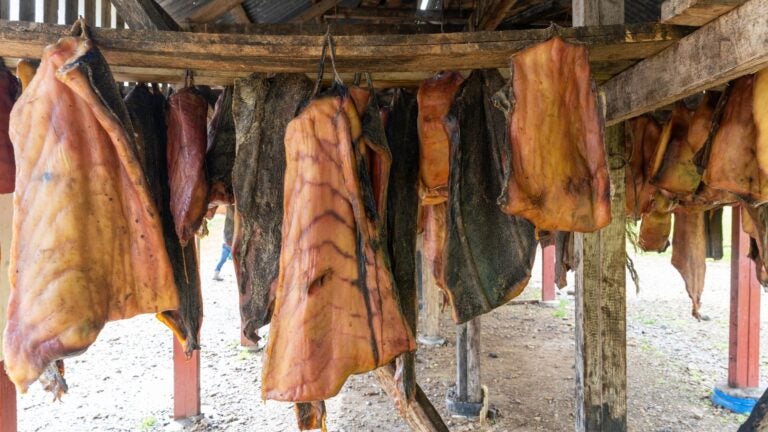
Historically, surviving on the island required specific ways for preserving food, including curing and fermenting. Here are some commonly preserved foods in Iceland:
- Hákarl (fermented shark): Poisonous when fresh. It’s cured in boxes for months and dried to make it safe to consume. Once it’s ready, it is served in tiny cubes with a shot of Brennivín (the country’s signature drink and a popular Iceland souvenir).
- Svið (singed sheep’s head): A traditional dish where a sheep’s head is cut in half, singed to remove wool, boiled, and eaten plain or saved as jelly.
- Hangikjöt (smoked lamb): Lamb meat cured and smoked over birch wood or dried sheep dung, traditionally served sliced with potatoes, peas, and white béchamel sauce during winter and Christmas holidays.
- Harðfiskur (dried fish): Wind-dried fish jerky, usually cod or haddock, eaten with a thick spread of salted butter
You can also grab sealed packages of harðfiskur (dried fish), local sea salt blended with kelp or birch smoke, and chocolate bars like Nóa Sirkíus or Ópölur as the perfect Iceland souvenirs.
Icelandic Christmas food
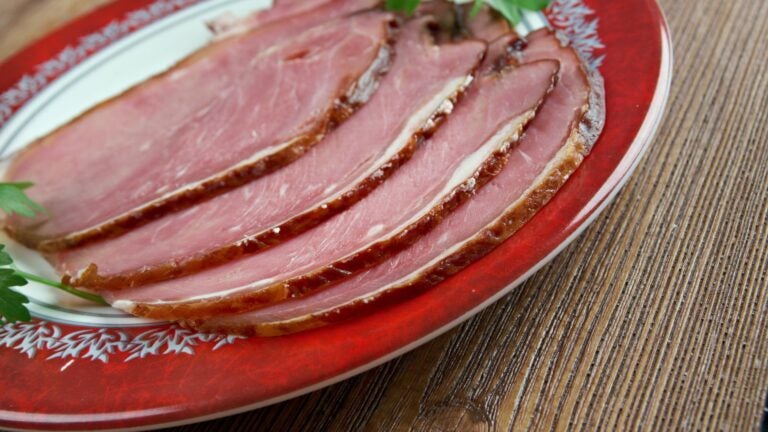
During the holiday season, the typical Icelandic Christmas food scene centers around smoked meats and traditional breads. If you’re looking for things to do in Iceland during the festive season, try out these seasonal options:
- Laufabrauð (leaf bread): Thin, round wafers of dough decorated with leaf-like geometric cutouts, deep fried, and served crisp with butter.
- Hangikjöt: Smoked lamb remains the focal point of holiday meals, served alongside green peas, caramelized potatoes, and red cabbage.
- Rjúpa (rock ptarmigan): A wild game bird traditionally hunted and roasted for Christmas dinner, though strictly regulated to protect bird populations.
Fast food and casual eating in Iceland
Besides the traditional Icelandic diet, you’ll find mainstream options like grilled chicken, pasta, and sourdough bread at cafes and restaurants. If you’re in the mood for fast food, Reykjavik has multiple options serving pizza, burgers, and subs. In fact, you can find lots of American fast food joints in Iceland, like:
- Domino’s Pizza
- Sbaro’s Pizza
- KFC
- Taco Bell
- Pizza Hut
- TGI Fridays
Expect slight menu variations.
Must-try Icelandic foods
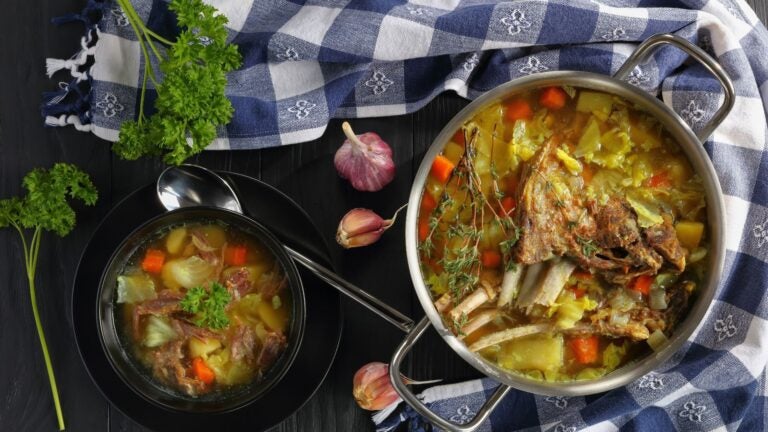
If you’re spending some time in Iceland, you must try the following foods to experience true Icelandic culture and cooking.
- Kjötsúpa: An Icelandic broth made with tender lamb meat, root vegetables, potatoes, and herbs.
- Plokkfiskur (fish stew): Boiled cod or haddock mashed together with potatoes, onions, and a white béchamel sauce.
- Pylsur: The famous Icelandic hot dog ordered “ein með öllu” (one with everything), which includes raw onions, crispy fried onions, sweet brown mustard, ketchup, and remoulade.
- Rúgbrauð: Dense rye bread served warm with salted butter or smoked fish.
- Rye bread ice cream: Vanilla ice cream mixed with caramelized sweet rye bread crumbs.
Where to eat in Reykjavik
Reykjavik has quite a modern food scene, with traditional restaurants and Michelin-starred dining halls. Where you go to eat depends on your preferences and whether you’re down to experience local, authentic food or stick to your favorites.
Here are some places you can visit in Reykjavik, each with a different cuisine and very easy to visit via Iceland’s public transport.
- Bæjarins Beztu Pylsur: The most famous hot dog stand in the country, serving classic lamb-blend hot dogs since 1937.
- Café Loki: Located directly across from Hallgrímskirkja church, ideal for tasting traditional fish stew, rye bread ice cream, and smoked trout.
- Messinn: A cozy spot near the city center, famous for serving fresh fish cooked in cast-iron pans with honey-glazed arctic char and buttered potatoes.
- 101 Reykjavik Street Food: Perfect for quick, budget-friendly bowls of warm kjötsúpa (fish soup).
Iceland food prices: How much does eating out cost?
Food in Iceland is generally expensive due to a large amount of imported goods and high sales taxes. You can expect to pay anywhere between 800 ISK (~$6 USD) and 15,000 ISK (for a three-course dinner).
Reykjavik food tours: Are they worth it?
Joining a Reykjavik food tour is a good way to quickly explore the local food scene. It’s worth it for someone particularly interested in the local Icelandic cuisine.
Guided food tours let you sample small portions of expensive dishes such as lamb soup, Arctic char, cured meats, and local cheeses at several top restaurants. It’s also a great way to get cultural context about Iceland’s food history and local life.
Staying connected while eating your way around Iceland
Looking up popular restaurants, translating Icelandic food tables at the grocery store, and learning more about the history behind every dish requires reliable mobile data.
Holafly’s eSIM for Iceland keeps your smartphone connected across the island with unlimited data, 24/7 customer support, and 5G speeds. Holafly eSIMs also offer 1 GB of Always On monthly backup data at no added cost, so you never lose connection while traveling.
Keep your eSIM installed on your device to receive the backup data every month.

Connect to the fastest networks
International eSIMs, local networks. Enjoy the best of both worlds with Holafly.
FAQs about Iceland food
Yes, Reykjavik and other towns have plant-based options, vegetarian, or vegan dishes like vegetable soups, veggie burgers, or plant-based skyr alternatives.
Yes, drinking tap water in Iceland is safe, pure, and even recommended. This tap water comes from natural springs and glaciers.
Tipping is not expected or required in Iceland. Service charges and taxes are usually included in the menu price.
Yes, visitors can bring up to 3 kg (6.6 lbs) of food into Iceland, provided it does not exceed a total value of 25,000 ISK. Raw meat and unpasteurized dairy products are strictly prohibited.
Plans that may interest you


Born and raised in Queens, New York, I'm a Psychology graduate with a passion for writing that I've been nurturing since 2019. Over the years, I've enjoyed creating meaningful content across various niches, including sports, hospitality, and career development. At Holafly, I focus on crafting useful and inspiring pieces to make your adventures more effortless. One of the best perks of this role? Creating travel content always seems to inspire my next vacation destination!