Language
Best festivals in Morocco: Dates and guide for 2026
From ancient Amazigh new-year rites to the Gnaoua beats of Essaouira, Morocco's festival calendar runs all year. Here's what to catch in [currentyear] and how to stay connected.
Morocco is a culturally rich land, full of history, religion, and artistic endeavors that results in a diverse range of festivals. Every year, Morocco welcomes travelers looking to celebrate and experience ancient and modern traditions through music, art, spirituality, and history.
That’s why we have prepared a guide to the best festivals in Morocco. Whether you’re into cultural and religious celebrations or modern music festivals, there’s something for everyone to connect with the country’s vibrant culture.

Count memories, not data
Never lose connection with unlimited data eSIMs from Holafly.
What festivals are celebrated in Morocco?
Moroccan festivals are a unique mix, where religion, the country’s history, and culture blend into different celebrations. Religion, music, and art are the main protagonists, making these among the most important traditions for locals and travelers.
Throughout the country, you’ll find festivals based around traditional dances and food, colorful parades, unique art exhibitions, or spiritual connections. Your experience will vary greatly based on the type of Moroccan festivals you attend.
Whichever takes your fancy, these festivals are the perfect opportunity for cultural exchange; just keep in mind that they often follow the lunar calendar, so the dates will change from year to year.
Islamic observances and celebrations in Morocco
Morocco’s religious calendar follows the lunar Hijri calendar, so these dates fall around 11 days earlier each year. Some are public celebrations travelers are welcome to join. Others are private acts of worship. The respectful approach is to know what each one is, accept hospitality when it’s offered, and treat sacred observances as more than a photo opportunity.
Ramadan. The ninth month of the Islamic calendar, a period of daytime fasting and prayer rather than a festival. Non-Muslims aren’t expected to fast, and there’s no law against travelers eating in public, but the respectful move is to avoid eating, drinking, or smoking in the street during daylight. Eat in your hotel, riad, or a tourist restaurant, dress modestly, and accept an iftar invitation if one’s offered. Expect a slower daytime pace and many local eateries closed until sunset.
Eid al-Fitr. The celebration that ends Ramadan, built around family meals, prayer, and gifts for children. Travelers can enjoy the festive mood and are often warmly welcomed. It stays a religious holiday, so dress with care, and expect many shops and offices to close for a day or two. “Eid Mubarak” is the standard greeting.
Eid al-Adha. The Feast of Sacrifice, one of the year’s most important religious days, marked privately within families. This is an act of faith, not a public spectacle, so awareness rather than participation is the respectful role. Cities grow quiet and most businesses close for a day or more.
Mawlid al-Nabi. The Prophet Muhammad’s birthday, marked with prayers, chanting, and Sufi ceremonies. Salé is known for its centuries-old candle procession to the Sidi Abdellah Ben Hassoun mausoleum, and Meknes hosts the Aissawa brotherhood’s Moussem of Shaykh al-Kamil. Travelers are welcome to watch, so keep a low profile and follow the lead of those around you.
Islamic New Year. The first of Muharram opens the Hijri year. It’s a low-key religious observance with few formal public events, though you may hear children setting off firecrackers in the run-up. Little adjustment needed for travelers.
Ashura. Falling on the tenth of Muharram, this is a lively public and family celebration in Morocco, with bonfires the night before, gifts and drums for children, and the Zamzam water game the next morning. Travelers often see the festive side firsthand, so expect to get splashed, take it in good humor, and keep your phone dry.
Best cultural festivals in Morocco
Let’s start our guide with cultural festivals, a mix of ancient traditions and Islamic religion, where the cultural diversity will make you fall in love with the country.
1. Yennayer (Amazigh New Year)
Yennayer, the Amazigh New Year, marks the start of the agricultural year and is celebrated mainly in Berber regions near the Atlas Mountains. Expect traditional music, dances, and crafts, as well as Amazigh art forms such as Ahwash and Ahidous. In Casablanca, the Craft Village at Place Rachidi is a good spot to pick up a handmade gift.
Time: Mid-January (around January 12 to 14)
2. Almond Blossom Festival
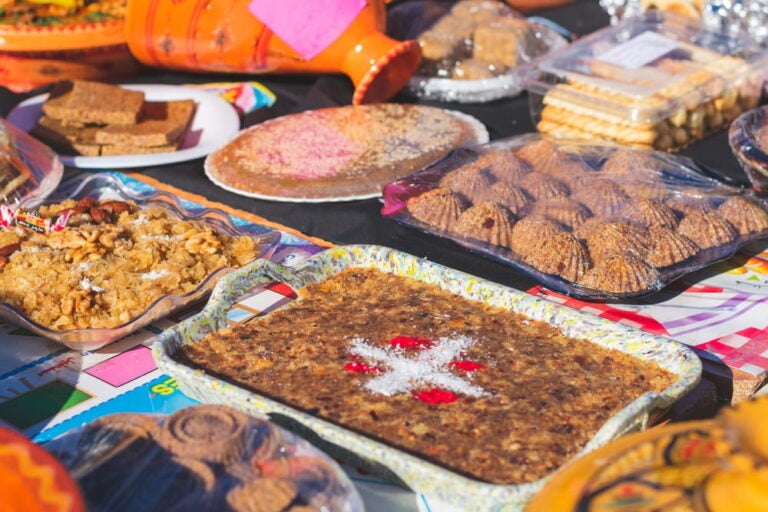
Held in the mountain town of Tafraoute in the Anti-Atlas, the Almond Blossom Festival is a Berber celebration that welcomes all visitors. It takes place in February when the almond trees bloom, with traditional music, dances, and local dishes. It’s also a fine time to explore the Anti-Atlas for sweeping views of the town and the blossoming groves.
Time: February (timed to the almond bloom)
3. Rose Festival in Kelaat M’Gouna
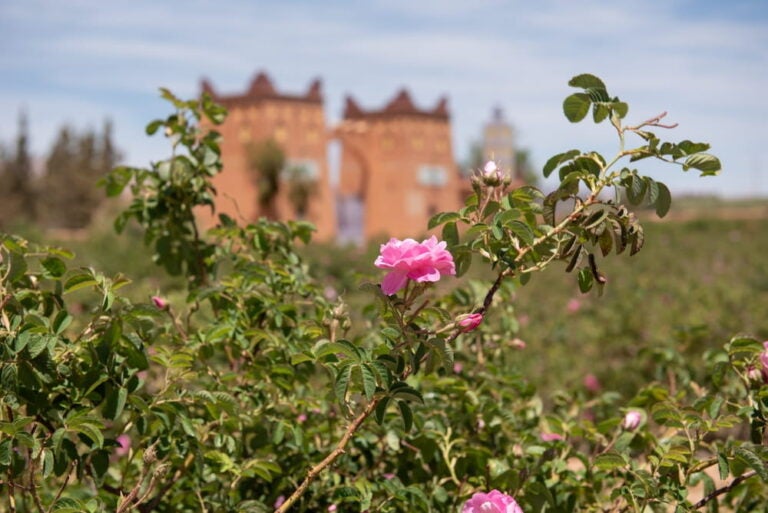
Each May, the town of Kelaat M’Gouna in the Dades Valley celebrates its Damask rose harvest with the Moussem des Roses. Amazigh musicians and dancers fill the streets, stalls sell rose water, oil, and soap, and a parade of petal-covered floats crowns the year’s Rose Queen. It’s a free, family-friendly public event, so travelers are welcome to watch, shop, and even join the rose-picking in the fields.
Time: Early to mid-May (dates follow the rose harvest)
4. Candle procession in Salé
On the eve of Mawlid, the old medina of Salé fills with a candlelit parade dating back to the 16th century. Participants carry tall wooden frames covered in decorated wax candles to the mausoleum of Sidi Abdellah Ben Hassoun, accompanied by Andalusian music and devotional chants. Travelers are welcome to watch from the medina, where the mood stays calm and ceremonial.
Time: The eve of Mawlid al-Nabi (shifts each year with the lunar calendar)
Best music festivals in Morocco
While religious and cultural festivals are extremely common in Morocco, its rich cultural heritage also opens doors for music festivals.
5. Essaouira Gnaoua and World Music Festival
Each June, the coastal city of Essaouira hosts one of Morocco’s most popular festivals, built around the musical heritage of the Gnaoua people. For nearly 30 years, it has brought musicians from around the world together to blend their sounds with traditional Gnaoua rhythms. Alongside the concerts you’ll find workshops and artistic performances, many of them free and open along the ramparts.
Time: Late June (three days)

6. Fes World Sacred Music Festival
The Fes World Sacred Music Festival blends traditional Moroccan music with spiritual sounds from around the world, with the aim of bringing cultures together. Beyond the concerts, it runs workshops and talks, plus cultural tours of Fes, one of Morocco’s four imperial cities. Buy tickets in advance, and pack loose, light clothing for the warm days.
Time: Late May to early June

7. Mawazine Festival
Rabat hosts the Mawazine Festival, one of the largest music events in the world, with local and international artists across genres like pop, rock, and jazz. Many concerts are free, though headline shows are ticketed, so check the lineup and book ahead. It’s a great addition if you’re planning things to do in Morocco, and a Morocco SIM card or eSIM keeps you online for last-minute tickets and lineup changes. While you’re in the capital, visit sites like the Royal Palace and the Hassan Tower.
Time: Late June (nine days)

Stay connected in Morocco with Holafly
You’ll need mobile internet in Morocco to make the most of the best festivals in Morocco. Whether you’re checking a shifting festival date, finding your way to a venue in Essaouira or Rabat, translating with vendors at the Rose Festival souk, or sharing photos and reels from the parade, staying online keeps the day running smoothly.
With Holafly, you have two ways to stay connected in Morocco. The first is the Holafly eSIM Morocco, which includes unlimited data, 5G connectivity, 24/7 support, and data sharing. Data plans start at $7.90/day, and they get cheaper the more days you buy, so one plan can cover a single festival weekend or a longer trip across the country.
The second option is a Holafly Plans subscription, a mobile connection you take with you from one trip to the next. Plans range from 25 GB to unlimited data, with 5G connectivity, data sharing, and a five-minute setup. It’s a good fit for long-term travelers and digital nomads who follow Morocco’s festival calendar through the year.
Every Holafly eSIM also comes with Always On, 1 GB of free backup data each month across 70+ countries. Think of it as a safety net, so if your main plan runs low while you’re uploading festival clips, you still have data for maps and messages.

Avoid excessive roaming fees
Don't get caught out by data roaming charges in Morocco. Use local networks at local rates.
FAQs about festivals in Morocco
The Gnaoua and World Music Festival in Essaouira is Morocco’s most famous festival. Held each June, it draws global artists and huge crowds for Gnaoua music, workshops, and street performances. The Fes World Sacred Music Festival and the Mawazine Festival in Rabat are also internationally known.
Traditional festivals in Morocco include Yennayer, the Amazigh New Year in January, the Almond Blossom Festival in Tafraoute each February, and the Rose Festival in Kelaat M’Gouna each May. The candle procession in Salé, held on the eve of Mawlid, is another long-standing custom rooted in local heritage.
Eid al-Fitr, which marks the end of Ramadan, is the biggest holiday in Morocco. Families gather for prayers, shared meals, and gifts over several days. Eid al-Adha, the Feast of Sacrifice, is the other major religious holiday. Both follow the lunar calendar, so their dates shift each year.
Plans that may interest you


I first started my content creation journey as a freelancer in 2019, before connecting with Holafly in 2021. At Holafly, my travel and tech interests come together in one place as I craft high-quality articles about the eSIM and related markets. My content aims to help travelers stay connected, wherever they are.