Language
What is a UK visa sponsorship?
Confused about the UK visa sponsorship? Here's a guide to eligibility, requirements, visas, and the sponsorship process.

If you’re planning to work in the UK and you’re not a British or Irish citizen, there’s a good chance you’ll need an employer to sponsor your visa. But what is it, exactly? In simple terms, a UK visa sponsorship means a UK-based employer is offering you support to work legally in the country. They do this through a government-approved system and issue you a Certificate of Sponsorship (CoS), which is one of the most important parts of your visa application.
This is most commonly linked to the Skilled Worker visa, which replaced the old Tier 2 work visa system. The Skilled Worker visa allows foreign nationals to live and work in the UK for an approved employer.
But here’s the thing: Not every UK visa requires sponsorship. Some visas are based on family connections, studies, or business investments. Others allow you to work without needing a company sponsor at all. Also, a lot of people assume getting sponsored is impossible unless you’re a doctor, engineer, or tech person. That’s not true anymore. Today, UK sponsorship visas cover a wide range of industries, including healthcare, hospitality, education, construction, finance, and even creative roles.
So if working in the UK has been on your vision board, this guide will help you understand who needs sponsorship, how the process works, what the employers are looking for, and how to avoid common mistakes.
Who must apply for a sponsorship visa in the UK?
Not everyone moving to the UK needs sponsorship. It depends on your nationality, your reason for moving, and the type of visa you’re applying for.
You’ll need UK visa sponsorship if:
- You’re from outside the UK and Ireland.
- You want to work in the UK long-term.
- Your visa category requires employer sponsorship.
- You’ve received a job offer from a UK company licensed to sponsor employees
For example, if a company in London offers you a marketing job and they are registered with the UK government as a licensed sponsor, they can issue a Certificate of Sponsorship so you can apply for your visa.
You may not need sponsorship if you:
- Are a British or Irish citizen.
- Hold settled or pre-settled status.
- Have indefinite leave to remain (ILR).
- Qualify for visas like the Graduate visa or Global Talent visa.
For example, international students who complete eligible degrees in the UK may apply for a Graduate visa and work temporarily without employer sponsorship. Similarly, highly skilled professionals in fields like science, technology, arts, or research may qualify for the Global Talent visa, which does not require sponsorship from an employer.
Eligibility for a sponsorship visa in the UK
Main requirements for UK visa sponsorship
To qualify for a Skilled Worker sponsorship visa in the UK, you need:
- A job offer from a licensed UK sponsor.
- A Certificate of Sponsorship (CoS).
- A role listed as eligible by the UK government.
- Proof of English language ability.
- A salary that meets the minimum requirement.
- Supporting documents.
Your employer must also be approved by the UK Home Office to sponsor international workers.
How do you know if your job is eligible for sponsorship?
The UK government has an official list of eligible occupations. These jobs are assigned occupation codes and cover industries like:
- Healthcare.
- IT.
- Engineering.
- Education.
- Hospitality.
- Construction.
- Finance.
- Social care.
In recent years, healthcare and social care jobs have seen particularly high sponsorship demand due to staffing shortages across the UK.
A quick way to know if a role qualifies? Search for jobs that mention “Visa sponsorship available” or “Skilled Worker sponsorship”.
What is the minimum salary for a UK sponsorship visa?
The minimum salary requirement is based on whichever amount is higher: £41,700 per year or the official going rate for your specific job role. However, the salary threshold may be lower if you’re extending your Skilled Worker visa, switching employers, updating your visa for a new role, or applying as a prison officer. Your employer must also ensure that your pay meets UK minimum wage laws and follows legal working hour regulations. If these requirements are not met, your visa application could be refused.
Do you need a degree?
Not always. Some sponsorship jobs require university qualifications, especially in fields like medicine, engineering, or law. But a lot of the sponsored roles focus on:
- Work experience.
- Technical skills.
- Industry knowledge.
- Professional certifications.
Supporting documents you may need
Applicants need:
- A valid passport.
- Certificate of Sponsorship reference number.
- Proof of English language ability.
- Bank statements or financial proof.
- Tuberculosis test results (depending on your country).
- Criminal record certificate for some jobs.
- Educational or professional documents.
When you cannot apply
You may not qualify if:
- Your employer is not licensed to sponsor workers.
- Your job is not eligible.
- Your salary does not meet requirements.
- Your documents are incomplete.
- You fail the English language requirement.
- You have immigration violations or restrictions.
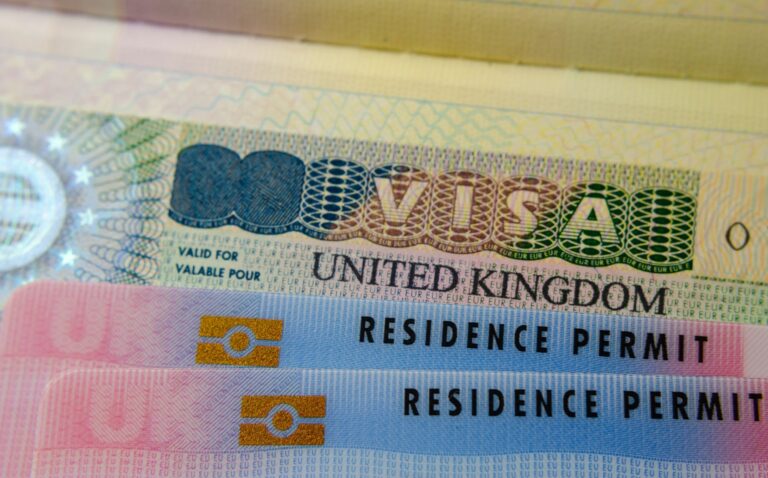
Applying process for a sponsorship visa in the UK
This is the part most people stress over. But the process is actually easier when you break it down step by step.
Step 1: Find a sponsored job in the UK
Your first goal is finding an employer licensed to sponsor international workers. Many UK job boards now clearly mention sponsorship availability. Focus your search on companies already open to international hiring. It saves time and increases your chances significantly.
Step 2: Receive a job offer
Once hired, your employer will issue a Certificate of Sponsorship (CoS). Please note that this is not a physical certificate. It’s a digital reference number containing details about your role, salary, employer, and sponsorship details
Step 3: Apply for the Skilled Worker visa
You’ll complete your visa application online and upload your supporting documents. At this stage, you’ll also pay the visa fee, pay the Immigration Health Surcharge (IHS), and book your biometric appointment.
Tip: The Immigration Health Surcharge gives you access to the UK’s National Health Service (NHS).
Step 4: Attend your biometric appointment
This appointment involves fingerprints scans, taking your photograph, and identity verification.
Processing times vary, but many Skilled Worker visa applications are processed within a few weeks. Once approved, you can enter the UK and begin working for your sponsoring employer.
Stay connected during your move to the UK
Moving to the UK with visa sponsorship means relying on mobile data to contact your employer, access immigration documents, and arrange accommodation.
For a longer stay and travel abroad, Holafly Plans provides one monthly connection across more than 160 destinations. Choose between the Unlimited Plan and the Light Plan with 25 GB, both with hotspot access and no long-term contract. If you are making a shorter visit before relocating, a UK eSIM is a suitable option.
Both include Always On, providing 1 GB of free backup data every 30 days so you can access essential information if your main plan is inactive.

What to keep in mind when asking for a sponsorship visa in the UK?
No doubt a UK visa sponsorship can open your world to major career opportunities. But it also comes with a whole lot of planning. Here are a few things to keep in mind:
Sponsorship takes time
Even after getting a job offer, there are still multiple approval stages. Your employer may need time to:
- Prepare sponsorship documents.
- Confirm salary details.
- Generate your CoS.
Then your visa application itself takes additional processing time. So if you’re planning a move around a specific date, start early.
Documentation matters
Tiny errors can delay applications. A missing document, incorrect spelling, or outdated passport can slow everything down. Before submitting anything:
- Double-check dates.
- Match names exactly.
- Verify your financial documents.
- Confirm your occupation code.
English language requirements are important
Applicants must prove English proficiency through:
- Approved language tests.
- Eligible academic qualifications.
- Nationality exemptions.
Even fluent English speakers may still need official proof depending on their country and education history.
Immigration Health Surcharge adds to costs
Don’t forget to budget for the Immigration Health Surcharge (IHS). It’ll cost you £1,035 per year. This fee is mandatory for long-term UK visas and can significantly increase your overall costs.
Sponsorship is tied to your employer
Your visa is linked to the employer sponsoring you. So, if you leave your job, lose your job, or change employers, you may need a new sponsorship certificate and visa update.
At its core, sponsorship simply means a licensed UK employer is supporting your right to work through an approved immigration process. And while the process may seem paperwork-heavy at first, it becomes much easier once you understand the requirements, eligibility rules, and application steps.
Plans that may interest you

With an MBA degree I used to put to good use in another life, I now write for both passion and profession! When not writing, I'm exploring the world, collecting stories and souvenirs along the way.