Language
Step inside The Odyssey: 6 magical filming locations across Greece, Italy, Morocco, and beyond
Discover where Christopher Nolan filmed The Odyssey across six countries. Explore real-world sets and plan your own Odyssey today.

The Odyssey is one of the greatest 2,000-year-old stories ever told. Oscar-winning director Christopher Nolan has brought it back to life in the $250 million budget film adaptation of the classic by the Greek poet Homer.
The hype around the film is undeniably real. Fresh off a massive $265 million global opening weekend, fans are flocking to cinemas all over the world for the intended experience.
If you’ve fallen in love with the film’s cinematic backdrops, the good news is you can add each of these locations to your very own odyssey. Here’s a breakdown by location.
The Peloponnese region, Greece
For most of The Odyssey’s historical scenes featuring giants and ancient kings, production chose the Peloponnese region of Greece.
Voidokilia Beach and Nestor’s Cave, Messenia
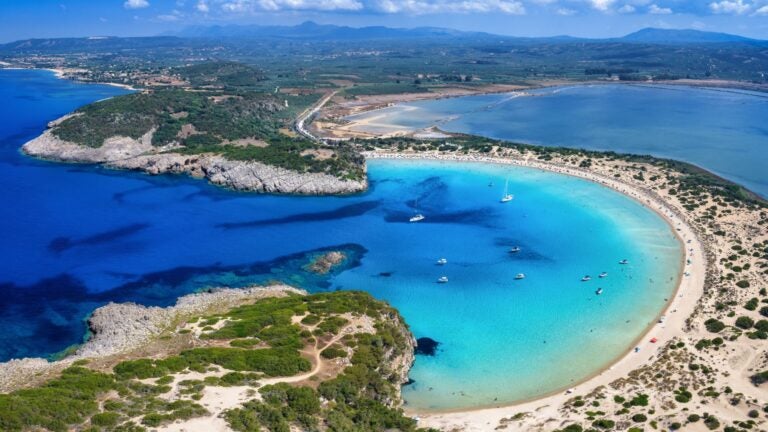
This is where the Cyclopes’ initial landing was filmed. It’s a horseshoe-shaped, sandy bay. Directly above the bay is Nestor’s Cave. This prehistoric cave was used to shoot the interior of Polyphemus’ lair.
- How to visit: Fly into Kalamata International Airport and rent a car. The beach is a 50-minute drive from the airport. You’ll find a marked footpath from the dunes up to the cave entrance. You will only be able to explore the surroundings and viewpoints of Nestor’s Cave. Otherwise, the cave itself is a non-visitor archaeological site.
Methoni Castle and Acrocorinth
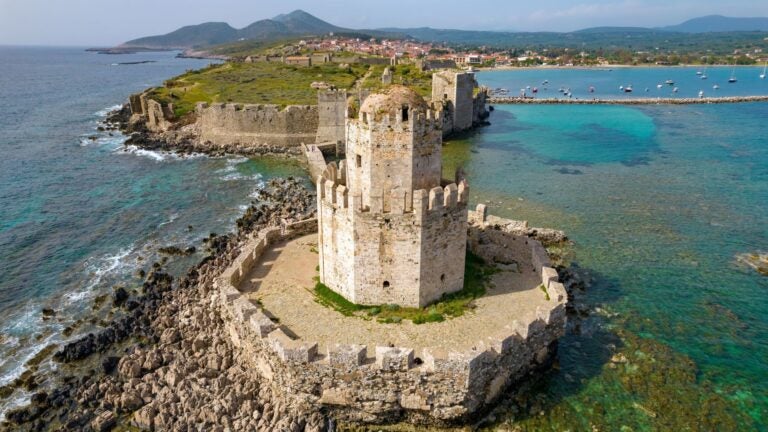
The crew used the original historic ruins of Methoni Castle, a medieval fortress which extends into the sea, and the ancient citadel of Acrocorinth as the kingdoms Odysseus visits.
- How to visit: Both of these locations are accessible by car from Athens or Kalamata. Methoni Castle sits on a height in the southwest, while Acrocorinth is a short drive from the Isthmus of Corinth.
High Atlas and Atlantic Coast, Morocco
Various locations in Morocco served as backdrops for the early chapters of The Odyssey, including the ancient desert aesthetic of Troy and the oceanfront scenes for the Trojan House sequence.
Aït Benhaddou
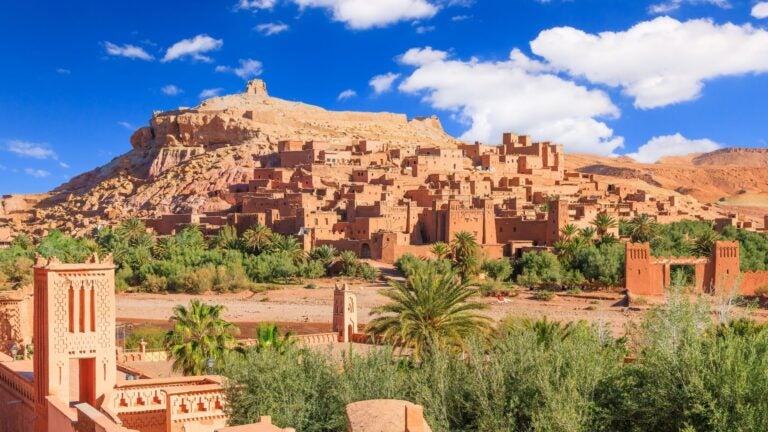
This UNESCO World Heritage Site was used to film the ancient city of Troy. This 11th-century village in Marrakech is somewhat of a star in itself. It’s been featured in several blockbusters, including Gladiator, Game of Thrones, and Prince of Persia: The Sands of Time.
Nolan was dedicated to building huge practical sets using reddish-brown architecture to ground the film’s opening acts. By February 2025, Nolan had rebuilt ancient Troy and had 2000 extras to recreate the city’s demise.
- How to visit: You can book a day tour or drive from Marrakech. Aït Benhaddou is three and a half hours from Marrakech, near the city of Ouarzazate.
Essasouria
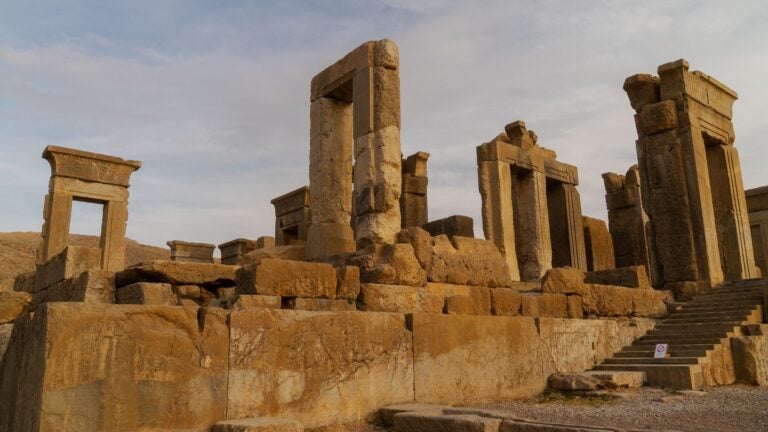
The windy Atlantic coast and sea walls of Essasouria were fittingly used to film the iconic Trojan Horse sequence.
- How to visit: Catch a direct Supratours bus from Marrakech. The entire drive is around 3 hours. You can walk the stone Skala de la Ville ramparts on foot or with a tour guide.
Sicily and the Egadi Islands, Italy
This is where Odysseus’ home island, Ithaca, and the kingdom of Aeolia are brought to life.
Favignana
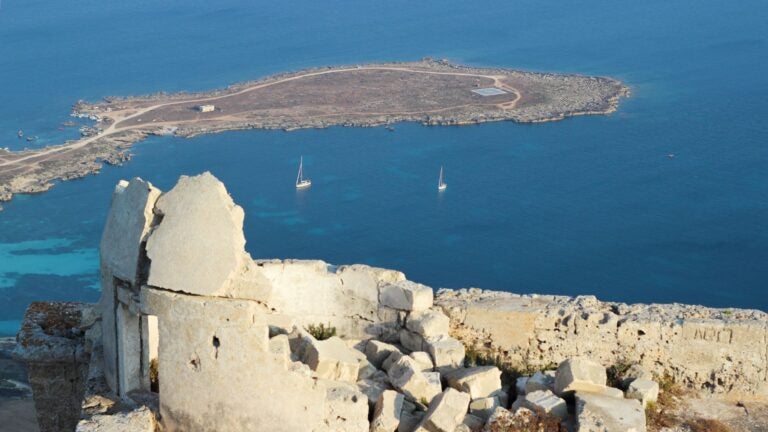
The largest of the Egadi Islands, Favignana, stood in for Ithaca, and for good reason. The castle ruins of Castello di Santa Caterina represented the royal palace where Penelope and Telemachus await Odysseus.
- How to visit: Take a 30-minute Liberty Lines ferry from Trapani city port in western Sicily. Once you’re in Favignana, you can hike up to the castle or rent an e-bike to explore the island.
Aeolian Islands (Vulcano, Basiluzzo, and Lipari)
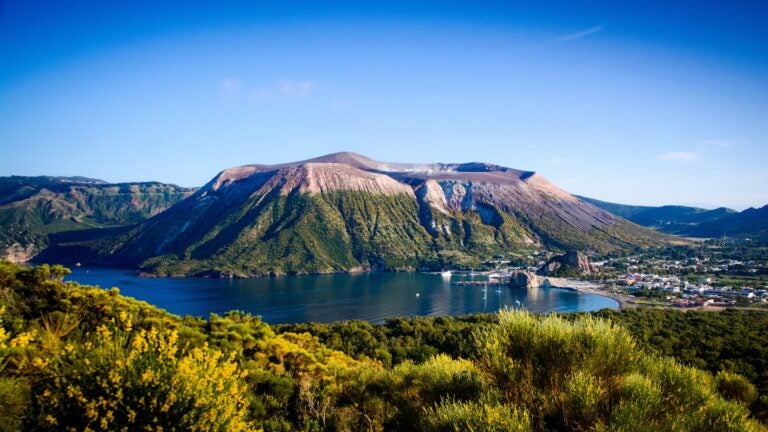
These active volcanic islands represented the realm of Aeolia, home of the wind god Aeolus. The volcanic rock formations were used as a backdrop for Poseidon’s wrath.
- How to visit: Fly into Palermo or Catania airport, then head to Milazzo and take a ferry to Lipari or Vulcano. Local boats run daily trips to islets like Basiluzzo.
Moray Firth and Aberdeenshire, Scotland
Scotland’s rugged terrain was perfectly fit to stand in for the isolated realms of witches and giants in The Odysseus.
Findlater Castle, Aberdeenshire
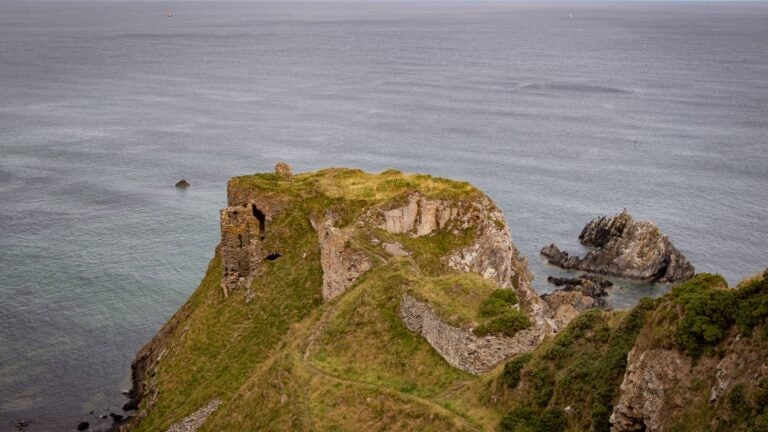
The ruins of the 15th-century fortress of Findlater Castle, which sat on a 50-foot cliff overlooking the Moray Firth, acted as the home of the sorceress Circe, who lived on the island of Aeaea, raising “pigs”.
- How to visit: Drive to Sandend or Cullen. Hike along the coastal path to view the cliffside ruins. Entering the ruins themselves is restricted.
Culbin Forest, Moray
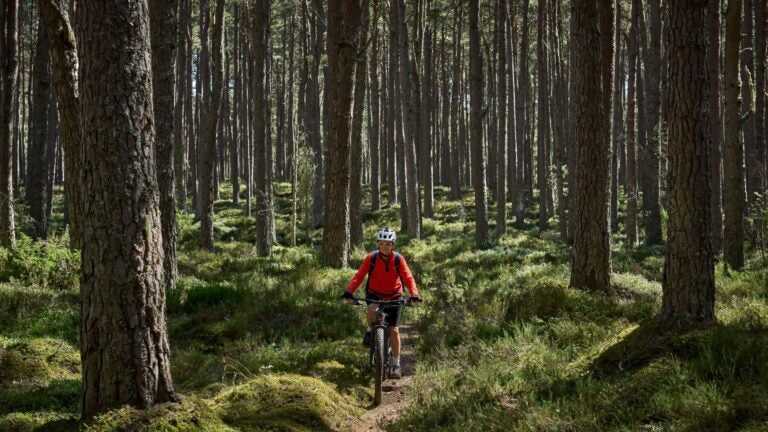
The dense pine groves of Culbin Forest were used to film Odysseus’ encounter with the giant Laestrygonians. Nolan used the towering tree canopies to his advantage for camera tricks without digital effects.
- How to visit: Located near Forres, Culbin Forest has parking areas at Wellhill. You can explore the forest paths on foot or rent a bike in Forres.
South Coast, Iceland
To create the atmosphere of Hades, the Greek god of death, the volcanic black sands, glaciers, and thundering waterfalls of Iceland’s South Coast were the obvious and perfect choice.
Hjörleifshöfði and Landeyjahöfn
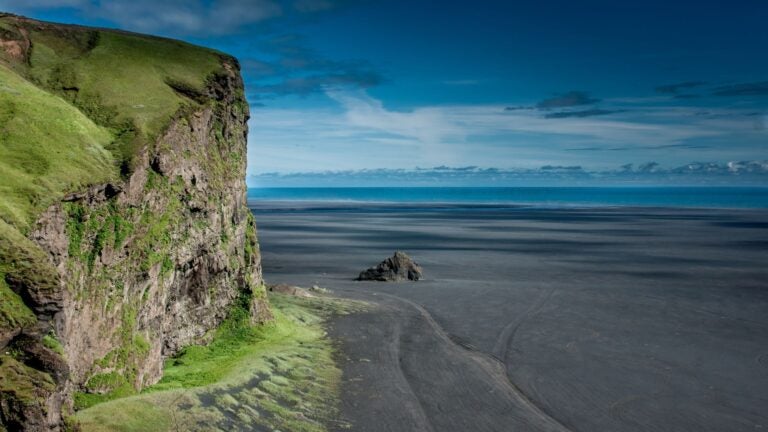
The vast black volcanic sand plains surrounding the Hjörleifshöfði stood in for the underworld. Nearby, Landeyjahöfn represented the harbor where Odysseus moored his Viking ship, the Draken.
- How to visit: Rent a car in Reykjavik and drive three hours along Route 1 towards Vik. The black beaches of Hjörleifshöfði are accessible via turn-offs off the main road.
Gozo and Kalkara, Malta
Malta provided the coastal landscapes for Calypso’s isolated islands and marine production facilities.
Gozo
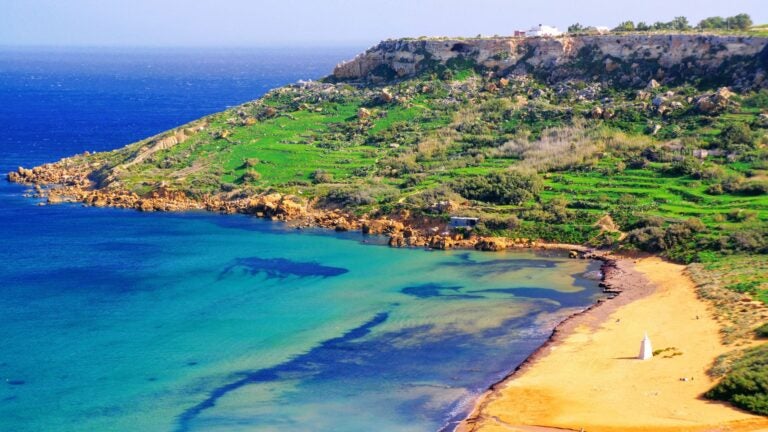
The island of Gozo is where sea nymph Calypso detains Odysseus for seven years. Its limestone sea cliffs and inlets add to the Calypso’s mystical home.
- How to visit: Take a 25-minute Gozo Channel passenger ferry from Cirkewwa on the main island of Malta.
Malta Film Studios, Kalkara
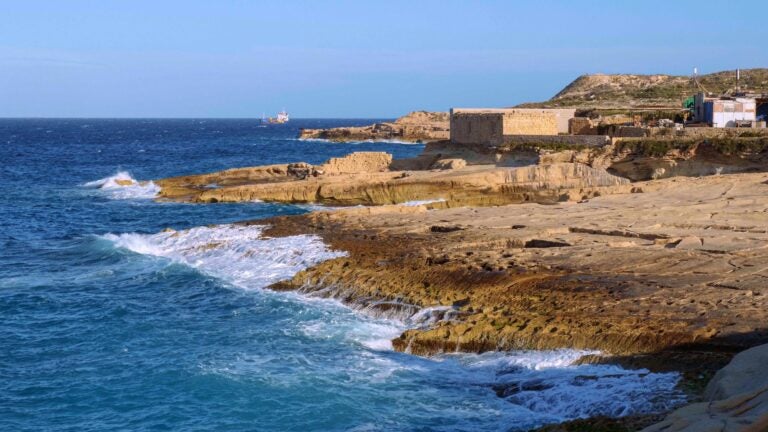
The intense storm and sea battles were filmed at the deep-water tanks in Kalkara. These sit along the Mediterranean shoreline, merging with the water against the horizon.
- How to visit: While the studio interior is private, the horizon tanks are easily visible from Kalkara’s coastal road.
Bonus fun facts about The Odyssey (2026)
- No green screens: The entire film was shot over 91 days across six countries using IMAX 70mm cameras on location.
- Real Viking longboat: The production used the Draken Harald Hårfagre, the world’s largest modern-built Viking ship.
- Special underworld filming location: The Hades sequence was shot in June in Iceland to take advantage of 24-hour daylight, creating unique lighting effects for the underworld.
- Huge Moroccan sets: Construction for the Troy set at Aït Benhaddou took over two months and utilized thousands of local extras.
Stay connected through your own odyssey with Holafly
Even as a dedicated Odyssey fan, navigating across six different countries to experience the locations in real life can be intimidating. Things can get complicated fast if you’re constantly swapping physical SIM cards or paying high international roaming fees.
A reliable internet connection makes traveling stress-free. With Holafly’s travel eSIMs, you get unlimited data across all these film locations (with one eSIM plan) without unexpected roaming charges. You also get 1 GB of Always On monthly backup data with every eSIM plan, for as long as you keep your eSIM installed.

Connect to the fastest networks
International eSIMs, local networks. Enjoy the best of both worlds with Holafly.
Plans that may interest you

Born and raised in Queens, New York, I'm a Psychology graduate with a passion for writing that I've been nurturing since 2019. Over the years, I've enjoyed creating meaningful content across various niches, including sports, hospitality, and career development. At Holafly, I focus on crafting useful and inspiring pieces to make your adventures more effortless. One of the best perks of this role? Creating travel content always seems to inspire my next vacation destination!