




 Language

9 Traditional Mexican Christmas foods you’ll want to try this year!
Looking for some global holiday food inspiration this festive season? From tamales to buñuelos, here are 9 traditional Mexican Christmas foods that deliver a taste of Navidad Mexicana!

In Mexico, Christmas isn’t just about the food; it’s about coming together.
One of the main celebrations takes place on Christmas Eve, known as Nochebuena, when families gather for a festive meal. The dishes vary by region and family tradition, but popular choices include tamales, bacalao a la Vizcaína, romeritos, roasted turkey, and seasonal sweets.
From hearty stews and savory seafood dishes to sweet fritters and spiced holiday drinks, Mexican Christmas food reflects the country’s rich culinary traditions.
9 traditional Mexican Christmas foods to try
Here are nine traditional Mexican Christmas foods that could bring a special touch to your dining table, or even inspire you to take a festive trip to Mexico!
1. Tamales
Tamales are a beloved traditional Mexican food that many families enjoy during the Christmas season. In some households, preparing them is a communal activity, bringing relatives together for hours of cooking and conversation. Recipes and fillings vary across regions and families.
Recipe: Corn dough (masa) is filled with ingredients such as shredded pork or chicken, cheese, or chiles, then wrapped in corn husks or banana leaves and steamed.
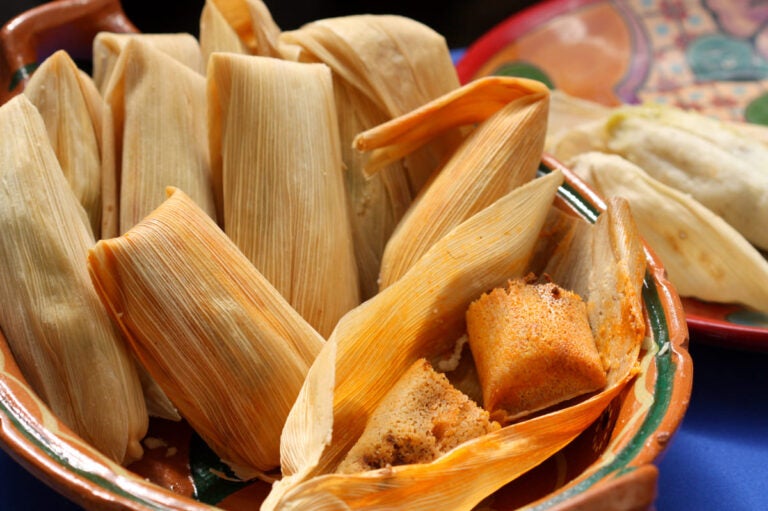
Tamales are a beloved traditional Mexican Christmas food, central to Nochebuena feasts and New Year gatherings. Families often have their own secret recipes, which are prepared communally, bringing loved ones together for hours of cooking and conversation.
Recipe: Corn dough (masa) is filled with meat (shredded pork or chicken), cheese, and chiles, then steamed in corn husks or banana leaves.
2. Bacalao a la Vizcaína
Bacalao a la Vizcaína is a salted cod dish that takes time and love to prepare. This, along with its savory, tangy flavor, embodies the warmth and family spirit of the Mexican holiday season.
Recipe: Salted cod is simmered in a rich, red tomato sauce with onions, garlic, olives, capers, and sometimes potatoes or bell peppers.
3. Romeritos con mole
Romeritos con mole is a traditional Mexican Christmas dish, particularly popular in central Mexico. It combines romeritos, an edible leafy plant known as seepweed, with mole sauce and other ingredients. It’s commonly served with potatoes, nopales (cactus paddles), and shrimp cakes during the festive season.
Recipe: Romeritos (seepweed) is cooked with potatoes, nopales (cactus paddles), and shrimp cakes. This is all then smothered in a chocolate-spiced mole sauce, made with nuts, fruits, dried chili peppers, and various spices.
4. Pozole
Pozole is a traditional Mexican stew made with hominy that is enjoyed throughout the year, including during some Christmas celebrations. There are three main varieties: pozole rojo (red), pozole verde (green), and pozole blanco (white). The ingredients and toppings vary depending on the region and recipe.
Recipe: Hominy (a specific large white corn kernel) is cooked with pork shoulder or chicken. It’s then seasoned with garlic, onions, and chiles, and garnished with shredded cabbage, radishes, lime, and oregano.
5. Ensalada de Nochebuena
Ensalada de Nochebuena is a colorful, festive salad. It’s served as a flavorful side dish for Nochebuena, complementing the hearty mains of tamales, bacalao, and romeritos. Combining fruits and vegetables, Ensalada de Nochebuena adds a touch of sweetness to the Mexican Christmas table.
Recipe: Ingredients vary by region and family, but a traditional version typically combines cooked beets, lettuce, jicama, oranges, apples, lime, and sugar cane. Peanuts and small pieces of festive candies may also be added, with the ingredients mixed together and dressed with a little vinegar and salt.
6. Menudo
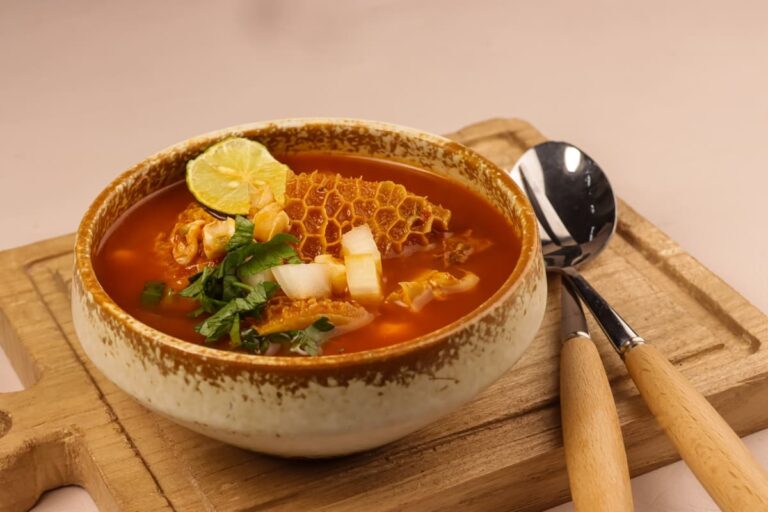
Menudo is a traditional Mexican soup made with beef tripe (cow’s stomach) and a rich, often red chile-based broth. Although it isn’t specifically a Christmas dinner staple, some families enjoy it during the holiday season, particularly as a late-night meal or breakfast after celebrations.
Recipe: Slow-simmered beef tripe is combined with hominy, garlic, onions, and red chiles, then served with lime, chopped onions, oregano, and crushed chili flakes for added flavor.
7. Roast Turkey (Pavo)
Turkey (pavo or guajolote) has a long history in Mexico, where it was domesticated by Indigenous peoples long before European colonisation. Today, roasted turkey is also a popular choice for Christmas celebrations, often prepared with regional ingredients and family recipes.
Recipe: Depending on the family recipe, turkey may be stuffed with nuts, dried fruits, and other ingredients, then seasoned or glazed with a sauce such as adobo or mole before being roasted.
8. Buñuelos
Buñuelos are sweet, crispy fritters, often served as a dessert during Nochebuena or as a snack during holiday gatherings. They are flat and thin, giving them a delicious crunch and a sugary coating. Enjoy them with a hot chocolate or warm festive drink.
Recipe: The dough is made of butter, flour, baking powder, eggs, and milk. It’s fried, then sprinkled with cinnamon sugar or drizzled with piloncillo syrup. They are often round but can also be crafted into snowflake shapes for a festive look.
9. Rosca de Reyes
Rosca de Reyes is a sweet, festive bread traditionally eaten on Día de los Reyes (Three Kings’ Day) on January 6. Although it isn’t a Christmas Eve dish, it is an important part of Mexico’s extended Christmas celebrations. Its ring shape, colourful candied fruit decorations, and hidden figurine make it a recognisable holiday tradition.
Recipe: The dough is made with flour, sugar, eggs, butter, milk, and yeast, and flavored with orange blossom or citrus zest, before being shaped into a ring. It’s then decorated with candied fruits and baked with a small baby Jesus figurine hidden inside.
Traditional Mexican drinks to end the night
Mexican Christmas celebrations often include a variety of traditional drinks, both alcoholic and non-alcoholic. Popular options include warm beverages that are especially comforting during the festive season:
- Champurrado: A thick, warm chocolate drink made with masa harina (corn dough flour), Mexican chocolate, water or milk, and cinnamon.
- Atole: A warm, thick corn-based drink traditionally made with masa harina or corn starch, water or milk, and flavourings such as cinnamon or vanilla.
- Ponche Navideño: A traditional hot fruit punch made with seasonal ingredients such as tejocotes, guava, apples, sugar cane, tamarind, cinnamon, and piloncillo. Some versions include a splash of alcohol, known as piquete.
- Café de olla: Mexican coffee brewed in a clay pot with cinnamon and sweetened with piloncillo (cane sugar).
- Rompope: A traditional Mexican egg-based liqueur made with ingredients such as eggs, milk, sugar, and vanilla, often containing rum or another spirit.
Mexican Christmas dining traditions and etiquette
Heading to Mexico this Christmas? If you’re invited to a Nochebuena feast, ask your host whether you can bring something to contribute, such as a homemade dessert or ponche (Mexican fruit punch).
Mexican Christmas meals often bring family and friends together around a table to share traditional dishes. Depending on the household, food may be served in communal dishes or individually plated, allowing everyone to enjoy their favourite festive foods.
Before starting your meal, wait until everyone is ready and take a moment to wish your hosts and fellow guests ‘¡Feliz Navidad!’ (Merry Christmas).
Festivals in Mexico are often lively celebrations filled with music, singing, dancing, and socialising, and the Christmas season is no different. During Las Posadas, celebrated from December 16 to 24, people gather to sing traditional songs, share food and drinks, and break piñatas. The classic Christmas piñata is a star-shaped one with seven points, traditionally representing the seven deadly sins.
Christmas traditions in Mexico are a little different from those in other parts of the world, like the US, Canada, or the UK. Family gatherings and sharing festive meals are important parts of the celebrations, while gift-giving customs vary between households. Some families exchange presents on Christmas Eve, while others wait until Día de los Reyes (Three Kings’ Day) on January 6.
That being said, many families also exchange gifts during the Christmas season, whether on Christmas Eve, Christmas Day, or Día de los Reyes. If you’re looking for a present or keepsake, consider Mexican spirits such as tequila or mezcal, or handcrafted items like pottery and embroidered textiles. Explore more ideas in our guide to Mexico souvenirs.
Stay connected this Navidad Mexicana with Holafly
Feeling inspired to experience a Mexican Christmas firsthand, but don’t want to come home to expensive Mexico roaming fees?
If you’re heading to Mexico for the holidays, consider a Holafly eSIM for Mexico for convenient connectivity throughout your trip. It offers:
- Unlimited data
- 24/7 customer support
- Always On 1 GB monthly data backup
- Reusable eSIM — install once, use every time you need data
Planning a longer stay or travel frequently? Check out Holafly Plans for global monthly data or Ultra Plan for a reliable travel solution that’s always there for you with digital and real-life protection.

Peace of mind before you fly
Set up your eSIM before travel and get unlimited data on arrival.
Plans that may interest you

Hi, I'm Mika, a South Korean writer living in the US. I cover travel and live events, focusing on the practical stuff that makes your trip smoother, whether you're navigating a new city or heading to a major international event.I'm also the founder of Search SEOul, South Korea's leading SEO conference, bringing together search marketing experts and speakers from around the world.