Language
Most popular festivals in Mexico
Discover the most famous festivals in Mexico, from Day of the Dead to Guelaguetza, with dates, traditions, and how to experience each one.
The most popular festivals in Mexico include Día de los Muertos, the Guelaguetza, Independence Day, Cinco de Mayo, the Day of the Virgin of Guadalupe, Carnival, and the Fiesta de Santa Cecilia. These celebrations run throughout the year and blend Indigenous heritage, religious tradition, and national history through music, dance, and food.
This guide covers when each of these festivals in Mexico takes place, what happens, and how to experience it, plus how to stay connected with an eSIM for Mexico so you can navigate the crowds, share the moment, and find every event.

Unlimited data. Peace of mind.
Make sure you have travel data that's there when you need it most.
Top festivals in Mexico to explore
Mexican festivals occur throughout the year, but since planning a trip for each one might be difficult, let’s see what are some festivals in Mexico that many people crave to visit.
Dia de los Muertos (Day of the Dead)
The Dia de los Muertos, or Day of the Dead, is the most popular of all the festivals in Mexico, and it takes place on the 1st and 2nd of November. This tradition dates back to the Aztec Empire when people honored their deceased loved ones and family by creating beautiful altars with marigolds, candles, and personal mementos. They believed that during these days, the dead would return to Earth to visit their friends and family.
Nowadays, the tradition has changed a bit. The celebration includes offerings of pan de muerto (sweet bread), sugar skulls, and other traditional foods. Mexican families gather in cemeteries, light candles, say prayers for their ancestors and go to Churches.
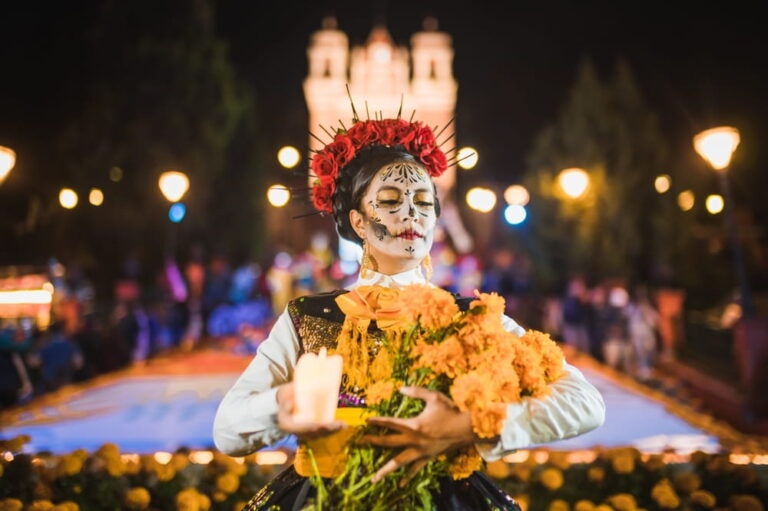
Two main activities for visitors are trying delicious food and wearing traditional Catrina costumes and skeleton makeup.
Still, there’s more, as parades and dances continue during the day. Visitors can also celebrate the lives of their deceased loved ones, including pets.
The Día de Muertos festival is part of the UNESCO Intangible Heritage of Humanity list because of its historical significance and cultural impact on locals and visitors alike.
Guelaguetza
Held every July in Oaxaca, the Guelaguetza is one of Mexico’s most important Indigenous celebrations. The name comes from a Zapotec word meaning an offering or act of sharing, and the festival brings together communities from Oaxaca’s eight regions to represent their traditions on one stage.
Over two main Mondays, delegations perform regional dances in full traditional dress, each telling the story of their community through music, movement, and color. Performers toss local goods like handwoven textiles, pottery, and produce into the crowd, a living expression of the sharing the festival is named for. Around the main event, the city fills with markets, food stalls serving Oaxacan specialties like mole and tlayudas, mezcal tastings, and street parades.
For travelers, the Guelaguetza is a rare chance to see the depth of Mexico’s Indigenous heritage in one place. If you plan to visit, book accommodation early, since Oaxaca fills up fast during the festival, and consider staying connected with a Holafly eSIM for Mexico to navigate the busy streets and find each event.
Dia de la Independencia (Independence Day)
Mexico’s Independence Day is celebrated on September 15th and 16th.
On September 15th, 1810. Miguel Hidalgo rang a Church bell to let the Mexican people know it was time to rise against the colonial occupation. This event is known today as El Grito. Today, as a way of marking this important day in Mexico’s history, people recreate El Grito. The action itself remains almost the same, but the Mexican president now rings the bell on this day.
While the El Grito, or El Grito de Dolores, mostly takes place in the National Palace in Mexico City, it might start in Dolores Hidalgo, Guanajuato, where the uprising started in 1810.
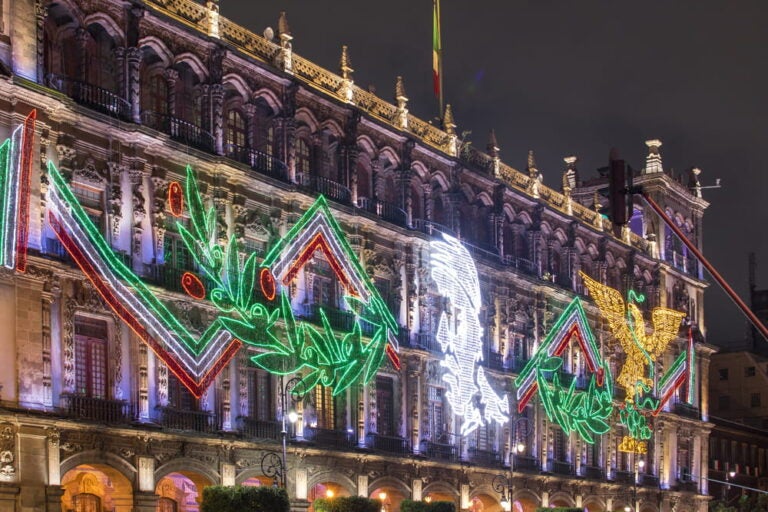
During this day, locals display the national flag throughout the country as an announcement that Independence Day is about to begin.
The celebration continues on September 16th. The Mexican Army and other security forces participate in parades, while locals prepare different activities such as workshops, artistic exhibitions, and tours to show their pride in being Mexicans.
Interesting fact: The El Grito tradition starts with a “Viva Mexico” shout, but there are no real roots on whether Miguel Hidalgo actually said this in 1810.
Cinco de Mayo (Fifth of May)
While some people believe that Cinco de Mayo is Mexican Independence Day, that’s not true. It commemorates the Mexican Army’s victory over the French at the Battle of Puebla in 1862, during the French intervention in Mexico.
While this is not a nationwide holiday, schools close, and Puebla hosts reenactments, parades, and cultural events.
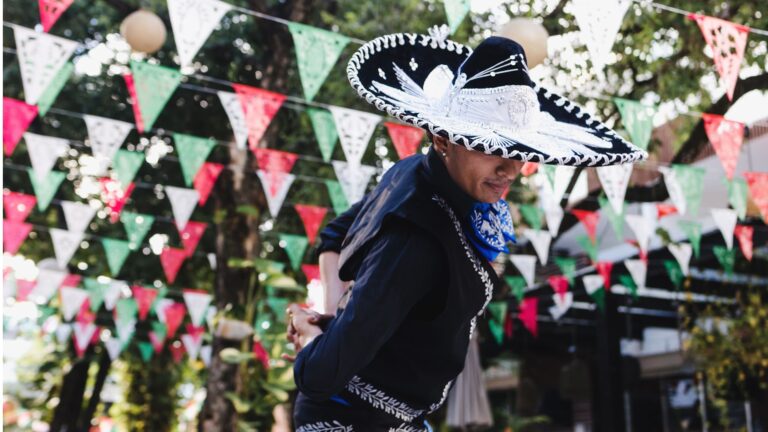
Interesting fact: Although Cinco de Mayo is an important day for Mexicans, it is mostly celebrated in the United States.
Dia de la Virgen de Guadalupe (Day of the Virgin of Guadalupe)
On December 12th, the Dia de la Virgen de Guadalupe, one of Mexico’s most important religious festivals, takes place.
This national holiday dates from the 16th century, when the Virgin Mary appeared in front of Juan Diego and spoke with him in Nahuatl, a local language of indigenous people in Mexico.
This apparition led to the conversion of locals to Catholicism and the construction of the Basilica of Guadalupe, later turning this holiday into a religious festival in the entire country.
The Basilica de Guadalupe receives thousands of pilgrims each year, coming to commemorate the Dia de la Virgen de Guadalupe. Religious parades, music, and cultural festivities mark this deeply spiritual occasion.
Mexico’s Carnival
Forty days before Easter, Mexico starts celebrating with Carnival—one of its most lively and colorful festivals.
During Mexico’s Carnival, the country goes through a week of lively celebrations, where parades with themed floats and vibrant costumes are a key part of the festival.
But there are more activities to explore, like traditional dances, learning about Mexican history, colorful nights with parties almost everywhere, and other events, like the carnival queen and king.
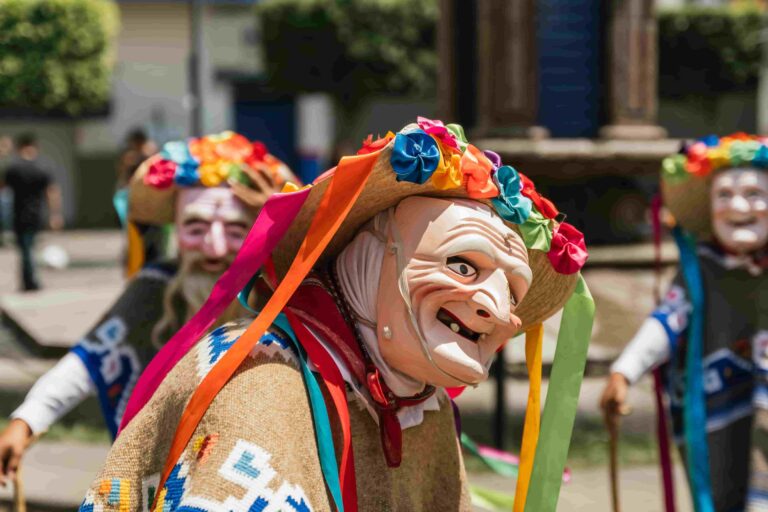
Also, like in most festivals in Mexico, there is lots of Mexican street food to try while sipping your Margarita.
If you’re up for a week of partying and cultural events, Mexico City, Veracruz, and Cozumel are among the best cities to have the most unforgettable experience of the Carnival.
Fiesta de Santa Cecilia
On November 22nd, the Fiesta de Santa Cecilia takes place, and the country is filled with joyful music throughout the day.
Santa Cecilia, the patron saint of musicians, is the main protagonist of this annual celebration, where mariachis and musicians walk around the streets of Mexico City to pay homage to the saint at a big open-air party.
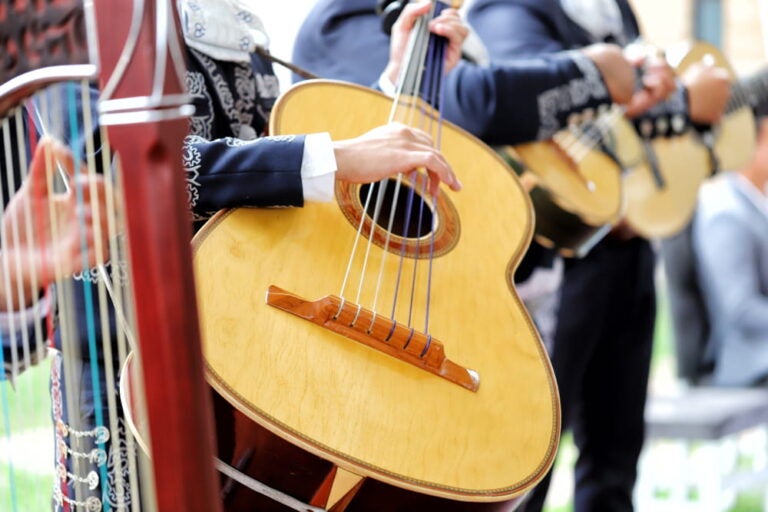
This celebration isn’t limited to Mexico City, and mariachis from around the country also gather to play traditional songs, creating a party-like atmosphere.
It’s one of the best festivals in Mexico City, centered on Plaza Garibaldi., which was originally named Plaza Santa Cecilia before the Mexican Revolution.
What are the dates for the major festivals in Mexico?
Holidays in Mexico can have a big impact on your travel experience. Some public holidays mean businesses, government offices, and banks may close, while others bring lively celebrations, parades, and cultural events that can enrich your trip. Knowing these key dates can help you schedule your travels, whether you want to plan around these holidays to enjoy the festivities or avoid potential disruptions.
Here’s a list of major public holidays in Mexico for 2026:
| Date | Public Holiday |
|---|---|
| Feb or Mar | Carnival |
| May 5 | Cinco de Mayo |
| July | Guelaguetza |
| Sep 15–16 | Día de la Independencia |
| Nov 1–2 | Día de los Muertos |
| Nov 22 | Fiesta de Santa Cecilia |
| Dec 12 | Día de la Virgen de Guadalupe |
Stay connected with Holafly while traveling to Mexico
Festivals mean crowds, and crowds are exactly when you need your phone to work. Whether you’re finding your way to Plaza Garibaldi for Santa Cecilia, checking parade routes on Día de los Muertos, sharing photos from the Guelaguetza, or ordering a ride home after a Carnival night, a reliable connection keeps the day running.
You have a few options in Mexico, but the most convenient is a Holafly eSIM for Mexico. You buy and activate it before you travel, so you land already online, with unlimited data, data sharing to a second device, and 24/7 support. Every Holafly eSIM also includes Always On, a recurring 1 GB of free data each month across 70+ countries, as a backup if your plan runs out mid-trip..

Connectivity made easy
Activate your Mexican eSIM in a few simple steps and manage your plan through our dedicated app.
FAQs about festivals in Mexico
Day of the Dead (Día de los Muertos) is the biggest festival in Mexico, celebrated nationwide on November 1st and 2nd. Families honor deceased loved ones with marigold altars, sugar skulls, and pan de muerto, gathering in cemeteries and hosting parades. It’s recognized by UNESCO as Intangible Cultural Heritage and draws visitors from around the world.
Besides Day of the Dead, the Guelaguetza in Oaxaca is one of Mexico’s most famous festivals, held each July. It brings together Indigenous communities from across the state for traditional dance, music, and costume. Other well-known celebrations include Independence Day in September and the Day of the Virgin of Guadalupe in December.
The top three festivals in Mexico are Day of the Dead (Día de los Muertos) on November 1st and 2nd, the Guelaguetza in Oaxaca each July, and Independence Day on September 15th and 16th. Between them they cover Mexico’s Indigenous heritage, its religious traditions, and its national history.
Plans that may interest you

I first started my content creation journey as a freelancer in 2019, before connecting with Holafly in 2021. At Holafly, my travel and tech interests come together in one place as I craft high-quality articles about the eSIM and related markets. My content aims to help travelers stay connected, wherever they are.