Language

Philippines Christmas traditions: How Filipinos celebrate Christmas
Discover Philippines Christmas traditions, from Simbang Gabi and Noche Buena to festive food, key dates, and the best places to celebrate.
Christmas in the Philippines is a months-long celebration of faith, family, and festive traditions. The season starts as early as September, during the “ber months,” and continues into January, making it one of the longest Christmas celebrations in the world.
From attending Simbang Gabi Masses and sharing Noche Buena to decorating homes with colorful lanterns, Philippines Christmas traditions offer plenty to discover. This guide covers the important dates, traditional food, and best places to experience Christmas in the Philippines.

An eSIM you can rely on
Join over 10 million Holafly customers and get connected with our trusted, global services.
TL;DR: How do Filipinos celebrate Christmas?
Filipinos celebrate Christmas with religious services, family reunions, festive decorations, music, and elaborate meals. Although traditions vary by family and region, here’s a quick overview of what makes Christmas in the Philippines special.
| Tradition | What to expect |
|---|---|
| Christmas season | Celebrations begin in September and continue into January |
| Simbang Gabi | Nine days of Masses (December 16–24) leading up to Christmas Eve |
| Noche Buena | A family feast on Christmas Eve, often after midnight Mass |
| Parol lanterns | Colorful, star-shaped lanterns decorating homes and streets |
| Gift-giving | Children visit godparents and relatives to receive aguinaldo (Christmas gifts, often money) |
| Christmas food | Lechon, ham, queso de bola, bibingka, and puto bumbong are popular favorites |
When does Christmas start and end in the Philippines?
Christmas festivities in the Philippines begin as early as September 1, when the “ber months” (September through December) arrive. You’ll start hearing Christmas songs in stores and seeing decorations appear in homes, malls, and public spaces.
While the biggest celebrations happen in December, the festive atmosphere continues into January. Some families take down their decorations after Three Kings Day, while others keep them up until later January religious celebrations.
Here are the important dates for Christmas in the Philippines in 2026:
| Date | Celebration | What happens |
|---|---|---|
| September 1 | Start of the ber months | Christmas music and decorations begin appearing |
| December 8 | Feast of the Immaculate Conception | Catholic religious observances. Special non-working holiday |
| December 16–24 | Simbang Gabi | Nine days of Christmas Masses |
| December 24 | Christmas Eve | Midnight Mass and Noche Buena. Special non-working holiday |
| December 25 | Christmas Day | Family gatherings, celebrations, and gift-giving. Regular holiday |
| December 30 | Rizal Day | National commemoration honoring José Rizal. Regular holiday |
| December 31 | New Year’s Eve | Family celebrations, Media Noche, and preparations for the new year. Special non-working holiday |
| January 1, 2027 | New Year’s Day | Family gatherings and New Year’s celebrations. Regular holiday |
| January 3, 2027 | Feast of the Three Kings (Epiphany) | Christian observances marking the visit of the Magi |
| January 9, 2027 | Feast of the Black Nazarene | Major religious celebrations in Manila |
| January 17, 2027 | Sinulog Festival | Cebu’s major celebration honoring the Santo Niño |
Simbang Gabi: The nine-day Christmas Mass tradition
Simbang Gabi, also known as Misa de Gallo, is one of the most important Filipino Christmas traditions. It’s a series of nine Catholic Masses held from December 16 to 24, traditionally before sunrise, although many churches also offer evening services.
Many Filipinos believe that completing all nine Masses brings blessings or grants a special wish. For others, it’s simply a meaningful way to prepare spiritually for Christmas.
The experience doesn’t end when Mass finishes. Food stalls often gather outside churches, selling traditional rice cakes and warm drinks. If you’re visiting, try bibingka (baked rice cake) or puto bumbong (purple sticky rice cake), two popular Simbang Gabi treats.
Visitors are generally welcome to attend Mass, but remember that it’s a religious service. Dress respectfully, avoid disrupting worshippers, and follow the church’s photography rules.
Noche Buena: Filipino Christmas Eve traditions
Noche Buena is the traditional Christmas Eve feast and a highlight of Christmas in the Philippines. Families gather on the evening of December 24, often sharing their main meal around midnight after attending Christmas Mass.
Unlike countries where Christmas lunch or dinner on December 25 is the main event, many Filipino families place special importance on this late-night celebration.
The table might include Christmas ham, lechon, noodles, rice dishes, and sweet desserts, depending on the family’s traditions and budget.
More than the food, Noche Buena is about spending time together. Relatives may travel long distances to reunite, exchange gifts, share stories, and celebrate well into Christmas morning.
Filipino Christmas traditions you should know
Beyond religious services and family feasts, several Filipino Christmas traditions make the season especially distinctive. You’ll encounter many of them in neighborhoods, shopping centers, churches, and public celebrations.
Parol: The Filipino Christmas lantern
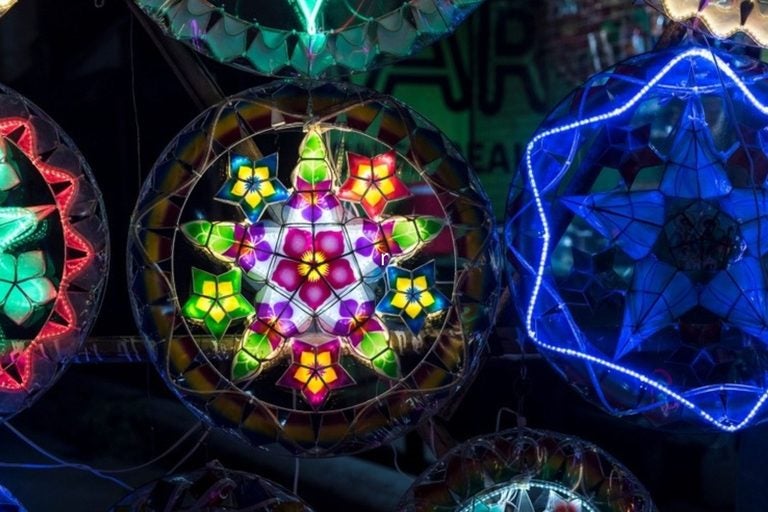
The parol is a star-shaped Christmas lantern symbolizing the Star of Bethlehem. Traditionally made with bamboo frames and colored paper, modern versions also use plastic, capiz shells, and electric lights.
You’ll see parols hanging outside homes, along streets, and inside shopping malls throughout the festive season.
For an impressive display, visit San Fernando, Pampanga, known as the Christmas Capital of the Philippines. Its annual Giant Lantern Festival features enormous illuminated lanterns with intricate patterns and synchronized lighting displays. Smaller decorative parols also make memorable Christmas gifts, alongside other traditional Philippines souvenirs.
Caroling and Christmas music
Christmas caroling is a popular neighborhood tradition, especially among children. Small groups go from house to house singing Christmas songs, sometimes using homemade instruments such as tambourines fashioned from bottle caps.
After singing, they may receive coins or small gifts. You’ll also hear familiar Filipino Christmas songs, including Ang Pasko ay Sumapit, playing in stores, homes, and public spaces.
If carolers visit your accommodation or a home where you’re staying, giving a small amount of money is customary but optional.
Visiting godparents and receiving aguinaldo (Christmas gifts)
Christmas is also a time for children to visit their godparents (ninong and ninang) and older relatives. They may receive aguinaldo, usually money or gifts, as part of the celebration.
Another familiar custom is mano po, where younger people respectfully take an elder’s hand and touch it to their forehead to receive a blessing.
Family reunions, gift exchanges, and Christmas parties are also common throughout December. These gatherings reflect the importance of extended family relationships in Filipino culture.
Filipino Christmas food: What Filipinos eat at Christmas
Food is central to Filipino Christmas celebrations, especially during Noche Buena. Families often prepare a mix of traditional Filipino dishes and foods influenced by Spanish and other culinary traditions.
Some of the most popular Filipino Christmas foods include:
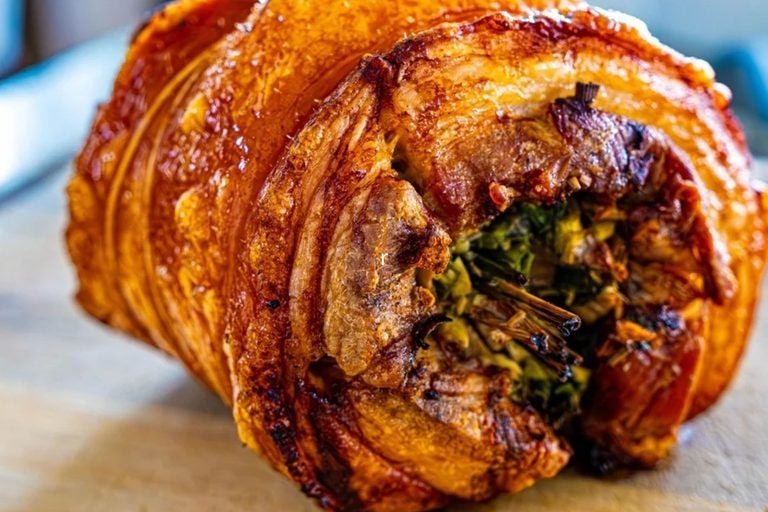
- Lechon: Whole roasted pig with crispy skin, often served at large family celebrations.
- Hamon and queso de bola: Christmas ham and Edam cheese coated in red wax, commonly served together.
- Bibingka: Soft rice cake traditionally baked over charcoal in banana leaves, often topped with cheese or salted egg.
- Puto bumbong: Purple sticky rice cake steamed in bamboo tubes and served with coconut, butter, and sugar.
- Filipino-style spaghetti: Sweet tomato-based pasta with hot dogs and cheese, especially popular at family parties.
- Sweet macaroni salad: A chilled dessert made with elbow macaroni, mayonnaise, condensed milk, fruit cocktail, and coconut jelly (nata de coco).
If you’re visiting during December, look for bibingka and puto bumbong stalls near churches after Simbang Gabi. They’re among the easiest traditional Christmas treats to try without attending a private family gathering.
Christmas in the Philippines after December 25
Christmas Day isn’t the end of the celebrations. Filipino families continue gathering through New Year’s Eve, and several religious traditions extend into January.
On December 30, the country observes Rizal Day, a national holiday commemorating the death of Filipino national hero José Rizal in 1896.
New Year’s Eve, meanwhile, is celebrated with fireworks, music, and family meals. Many families prepare 12 round fruits to symbolize prosperity in the coming year, while making noise at midnight is believed to drive away bad luck.
In January, religious celebrations continue:
- Three Kings Day (Epiphany): Celebrated on January 3 in 2027, marking the visit of the Magi to baby Jesus.
- Feast of the Black Nazarene: Held on January 9 in Manila, with major religious activities and a procession drawing large crowds of devotees.
- Feast of the Santo Niño: Celebrated in January, including Cebu’s famous Sinulog Festival, traditionally held on the third Sunday of the month.
These events help explain why the Christmas atmosphere in the Philippines can last well beyond December.
Tips for visiting the Philippines at Christmas
December is a busy travel period, as many Filipinos return home to celebrate with their families.
If you’re planning a trip, keep these practical tips in mind:
- Book transportation early: Domestic flights, ferries, and buses can fill up quickly, especially before Christmas and New Year’s Eve.
- Expect heavy traffic: Metro Manila and other major cities experience congestion around shopping malls, markets, and popular churches.
- Plan around the weather: December is part of the cooler dry season in many areas, but the northeast monsoon (amihan) can bring rain and rough seas, particularly along eastern coastlines.
- Respect religious customs: Dress appropriately for church visits and avoid interrupting Masses, processions, or private celebrations.
- Stay connected: Having mobile data helps you navigate busy streets, check transport schedules, and stay in touch with family. A Holafly eSIM for the Philippines or a Philippines SIM card can help you get online without looking for a local SIM card after arrival.
Where to experience Christmas in the Philippines
Some destinations are particularly well-known for their Christmas displays, religious celebrations, and seasonal events. Here are four places worth considering.
- Manila: Explore Christmas displays around Metro Manila, visit historic churches, and experience the festive atmosphere in shopping districts such as Makati.
- San Fernando, Pampanga: Best known for the Giant Lantern Festival, where enormous illuminated parols showcase local craftsmanship. Check the official festival schedule before visiting.
- Cebu City: Visit the Basilica Minore del Santo Niño, explore Christmas decorations, and stay into January to experience the Sinulog festivities.
- Baguio: Enjoy cooler mountain weather, festive decorations, and holiday markets. Book accommodations early, as December is a popular time to visit.
If you’re still deciding where to spend the holidays, explore more of the best places to visit in December for festive destinations beyond the Philippines. And if you’re combining the Philippines with other Asian destinations during your Christmas holiday, an Asia eSIM can help you stay connected across multiple countries without switching data plans.
Stay connected in the Philippines at Christmas with Holafly
Mobile data can make or break your trip, especially during the busy Christmas season. Install a Holafly eSIM for the Philippines before you leave and connect as soon as you land, with unlimited data, speeds up to 5G, and 24/7 customer support.
When your trip ends, keep the eSIM on your phone. Holafly eSIMs are reusable, so next time you only need to add a new plan. Until then, Always On, 1 GB of monthly backup data at no extra cost, keeps you connected if your travel plans change.
Travel often or stay for months at a time? Holafly Plans gives you monthly global data, and the Ultra Plan bundles extra travel perks on top of unlimited data in one plan.

Get an unlimited data eSIM
Use code MYESIMNOW5 for 5% off at checkout
Plans that may interest you

哈囉我是來自台灣的 Wen,平常最喜歡旅遊,也喜歡將旅遊的種種化成文字跟大家分享,希望大家能在我的文章中找到有用的資訊,加上 Holafly 的 eSIM,讓你的旅程更美好!✈️✈️✈️ Hi! I'm Wen, a passionate content writer and travel enthusiast from Taiwan. I transform my wanderlust adventures into engaging stories and practical guides, helping fellow travelers make the most of their journeys.Through my articles, I strive to provide travel tips while introducing how our eSIM technology can enhance your travel experience - keeping you connected wherever your adventures take you!