Language
Obon Festival Japan 2026: Traditions, celebrations, and food
Discover the magic of Obon Festival Japan. Explore ancient ancestor-honoring traditions, vibrant Bon Odori dances, lantern ceremonies in major cities.

Every summer, the Obon festival in Japan attracts thousands of tourists. As one of Japan’s most significant traditions, this 500-year-old Buddhist custom honors ancestors, whose spirits are believed to temporarily return home to visit the living.
The Japan Obon festival is renowned for its iconic paper lanterns, traditional Bon Odori dances, and joyful family reunions. This guide covers everything you need to know about the Obon festival in Japan in 2026, including date and venue, traditions, and travel tips.
We will also help you stay connected during this vibrant celebration, using Holafly eSIM, offering unlimited data, reliable coverage in 200+ destinations, and 24/7 customer support.

Limitless data, endless adventures
Stream, scroll, and share as you please. With Holafly, your data is always unlimited.
What is the Obon festival in Japan?
The Obon festival in Japan is a traditional celebration to honor the spirits of ancestors. It’s a belief that during this festival, which is usually three days, the spirits of deceased family members return to visit their living relatives. So, people celebrate to welcome them, pay respects, and then send them off again.
The festival starts by honoring ancestors by visiting and cleaning graves. Then, candlelit paper lanterns are hung to light the way for spirits or floated on rivers to guide them back to the spirit world. This is the most beautiful part of the Obon festival, where you will see thousands of lanterns creating a poetic scene on the river.
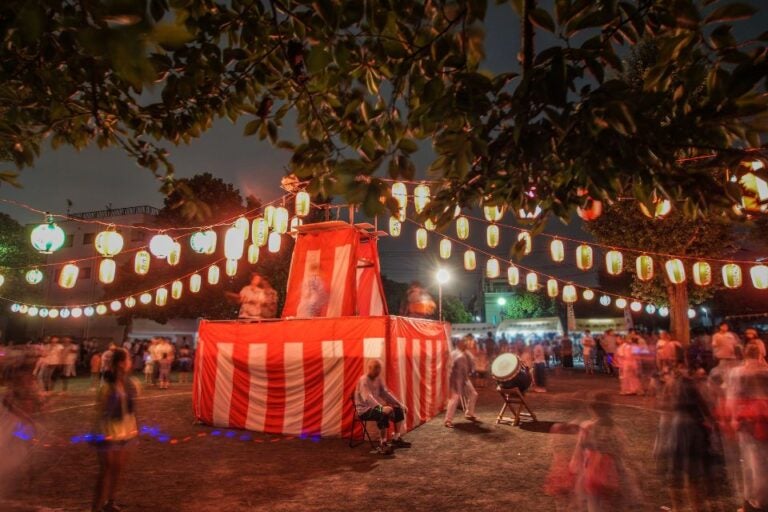
The celebration continues with dances, often held on temple grounds, in parks, on shopping streets, or public squares in the evenings. Many people wear yukata, light summer kimonos, which adds to the festive vibe. Tourists can also rent colorful kimonos to join this celebration.
When is the Obon Festival in Japan 2026?
Obon is a summer event, typically held in mid-August. However, the exact date may differ each year.
- Obon Festival Japan 2026 dates: August 13 to 16.
- Where the celebrations take place: Tokyo, Kyoto, and Osaka.
Note: Although the main Obon festival is in August, in some regions, such as Okinawa and parts of Tohoku, it is celebrated in July.
Where to experience the Obon Festival in Japan
You can experience the Obon Festival in Japan in the main Japanese cities, including:
Tokyo
Tokyo is one of the busiest cities. Expect a lively, community-oriented atmosphere and a more modern Obon Festival. Participating in these three days of festivities is one of the best things to do in Tokyo during the summer. You can admire the vibrant Obon lanterns at night and explore engaging neighborhoods.
Traditional dances and lantern floats on the Sumida River against Tokyo’s skyscrapers offer a unique experience. If you have more time, you can visit Mount Fuji as a day trip from Tokyo.
Kyoto
Kyoto provides one of the most atmospheric and spiritually rich Obon experiences. Many temples hold ceremonies, grave visits, and traditional dances. However, the true standout is the Gozan no Okuribi (Daimonji) event on August 16.
During this spectacle, giant bonfires shaped like kanji characters and symbols are lit on five mountains surrounding the city to send the spirits back. Kyoto perfectly balances serenity and vibrancy, making it feel like stepping into old Japan while remaining very accessible and tourist-friendly.
To make the most of your trip, dedicate plenty of time to exploring the top attractions and essential things to do in Kyoto.
Osaka
Osaka is home to one of Japan’s oldest temples, Shitennōji Temple. That’s where people gather to celebrate the Obon Festival. The city has a fun, down-to-earth personality. So, can expect lively, participatory dances, easy access to nearby attractions, and a mix of spiritual elements with casual street-party vibes.
It’s often less overwhelmingly crowded than Kyoto for similar experiences. Beyond watching this colorful, glittering event, there are many great things to do in Osaka for a delightful experience.
The meaning of the Obon Festival in Japan
At its heart, Obon is a festival of welcome and remembrance. The word Obon is a shortened form of Urabon, which means “hanging upside down.” In Buddhist tradition, this symbolizes the immense suffering of souls trapped in the afterlife.
The festival’s core meaning centers on liberation, gratitude, and relief. It is a dedicated time to express gratitude to past generations, ease their spiritual suffering, and appreciate the sacrifices they made for the living.
Obon serves as one of Japan’s most critical seasons for family reunions. Multiple generations travel back to their hometowns, causing a nationwide migration.
Obon Festival Japan traditions
Obon is celebrated with meaningful traditions, including:
Lantern displays and symbolism
During Obon, fire and light act as a bridge between worlds. Lanterns are not just decorations; they have specific functions across the multi-day festival.
- Hanging lanterns (Chochin): Families hang traditional paper lanterns outside their homes, at temples, and near ancestral graves.
- Welcoming fire (Mukaebi): On the first night of Obon, a small bonfire or a brightly lit lantern is placed outside the home. This light serves as a guide to spirits, helping them return home without getting lost.
- Sending-off fire (Okuribi): On the final night, the lights are lit again to gently guide the spirits back to the afterlife.
- Floating lanterns (Toro Nagashi): Participants write messages or wishes on lanterns, light them, and float them on water. The lanterns drifting away symbolize the ancestors’ peaceful departure until next year, bringing closure and remembrance.
Bon Odori Dance
Bon Odori began as a Buddhist dance to honor the spirits of those who had passed away. Over centuries, it has transformed into a vibrant celebration of community.
- The crowd moves in concentric circles around a raised wooden tower called Yagurta. The circular movement symbolizes unity and equality.
- Locals, dressed in summer yukatas, lead the dance, and everyone, even those with no dancing experience, is welcome to join the circle and follow along.
Types of Bon Odori dance
While the spirit of Bon Odori dance remains the same, the dance styles, tempos, and traditions vary by region:
- Gujo Odori (Gifu Prefecture): It’s an all-night dance that usually takes place on 30 nights. But the main peak is during the Obon Festival. The dances start from 8:00 PM until 5:00 AM the next morning.
- Nishimonai Bon Odori (Akita): Dancers wear distinctive hats or hoods that hide their faces, performing slow, hypnotic movements in elegant kimonos. Feels spiritual and artistic.
- Tanko Bushi (Kyushu): A fun, widespread dance imitating coal miners’ movements (digging, pushing carts). Like other Bon Odori dances, it is simple and repetitive.
- Sōran Bushi (Hokkaido): Energetic fishermen’s dance with powerful arm movements and shouts. Dynamic and lively, reflecting northern maritime life.
- Awa Odori (Tokushima Prefecture): Japan’s most famous and energetic Bon Odori. Dancers move lively with bouncy, rhythmic steps to loud taiko and shamisen music.
Bon Odori food
Food during Obon falls into two distinct categories: the indulgent, savory street food eaten on the go, and the symbolic, traditional dishes prepared at home for the ancestors. The following street foods are popular:
- Takoyaki: Octopus-filled, ball-shaped snacks with savory sauce and flakes.
- Yakisoba: Stir-fried noodles with cabbage, pork, and sauce. Cheap and great food for festivals.
- Yakitori: Skewered, charcoal-grilled chicken, seasoned with sweet soy tare or salt.
- Kakigori (Shaved Ice): Fluffy shaved ice, perfect for hot August nights in Japan. It’s topped with sweet fruit syrups and condensed milk.
- Choko Banana: Chocolate-covered frozen bananas with sprinkles.
Note: With Tokyo street food being so popular, you can anticipate sampling delicious dishes during Japan’s Obon Festival in this city.

Should you visit Japan during Obon?
Obon Festival is a special time in Japan. If you like cultural events and ceremonies, Obon is for you. Here are the pros and cons of visiting Japan during Obon:
Pros:
- Unique cultural experiences: Witness authentic ancestor rituals, lantern ceremonies, and temple events rarely seen outside Obon.
- Festivals and Bon Odori dances: Enjoy lively public dances, food stalls, and summer festivals with a chance to dance with locals.
- Special atmosphere: Magical blend of solemn remembrance and joyful celebration, highlighted by events like Kyoto’s Daimonji bonfires.
Cons:
- Peak Travel Season: One of Japan’s busiest periods, with millions traveling back to their hometowns.
- Crowds: Major cities and attractions become very packed.
- Higher Prices: Hotels, flights, and transport fares often increase significantly.
Quick Tip: Great for culture lovers; challenging for those who prefer quieter, cheaper trips.
Obon Festival Japan tickets and entry info
Obon is a free festival. You can enjoy the dancing and the floating lanterns without any cost.
Some special events may require tickets. But there is no centralized ticket system.
- Large-scale performances or reserved seating areas, such as prime viewing for Awa Odori in Tokushima, often have paid seating options.
- Certain hotel/viewing platforms or organized tours may charge fees.
- Yukata rentals, food stalls, and transport are separate costs.
Practical travel tips for Obon Festival in Japan
Before planning your trip, check out the requirements for traveling to Japan to be prepared. The following tips can also help you have a better experience during the festival:
- Book early: Hotels and Shinkansen tickets sell out fast. You may need to book hotels months in advance.
- Use IC Cards: Get a Suica, PASMO, or ICOCA card for seamless local transport (trains, subways, and buses). Load it with enough credit to avoid ticket machine queues.
- Choose convenient locations: Stay near major train stations or close to festival areas to minimize travel time and crowds.
- Avoid peak travel days: Try not to move between cities on August 12–13 (start) and August 16–17 (end). These days see the heaviest traffic.
- Travel smart: Travel early in the morning or late at night to avoid the biggest crowds on trains and at attractions.
- Check local schedules: While most regions celebrate from August 13–16, some observe it in July. It’s essential to confirm the specific Bon Odori dates for your destination.
- Respect customs: Respect local customs. Follow temple etiquette: bow before entering, be quiet during ceremonies, and don’t photograph where prohibited. Dress modestly and join dances respectfully.
- Plan for closures: Expect some restaurants, shops, and smaller attractions to close as staff return to their hometowns. Book popular dinners in advance.
Stay connected during the Obon Festival with Holafly eSIM
To stay connected during the Obon Festival without having to pay high prices for local SIM cards or roaming charges, consider purchasing a Holafly eSIM for Japan. It is a more cost-effective option with unlimited data, 5G speeds, and 24/7 customer support.
Holafly provides flexible eSIM plans that you can purchase based on the duration of your trip. Even if you extend your trip, you’ll still have 1 GB of Always On data as a backup, as long as you haven’t deleted your current eSIM. This helps ensure you stay connected without interruption.
For frequent travelers visiting multiple countries within a month, the Holafly Plans is a monthly subscription offering coverage in 170 destinations with a single eSIM. This makes planning your trips simpler, so you can enjoy your journey with peace of mind.

Count memories, not data
Never lose connection with unlimited data eSIMs from Holafly.
Plans that may interest you

Formerly a travel journalist turned marketing copywriter, I found my way back to the travel world with Holafly—my dream company that made remote work possible. My motto? “Dream big and make it happen.” I’m passionate about writing, exploring the world, and staying active through walking, running, swimming, and hiking. I also love learning, reflecting, and connecting with inspiring minds.