Language

Italy Christmas traditions: How Italians celebrate Christmas
Discover Italy Christmas traditions, from festive foods and Christmas Eve customs to La Befana. Explore key dates, celebrations, and travel tips.
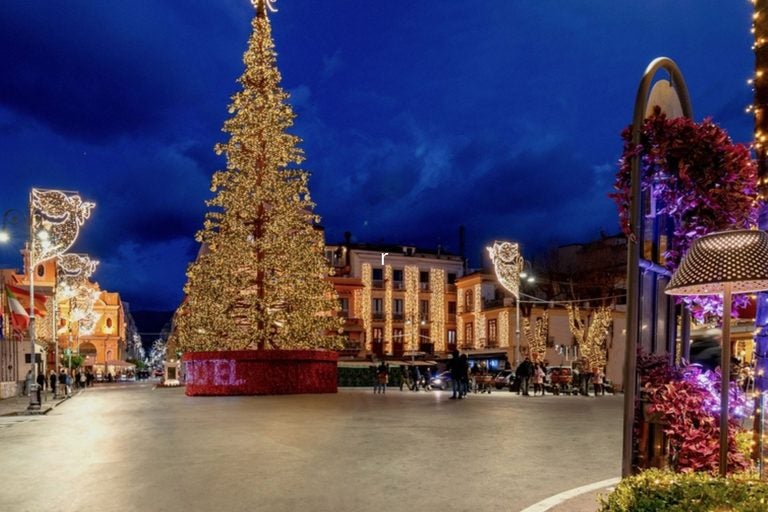
Italian Christmas traditions center on family gatherings, festive meals, nativity scenes, and religious celebrations, with the holiday season running from December 8 to January 6. Known as Natale, Christmas in Italy combines nationwide customs with regional traditions that vary from north to south.
From Christmas Eve dinners to La Befana’s gift-giving, here’s how Italians celebrate the holidays, what they eat, and where you can experience these traditions during your visit.

An eSIM you can rely on
Join over 10 million Holafly customers and get connected with our trusted, global services.
TL;DR: How do Italians celebrate Christmas?
Italians celebrate Christmas with family meals, church services, nativity scenes, and gift-giving. While customs vary by region, these are the main Italian Christmas traditions to know.
| Tradition | What to expect |
|---|---|
| Christmas season | December 8 to January 6, although some markets and decorations start earlier |
| Christmas Eve (La Vigilia) | Family dinners, often featuring seafood, and evening or midnight Mass |
| Christmas Day (Natale) | A long family lunch, traditional dishes, and gifts |
| Nativity scenes (presepi) | Elaborate displays in homes, churches, and public squares |
| Traditional foods | Tortellini, roasted meats, seafood, panettone, and pandoro |
| Epiphany (Epifania) | January 6 celebrations and gifts from La Befana |
If you’re visiting, keep in mind that December 25 and 26 are primarily family holidays, so some attractions, shops, and restaurants will be closed.
When does Christmas start and end in Italy?
The traditional Italian Christmas season begins on December 8, the Feast of the Immaculate Conception, and ends on January 6, Epiphany.
Here’s the Christmas calendar in Italy, including the national public holidays that may affect your trip.
| Date | Holiday | What happens |
|---|---|---|
| December 8 | Immacolata Concezione (Immaculate Conception) | Families traditionally put up Christmas trees and nativity scenes. National public holiday. |
| December 13 | Santa Lucia (Saint Lucy’s Day) | Some northern communities celebrate with gifts for children. Particularly important in Syracuse and Sicily, for religious celebrations. |
| December 24 | La Vigilia di Natale (Christmas Eve) | Families gather for dinner, and many attend evening or midnight Mass. |
| December 25 | Natale (Christmas Day) | Family lunches, gift exchanges, and religious services. National public holiday. |
| December 26 | Santo Stefano (St. Stephen’s Day) | Another day for family visits, shared meals, and outings. National public holiday. |
| January 1 | Capodanno (New Year’s Day) | New Year’s celebrations and family gatherings. National public holiday. |
| January 6 | Epifania (Epiphany) | La Befana brings children gifts, and the Christmas season traditionally ends. National public holiday. |
These national holiday dates are confirmed by Italy’s official tourism website.
Travel tip: Visit between December 8 and 23 if you want to enjoy festive markets, decorations, and sightseeing with fewer major holiday closures.
Italian Christmas Eve traditions: La Vigilia and midnight Mass
Christmas Eve, known as La Vigilia, is traditionally a time for family gatherings, seafood dinners, and religious services.
The Christmas Eve dinner often features fish instead of meat, reflecting older Catholic traditions of abstinence. Depending on the region, dishes may include salted cod (baccalà), fried seafood, eel, or seafood pasta.
After dinner, some families attend Messa di Mezzanotte (midnight Mass), although services may also take place earlier in the evening.
One of the most famous celebrations takes place at St. Peter’s Basilica in Vatican City, where the Pope traditionally presides over Christmas Mass.
If you’re visiting Rome, check the official Vatican calendar for the latest Mass schedule and the Vatican’s attendance guidance for tickets. Papal celebration tickets are free, but availability is limited, and service times can change
Feast of the Seven Fishes
The Feast of the Seven Fishes is a Christmas Eve seafood dinner best known as an Italian-American tradition, with roots in southern Italian cooking.
In southern Italy, Christmas Eve meals often feature several fish and seafood dishes, traditionally linked to Catholic meat-free observance. However, the name “Feast of the Seven Fishes” and the requirement to serve exactly seven seafood dishes are much more common among Italian-American families than in Italy itself.
Typical seafood dishes include:
- Baccalà: Salted cod, often fried or served with tomato sauce.
- Fritto misto di mare: Mixed fried seafood, such as shrimp and calamari.
- Spaghetti alle vongole: Spaghetti with clams.
- Capitone: Eel, traditionally eaten in parts of southern Italy, especially around Naples.
Italian Christmas traditions you should know
Some of the most distinctive Italian Christmas traditions are nativity scenes, traditional bagpipe music, and family games. You’ll find them in homes, churches, and public spaces throughout the holiday season.
Il presepe: The Italian nativity scene
The presepe, or Italian nativity scene, is one of the country’s most recognizable Christmas traditions. These displays recreate the birth of Jesus, usually featuring Mary, Joseph, baby Jesus, shepherds, and the Three Wise Men.
Naples is one of the best places to experience this tradition. Along Via San Gregorio Armeno, workshops sell handcrafted nativity figures, ranging from traditional religious characters to modern celebrities.
Zampognari: Christmas bagpipers
Zampognari are traditional bagpipers dressed in shepherd-style clothing who perform Christmas music during Advent. Their instrument, the zampogna, is a type of Italian bagpipe historically associated with rural shepherds.
You’re most likely to encounter zampognari in central and southern Italy, including Rome, where performers sometimes play near churches, markets, and nativity displays.
Tombola and other family traditions
Tombola is a traditional Italian bingo-style game that families often play after Christmas meals.
Players use numbered cards, while someone draws numbers from a bag. Prizes are awarded for different combinations, including two, three, four, or five numbers in a row, and eventually a full card.
Other family customs include:
- Christmas trees: Usually decorated in early December, traditionally around December 8.
- Gift exchanges: Depending on the family, presents may be opened on Christmas Eve, Christmas morning, or at another gathering.
- Ceppo: A traditional Christmas log or wooden decoration found in some regional customs, although it’s less common in modern homes.
- Holiday gatherings: Families often extend their celebrations through Santo Stefano on December 26.
What do Italians eat at Christmas?
Christmas Day lunch is traditionally the main holiday meal in Italy, often lasting several hours with multiple courses. Expect pasta, meat dishes, regional specialties, and Christmas desserts, although menus differ considerably between families and regions.
Here are some traditional dishes you might encounter across Italy.
| Region | Traditional Christmas foods |
|---|---|
| Emilia-Romagna | Tortellini or cappelletti in broth, often followed by roasted meats |
| Lombardy | Stuffed pasta, roasted meats, and panettone |
| Lazio and Rome | Cappelletti or other pasta dishes, roast lamb, and seasonal vegetables |
| Campania and Naples | Seafood on Christmas Eve, followed by meat dishes and struffoli at Christmas |
| Sicily | Regional baked pasta, meat or fish dishes, and sweets such as buccellato |
A typical Christmas lunch may include antipasti (appetizers), primi (pasta or soup), secondi (meat or fish), side dishes, and dessert.
The easiest way for you to experience an Italian Christmas meal is to book a restaurant offering a traditional Christmas menu, usually advertised as pranzo di Natale. Reserve well ahead, since many restaurants close on December 25 or offer limited holiday seating.
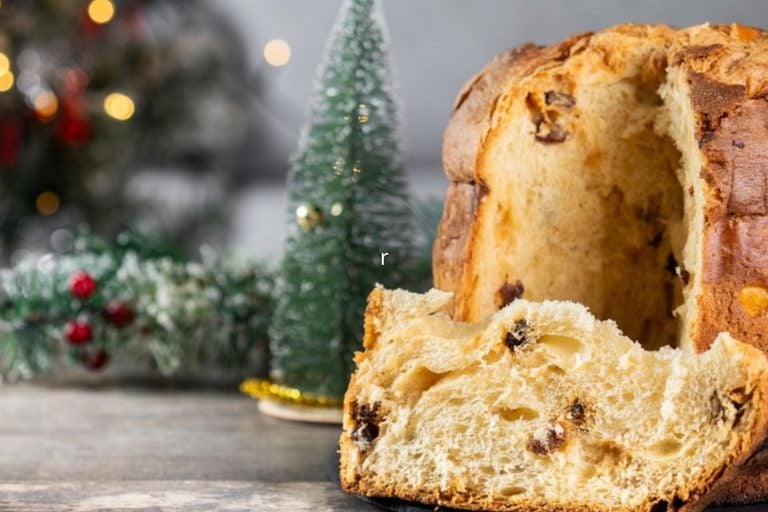
Panettone vs pandoro
Panettone and pandoro are Italy’s two best-known Christmas cakes. Both appear in bakeries and supermarkets throughout December, but they have different flavors and textures.
Panettone — Milan
A tall, dome-shaped sweet bread with raisins and candied citrus peel. It has a light, airy texture and a fruity flavor.
Pandoro — Verona
A soft, buttery cake with a tall, eight-pointed star shape. It typically contains no fruit and is dusted with powdered sugar.
Choose panettone if you enjoy dried fruit and citrus flavors, or pandoro if you prefer a simpler, buttery dessert.
Other Christmas sweets worth trying include struffoli (small honey-coated dough balls from Naples), panforte (a dense fruit-and-nut cake from Siena), and torrone (Italian nougat).
Who is La Befana? Epiphany traditions in Italy
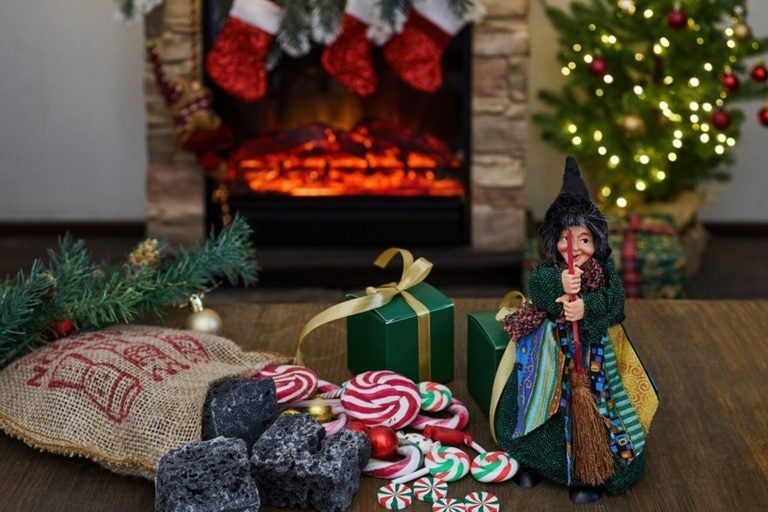
La Befana is a friendly, witch-like figure who delivers gifts to children on the night of January 5. The next day, Epiphany, is a national public holiday and traditionally marks the end of the Christmas season.
According to popular folklore, La Befana was an elderly woman who encountered the Three Wise Men on their journey to find baby Jesus. After initially declining to join them, she set out looking for the child, delivering gifts to children along the way.
In Italy, children traditionally hang stockings for La Befana to fill with sweets, small presents, or coal if they’ve misbehaved. Today, coal is often a black-colored sugar candy.
To experience La Befana celebrations, consider visiting:
- Rome: Piazza Navona is known for its festive stalls, toys, and sweets around Epiphany.
- Urbania, Marche: The town hosts a well-known Befana festival, with family activities and performances.
Tips for visiting Italy at Christmas
For the best Christmas experience in Italy, book transportation and holiday meals early, prepare for winter weather, and plan sightseeing around public holiday closures.
Keep these practical tips in mind:
- Check holiday opening hours: Major attractions, shops, and museums may close on December 25, December 26, and January 1. Some also have reduced hours on December 24 and 31.
- Reserve trains ahead: Christmas is a busy domestic travel period, particularly around December 23–26. Check Trenitalia or Italo schedules and book popular routes early. Check how much a trip to Italy costs to help budget for accommodation, dining, and transportation during the holidays.
- Respect religious services: Dress modestly, remain quiet during Mass, and follow photography restrictions. Check whether visitor access differs during services.
- Check market dates: Some markets close before Christmas, while others continue into January. Don’t assume every market stays open until Epiphany.
- Allow flexibility when visiting multiple cities: Plan for reduced holiday services and possible travel disruptions caused by winter weather.
- Stay connected during your trip: Getting an Italy eSIM can help you access train schedules, maps, and restaurant reservations while exploring Christmas markets and different cities.
Where to experience Christmas in Italy?
Rome, Naples, and northern Italy’s Christmas market towns are among the best destinations for experiencing Italian Christmas traditions. Choose your destination based on whether you’re more interested in religious celebrations, nativity scenes, or festive markets.
Rome and Vatican City: Best for religious traditions
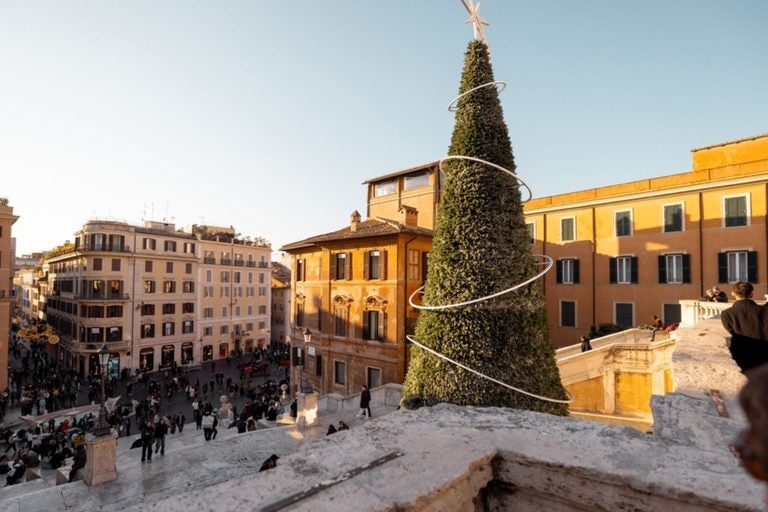
Visit St. Peter’s Square for its Christmas tree and nativity scene, explore festive Piazza Navona, and experience Christmas services in historic churches.
Naples: Best for nativity scenes
Walk along Via San Gregorio Armeno to see traditional nativity workshops, handcrafted figurines, and elaborate presepi. It’s also a great destination for southern Italian Christmas foods.
Bolzano: Best for Alpine Christmas markets
Explore the Christmas market in Piazza Walther, with wooden stalls, local crafts, and South Tyrolean specialties. It’s especially appealing if you enjoy Alpine traditions.
Trento: Best for traditional market experiences
Visit the Christmas markets in the historic center for regional foods, handmade gifts, and a more compact alternative to larger Italian cities.
Urbania: Best for Epiphany celebrations
Visit around January 6 to experience the town’s La Befana festivities, which traditionally include performances, workshops, and family-friendly activities.
For a first Christmas trip to Italy, Rome and Naples make a good combination for cultural traditions and sightseeing. If you’re still deciding where to spend the holidays, explore some of the best places to visit in December for more winter travel inspiration beyond Italy.
And if you want to extend your Christmas trip beyond Italy to other European countries, a Europe eSIM can help you stay connected across multiple destinations without switching plans at each border.
Stay connected in Italy at Christmas with Holafly
Holiday trains fill up and opening hours change around December 25, so you’ll want live schedules on your phone as you move between cities. Install a Holafly eSIM for Italy before you leave and connect as soon as you land, with unlimited data, speeds up to 5G, and 24/7 customer support.
When your trip ends, keep the eSIM on your phone. Holafly eSIMs are reusable, so next time you only need to add a new plan. Until then, Always On: 1 GB of monthly backup data keeps you connected at no extra cost, which helps if winter weather disrupts your journey home.
Travel often or stay for months at a time? Holafly Plans gives you monthly global data, and the Ultra Plan.

Get an unlimited data eSIM
Use code MYESIMNOW5 for 5% off at checkout
Plans that may interest you

哈囉我是來自台灣的 Wen,平常最喜歡旅遊,也喜歡將旅遊的種種化成文字跟大家分享,希望大家能在我的文章中找到有用的資訊,加上 Holafly 的 eSIM,讓你的旅程更美好!✈️✈️✈️ Hi! I'm Wen, a passionate content writer and travel enthusiast from Taiwan. I transform my wanderlust adventures into engaging stories and practical guides, helping fellow travelers make the most of their journeys.Through my articles, I strive to provide travel tips while introducing how our eSIM technology can enhance your travel experience - keeping you connected wherever your adventures take you!