







 Language
Halloween around the world: Celebrations and best places to visit
Discover how Halloween is celebrated around the world, from spooky ghost tours to festive street parades. Learn the fun facts and lesser-known traditions.

Halloween is a globally recognized celebration, though its traditions, customs, and popularity vary significantly from country to country. While it is widely associated with trick-or-treating and costume parties, it is experienced differently around the world.
This guide covers everything about Halloween around the world, including traditions, unique customs, the best places to celebrate, and family-friendly experiences.
You can also stay connected on your Halloween travels with Holafly eSIM, featuring unlimited data, 5G speeds, and 24/7 customer support.

Unlimited data. Peace of mind.
Make sure you have travel data that's there when you need it most.
Where is Halloween celebrated?
Halloween is celebrated across the globe on October 31, though its scale, style, and cultural significance vary widely depending on the country.
- Ireland and the UK: Rooted in the ancient Celtic harvest festival of Samhain, Halloween originated here. Celebrations feature traditional bonfires, pumpkin carving, “guising” (trick-or-treating), and community festivals.
- United States and Canada: These nations transformed Halloween into a massive, highly commercialized cultural holiday. It involves widespread door-to-door trick-or-treating, elaborate home decorations, costume parties, haunted houses, and pumpkin patches.
- Europe: Western and Northern European countries, like France, Germany, Spain, and Poland, have adopted modern Halloween customs over recent decades. It is primarily driven by young adults attending costume parties and commercial retail events. Traditional door-to-door trick-or-treating is less universal.
- Asia: Major urban hubs in Japan (like Tokyo’s Shibuya district), South Korea, and Hong Kong have embraced Halloween, largely driven by youth culture, cosplay, street parades, and nightlife.
- Oceania: In Australia and New Zealand, Halloween’s popularity is growing among younger families and kids, though it takes place during their spring season.
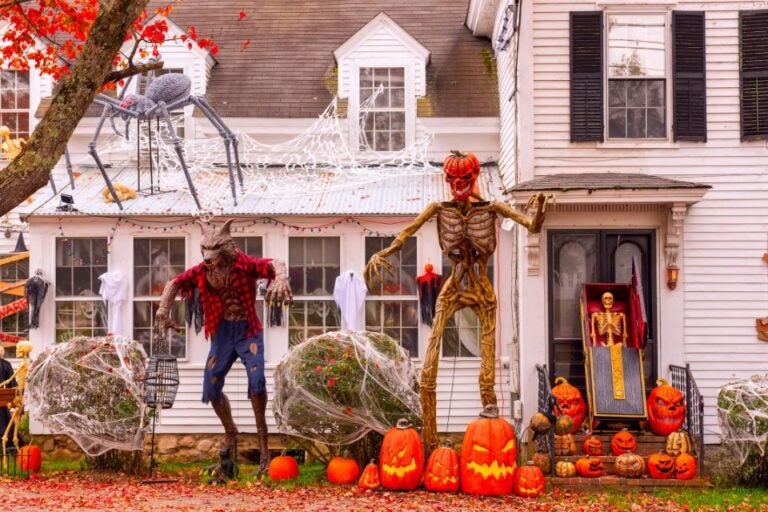
Halloween traditions and celebrations around the world
While standard trick-or-treating remains a popular hallmark of the holiday, Halloween around the world presents a vastly different picture. Many countries host their own unique seasonal events.
Halloween in the US
Though rooted in ancient Celtic traditions, modern Halloween is largely an American export. US media turned a harvest ritual into a global pop culture hit, shaping worldwide Halloween celebrations.
Several core traditions define Halloween in the United States as a major cultural and commercial event.
- Trick-or-treating: Children dress in costumes and go door-to-door collecting candy.
- Pumpkin carving: Families carve pumpkins into illuminated jack-o’-lanterns to display on front porches.
- Costumes: People of all ages dress up, blending classic horror monsters with current pop culture, movie characters, and memes.
- Haunted houses and parties: Commercial haunted attractions, spooky hayrides, school parades, and adult costume parties run throughout late October.
Halloween in the UK and Ireland
Halloween originated in Ireland and the UK from Samhain, an ancient Celtic festival marking the end of the harvest. Celts believed the line between the living and spirit worlds blurred on October 31st, allowing spirits to return.
Their traditions on this day include:
- Guising (trick-or-treat): Children dress up and go door-to-door “guising”. They traditionally perform a song, poem, or trick to earn treats, nuts, or coins.
- Bonfires: Communities light massive bonfires to ward off evil spirits, honoring ancient Celtic cleansing rituals.
- Irish barmbrack: Families eat barmbrack, a traditional Irish fruit bread baked with hidden trinkets (like rings or coins) that predict the finder’s future.
Halloween in Mexico
While people in Mexico celebrate American-style Halloween on October 31 with costumes and trick-or-treating, they also celebrate their own Día de los Muertos, or Day of the Dead, on November 1–2.
Halloween focuses on spooky fun, whereas Día de los Muertos is a sacred, joyful holiday honoring deceased ancestors with the following rituals:
- Ofrendas (Altars): Families build colorful home altars adorned with photos, candles, favorite foods, and pan de muerto to guide spirits home.
- Marigolds (Cempasúchil): Vibrant orange petals are scattered along paths and altars, using their vivid color and scent to lead souls back.
- Decorated skulls (Calaveras): Sugar skulls and Catrina face paint act as symbolic, lighthearted reminders of mortality.
- Family gatherings: Loved ones gather in cemeteries for overnight vigils, sharing music, meals, and memories beside decorated gravesites.
Halloween in Japan
Japan does not have an official traditional counterpart on October 31st. Halloween in Japan focuses primarily on street fashion, public spectacles, and commercial pop culture rather than traditional neighborhood trick-or-treating.
- Elaborate cosplay: Festivities center on high-effort costumes, ranging from anime and video game characters to pop culture icons and memes.
- Themed events: Major theme parks like Tokyo Disneyland and Universal Studios Japan host month-long Halloween parades and “horror night” attractions.
- Tokyo as a hub: Tokyo serves as the epicenter, drawing crowds with organized cosplay parades, nightlife events, and street gatherings in major entertainment districts.
The true Japanese spiritual equivalent to Halloween’s ghost themes is the Obon festival, which is held in Mid-August or Mid-July.
Halloween in Australia
In Australia, Halloween takes place on October 31st during the Southern Hemisphere’s spring season. Instead of the cool autumn weather, falling leaves, and dark evenings typical of the Northern Hemisphere, Australians celebrate during warm, sunny spring evenings.
- Orange balloon signal: Because Halloween isn’t universally celebrated, participating homes tie orange balloons to their gates or letterboxes to show trick-or-treaters they are welcome to knock.
- Driveway hosting: Due to warm spring weather, adults often sit on their driveways with lawn chairs and treat buckets, creating casual street parties with neighbors.
- Daylight trick-or-treating: With daylight saving time in effect, kids trick-or-treat in full sunlight immediately after school rather than in the dark.
- Wildlife-safe decor: Communities avoid fake cotton spiderwebs in trees to protect native birds nesting during their peak spring breeding season.
Halloween in other countries
How the holiday is celebrated differs significantly by region, depending on local history, commercial adoption, and existing seasonal traditions:
- Germany: A unique superstition involves hiding kitchen knives on Halloween night to ensure visiting ancestor spirits do not accidentally injure themselves.
- France: While commercial trick-or-treating has a smaller presence, the holiday leans heavily into adult-focused Soirées Déguisées (costume parties) and theatrical horror parades in major cities.
- Italy: Halloween blends directly into Tutti i Santi (All Saints’ Day on Nov 1st), featuring regional traditions like baking Fave dei Morti, sweet almond cookies shaped like beans to honor the dead.
- Canada: Heavily influenced by North American traditions, Canada celebrates with neighborhood trick-or-treating, large-scale pumpkin patches, and massive commercial scare events.
- Singapore: Celebrations center heavily on world-class theme park spectacles across the city. The main highlight is Universal Studios Singapore’s annual Halloween Horror Nights, which brings region-specific Asian folklore and ghost stories to life.
- China: Western Halloween is mostly an expat and nightlife event in urban centers. Its traditional equivalent is the Hungry Ghost Festival (Zhongyuan Jie), where families burn joss paper and leave food offerings to appease roaming spirits.
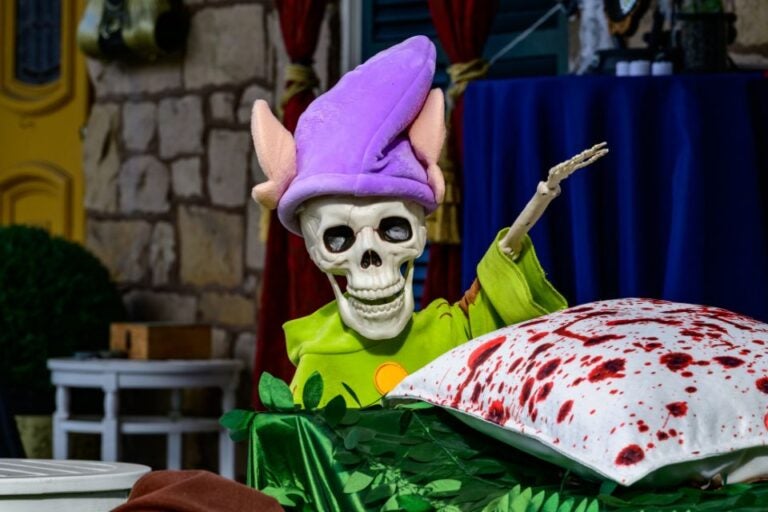
Unique Halloween traditions around the world
Early November is a time when communities worldwide use regional traditions to connect with departed souls. Here are some unique Halloween traditions from around the world, less common than costumes and trick-or-treating:
- Ireland – Barmbrack fortune telling (Bairín Breac): Halloween in Ireland is celebrated with Bairín Breac. This traditional fruit bread is baked with hidden objects inside, such as a ring (predicting marriage), a coin (wealth), or a piece of cloth (poverty). Family members cut the cake to discover their fortunes for the year ahead, combining old traditions of fortune-telling with a popular autumn dessert.
- Costa Rica – Giant traditional masks (Día de la Mascarada Tradicional): In parades, dancers wear elaborate papier-mâché masks while cimarrona street bands play lively music. This festival helps keep local crafts alive and share cultural stories with younger people.
- Haiti – Fête Gede: Early November Vodou rituals honor the spirits of death and rebirth. Dressed in white, purple, and black, practitioners pour spiced rum offerings on graves to celebrate death as a vibrant continuation of life.
- Guatemala – Giant kites (Barriletes Gigantes): On November 1st, locals fly massive, 60-foot colorful kites to connect the living with the departed. It is believed that their impressive height and the sounds they create guide ancestral spirits back to Earth.
Halloween around the world for kids
For children, celebrating Halloween abroad can offer a wonderful mix of familiar fun and new cultural experiences. While family-friendly festivities happen worldwide, how children participate often depends on local customs.
- Trick-or-treating: Neighborhood candy hunting is standard in North America, but operates on an opt-in basis elsewhere. Homes often require a visible marker, such as a balloon or a lit pumpkin, to indicate participation.
- School and mall events: In areas where door-to-door trick-or-treating isn’t common, schools, shopping centers, and theme parks host safe costume parades and organized candy stations.
- Autumn crafts: Pumpkin carving, harvest games, and pumpkin patch visits are widely popular across North America and Europe.
Here are some tips for a better Halloween experience abroad:
- Research local rules on costumes: Some destinations heavily favor scary outfits, while others prefer harmless dressing up (similar to Carnival). Check if face masks or fake weapons are restricted on local public transit.
- Pack adaptable costumes: Choose lightweight outfits that can layer over warm clothes in cooler climates or stay comfortable in tropical destinations.
- Look for opt-in indicators: Only knock on doors displaying explicit signals like orange balloons, posters, or jack-o’-lanterns.
- Focus on cultural workshops: If traditional trick-or-treating isn’t available, book a local craft session, like skull-painting, mask-making, or bread-baking, to give kids a hands-on festive experience.
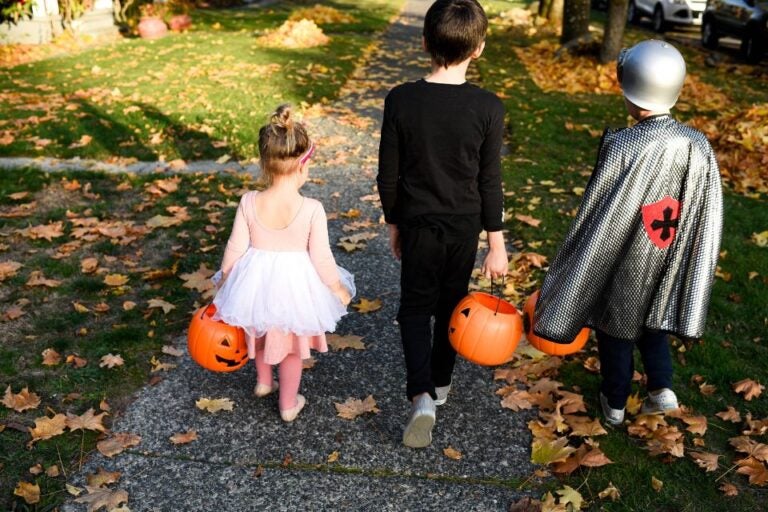
Best places to celebrate Halloween
Each major Halloween destination excels in a completely different way. It depends on whether you are looking for historical roots, pop-culture spectacles, cultural rituals, or family traditions:
| Destination | Unique Halloween experience | Best for |
|---|---|---|
| Ireland | Ancient Samhain roots, street carnivals, and historic ghost tours. | Authentic folklore and origins |
| United States | Neighborhood trick-or-treating, pumpkin patches, and massive haunted attractions. | Iconic traditions and mega-events, family-friendly |
| Tokyo (Japan) | High-effort cosplay spectacles and themed anime/pop-culture gatherings. | Street cosplay and entertainment |
| Mexico | Día de los Muertos rituals with marigold altars, sugar skulls, and cemetery vigils. | Vibrant cultural traditions |
| United Kingdom | Castle ghost hunts, farm pumpkin trails, and traditional “guising.” | Historic charm and family fun |
- If you want a party-driven, spooky parade with ghost tours, attend Halloween in New Orleans.
- For a terrifying, gothic Halloween inside legendary Bran Castle, try Halloween in Transylvania.
- The Derry Halloween Festival, held annually in Derry (Londonderry), Northern Ireland, is widely recognized as Europe’s largest and top-rated Halloween celebration.
- Halloween in Salem transforms the historic town into a month-long festival of witch tours, costume balls, and psychic fairs (October 1 – October 31).
Fun facts about Halloween around the world
While people around the world associate Halloween with pumpkin carving and ghost stories, many countries have unusual local traditions and lesser-known facts.
- Turnip lanterns: The first Jack-o’-lanterns were carved from turnips and beets in Ireland before people switched to easier-to-carve pumpkins in America.
- Marriage predictions: Women in 18th-century Ireland and Scotland threw nuts in the fire or hid rings in mashed potatoes to see who would get married first.
- Extra chairs: In the Czech Republic, families put out extra chairs by the fire so visiting spirits have a place to sit.
- Hiding knives: Some people in Germany hide their kitchen knives on Halloween so returning spirits don’t hurt themselves.
- Soul cakes: Trick-or-treating started in the Middle Ages, when people sang prayers for the dead in exchange for small spiced cakes.
- Bread and water: In Austria, families leave out bread, water, and a lit lantern overnight to welcome visiting spirits.
- Fear of Halloween: An official fear of Halloween actually exists, and it’s called Samhainophobia.
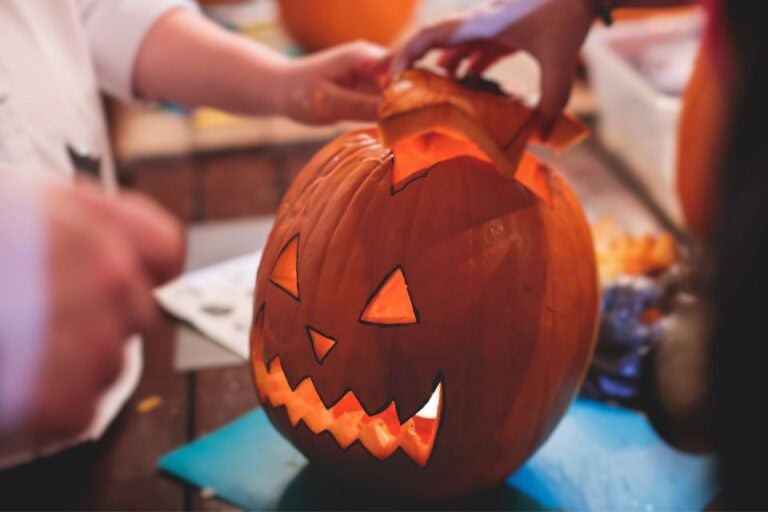
Stay connected while celebrating Halloween
Reliable mobile data keeps you safe, organized, and connected during crowded Halloween celebrations. You will need a reliable connection to use Maps, find celebration locations, and instantly share festive moments on social media.
Instead of purchasing a local SIM card or relying on roaming, you can consider Holafly eSIM, with unlimited data, 5G speeds where available, and 24/7 customer support. Holafly also offers the Always On feature on all eSIMs, which provides 1GB of backup data each month for emergency connectivity, as long as the eSIM remains installed.
Supported in +200 destinations, Holafly helps you stay connected wherever you go. Whether you want an eSIM for the USA or an eSIM for Mexico, you can find a plan on the Holafly eSIM store.

24/7 support, no matter what
When you're traveling, every question can be an urgent one. That's why we work around the clock.
Plans that may interest you


Formerly a travel journalist turned marketing copywriter, I found my way back to the travel world with Holafly—my dream company that made remote work possible. My motto? “Dream big and make it happen.” I’m passionate about writing, exploring the world, and staying active through walking, running, swimming, and hiking. I also love learning, reflecting, and connecting with inspiring minds.


