



 Language
Europe without the crowds: Why October is the sweet spot for Rome, Lisbon and Athens
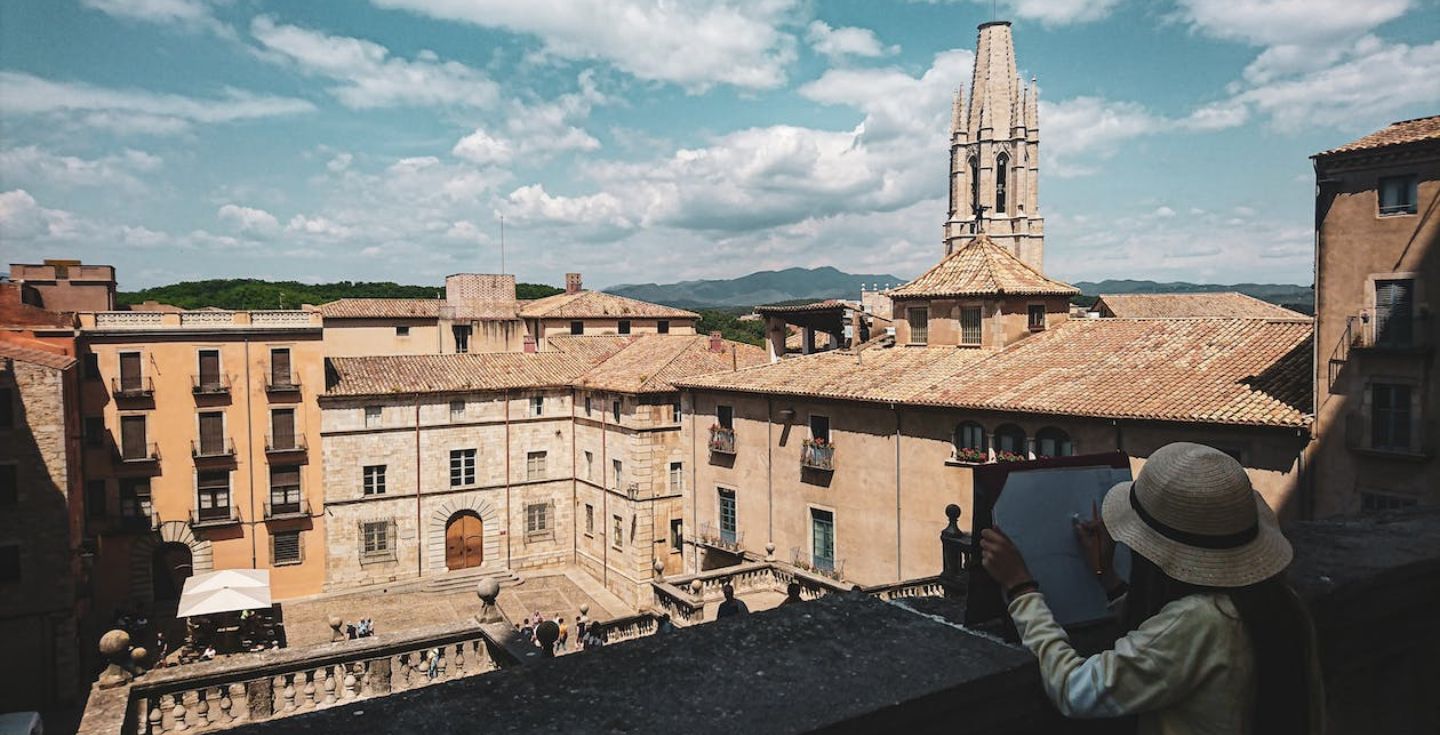
Skip the summer crowds and discover Rome, Lisbon and Athens in October, when warm weather, quieter sights, and a majestic autumn ambiance await.

If you felt a twinge of jealousy every time a photo of the Colosseum or Acropolis popped up on your feed this summer, you might feel like you’ve missed your chance for a 2026 European getaway.
You haven’t. In fact, October might just be the best time to visit.
What those summer selfies didn’t show was the shoulder-to-shoulder crowds, hours-long queues, and scorching heat. Now, as autumn arrives, those European hotspots still have warm, sunny weather, but the attractions are far less crowded.
Here’s why Rome, Lisbon, and Athens are the best places to visit in Europe in October.
Why October is Europe’s quiet sweet spot
By early October, the kids are back in school, everyone is settled back into their work routine, and the cruise and tour-group traffic has tapered off.
Yet weather-wise, many European cities are still delightful. Mediterranean cities like Athens and Rome enjoy plenty of warm days with average temperatures in the low 70s Fahrenheit, and October still has plenty of sunshine (an average of 11 hours of daylight per day).
Because travel numbers drop so significantly, October is a fantastic time to nab a great travel deal. Flight prices and hotel rates are typically 20-30% cheaper than in July and August.
Here are three Mediterranean and Atlantic European cities that stand out the most for shoulder season travel, and what you can expect from each one:
| City | Avg. October high | Why go now |
|---|---|---|
| Rome | ~22°C / 72°F | Golden light, Film Fest, calmer landmarks |
| Lisbon | ~22°C / 72°F | Locals back in town, quieter Sintra |
| Athens | ~23°C / 73°F | Acropolis without the heat, sea still swimmable |
Rome: Golden light and room to breathe
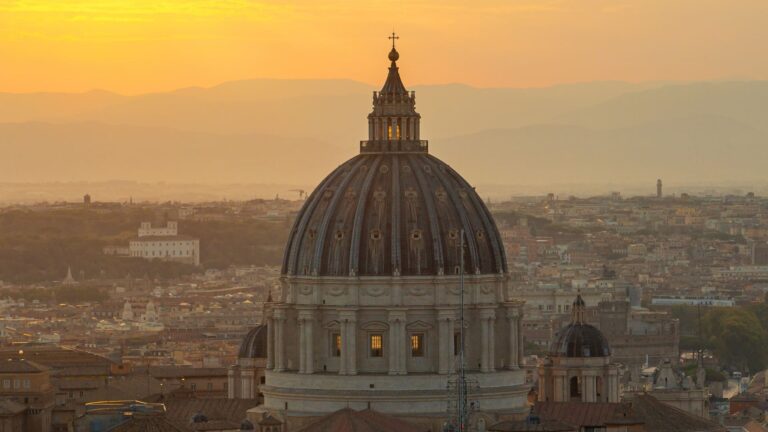
Rome is famously known for its slow arrival of Autumn. October often still feels like summer, with sunny skies and warm air for most of the month.
In fact, October in Rome is so pleasant that historically, Romans used this month to take day trips to the nearby countryside; a tradition known as Ottobrata Romana.
Nowadays, Ottobrata refers to the Indian summer feeling and golden sunlight that bathes the city in the afternoons, creating an incredibly enchanting atmosphere. If you visit during October, you’ll often hear locals exclaiming “Che bella ottobrata!” to each other, meaning “What a beautiful October day!”
That’s why Rome in October feels uncrowded yet still full of life.
Locals are out and about enjoying the last month of warmth, but as tourism remains low, the Colosseum and Vatican see much smaller queues than in the summer months.
Rome’s outdoorsy culture means there are plenty of exciting things to do in Rome in October. The most notable event is the Rome Film Fest, with public screenings at the Auditorium Parco della Musica between October 13 and 25.
While the attractions are quieter, they aren’t empty. So for the best experience, book early-morning slots for the Colosseum and the Vatican.
Top tip: The Trevi Fountain now costs €2 if you visit between 9 AM and 10 PM. However, Mondays and Fridays in October have later openings, meaning you can go early on those days to enjoy it without the cost or crowds.
Lisbon: The city exhales after summer
Lisbon in October offers warm afternoons and fewer crowds, making sightseeing far more comfortable than in the summer months. In the evening, temperatures cool and the sunlight softens, creating stunning golden miradouros across the city.
With crowds far less intense than in peak season, October is the perfect time to spend a few extra days in Lisbon and fit in day trips to Sintra and Cascais.
One key event to watch for in October is the Lisbon marathon. Around 15,000 participants flock to the city between October 10 and 11. During this weekend, Lisbon is temporarily crowded with several road closures along the river, so it’s best to plan your trip outside of these dates if possible.
Top tip: October is the end of Portugal’s wine harvest season, but there are still plenty of opportunities to taste some of the local flavors. For example, the Vinhos & Sabores Wine Fest takes place on October 17-19 in Parque das Nações, featuring guided tastings, masterclasses, and cooking demonstrations.
Athens: The Acropolis without the heat
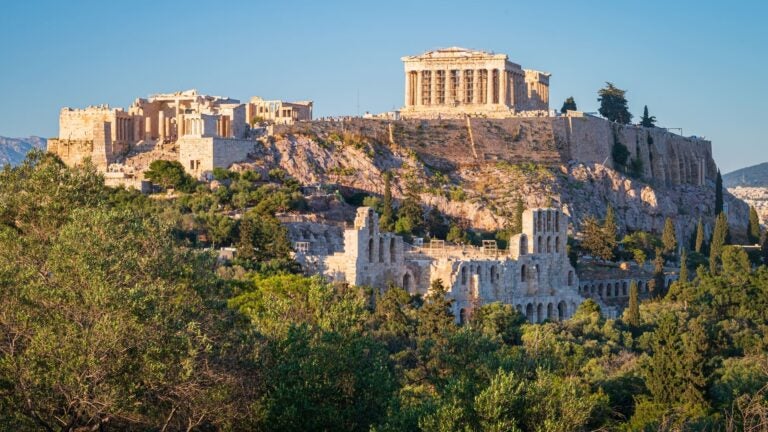
October is one of the best months to visit Athens, as the city’s sun-exposed sights are far more comfortable to explore than in the scorching summer months.
For example, you can spend hours wandering around the Parthenon without desperately seeking shade. Similarly, you can climb to the Acropolis without completely sweating through your clothes.
At the same time, with average daytime temperatures of 73°F (23°C) and similar sea temperatures, it’s still warm enough to relax on the beach and swim in the Athens Riviera.
The pleasant weather means island hopping and day trips from Athens are still possible. However, ferry frequencies to some islands, like Hydra and Poros, do decrease slightly from October, so check current schedules before planning your trips.
The end of the month sees a major public holiday in Greece. On Ohi Day (October 28), Athens comes alive with street parades, and many businesses and services shut for the day to join in the fun.
Top tip: In October, the Acropolis gradually shifts to earlier closing times (6:30 PM for the first half of the month and 6 PM for the second half). The best times to visit remain early morning or 2 hours before closing.
How to plan your October Europe trip
Planning an October Europe trip looks a little different from a summer vacation.
- Opt for air travel over land travel: Because flights are significantly cheaper, it makes sense to fly between cities rather than take trains and ferries. A Lisbon-to-Rome-to-Athens one-way loop in late October is currently priced from €125 on Skyscanner.
- Book key attractions in advance: Although these European cities are quieter than in the summer months, it’s still better to book attractions in advance than just turn up. Book timed tickets around 1 week in advance for the Colosseum, Acropolis, and Vatican to secure the first entry slots of the day.
- Pack for all weather conditions: Autumn in Europe can bring changeable, unpredictable weather. The best strategy is to pack layers, as mornings and evenings are typically cool, while afternoons warm up when the sun comes out. Lisbon is especially prone to some rain in October, so an umbrella or rain jacket is crucial.
- Prioritize sightseeing for the first half of the day: If you’re visiting at the end of the month, know that the clocks go back on Oct 25 across the EU. After this date, evenings get dark earlier.
Finally, all non-EU travelers now need to use the new EU entry system at the border. You don’t need to do anything ahead of your trip, but expect longer queues when you arrive in Europe and again when departing.
Stay connected across Rome, Lisbon and Athens with Holafly
Hopping between three countries in one trip means a lot of moving parts: timed Acropolis slots, a train to Sintra, and a last-minute dinner booking in Trastevere. Your phone needs to keep up.
A Holafly eSIM for Europe covers Italy, Portugal, and Greece on one plan, with unlimited data, 5G speeds, and 24/7 customer support. Install it before you fly, and you’re online the moment you land, with no roaming fees and no hunting for local SIM cards. If you travel often, Holafly Plans gives you pay-monthly coverage in 160+ destinations with a single eSIM.
What’s more, every Holafly eSIM comes with Always On: 1 GB of monthly backup data at no extra cost. It activates automatically as long as the eSIM stays installed, renews every month, and works in 150+ destinations. So if you decide to stretch Lisbon by two days or add a ferry out of Athens, you’ll still have a reliable connection for maps, bookings, and messages.

Unlimited data. Peace of mind.
Make sure you have travel data that's there when you need it most.
Plans that may interest you

Hi, I'm Mika, a South Korean writer living in the US. I cover travel and live events, focusing on the practical stuff that makes your trip smoother, whether you're navigating a new city or heading to a major international event.I'm also the founder of Search SEOul, South Korea's leading SEO conference, bringing together search marketing experts and speakers from around the world.