Language
Dominican Republic Christmas traditions: Food and celebrations
Discover Dominican Republic Christmas traditions, from colorful charamicos and festive parrandas to Nochebuena feasts, weather tips, and travel highlights.

Christmas in the Dominican Republic is a vibrant, joyful, and deeply musical celebration known as La Navidad. The heart of the celebration is Nochebuena on December 24th, a magical night of family feasts and music. This festive season stretches seamlessly from Christmas through New Year, finally concluding on Three Kings’ Day on January 6th.
This guide covers everything about Dominican Republic Christmas traditions, including traditional food, celebrations, decorations, music, gifts, and Christmas weather.
Travelers who want to enjoy Christmas in the Dominican Republic can stay connected with Holafly eSIM, which offers unlimited data, 5G speeds, and 24/7 customer support.
Peace of mind before you fly
Set up your eSIM before travel and get unlimited data on arrival.
How is Christmas celebrated in the Dominican Republic?
The Dominican Republic Christmas traditions are filled with family gatherings, festive decorations, delicious traditional foods, and unique cultural customs. The festive atmosphere blends Taíno, Spanish, and African heritage into a unique cultural experience centered around five key pillars:
- Family: The cornerstone of the season. Relatives travel long distances to reunite, sharing homes, stories, and generational recipes.
- Food: Holiday tables overflow with comforting, savory dishes and rich seasonal drinks prepared specifically for these gatherings.
- Music: Festive tracks play constantly in homes and on streets, often accompanied by live instruments like the güira and tambora.
- Religion: Deeply rooted in Catholic traditions, the season honors the nativity through elaborate home displays and religious services.
- Community: Neighbors actively participate in communal events, sharing food, walking together in early morning processions, and celebrating side by side.
The Dominican holiday season is a prolonged celebration stretching well beyond December 25th:
- December 24 (Nochebuena): The absolute heart of the celebration. Families gather on Christmas Eve for a massive late-night feast of roast pork, with music and dancing lasting until dawn.
- December 25 (Christmas Day): A quieter, relaxed day reserved for resting, visiting neighbors, and enjoying leftovers.
- New Year: Celebrations pick up again with festive dinners, midnight toasts, and good-luck traditions.
- January 6 (Three Kings’ Day): The official conclusion of the season, where children leave grass and water for the Wise Men’s camels in exchange for gifts.
7 Christmas traditions in the Dominican Republic
Many Dominican holiday customs share similarities with other Spanish-speaking and Catholic regions, like Puerto Rican Christmas traditions.
The fireworks and Santa Claus gift-giving traditions are also very similar to Finnish Christmas traditions and other European regions. But the following list highlights the distinctive traditions that uniquely belong to the Dominican Republic:
- Charamicos: Handcrafted wooden Christmas trees painted in vibrant colors, created by local artisans as a distinct symbol of Dominican holiday decor.
- Aguinaldos and Parrandas: Joyful, impromptu musical processions where groups go door-to-door singing festive songs with traditional instruments.
- Nochebuena (Christmas Eve) Dinner: The central family feast on December 24th, featuring iconic dishes like roast pork (pernil), rice with pigeon peas, and sweet telera bread.
- El Angelito: A popular regional version of Secret Santa practiced in workplaces, schools, and families throughout December.
- Misa de Gallo: A traditional late-night Christmas Eve mass that provides the spiritual foundation of the holiday.
Nochebuena family celebrations
Unlike in many English-speaking countries, where Christmas Day is the main event, December 24th is the highlight of the Dominican holiday season. Families gather for a massive, late-night feast that often lasts well past midnight.
- Family gatherings: Households host multi-generational family members and friends who come together to share the evening.
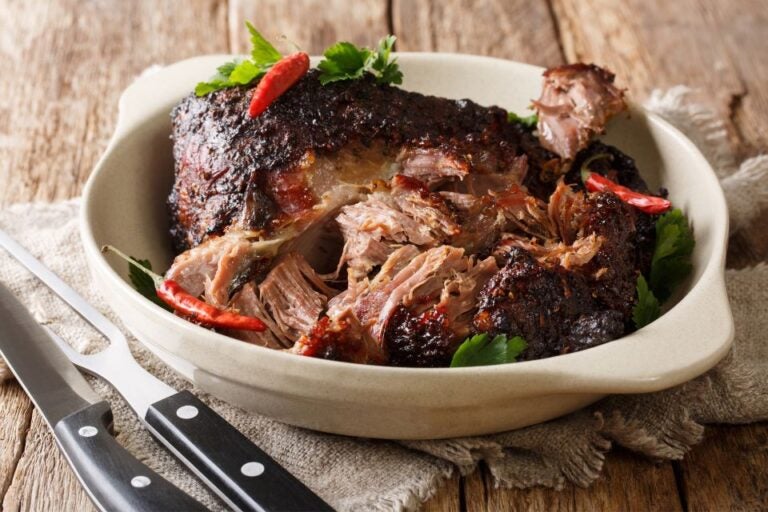
- Christmas dinner: The meal features traditional dishes, notably lechón asado (roast pork), pasteles en hoja, rice, ensalada rusa, and telera bread.
- Music and dancing: Socializing includes playing holiday music, primarily merengue and bachata, alongside dancing.
- Drinks: Adult beverages such as romo (local rum) and ponche (egg-based spiced drink) are served during toasts.
- Gift-giving: While traditional gift-giving for children occurs on Three Kings’ Day, many households also exchange presents at midnight on Christmas Eve.
- Misa de Gallo (Midnight Mass): A traditional Catholic service held on Christmas Eve to observe the holiday’s religious significance. Many families attend the service either before or as part of their Christmas Eve observations alongside the family meal and gatherings.
Traditional Dominican Christmas food
Food is a central component of Dominican Christmas celebrations, particularly for Nochebuena (December 24) and family gatherings. The holiday table brings together a specific menu of savory dishes, fresh salads, and seasonal baked goods that families prepare together and share late into the night.
- Puerco Asado (Roast Pork): This is the undisputed centerpiece of the Nochebuena table. Seasoned heavily with garlic, oregano, citrus, and other spices, the pork is roasted until the meat is tender and the outer skin is crisp.
- Moro de Guandules: A staple side dish for major celebrations, this is a flavorful combination of rice and pigeon peas cooked with coconut milk, tomato paste, and various seasonings.
- Pasteles en Hoja: Similar to tamales, these are parcels made from a grated plantain and root vegetable dough stuffed with seasoned meat (usually pork or chicken). They are wrapped in plantain leaves and boiled.
- Telera: A long, soft, white bread baked specifically for the holiday season. It is sliced and served alongside the main dishes at nearly every Nochebuena dinner.
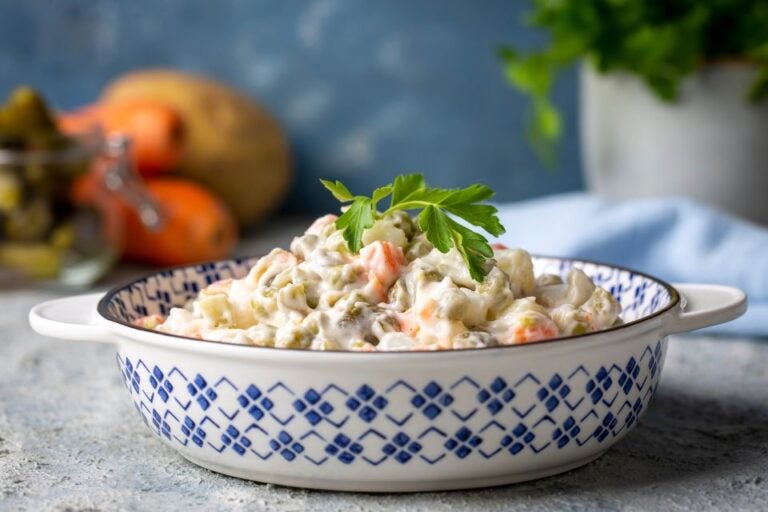
- Ensalada Rusa (Russian salad): A creamy potato and beet salad that adds a vibrant pink color and a cool contrast to the warm, savory meats.
- Christmas sweets: The holiday meal concludes with traditional desserts, such as majarete (a sweet corn pudding), milk-based sweets like dulce de leche, or fruit cakes often soaked in rum.
Charamicos and Christmas decorations
Holiday decorations in the Dominican Republic blend festive tropical color with distinct local craft traditions. Homes, streets, and businesses transform during La Navidad using a variety of traditional ornaments.
The most recognizable symbols of Dominican Christmas decorations are Charamicos. These are handmade decorative figures crafted from dry tree branches, twigs, and wood pieces tied and shaped together over a wire or wooden frame. They are mostly shaped into Christmas trees, stars, reindeer, and angels.
- Colors: Unlike traditional green pine trees, charamicos are typically painted in vibrant colors, such as bright white, electric blue, red, gold, or green.
- Role in decorations: Placed outside homes, on porches, or inside living rooms, charamicos serve as the quintessential Dominican alternative to traditional pine trees, adding a distinct local artistic touch to the holiday season.
In addition to Charamicos, other common decorations exist, including:
- Nacimientos (nativity scenes): Detailed displays depicting the birth of Jesus, often serving as the focal point of home decor.
- Poinsettias (Flores de Pascua): Bright red and green plants used to adorn doorways and living spaces.
- Christmas lights: Colorful string lights draped across balconies, porches, and neighborhood streets.
El Angelito and Christmas gifts
Gift-giving in the Dominican Republic is a blend of playful community traditions and cultural figures that span the entire holiday season. One of the most popular gift-giving traditions among Dominicans is El Angelito. It is widely practiced among coworkers, school classes, and groups of friends leading up to Christmas.
How it works:
- Participants draw names in secret to determine who they will buy a gift for.
- During the set time, the secret gift-givers commonly leave little notes, treats, or clues.
- The tradition concludes with a final gathering. At this event, everyone receives their main gift and tries to guess who their secret gift-giver, or “angelito,” was.
- Adding variations like Angelito Tomas, in which gifts are stolen or swapped, brings an extra element of enjoyment.
Other gift-giving traditions:
- Santa Claus and baby Jesus (December 25): Influenced by international media and modern practices, Santa Claus (Santa Clos) and El Niño Jesús (Baby Jesus) have become common figures for gift delivery on Christmas morning, particularly in urban areas.
- La Vieja Belén (January 1): A uniquely Dominican folkloric figure, La Vieja Belén is an elderly woman who traditionally brings gifts to children who may have missed out on earlier deliveries, typically arriving shortly after New Year’s.
- Three Kings’ Day (January 6): It is the most traditional day for children to receive gifts. Kids leave grass and water under their beds for the camels of the Three Wise Men, waking up to find presents left in return.
Aguinaldos and Christmas music
Music is an essential part of Christmas in the Dominican Republic. The holiday season features community gatherings, street processions, and festive music throughout December.
- El Aguinaldo: These are early morning religious gatherings that take place in the days leading up to Christmas. Neighbors and friends walk through the streets playing traditional instruments, like the güira, tambora, and accordion, singing Christmas carols (villancicos) to wake up their community and invite them to join the procession.
- Música Navideña: The holiday season is synonymous with Merengue and Bachata tracks dedicated to Christmas. Artists release festive songs every year that play continuously on the radio, in shops, and at family parties.
Misa de Gallo and religious traditions
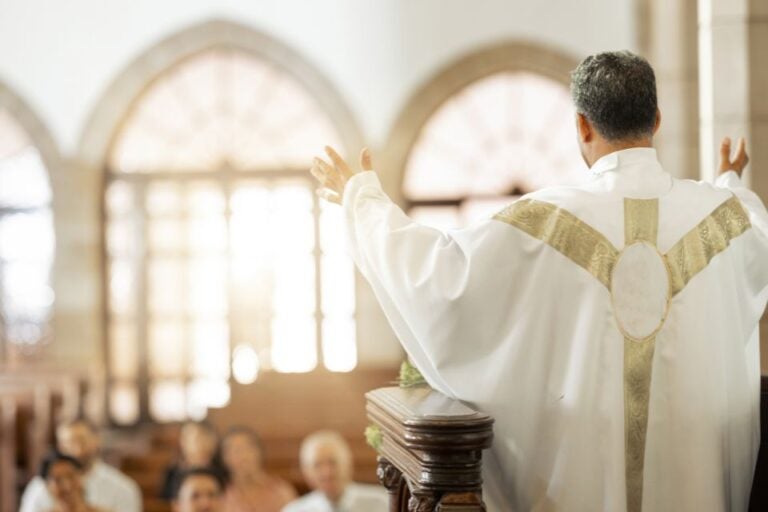
Catholic practices play a significant role in Dominican Republic Christmas traditions, blending community festivities with religious observance.
Across the Dominican Republic and many other parts of the Spanish-speaking Catholic world, attending Misa de Gallo is a core component of how families observe Christmas Eve. It’s also one of the major Christmas traditions in El Salvador.
Misa de Gallo is traditionally held late at night on Christmas Eve (December 24th). But many churches now schedule services earlier in the evening.
Throughout December, local churches hold special masses and gatherings to bring communities together for the religious holiday.
Christmas fireworks and community celebrations
Fireworks, public dancing, and neighborhood gatherings are a vibrant part of the Christmas celebrations in the Dominican Republic.
- Fireworks and Fuegos Artificiales: As midnight approaches on Christmas Eve and New Year’s Eve, neighborhoods light up with fireworks, sparklers, and firecrackers, creating a loud and colorful atmosphere to mark the night.
- Neighborhood celebrations: Festivities often spill out into the streets. Neighbors gather on porches and sidewalks to share drinks, chat, and listen to loud music playing from homes and cars.
- Public dancing: Dance floors spontaneously appear wherever there’s room, and families and friends dance to merengue and bachata until the early morning.
- Community impact: These celebrations build stronger connections, bringing families, friends, and neighbors together to share joy, hospitality, and holiday cheer.
Travelers can experience Dominican holiday celebrations across three main settings:
- Santo Domingo: The capital city features historic architecture—like the Cathedral of Santa María la Menor—decorated with festive lights, alongside open-air concerts and traditional services.
- Local neighborhoods and towns: Experience local celebrations in towns like Las Terrenas or Samaná, featuring community gatherings, live music, and accessible church services.
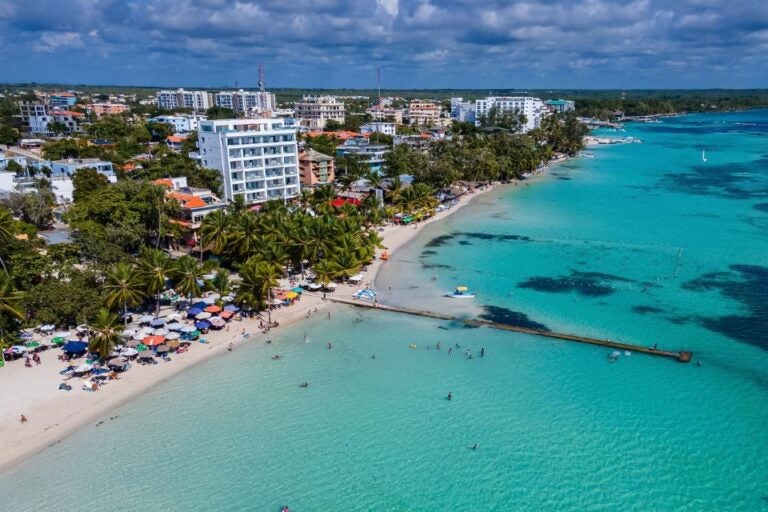
- Resorts and beach towns: In popular destinations like Punta Cana and Puerto Plata, a blend of local culture and hospitality is offered, featuring Nochebuena dinners, live merengue music, and fireworks on the beach.
What is the weather like in the Dominican Republic at Christmas?
December brings warm, pleasant tropical weather, making the Dominican Republic an ideal winter escape. Daytime temperatures are typically between 25°C and 29°C (77°F to 85°F), with pleasant evening breezes.
- Climate: Expect plenty of sunshine with only brief, passing showers. Coastal areas like Punta Cana are warm and dry, while northern spots like Puerto Plata enjoy lush, slightly cooler conditions.
- What to pack: Bring swimwear and lightweight clothing for sightseeing, comfortable walking shoes for the city, and a light jacket or sweater for breezy evenings and church services.
Stay connected while experiencing Christmas in the Dominican Republic
Experiencing Dominican Republic Christmas traditions will be more enjoyable with a reliable internet connection. You will need internet to find locations to watch fireworks and join the dancing parties, use maps, get a ride, and share your enjoyable moments on social media.
Holafly Dominican Republic eSIM is a convenient option for travelers with unlimited data, 5G speeds where available, and 24/7 customer support.
Every eSIM comes with 1GB of backup data known as the Always On, allowing you to stay connected after the main plan expires. This emergency backup data is available for up to one month as long as the eSIM remains installed.
Holafly is supported in 200+ destinations, so wherever you want to spend your Christmas, you can find a plan on Holafly’s eSIM store.

Unlimited data. Peace of mind.
Make sure you have travel data that's there when you need it most.
Plans that may interest you


Formerly a travel journalist turned marketing copywriter, I found my way back to the travel world with Holafly—my dream company that made remote work possible. My motto? “Dream big and make it happen.” I’m passionate about writing, exploring the world, and staying active through walking, running, swimming, and hiking. I also love learning, reflecting, and connecting with inspiring minds.