


 Language
The overnight train that costs less than a hotel: cross Europe while you sleep
A hotel and a train ticket in one? Discover the European night trains that let you sleep between cities, save money, and wake up somewhere new.

An overnight train that costs less than a hotel room?
It sounds like one of those travel hacks that is too good to be true. But in this case, it’s not.
You can genuinely go to sleep in one country and wake up in another for less than you would pay for a hotel room… if you choose the right ticket type.
Now you probably cannot get the most luxurious private cabin, but you can certainly get a seat or a couchette in a shared coach for a surprisingly low price.
Read on to discover how much you can save and where you can go on a European overnight train.
Why an overnight train in Europe can cost less than a hotel
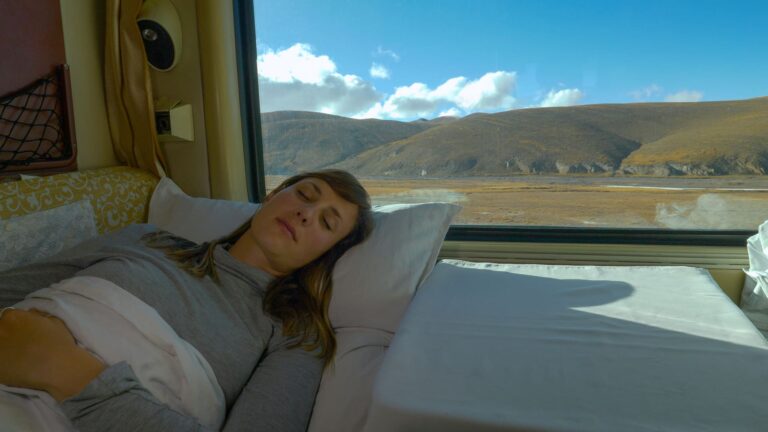
The reason the math works is simple: your train ticket doubles as your transport and your accommodation for the night. So you don’t have to pay for a room, nor do you lose a day to travel.
The savings are maximized when you travel to or from an expensive European city like Zurich or Copenhagen, where hotel rooms consistently cost over €100 a night. For example, seats on the Snälltåget night train from Berlin to Copenhagen start from just 399 SEK (€36), around a third of the cost of a hotel room.
Of course, for this price, you’re not getting a private cabin, but a standard seat. If you want to lie down fully, you can upgrade to a couchette (a convertible bed) in a shared cabin for an extra 350 SEK ($31), which still works out cheaper than a hotel.
The savings may not look so impressive when visiting somewhere like Albania or Bulgaria, where hotel room rates are lower. But you’re still combining two expenses in one and traveling to the most affordable European countries, so your savings will continue to stack up once you arrive.
Sleeper, couchette, or seat: how Europe’s night trains work
Europe’s overnight trains have three distinct fare types, where the price increases with comfort and privacy:
| Class | What you get | Best for |
|---|---|---|
| Seat | Reclining seat in a shared coach | Tightest budgets, shorter hops |
| Couchette | Shared cabin with fold-down bunks, 4 to 6 people | Balancing cost and rest |
| Sleeper | Private cabin with real beds, sometimes a sink | Comfort seekers, couples, longer routes |
- A standard seat is the cheapest option. You’ll be in a shared cabin (which typically seats up to 6 people), and your seat may or may not recline, depending on the specific train. This option is best for budget and solo travelers who want to maximize their savings, as well as shorter hops where the journey is 6 hours or less.
- A couchette is the mid option. You will still be in a shared cabin with 3-5 other people, but the difference is your seat fully transforms into a single bed (with bedding), meaning you can lie down properly and get some quality sleep. Couchettes tend to cost about double the price of a standard seat, so many travelers find it a good balance between cost and rest.
- A sleeper is the luxury option. It can be either a fully private cabin or a cabin shared with 1 or 2 others. This is by far the most comfortable option as you get high-quality bedding, a separate seating area, and sometimes even a private toilet and sink. Although pricey, sleepers are a fab option for couples or those traveling with a buddy, as you can split the cost.
The overnight routes worth trying
Train travel in Europe is not just an affordable way to get between cities and countries, but many routes provide an incredibly scenic experience.
For example, Brussels to Milan on the European Sleeper passes through endless beautiful alpine scenery in the Swiss Alps. Price-wise, tickets start from just €59 EUR for a standard seat. A hostel dorm in Milan costs about the same, while a 3-star hotel is at least €100.
The Vienna to Zurich route is another of the most practical and cost-effective ways to fall asleep in one country and wake up in another. The ÖBB Nightjet starts from €45 for a standard seat or €99 for a couchette. Zurich is well known for being an expensive city and a room at a 3-star hotel typically costs no less than €150.
If you’re planning a trip to Europe but are undecided where to go, here are some other European night train routes* to give you some inspiration:
- Paris to Nice (SNCF)
- Berlin to Stockholm (EuroNight)
- Munich to Rome (ÖBB Nightjet)
- London to Edinburgh (Caledonian Sleeper)
* Schedules change from season to season, and some routes may not be available all year round.
Packing and prepping for a night on the rails
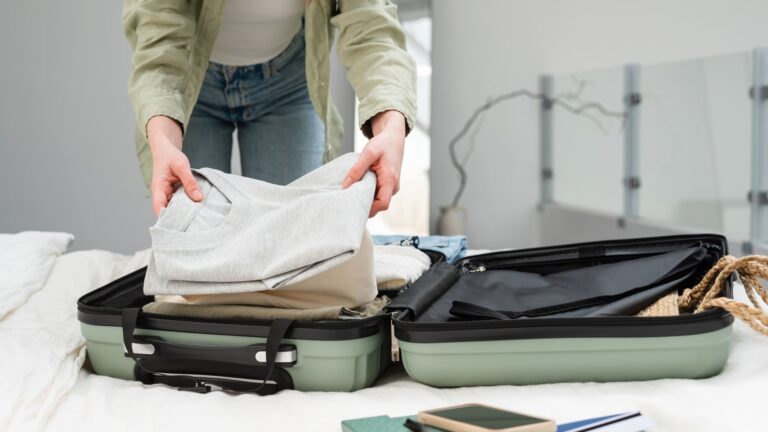
If you’re traveling in a couchette or sleeper cabin, the night journey will already be far more comfortable than a standard daytime train. But there are a few small items you should add to your Europe backpacking list to make the experience as enjoyable and restful as possible:
- An eye mask and earplugs (essential for shared cabins).
- A lightweight layer (such as a hoodie or fleece) as train temperatures can fluctuate throughout the night and bedding may be thin.
- A powerbank as you might not have a charging port right by your seat/bed.
- Snacks and drinks as onboard options can be expensive and limited during the night.
If you’ve opted for the cheapest ticket, I also suggest bringing something to keep you entertained if you are unable to sleep. For example, download a movie on your iPad, have some podcasts ready to listen to, or bring a book.
Finally, if you’re traveling in a shared cabin, keep your passport, wallet, phone, and other valuables with you at all times. Do not leave them in your main luggage, bring them with you when you go to the toilet, and sleep with them under your pillow.
Booking your overnight trip: passes, timing, and tips
When it comes to booking European night trains, there are two main options: point-to-point tickets or a rail pass.
Buying individual tickets makes the most sense if you’re taking one or two overnight journeys during your Europe trip. You can book these directly from the train operator’s website.
If you’re planning a bigger European adventure with multiple train journeys across different countries, a rail pass could be better value.
You can get one-country passes, like the German Rail Pass, or multi-country passes, like Eurail, which includes most European night trains. However, you will still have to reserve and pay for your sleeping accommodation. This is because seat reservations aren’t included in rail passes, but night trains require them.
Finally, if you want a couchette or sleeper cabin, it’s best to book in advance. These ticket classes on popular routes tend to sell out weeks or months in advance, especially during summer and holiday periods.
Cross Europe with confidence using Holafly
A Holafly eSIM keeps you online the moment you board, with unlimited data, 5G speeds, and 24/7 customer support in destinations across Europe and beyond. No hunting for station Wi-Fi at midnight, and no swapping SIM cards every time you cross a border.
Because overnight routes carry you into a new country while you sleep, Always On works as a quiet safety net. Every eSIM for Europe includes Always On at no additional cost: 1 GB of monthly backup data that activates as soon as the eSIM is installed, renews every month, and works across 150+ destinations. So if your main data runs low at 2 a.m. somewhere near the Swiss border, you can still pull up your booking or a map.
Planning to crisscross several countries in one trip? Holafly Plans offers pay-monthly coverage across 160+ destinations with a single eSIM, so you stay connected wherever the tracks take you.
Unlimited data. Peace of mind.
Make sure you have travel data that's there when you need it most.
Plans that may interest you

Hi, I'm Mika, a South Korean writer living in the US. I cover travel and live events, focusing on the practical stuff that makes your trip smoother, whether you're navigating a new city or heading to a major international event.I'm also the founder of Search SEOul, South Korea's leading SEO conference, bringing together search marketing experts and speakers from around the world.