




 Language
Best time to visit the Virgin Islands: A seasonal guide
December to April is the best time to visit the US Virgin Islands for dry weather and calm seas. May offers a quieter, more affordable alternative with near-perfect conditions.

December to April is the best time to visit the US Virgin Islands. These months bring the driest weather, the calmest seas, and the most reliable conditions for sailing, snorkeling, and exploring the islands. May is widely regarded as the shoulder season sweet spot: the crowds thin out, prices drop, and the weather stays near-perfect. If you want reliable sun without paying peak-season rates, May is worth considering.
The islands have a tropical climate with warm temperatures year-round, so the question is really about rainfall and hurricane risk rather than cold. This guide covers every season, all three main islands, and the common planning questions to help you choose the right time.
Wherever you land, a Holafly eSIM for the Caribbean keeps you connected from the moment you arrive, with unlimited data and peace of mind throughout your trip.

Limitless data, endless adventures
Stream, scroll, and share as you please. With Holafly, your data is always unlimited.
US Virgin Islands climate: What to expect
The US Virgin Islands are in the northeastern Caribbean, and the climate is warm and tropical year-round. Average temperatures remain between 75 and 86 degrees Fahrenheit year-round, so the main factors to consider are rainfall, humidity, and hurricane risk.
The dry season runs from December to April, when rainfall is low, trade winds keep things comfortable, and the sea is clear and calm. The wet season runs from May to November, bringing more frequent rain showers, higher humidity, and the risk of tropical storms. Showers during the wet season tend to be short and intense rather than all-day events, so the islands are still very much visitable.
Hurricane season officially runs from June 1 to November 30, with the peak risk falling in September and October. Visiting during this window is possible and can be extremely affordable, but it requires flexibility, solid travel insurance, and a willingness to adjust plans if a storm develops.
Best time to visit the US Virgin Islands by season
December to April: Peak season and the best weather
This is the best time to visit the US Virgin Islands for most travelers. Average temperatures sit around 79 to 82 degrees Fahrenheit, humidity is manageable, and rainfall is at its lowest. The trade winds make the heat comfortable and keep sailing conditions excellent. The sea is at its clearest in this period, making it the best window for snorkeling and diving around Buck Island, the coral reefs off St. John, and the waters around St. Croix.

The downside is that this is also the most expensive and most crowded window. December through February coincides with the US holiday travel season, and cruise ship traffic peaks between January and April. Accommodation prices rise significantly, and popular spots like Trunk Bay on St. John and Magens Bay on St. Thomas fill up early. If you are traveling during this period, book well in advance.
January is a strong cultural month. The Fiestas de la Calle San Sebastián take place in Old San Juan, Puerto Rico, and the islands themselves host various events tied to the holiday season. For travelers interested in combining the USVI with Puerto Rico, January works well for both. The US Virgin Islands are among the best places to visit in December if you want a warm winter escape.
May to June: Shoulder season and the best overall value
May is widely considered the best month to visit the US Virgin Islands for value. The dry season has effectively extended into this period, temperatures are warm without being oppressive, and the crowds from the peak winter months have thinned considerably. Hotel rates drop from their January highs, and the islands feel noticeably quieter.
May also brings the St. Thomas Carnival, one of the largest and most colorful carnivals in the Caribbean. The event typically runs through the end of April into early May, with parades, live music, food, and cultural celebrations filling the streets of Charlotte Amalie. If you time your visit to coincide with the Carnival, it is one of the more rewarding experiences the islands offer.
June remains pleasant, though rainfall begins to increase from around mid-month. It is still a good option, particularly early in the month. If budget is a priority, the cheapest places to travel in May guide covers the broader picture of affordable Caribbean and tropical destinations for this window.
July to October: Summer, wet season, and hurricane risk
This is the most complex period to plan around. July and August bring warm seas, dropping hotel rates, and several local events and cultural festivals. The sea temperature reaches its peak, which is ideal for swimming and water sports. However, rainfall increases significantly from July onward, and August marks the beginning of the most active part of hurricane season.
September and October carry the highest hurricane risk. The islands can and do experience direct hits and near-misses in these months, and while years pass without major disruption, the potential for itinerary disruption is real.
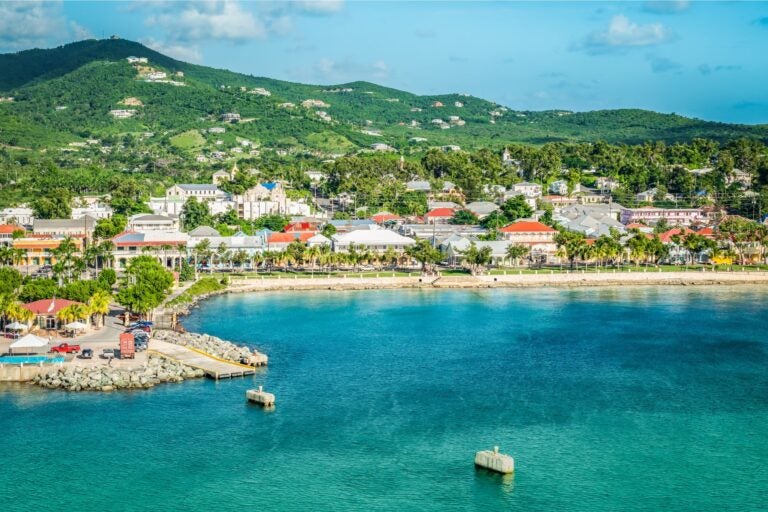
Travel insurance is strongly recommended if you visit between August and October. That said, prices are at their lowest, the islands are quietest, and those who go on clear, calm weeks often describe it as one of the more special times to visit.
If you are specifically looking for budget options during this window, the cheap places to travel in August guide covers destinations that offer good value during the shoulder and low season period.
November: Transition month
November is a transitional month that sits between hurricane season and peak season. The risk of major storms drops sharply after mid-October, and by late November, the weather has improved considerably. Prices remain lower than in December, crowds are minimal, and the islands have a calm, local feel that the winter months do not always offer.
If you are flexible and want to avoid both peak crowds and the worst of hurricane season, late November can be an excellent time to visit. Thanksgiving week is a notable exception: American travelers arrive in large numbers during this period, and prices spike for a few days before dropping again.
Best time to visit St. Thomas
St. Thomas is the most visited and most developed of the three main islands, home to Charlotte Amalie, the territory’s capital, and a hub for cruise ship arrivals.
The best time to visit St. Thomas is mid-January to April, when the weather is most reliable, and the famous Magens Bay beach is at its most photogenic. The harbor is active with sailing and fishing charters, and the duty-free shopping in Charlotte Amalie is at its liveliest.
The Carnival period in late April to early May is when St. Thomas feels most like itself. The streets fill with color, music, and food, and the energy is genuine rather than performed for tourists. Outside the Carnival and peak season, St. Thomas quiets considerably, which is not necessarily a bad thing.
Best time to visit St. John
St. John is the smallest and least developed of the three main islands, with roughly two-thirds of its land protected as Virgin Islands National Park. It attracts travelers looking for hiking, unspoiled beaches, and a slower pace. The best time to visit St. John is February to April, when Trunk Bay and Cinnamon Bay are calm, clear, and accessible without feeling overwhelmed.
St. John rewards off-season visitors more than St. Thomas does. The park trails and quieter bays are genuinely serene in May and November, and the island’s smaller accommodation options tend to offer better rates with more personal service outside peak months.
Best time to visit St. Croix
St. Croix is the largest of the three islands and the most culturally distinct, with a strong Danish colonial heritage visible in Christiansted and Frederiksted. It also sits further south than St. Thomas and St. John, which means it is slightly less affected by hurricane-season storms.
The best time to visit St. Croix is January to May, when diving conditions around Buck Island are at their peak, and the island’s food and cultural scene is most active.
The St. Croix Food and Wine Experience typically takes place in January, and the Agriculture and Food Fair is held in February. These events draw visitors specifically to St. Croix and give the island a distinct character in the early part of the year.
US Virgin Islands weather: Month-by-month
To help you pinpoint your perfect travel window, we’ve broken down the seasons for the Virgin Islands. Whether you prefer consistent sunshine or cooler temperatures with less humidity, you can plan your trip around the climate that best suits your visit to the Islands. Make the most of your hard-earned time off and unlock the fun that awaits you in the Virgin Islands:
| Month | Avg. Temperature (°F) | Rainfall | Notes |
|---|---|---|---|
| January | 75–82°F | Low | Peak season. Best weather. Holiday crowds. Book early. |
| February | 75–82°F | Low | Excellent conditions. Slightly quieter than January. |
| March | 77–84°F | Low | Peak season continues. Cruise ship traffic high. |
| April | 77–84°F | Low | Peek into the shoulder. St. Thomas Carnival late April. |
| May | 77–84°F | Low – Medium | Shoulder season sweet spot. Quieter and cheaper. |
| June | 79–86°F | Medium | Rainfall increasing. Still good early in the month. |
| July | 79–86°F | Medium – High | Warm seas. Prices falling. Rain is more frequent. |
| August | 81–86°F | High | Hurricane season active. Cheapest prices. Travel insurance essential. |
| September | 81–86°F | High | Peak hurricane risk. Lowest prices. Flexible travelers only. |
| October | 79–86°F | High | Hurricane risk easing late month. Still low prices. |
| November | 77–84°F | Medium | Transition month. Quiet and affordable. Weather improving. |
| December | 75–82°F | Low – Medium | Peak season returns. Holiday crowds and prices. |
US Virgin Islands travel tips
- No passport required for US citizens. US citizens can visit the U.S. Virgin Islands without a passport, as the islands are a US territory. A government-issued ID, such as a driver’s license, is sufficient for most domestic flights. Non-US citizens should check their specific entry requirements.
- US dollars are the official currency. The USVI uses the US dollar, which simplifies budgeting for American travelers. Most businesses accept cards, but cash is useful for smaller vendors, beach bars, and market stalls.
- Get travel insurance if visiting during hurricane season. Between August and October, travel insurance with hurricane and storm coverage is not optional. A single disrupted trip in hurricane season without coverage can be extremely costly.
- Island-hop if you can. The three main islands are distinct enough to justify visiting more than one. St. Thomas is the gateway, St. John is the nature and hiking destination, and St. Croix offers the most cultural depth. Ferry connections make day trips or overnight stays straightforward.
- Book Trunk Bay early. Trunk Bay on St. John is consistently rated among the best beaches in the Caribbean, and it is a National Park Service-managed site with a daily visitor limit. Arrive early or pre-book your entry, particularly in peak season.
- Explore beyond the resorts. The USVI rewards travelers who get off the main tourist strip. Looking for the best islands to visit can lead you to amazing locations like the St. John’s hiking trails through the national park, St. Croix’s colonial towns.
- Understand your phone plan before you land. US carriers typically cover the USVI as part of domestic plans, but learning how to avoid roaming charges as they can still apply, depending on your contract. It is worth checking in advance.
Stay connected in the US Virgin Islands with Holafly
For peace of mind throughout your trip, an eSIM for the Caribbean keeps you connected across the US Virgin Islands and the wider Caribbean. Every plan includes unlimited data, 5G speeds where available, and 24/7 customer support, whether you are navigating St. Thomas harbor or hiking through the national park on St. John.
For longer stays or frequent Caribbean travel, Holafly Plans offers a pay-monthly eSIM subscription with coverage across 170+ destinations on a single eSIM. Pick your plan, stay connected for as long as you need, and cancel anytime.
Every Holafly eSIM also includes Always On: 1 GB of monthly backup data at no extra cost. Keep the eSIM installed on your device, and you will always have a connection available, even after your main plan runs out.
Setup takes minutes. Purchase before you leave, activate on arrival, and get straight to enjoying your trip.

Get connected quicker
Buy, set up, and activate a Holafly eSIM for the Virgin Islands in a few of minutes.
Plans that may interest you

I’m a communications professional with over 17 years of experience in the social justice sector. Eight years ago, I started working as a freelance content writer and strategist. Over the course of my career, I’ve had the chance to work with a mix of social enterprises, NGOs, government agencies, and corporate clients. I have lived and worked in Australia, Austria, Mexico, and Indonesia. I love crafting content that resonates across cultures and tells a meaningful story.