



The iPhone Air becomes the first iPhone to go eSIM-only worldwide, while the iPhone 17, 17 Pro, and 17 Pro Max will follow the same path but only in selected markets such as the U.S., Canada, Japan, Mexico, and several Gulf countries. And this is not an isolated move. Earlier this year, Google launched the Pixel 10 as an eSIM-only device worldwide.
When two of the most influential players in mobile technology push in the same direction, the message to the entire ecosystem is more than clear. The shift is no longer theoretical, it’s happening.
From trend to standard
The adoption of eSIM goes far beyond eliminating a tiny piece of plastic, is more about a fundamental rethinking of how people access mobile services.
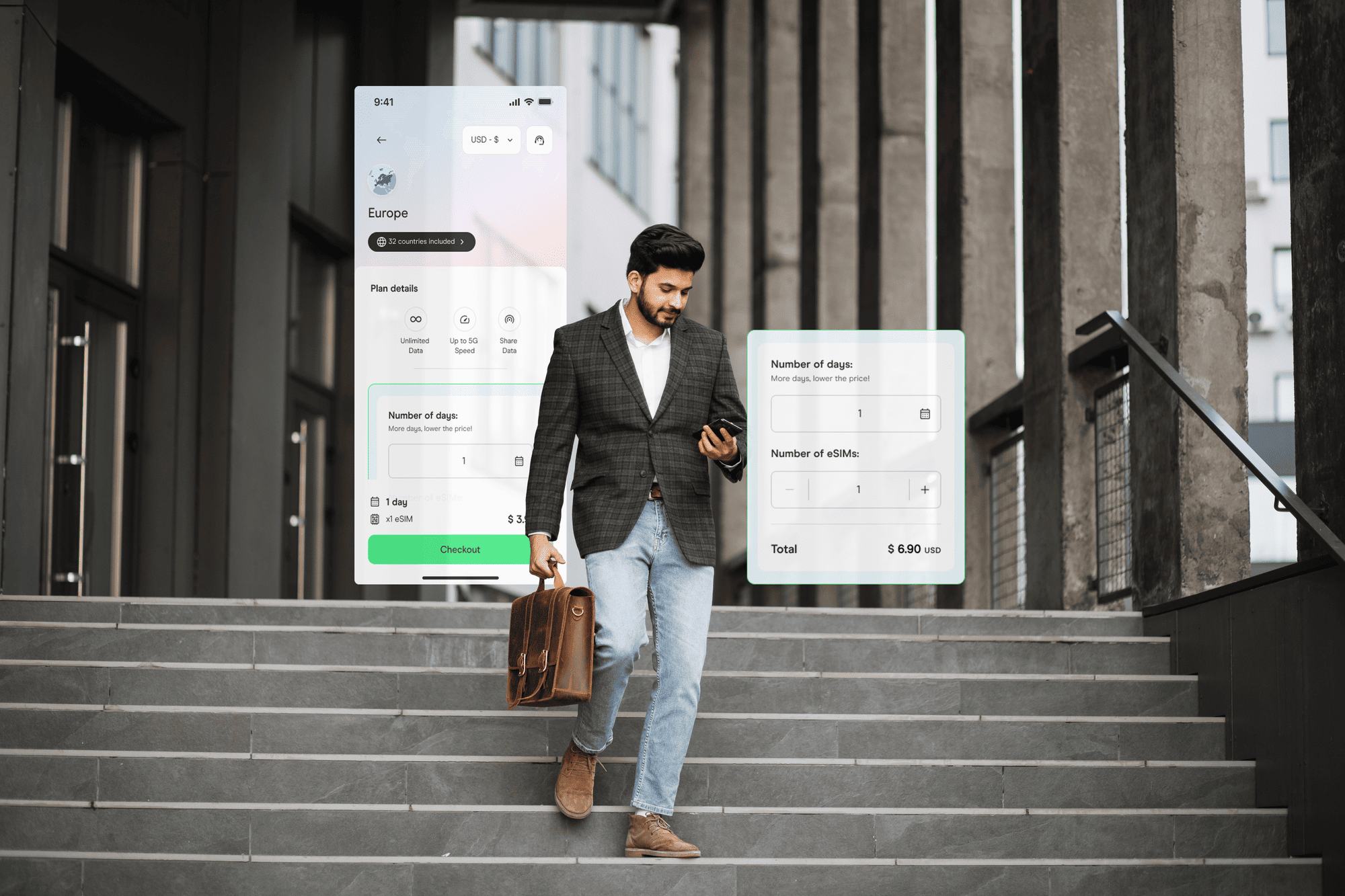
When a user relies on eSIM, everyday tasks become simpler. A new phone can be activated instantly without waiting for a card to arrive by mail or visiting a store. Someone who changes provider no longer needs to replace hardware, switching plans can be done with a few taps on the screen.
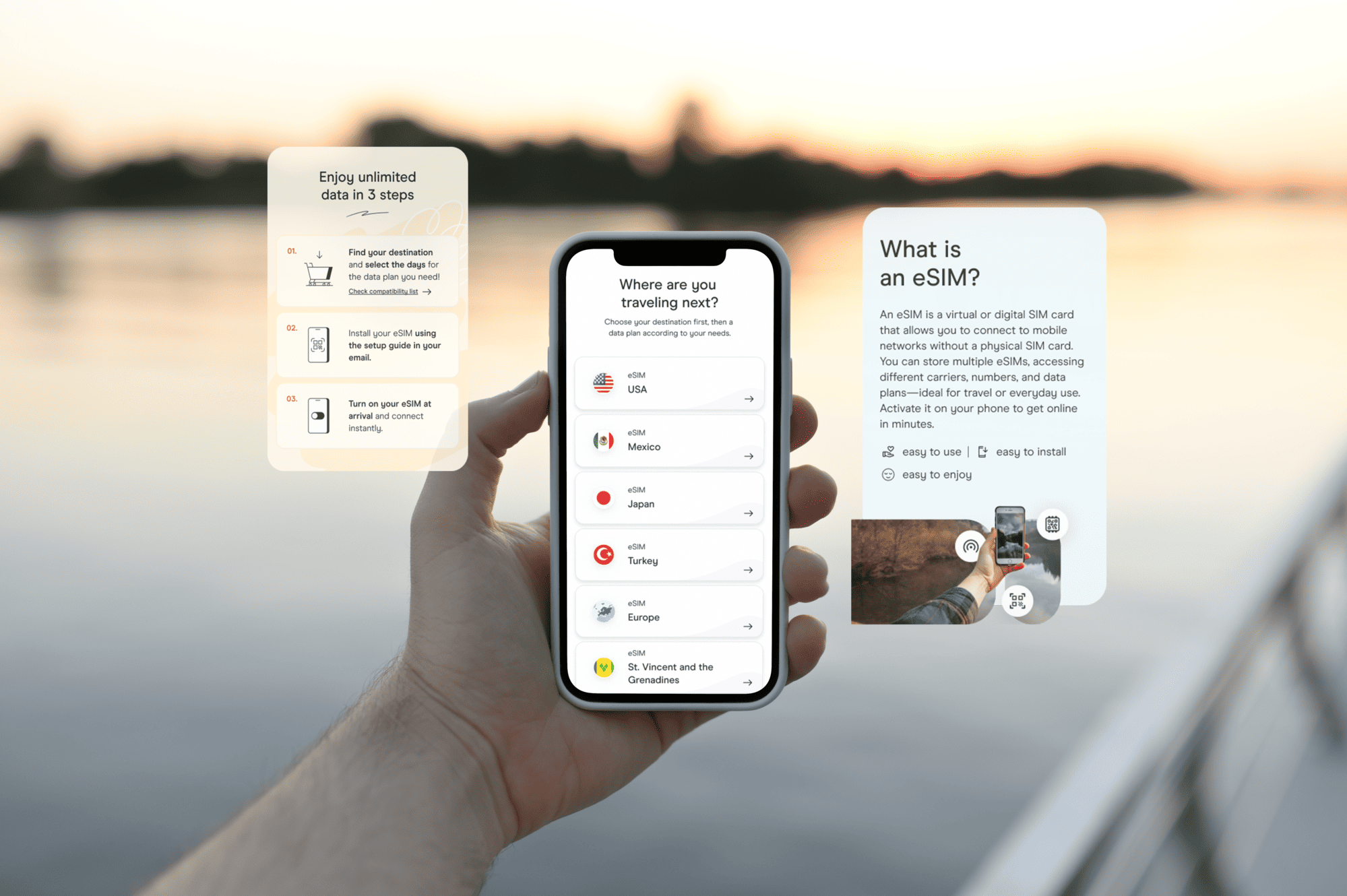
When it comes to frequent travelers, eSIM makes it easy to add local data plans abroad without carrying multiple SIM cards. Instead of queuing at kiosks or relying on costly roaming, they can download a plan and be online within minutes of landing. This kind of convenience reflects what today’s consumers already expect from digital-first services.
Beyond travel, professionals managing several devices can activate and update them remotely, while manufacturers gain more freedom to design slimmer and more durable phones. And because the SIM is embedded rather than removable, it also offers greater protection against tampering or theft.

In recent years, the numbers have made the pace of this transition impossible to ignore. Juniper Research estimates that the number of eSIM-enabled smartphones will climb past 1.5 billion by 2027, up from fewer than 1 billion in 2023. GSMA Intelligence goes even further, projecting that by 2030 more than 80% of all mobile connections could be eSIM-based, a forecast that is being validated by the moves of Apple and Google. Operators are also stepping up: more than 350 across 120 countries now support eSIM, and that figure keeps rising every quarter.
Apple and Google’s decisions are accelerating this adoption curve. Whenever these giants have embraced a new standard, whether it was the removal of the headphone jack, the shift to USB-C, or the move toward wireless charging, the industry has always followed. The difference now is that eSIM adoption has benefits that ripple far beyond the device itself. It reshapes how people go online.
A universal trend across generations
For years, eSIM adoption was strongest among Gen Z and Millennials, who were naturally more open to experimenting with digital-first solutions. For these younger users, downloading a mobile plan instead of inserting a physical card felt intuitive; much like streaming replaced DVDs or mobile payments replaced cash.
What’s striking now is how quickly this behavior is spreading across demographics. Our upcoming Summer 2025 Travel & Connectivity Report, to be released soon, shows that nearly one in three global travelers already use eSIM, including about 30% of those over 45. This shift points to a larger reality: eSIM is no longer a generational experiment.
eSIMs are evolving into a global standard, much as Wi-Fi once did. Today, when people change carriers, they don’t want to wait days for a SIM card to arrive, they expect to connect immediately. That expectation is shaping how mobile services will need to adapt in the years ahead.

The transition comes with its own set of challenges. Some carriers are taking longer to move away from legacy systems and SIM-based business models, while for less tech-comfortable consumers, the digital onboarding process may require an extra step of guidance.
But these challenges also signal opportunities: a chance for operators to modernize, for technology providers to design more intuitive onboarding experiences, and for the industry as a whole to accelerate toward a more flexible and sustainable model.
Yet the advantages are clear. eSIM simplifies logistics, reduces the costs and environmental footprint tied to producing and distributing physical SIM cards, and enables more flexible services. On a global scale, avoiding the manufacture, transport, and disposal of millions of plastic SIMs could prevent significant emissions; an estimated 114.7 grams of CO₂ per SIM.
eSIM adoption may have started with younger, digital-first travelers, but its trajectory suggests something bigger: a universal shift in how we connect.
What comes next
Apple’s iPhone 17 and Google’s Pixel 10 aren’t just new product launches; they’re signals of where the industry is headed. Within the coming years, physical SIMs are likely to become a niche, confined mostly to regions with slower regulatory adoption. For global travelers, the expectation is shifting toward a seamless way to stay connected abroad, with instant access to local plans replacing roaming headaches or waiting in line at a kiosk.
Meanwhile, eSIM technology will continue to expand beyond smartphones, embedding itself into wearables, cars, and IoT devices as digital-first solutions become the default. The trajectory is clear: just as the fixed-line telephone once did, the physical SIM card is becoming a relic of a less flexible era.