







 Language
Where not to stay in Barcelona: The best tips to travel safe!
Before booking your hotel or apartment, find out where not to stay in Barcelona and which neighborhoods are the best.

Where you choose to stay can shape your trip just as much as the hotel or apartment itself. A good area makes it easier to get around, access services, and enjoy a more comfortable stay. That’s why today we’ll look at which parts of Barcelona are best avoided when booking accommodation, so you can plan your visit more wisely.
Before booking, it’s worth checking the neighborhood carefully, how close it is to the main sights, how touristy it is, and how noisy it can be. Keep reading to see which areas to avoid and which places might be better depending on your trip and needs.
What should you consider before choosing a place to stay in Barcelona?
This city is made up of several districts and neighborhoods, each one quite different. What works well for some travelers can be a drawback for others. Below, we go over the main things you should consider when deciding where not to stay in Barcelona.
1. How safe the streets are
Barcelona is one of the most visited cities in Europe and is easy to explore on foot. However, some very touristy areas attract large crowds all year round, which increases petty theft and the presence of pickpockets. This can make you feel unsafe, especially if you are traveling alone or with family.
2. Distance to the main attractions
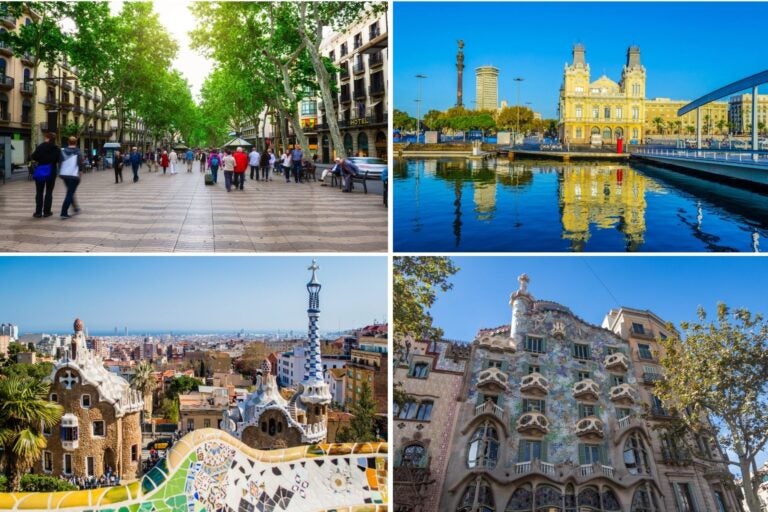
Besides the price, check how far your place is from the main sights in the city. If you stay in Eixample, Sant Antoni, or Gràcia, you can walk to places like the Sagrada Família, Plaça de Catalunya, Passeig de Gràcia, or the Gothic Quarter. In other areas farther out, you may need about 30 minutes each way on public transport.
3. Public transportation and mobility
The city has a very efficient transport network that includes the metro, buses, trams, and commuter trains, but not all neighborhoods are equally well connected. If you want to get around easily, we recommend staying near metro lines L1, L3, or L5, which connect the most popular places.
4. Daytime and nighttime atmosphere
Depending on why you’re traveling and your lifestyle, it’s important to think about the general feel of the neighborhood where you stay. For example, areas near Las Ramblas, the Gothic Quarter, and some streets in El Raval are busy and lively late into the night. If you want a quiet place to work or you’re traveling with young kids, these areas may not be the best option.
5. Services available in the area
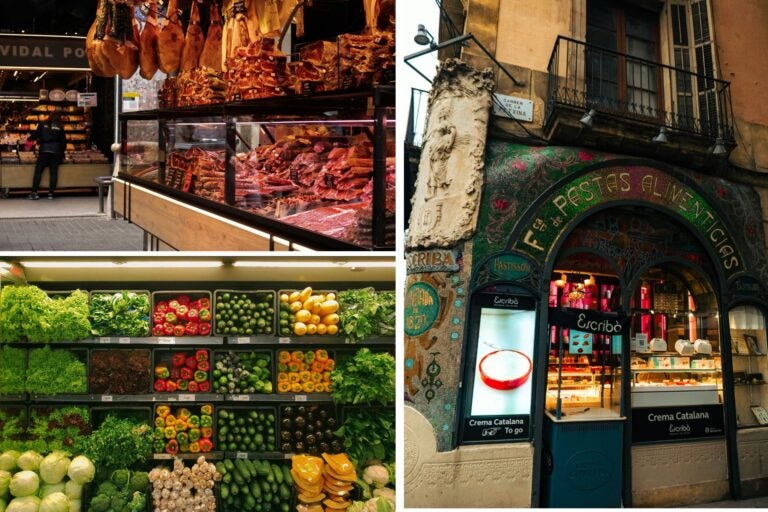
Having supermarkets, pharmacies, cafés, restaurants, and shops nearby is another factor that can make your stay much more comfortable. The more established neighborhoods in the city offer a wide range of services, which makes daily life easier and reduces unnecessary travel.
6. Relationship between price and location
Prices for accommodation change from one neighborhood to another. Central areas are usually more expensive, especially in high season. But a cheaper place can mean more time and money spent on getting around each day. That’s why it’s important to think about the total cost of your stay, not just the price of the room or apartment.
5 areas to avoid when staying in Barcelona
If you’re trying to decide where not to stay in Barcelona, here are a few areas that aren’t strictly off-limits but may not be the best match for your trip. Before booking, take a closer look at each one and see if it suits your lifestyle, budget, and how close you want to be to the city center.
1. El Raval
Located in the Ciutat Vella district, just west of Las Ramblas, it’s one of the most central areas in the city. From here, you can easily walk to the main tourist attractions, museums, and shopping areas.
However, some streets are always busy, which can make it noisy and uncomfortable. This area is not ideal for families with children, digital nomads in Barcelona, or tourists looking for a quiet place to stay.
2. La Barceloneta
We include this area among places not to stay in Barcelona because it gets very crowded in summer and prices are high. Although it’s a great neighborhood by the Mediterranean Sea, we don’t recommend it if you’re on a tight budget and looking for some peace and quiet. The streets are always full of tourists and have a very lively atmosphere.
3. Gothic Quarter
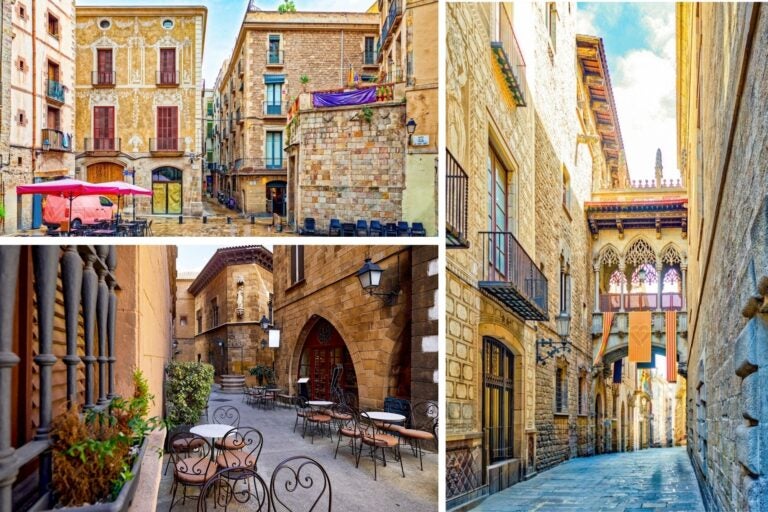
This is one of the most popular areas for tourists to stay because of its history, medieval streets, and close location to many landmarks. However, many buildings are old, some streets are very narrow, and not all apartments have elevators or modern amenities. Also, the large number of tourists means it’s busy both day and night.
If you have limited mobility, are traveling with strollers, or prefer modern accommodations, this is one of the neighborhoods in Barcelona where you should probably avoid staying.
4. El Prat Airport Area
Although it’s a cheaper area than the city center, it’s farther away from the city center and its main tourist attractions. Keep in mind that daily travel will take up a big part of your trip, about 40 minutes by metro, so it’s not recommended for short weekend stays.
5. El Besòs and El Maresme
Located on the Barcelona coast near the Fórum, this area is less popular with tourists because it’s outside the city center. It also has fewer hotels than central areas like Eixample or Gràcia, so it can be harder to find a place to stay. If it’s your first visit or you want to walk to the main sights, this isn’t the best area.
Best areas to stay in Barcelona
We’ve already covered areas in Barcelona that may not suit your trip. Now we’ll look at neighborhoods that offer a better mix of location, transport, services, and atmosphere. These are more comfortable and convenient, and they’re a good fit for families, business travelers, couples, or short stays.
1. Eixample: Suitable for most travelers
One of the best areas to stay in Barcelona, with a central location, wide streets, and great transport connections. Unlike places like Las Ramblas or the Gothic Quarter, it’s quieter, safer, and has lots of hotels. You can also walk to the Sagrada Família, Casa Batlló, and Casa Milà. It’s a great choice for first-time visitors, families, and short stays.
2. Gràcia: Local atmosphere and charming streets
Gràcia is close to the city center but feels more residential. It’s well connected, so you can reach the main tourist spots in about 10 minutes, or walk to Park Güell in around 15 minutes. If you want to stay near the center but avoid big crowds, it’s a good choice for couples, digital nomads, or longer stays.
3. Poblenou: Beach, tranquility, and good transportation links
If you want to stay in Barcelona by the sea but avoid the tourist crowds of La Barceloneta, Poblenou is a great choice. It has wide pedestrian streets, restaurants, parks, and easy access to Bogatell and Mar Bella beaches. The L4 metro line gets you to the city center in just a few minutes. It’s a great option for families, remote workers, and longer stays.

4. Les Corts: Tranquility and comfort
Another residential area with wide avenues, shopping centers, and good transport links is the Les Corts district. While it doesn’t have major tourist attractions, it’s ideal for those who prioritize comfort, rest, and quality accommodation. Compared to more tourist-heavy areas, you can walk around here with much more peace and quiet.
5. Diagonal Mar: Modernity by the sea
The last area we recommend for staying in Barcelona is Diagonal Mar, one of the city’s most modern neighborhoods, about six kilometers from the center. It’s close to the Fórum and has more services, modern hotels, restaurants, shopping centers, and beaches.
Thanks to the metro line connection, you can reach Passeig de Gràcia, Plaça Catalunya, or the Gothic Quarter in about 20 minutes. It’s a good option for travelers who want to stay by the sea in a modern, stylish place.
How can you get internet access during your stay in Barcelona?
Besides knowing where not to stay in Barcelona and which areas are best, it’s also important to think about internet access during your trip. Many hotels and cafés have free Wi‑Fi, but it’s not always enough if you need to move around or work remotely. With internet access, you can use GPS, book tours, contact family, or find nearby restaurants.
If you’re only traveling for a few days, the best option is Holafly’s Barcelona eSIM, with unlimited data for just the days you need from $4.50. If you’re staying in Barcelona for more than a month, we recommend Holafly’s monthly plans with 5G coverage and a range of additional benefits:
- Global eSIM: You can travel to more than 160 destinations with the same eSIM and SIM card.
- 25 GB or unlimited data plans: Choose your monthly subscription with no minimum contract term.
- Quick Activation: Forget about searching for a Wi-Fi network, simply activate your eSIM through the app.
- Share Data: Connect multiple devices at the same time.
- Always On: You’ll get 1 GB for free forever when you decide to cancel your subscription, valid in more than 70 countries.

Frequently asked questions about where not to stay in Barcelona
There isn’t just one area in Barcelona to avoid staying in. However, neighborhoods like El Raval or certain very touristy parts of the city center are less ideal if you’re looking for peace and quiet.
For a first visit to the city, the Eixample, Sant Antoni, and Gràcia neighborhoods are good options because of their location, safety, and range of amenities.
Poblenou is less crowded than other areas like La Barceloneta and is home to the beaches of Bogatell, Mar Bella, and Nova Mar Bella.
It can be a practical option for long layovers, business trips, or flights with very early departures. However, for a short tourist stay in the city, we don’t recommend it because of the daily commute.
For a family trip to Barcelona, we recommend Eixample, Poblenou, Les Corts, and some areas of Gràcia for their quiet, safe atmosphere and good range of services.
Plans that may interest you


Hi! I'm a Spanish-English copywriter working with Holafly, helping bring travel content to life for curious travelers. As a digital nomad with a passion for exploring, I'm always adding new spots to my bucket list. If you love to travel like me, stick around because you're in the right place to find inspiration for your next trip! ✈️🌍
