Language
West Coast road trip: Best routes, stops, and itinerary ideas
Plan the perfect West Coast road trip with scenic routes, national parks, cities, and itinerary ideas for every traveler.

The American West feels like it was designed with road trips in mind. One morning you’re driving along dramatic ocean cliffs with waves crashing below. A few hours later, you’re crossing desert landscapes filled with giant rock formations. Keep going, and suddenly mountains, forests, and iconic cities start showing up. That’s what makes a West Coast road trip different from almost any other trip across the USA. The scenery changes constantly. Your pace can be fast or slow. And you can plan every stop in advance or decide on detours over coffee each morning.
And the best part is that there isn’t just one option; you can go on coastal drives through beach towns, or go on canyon hikes and visit national parks. There’s even vineyards and wine tastings enroute. Without further ado, let’s map it out.
What states are included in a West Coast road trip?
The classic West Coast states are:
- California.
- Oregon.
- Washington.
These 3 make up the traditional Pacific Coast route and are perfect for road trips through coastal highways, beach towns, forests, mountains, and major cities.
Many travelers also expand a West Coast road trip to include nearby Southwest states:
- Nevada: For Las Vegas and deserts.
- Arizona: For canyons and national parks.
- Utah: For red rock formations and national parks.
And each one creates a very different trip. A coastal itinerary means stunning views, seaside towns, delicious seafood stops, and scenic highways. A Southwest loop offers desert landscapes, red rocks, and amazing sunrises as well as sunsets. And a National park-focused itinerary can give you an adventure built around hiking and camping.
Best West Coast road trip routes
We know one route can’t work for everyone. Maybe someone prefers iconic views, while someone else wants hiking and wilderness. So, we compiled a list of these route ideas to give you different ways to experience the West.
National parks West Coast road trip
This route takes you through some of the most diverse landscapes in the country. You can start in Washington at Olympic National Park, then continue to Mount Rainier National Park for wildflower meadows and dramatic volcanic landscapes. Looking for alpine scenery? North Cascades National Park brings glacier-covered peaks and remote wilderness.
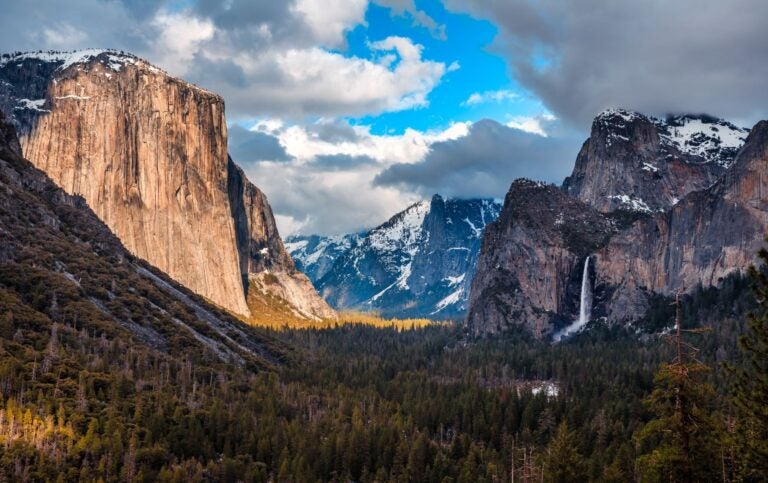
Then, head south into Oregon and stop at Crater Lake National Park, known for its incredibly deep blue water and volcanic formations. Drive onwards to California to explore iconic granite cliffs and waterfalls at Yosemite National Park, walk among towering ancient trees in Redwood National and State Parks, visit the giant sequoias of Sequoia and Kings Canyon National Parks, or head into the desert landscapes of Joshua Tree National Park and Death Valley National Park.
If you want something different, Channel Islands National Park has kayaking and wildlife experiences for you. And, Lassen Volcanic National Park adds steaming geothermal landscapes to the mix!
And if you want to explore the deserts, a road trip through Utah’s famous “Mighty 5” parks include Zion, Bryce Canyon, Capitol Reef, Arches, and Canyonlands. Here’s everything you need to know for your Utah road trip.
California desert road trip
A California desert road trip = retro towns, dramatic scenery, and places that look almost unreal. You can start in Palm Springs, where mid-century architecture, and mountain views might leave you mesmerized. From there, head to Joshua Tree National Park, where giant boulders and the park’s twisted Joshua trees are one of the most recognizable desert landscapes in the West.
Continue toward Death Valley National Park for sweeping salt flats, colorful landscapes, and stunning viewpoints. If you have extra time, detour through Anza-Borrego Desert State Park to see slot canyons and the famous metal sculptures scattered across the desert.
For something offbeat, you can visit Mojave National Preserve and check out the massive sand dunes. You can also stop at Alabama Hills, the backdrop to countless Hollywood films.
Pacific Coast Highway route
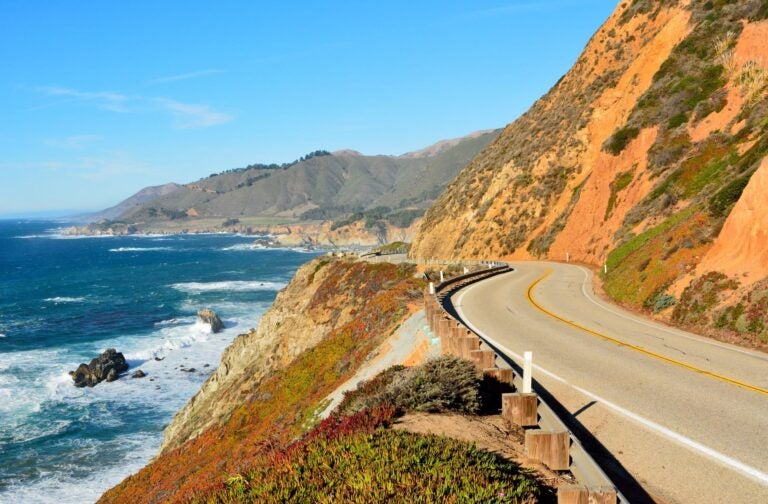
The Pacific Coast Highway is about the drive itself. Stretching along California’s coastline, this iconic route is made up of ocean views, cliffside roads, beach towns, and scenic pull-offs. While it’s possible to drive it quickly, most travelers give themselves at least 5-7 days to enjoy the experience.
Driving north to south is a favorite option since the ocean stays on your side of the road and spontaneous stops become much easier. You can start in San Francisco before heading south toward Santa Cruz and the Monterey Peninsula. Continue through Carmel-by-the-Sea and into Big Sur, where dramatic cliffs and winding roads await.
As you continue south, stop by McWay Falls, spot wildlife near Elephant Seal Vista Point, or tour Hearst Castle. From there, continue through Santa Barbara before cruising through Malibu and ending in Los Angeles.
How long should a West Coast road trip be?
Distances in the American West are wider than what many international visitors expect. And what looks close on a map can turn into a four-hour drive. So, instead of telling you how many days you should spend on the road, we’ll give you a quick overview:
7-day trip:
Best for one region only. Focus on California coastlines, national parks, or a shorter loop.
10-day trip:
Gives you enough time to combine a few major stops without feeling rushed.
2 weeks:
This is where you can start spending more time exploring hidden gems and off-the-beaten track attractions. You can include cities, scenic drives, and national parks.
1 month:
Perfect if you want the freedom to explore slower, take detours, and stay longer in places you unexpectedly love.
Now you choose which one works for you best.
Best time of year for a West Coast road trip
Timing changes everything. And the same route can feel completely different depending on the season you visit in.
Summer
Summer gives you long days and easier access to mountain roads.
But it also brings:
- Higher prices.
- Crowds.
- Busy national parks.
- Traffic on popular routes.
Summer can also overlap with wildfire season in parts of the West. Smoke and road closures occasionally affect travel plans.
Fall
Fall is a favorite for travelers. The temperatures are comfortable, the crowds begin thinning out, and the scenic drives become quieter.
Road conditions are still good.
Winter
Winter works well for deserts and cities. But mountain driving becomes more complicated. So snow chains, weather delays, and road closures can become part of the trip. If your route includes high elevations, always check conditions before driving.
Spring
Spring hits the right spot! It’s perfect for hiking in national parks, the temperatures are milder, and wildflowers can completely transform some landscapes. But it also brings in crowds of tourists. Be ready to face queues and traffic in some places.
What to budget for a West Coast road trip
Road trips can fit different budgets. Here’s an average breakdown:
Fuel
Fuel is one of the biggest costs on a West Coast road trip, especially if you’re covering multiple states. Average gas prices on the West Coast range between $5.27 and $6.11 per gallon.
Accommodation
You’ll find everything from budget motels to boutique hotels and unique stays.
Average nightly costs:
- Budget motels/hostels: $60-120 per night.
- Mid-range hotels: $150-250 per night.
- National park lodges or popular cities: $250-500+ per night.
Rental cars
Costs vary heavily by season and vehicle type.
Average prices:
- Economy car: $40-80 per day.
- Mid-size SUV: $90-140 per day.
- Campervan/RV: $150-300+ per day.
National park fees
National Park entrance fees in the USA range from $20 to $35 per vehicle for a standard 7-day pass. International visitors (16+) may be subject to an additional $100 non-resident fee at major parks.
Tolls and parking
Certain cities and bridges include tolls. Parking costs in places like San Francisco can also surprise travelers.
Estimated daily expenses per person:
- Budget: $100-150/day.
- Mid-range: $180-300/day.
- Higher-end: $350+/day.
And before leaving, don’t forget the little things: Snacks, offline maps, chargers, sunscreens, sunglasses, and downloaded playlists. We’ve created a road trip essentials list just for you. Check it out!
Why West Coast road trips are so popular
No two road trips along the American West are the same. And therein lies the appeal. You can spend mornings on coastal highways and end the day in the desert. You can hike national parks one week and explore cities the next. Very few trips deliver this much variety in a single route. And unlike fixed itineraries, road trips give you room for flexibility. You can stay longer somewhere you love, take that scenic detour, or even stop because a roadside neon sign looks interesting!

Plans that may interest you


With an MBA degree I used to put to good use in another life, I now write for both passion and profession! When not writing, I'm exploring the world, collecting stories and souvenirs along the way.