







 Language
Tasmania road trip: Best itinerary for nature and coastal drives
A Tasmania road trip offers wildlife, coastal drives, hiking trails, and unforgettable scenery for slow travelers and nature lovers.

Australia has plenty of iconic road trips. But if you’re looking for dramatic coastlines, empty beaches, wildlife encounters, mountain hikes, and the kind of scenery that makes you pinch yourself every few minutes, a Tasmania road trip is just the one for you.
Tasmania feels different from mainland Australia. One hour you’re driving through alpine landscapes, and a few hours later, you’re standing on a beach with almost nobody else around. And a road trip through Tasmania is less about getting from point A to point B and more about slowing down and noticing this exact natural beauty around you. This is a road trip for people who enjoy taking the scenic route. For outdoor lovers. For wildlife enthusiasts. And for travelers who don’t mind adding an extra stop because they spotted an interesting sign on the side of the road.
How many days do you need for a Tasmania road trip?
The answer depends on how you like to travel. Some travelers are happy checking off major tourist attractions and moving on. Others want long lunches by the coast, exploring hiking trails, going on wildlife safaris, and taking the time to stop and breathe in the fresh air. But regardless of your travel style, one thing that’ll catch you off guard while planning a Tasmania road trip is that the distances look small on the map. You might see a drive that’s only 100 kilometers and assume it’ll be quick. But Tasmania isn’t built around straight highways. Routes here wind through mountains, forests, national parks, and coastal areas. And navigating through all of that takes time. That’s why giving yourself extra time can completely change the experience.
5 days
A 5-day trip is perfect if you want a highlights version of Tasmania. Stick to Hobart, parts of the East Coast, and one national park. You’ll be able to cover major attractions and get a feel of Tasmania’s beautiful landscapes. But expect a faster pace with more time spent driving.
7 days
A week is the sweet spot. It gives you enough time to include Hobart, Freycinet National Park, Bay of Fires, Launceston, and Cradle Mountain, all while not feeling like you’re constantly packing up and rushing out the door.
10-14 days
This is where Tasmania starts to feel different. With 10-14 days, the trip becomes less about following an itinerary and more about settling into the experience. You can add smaller coastal towns to your itinerary, slow down in national parks, stay overnight in scenic areas, and leave room for weather changes.
Best Tasmania road trip itinerary
Warning! Planning a Tasmania road trip can feel difficult at first. Not because there aren’t enough places to visit, but because there are too many! To help you out, we’re breaking it down for you. You can complete this itinerary in about a week or extend it into a longer road trip with more overnight stops and detours.
Hobart
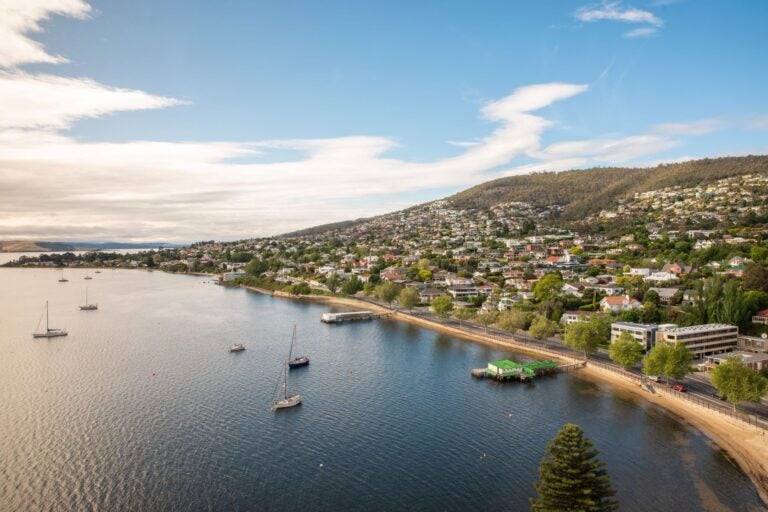
The city of Hobart feels small enough to explore easily but still has enough to fill a couple of days.
You can visit Salamanca Market if you’re there on a Saturday. It’s one of the best places to find local food, produce, handmade products, and a good excuse to snack your way through the morning. Then spend a few hours at MONA, Tasmania’s famous museum known for its unconventional exhibits. Even people who aren’t museum fans will leave talking about it.
For views, drive up Mount Wellington. The summit overlooks Hobart, the harbor, and surrounding landscapes. Conditions can change quickly here, so pack an extra layer even during warmer months.
Driving time: Hobart to Freycinet National Park takes approximately 3 hours.
East Coast Tasmania
The East Coast has beaches, national parks, wildlife, and scenic ocean drives. And we love how the roads themselves become part of the experience. You can start with Freycinet National Park; the famous Wineglass Bay lookout hike inside the park is one of Tasmania’s most photographed landmarks. The walk isn’t extremely long, but you’ll want to carry plenty of water, and wear comfortable shoes.
Continue toward Bicheno, a small seaside town with a relaxed pace andexcellent wildlife spotting opportunities. You may spot little penguins here in the evenings, depending on the season. Along the drive you’ll pass beaches and viewpoints that’ll become your favorite memories
Driving time: Freycinet to Bicheno takes around 40-45 minutes.
Bay of Fires
Photos of Bay of Fires show you bright orange rocks and white sand. But seeing it in person feels much larger and more vibrant than expected.
Camping is popular here. And sunrise and sunset photography are especially rewarding because the changing light transforms the rocks.
Driving time: Bicheno to Bay of Fires takes approximately 2 hours.
Launceston
Launceston is technically a stop between larger attractions, but it’s worth exploring. The biggest surprise for many visitors is Cataract Gorge. It’s close to the city center but feels a world apart. Walking trails, gardens, stunning river views, and scenic lookouts make it a charming stop on your road trip across Tasmania. The city also has a growing food scene with local produce and seafood playing major roles.
Driving time: Bay of Fires to Launceston takes approximately 3 hours.
Cradle Mountain
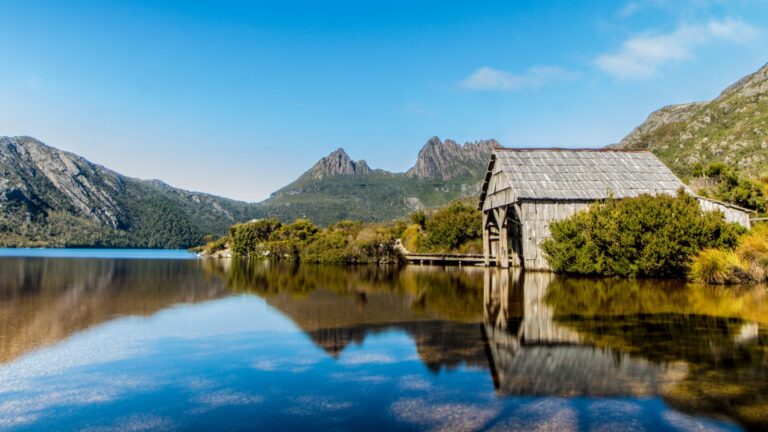
Cradle Mountain introduces you to a completely different side of a Tasmania road trip. This is where the coastal scenery disappears and alpine landscapes take over. There are hiking options for every level, short boardwalk walks, lake loops, and full-day mountain trails within the Cradle Mountain-Lake St Clair National Park.
You’ll also have wombats appear during late afternoon and evening hours. Wallabies are common, and lucky visitors may even spot a Tasmanian devil.
Pro tip: Because weather changes quickly, we recommend staying overnight nearby.
Driving time: Launceston to Cradle Mountain takes around 2.5-3 hours.
Best things to do during a Tasmania road trip
While the landscapes are a big reason people visit, the experiences between destinations often become the stories travelers remember most. From spotting native animals and hiking through national parks to scenic drives and fresh seafood stops, these are some experiences worth making time for.
Wildlife spotting
Wallabies appear all the time. Wombats can sometimes be seen grazing near trails. Penguins, dolphins, seals, and birdlife all become part of your road trip through Tasmania. Just remember that wildlife activity increases around sunrise and sunset.
Hiking
Tasmania has hikes for every type of hiker. There are short lookout walks, multi-hour adventures, and overnight camping options too. Freycinet and Cradle Mountain are obvious choices, but you’ll discover countless smaller trails throughout the island.
Seafood experiences
Tasmania’s seafood is famous for a reason. Fresh oysters, salmon, scallops, and local fish feature prominently on menus across coastal towns. Even casual roadside seafood stops can turn into memorable meals.
Scenic drives
Some roads in Tasmania are attractions on their own. One stretch of road might run alongside the ocean, while the next takes you through forests, farmland, or mountain landscapes. Don’t rush between stops, because some of the island’s best views appear when you least expect them.
Stargazing
Less light pollution means bigger night skies. And remote areas around Cradle Mountain and coastal regions create excellent stargazing opportunities.
Tips for driving in Tasmania
A Tasmania road trip becomes much smoother when you know what to expect before hitting the road. Distances can be misleading, and weather can shift quickly, so a little planning goes a long way here.
- Winding roads: Routes around mountain regions and national parks involve curves and slower driving conditions.
- Refuel early: Fuel stations are less in remote areas. Top up your tank whenever you have the chance rather than waiting until you’re nearly empty.
- Avoid driving after dark: As mentioned earlier, the wildlife here is much more active around sunrise and sunset. So driving at night increases the chances of running into animals crossing roads.
- Choose your vehicle carefully: A campervan gives more flexibility, while a regular car can be easier for shorter trips and city driving.
- Download offline maps: Mobile coverage can become unreliable in remote areas, so don’t rely entirely on internet access while navigating.
- Road trip essentials: Keep water, snacks, chargers, a power bank, and layers handy for longer drives.
- Distances can be deceptive: A drive that looks short on a map can easily take longer due to road conditions, scenery, and unexpected photo stops.
Best time for a Tasmania road trip
Summers:
December-February is summer season in Australia. It brings warmer temperatures and longer daylight hours. Hiking conditions are generally better and beaches are more enjoyable. It’s also the busiest season.
Shoulder season:
March-May and September-November are shoulder seasons. You get fewer crowds, pleasant temperatures, and beautiful seasonal changes. Autumn colors can be especially impressive.
Winter:
Winter, June-August, offers a quieter, more relaxing experience. Cradle Mountain occasionally sees snow.
Is Tasmania worth visiting by road?
Absolutely. A Tasmania road trip is for people who enjoy nature over crowds and experiences over checklists. And it’s one of Australia’s best self-drive destinations. Plus, it works well for travelers who want slower days, and room to explore without rushing. Because sometimes the best road trips aren’t about covering more ground. They’re about noticing more along the way.

Plans that may interest you


With an MBA degree I used to put to good use in another life, I now write for both passion and profession! When not writing, I'm exploring the world, collecting stories and souvenirs along the way.

