Language
Public transport in Seattle: Comprehensive guide
A practical guide to public transport in Seattle. See routes, prices, safety, and the easiest ways to get around the city.

Public transport in Seattle is not as expansive as in New York, nor as vast as London. But it gets the job done, and for most travelers, it gets it done really well. Whether you’re heading to the waterfront, exploring neighborhoods, or commuting across the city, there’s a mix of buses, trains, streetcars, and trolleybuses that can take you almost anywhere you need to go.
This guide breaks it all down. From what works and what it costs to how to actually use it without feeling lost.
Buses
If there’s one system that runs the city, it’s the buses. Seattle’s bus network is extensive and reaches areas that trains don’t. You can rely on buses almost everywhere, from downtown to neighborhoods like Ballard, Fremont, and Capitol Hill. Fares range from $2.75 to $3.25 depending on distance, and while you can pay exact cash, using an ORCA card makes things much easier.
There are over 200 routes, with buses running every 10-15 minutes in central areas and every 20-30 minutes further out. Please note that service is reduced on weekends. And late-night options do exist, but they’re limited. For travelers, routes like the E Line (downtown to north Seattle), Route 40 (Ballard and Fremont), and Route 120 (downtown to West Seattle) are useful.
In terms of safety, buses are super safe especially during the day. And just stick to busier routes if you’re traveling at night. Cleanliness is decent overall, though not spotless.
Link Light Rail
The Link Light Rail, operated by Sound Transit, is perfect for longer distances in Seattle. It connects important areas like the airport, downtown, and the University of Washington. And it’s one of the most practical public transport options in Seattle for travelers, even though it doesn’t yet cover the entire city. Fares range from $2.25 to $3.50 depending on distance, and while there’s currently one main line, ongoing expansions are steadily improving coverage.
Trains run from 5 AM to 1 AM, arriving every 8-15 minutes. And they have a slightly reduced frequency on Sundays. For a traveler/tourist, the Link Light Rail is useful for routes like the airport to downtown, downtown to Capitol Hill, and trips to the University District. If you’re looking for something fast, this is your best bet. In terms of experience, it’s clean, modern, and considered one of the safest ways to get around.
Ferries
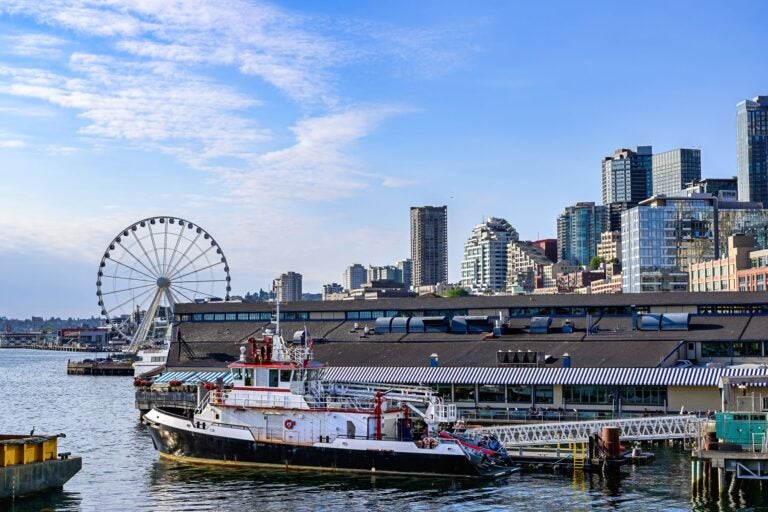
This one’s for both transport and experience. Operated by Washington State Ferries, Seattle’s ferries connect the city to nearby islands and waterfront towns. They run from downtown Seattle to destinations like Bainbridge Island and Bremerton, making them perfect for scenic day trips.
Walk-on passengers pay around $9-$10 one way, while bringing a car costs more. On major routes, departures happen every 30-60 minutes, with reduced frequency during late evenings and Sundays.
Ferries in Seattle are very safe, clean, and well-maintained. And they are easily one of the most pleasant ways to travel around the city. Even if you don’t technically need to take one, it’s worth doing for the views alone.
Streetcars
The Seattle Streetcar operates two main lines—the South Lake Union Line and the First Hill Line. And while they’re not designed to cover the entire city, they do a good job of connecting key neighborhoods.
Fares are $2.25 per ride, and the streetcars run every 10-20 minutes, with slightly reduced service during weekends and evenings. And they’re generally clean, safe, and less crowded than buses or trains. They’re especially useful if you’re spending time in the South Lake Union tech area or traveling between First Hill and Capitol Hill.
Trolleybuses
Trolleybuses, the electric buses powered by overhead wires, are a big part of Seattle’s public transport system. They’re eco-friendly, quieter, and efficient, especially in central areas. These buses mainly serve downtown and nearby neighborhoods.
Fares are the same as regular buses, ranging from $2.75 to $3.25. And their timetable mirrors standard bus services. And they are generally safe and reasonably well-maintained.
Monorail
The Seattle Center Monorail connects downtown to Seattle Center in under five minutes. It runs between Westlake Center and Seattle Center. And it is the fastest way to reach attractions like the Space Needle without dealing with traffic.
Fares are about $3.50 for a one-way trip, and the rail arrives every 10 minutes throughout the day. Operating hours span from 7:30 AM to 9 PM from Monday to Thursday, with different timings each on Friday, Saturday and Sunday.

Making public transport in Seattle work for you
Public transport in Seattle isn’t perfect, but it’s practical. If you want the smoothest experience:
- Use the Link Light Rail for airport transfers and major routes.
- Use buses (including trolleybusses and RapidRide lines) for neighborhood travel.
- Use the Seattle Center Monorail for trips to Seattle Center and the Space Needle.
- Take a ferry and a streetcar ride if you have time, just for the experience.
- Get an ORCA card early as it saves time and effort.
Once you understand how the public transport system in Seattle fits together, getting around becomes easy.
Plans that may interest you


With an MBA degree I used to put to good use in another life, I now write for both passion and profession! When not writing, I'm exploring the world, collecting stories and souvenirs along the way.