







 Language
East Coast road trip: Best routes, stops, and travel tips
Discover the best East Coast road trip routes, scenic stops, and practical tips for planning an unforgettable USA adventure.

An East Coast road trip gives travelers something many destinations struggle to offer in a single journey: Variety. In just a few days, you can move from crowded city streets and historic neighborhoods to quiet beaches, mountain roads, coastal towns, and national parks without ever feeling bored.
That variety is exactly why the East Coast remains one of the best regions in the United States for road trips, especially for first-time visitors. The distances between major destinations are manageable compared to the western US, the highways are generally well connected, and the route options are flexible enough for almost every type of traveler.
Some people plan East Coast road trips around famous cities like New York City, Washington, and Miami, while others focus more on coastal scenery, mountain drives, or small historic towns. Digital nomads and long-term travelers also tend to enjoy the East Coast because reliable infrastructure, strong mobile coverage, coworking-friendly cities, and countless accommodation options make longer trips much easier to manage.
One of the best things about planning this kind of road trip is that there is no single “correct” route. Some travelers drive the coastline from New York to Florida, others explore New England’s coastal towns and national parks, while some head inland toward the Appalachian Mountains for scenic mountain roads and hiking trails.
The key is building an itinerary that balances driving time with enough flexibility to actually enjoy the places you stop. The East Coast rewards travelers who leave room for spontaneous detours, slower mornings, and unexpected overnight stays in towns they originally planned to pass through quickly.
How long do you need for an East Coast road trip?
The amount of time you need depends entirely on how much of the East Coast you want to explore and how fast you like to travel.
A 7-day East Coast road trip works best for travelers focusing on one specific region rather than trying to cover everything at once. For example, a one-week itinerary between New York and Charleston gives enough time to experience major cities, historic districts, beaches, and local food without spending every day driving for long hours.
A two-week road trip gives travelers far more flexibility and is usually the sweet spot for first-time visitors. In two weeks, travelers can comfortably drive from New York to Miami while stopping in several major destinations along the way. This pace allows time for sightseeing, beach days, local experiences, and occasional rest days without constantly rushing to the next destination.
A one-month East Coast road trip feels completely different because it allows travelers to combine several regions into one larger journey. Some travelers start in New England, continue through major East Coast cities, drive along the southeastern coastline, and then head inland toward the Appalachian Mountains before returning north.
Season also matters more than many travelers expect.
Spring and fall are often considered the best times for East Coast road trips because temperatures remain comfortable in most regions. Summer brings warm beach weather but also larger crowds, expensive hotels, and hurricane season risks in the southeastern states. Winter road trips through northern regions such as New England can become difficult because of snow and icy roads.
Best East Coast road trip routes
The East Coast offers several excellent road trip routes depending on the kind of experience travelers want.
New York to Miami road trip
This is one of the most popular East Coast itineraries because it combines iconic cities, beaches, historic towns, and warm-weather destinations into one continuous drive.
Travelers begin in New York City before heading south toward Philadelphia and Washington. Washington DC deserves at least two full days because there is a huge amount to see, including museums, monuments, government buildings, and historic neighborhoods.
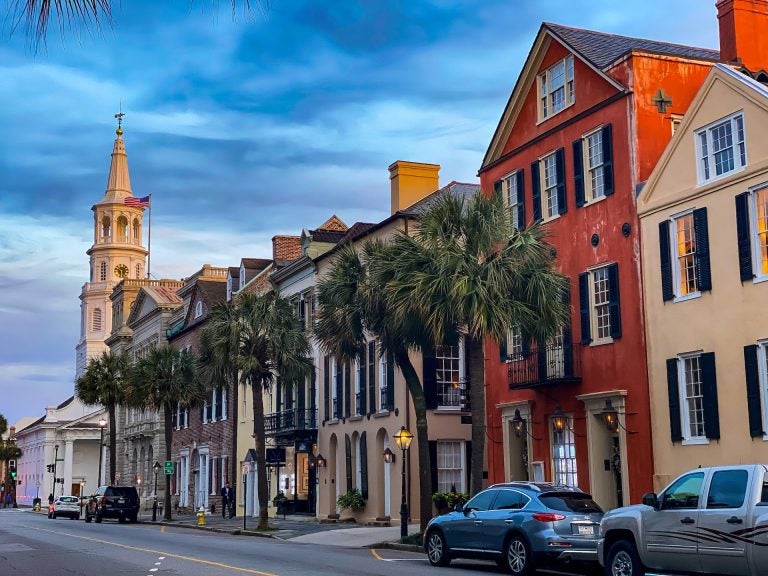
From Washington, travelers continue toward Charleston, one of the most charming cities in the American South. The historic architecture, waterfront areas, and slower pace feel completely different from the northeastern cities farther north.
Further south, Savannah is another favorite stop because of its shaded public squares, historic homes, and relaxed atmosphere.
Many road trippers then continue into Florida with stops in Orlando before finally reaching Miami.
The full route requires about 18 to 22 hours of total driving time without stops, which is why most travelers spread the journey across 10 to 14 days.
New England coastal road trip
Travelers looking for smaller towns, seafood, lighthouses, and dramatic coastlines prefer a New England road trip. This route commonly begins in Boston before continuing north into Maine.
The drive toward Portland is especially scenic, with rocky coastlines, fishing villages, and ocean viewpoints appearing throughout the route.
Further north, Acadia National Park is one of the biggest highlights of the trip. Travelers come here for coastal hiking trails, mountain views, lakes, and scenic drives that feel very different from the busier cities farther south.
Driving times between destinations is relatively short, which makes this route perfect for travelers who prefer slower-paced itineraries with more time spent exploring rather than driving.
Appalachian Mountains route
Travelers more interested in nature, scenic mountain roads, and outdoor experiences often choose the Appalachian route instead of the coastal highways.
One of the most famous drives in this region is the Blue Ridge Parkway, a scenic mountain road stretching through forests, valleys, and mountain overlooks.
Travelers combine this drive with stops in Shenandoah National Park and Great Smoky Mountains National Park.
This route is quieter and less urban than the coastal options, making it ideal for travelers who enjoy hiking, photography, camping, or scenic mountain drives.
Best stops on an East Coast road trip
Some destinations deserve longer stays than others, especially during a first East Coast road trip.
New York City usually requires at least three days because there is simply too much to see in a shorter visit. Travelers focus on landmarks like Central Park, Times Square, Brooklyn, museums, and rooftop viewpoints.
Washington works well as a two-day stop. The Smithsonian museums, National Mall, Capitol area, and memorials make it one of the most historically important destinations in the country.
Charleston and Savannah both offer slower, more relaxed atmospheres. Travelers usually spend one or two days walking through historic districts, visiting waterfront areas, and trying regional southern food.
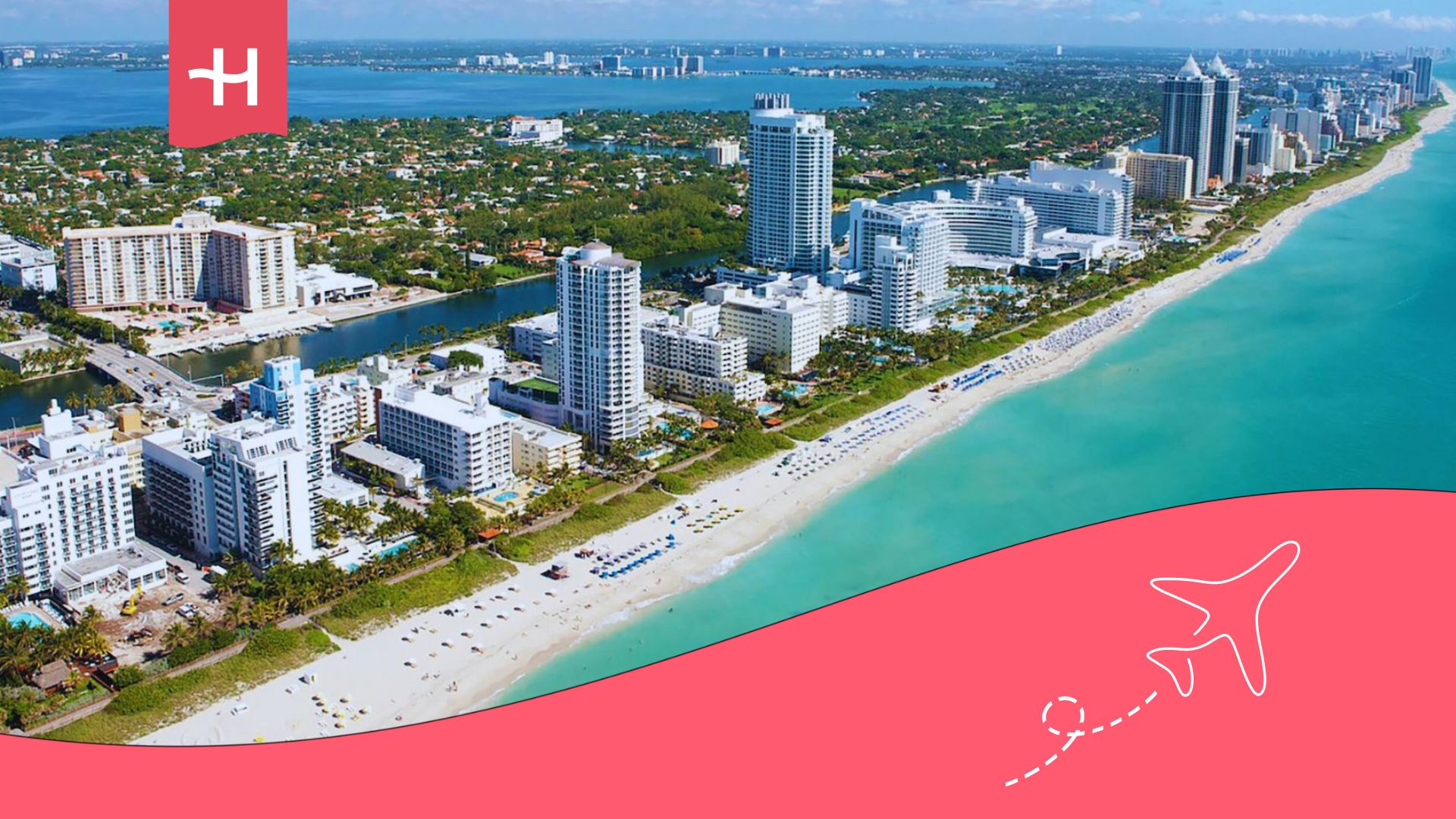
Miami is the final stop for coastal East Coast road trips. Beaches, nightlife, Cuban influences, and warm weather create a completely different atmosphere compared to the northern states.
Nature-focused travelers usually prioritize Acadia National Park and Great Smoky Mountains National Park because both provide some of the most beautiful natural scenery on the East Coast.
The Outer Banks also deserve attention for travelers wanting beaches, scenic coastal roads, and quieter surroundings away from major cities.
How much does an East Coast road trip cost?
Costs vary heavily depending on the season, travel style, and accommodation choices.
Rental cars typically cost between $50 and $120 per day depending on the vehicle type and season. Prices increase significantly during summer and holiday periods.
Fuel costs depend on the route length, but most travelers spend roughly $300 to $700 on gas during a two-week East Coast road trip.
Hotels represent one of the biggest expenses. Budget travelers using motels or hostels may spend around $80 to 130 per night, while mid-range hotels in major cities often cost between $180 to 300 per night.
Food costs also vary widely. Travelers combining grocery shopping, casual restaurants, and occasional dining experiences generally spend between $40 to 100 daily per person.
Toll roads are another important expense many international travelers underestimate. The northeastern US contains numerous toll highways, bridges, and tunnels. Some travelers spend over $100 on tolls alone during longer East Coast drives.
Travelers looking to reduce costs often:
- Avoid peak summer travel.
- Stay outside major city centers.
- Use grocery stores for breakfasts and snacks.
- Book hotels early.
- Limit one-night hotel stays.
- Use parking apps before entering cities.
Essential tips for driving the US East Coast
Driving on the East Coast feels relatively straightforward overall, but there are a few things international travelers should understand before starting the trip.
Toll roads are extremely common, especially in northeastern states. Many toll systems are now electronic, meaning travelers often drive through automated scanners instead of traditional toll booths.
Parking in major cities is also expensive. Cities like New York, Boston, and Washington DC charge high parking fees, so many travelers park outside downtown areas and use public transportation instead.
Weather conditions change dramatically depending on the region and season. Summer travelers heading toward the southeastern coastline should monitor hurricane season forecasts carefully, especially between June and November.
Foreign travelers also need to check driving license requirements before arrival. Many US rental companies accept foreign licenses, but some travelers also require an International Driving Permit depending on their home country.

Is an East Coast road trip worth it?
An East Coast road trip works especially well for first-time visitors because it combines many different versions of America into one journey.
You experience major cities, historic landmarks, beaches, mountain roads, national parks, small towns, and regional food cultures without needing domestic flights between destinations.
The trip also adapts easily to different travel styles. Some travelers focus heavily on cities and nightlife, while others prioritize beaches, hiking, history, or scenic drives.
Most importantly, the East Coast feels manageable. The routes are flexible, the infrastructure is strong, and travelers can adjust the pace depending on how much time they have available.
That balance between accessibility, variety, and flexibility is exactly why East Coast road trips continue to attract travelers year after year.
Plans that may interest you

English Copywriter at Holafly, I'm committed to sharing tips that will make your travel experiences memorable. Over the years as a writer and strategist, I've managed teams across multiple industries - SaaS, tech, real estate, and personal brands. I wrote my first book as a child and have been writing ever since, cooking and reading are a few ways I explore my world.

