Language
10 things to do in Krabi: beaches, temples, and island hopping
Krabi is one of Thailand's most spectacular destinations, with limestone cliffs, turquoise Andaman waters, and some of the best island hopping in Southeast Asia. Here are the top 10 things to do.

Krabi is best known for its dramatic limestone karst scenery, cliff-lined turquoise bays, and some of the best island hopping in Southeast Asia. Located on Thailand’s Andaman coast, Krabi province encompasses hundreds of islands, world-class beaches, ancient rainforest, and a series of natural wonders — from glowing emerald pools to therapeutic hot springs — that make it one of the most varied destinations in the country.
This guide covers the 10 best things to do in Krabi, including the activities the AIO and travel blogs agree on, plus a few that most first-time visitors miss. Stay connected throughout your trip with a Holafly eSIM for Thailand — unlimited data, 5G speeds, and 24/7 support from the moment you land.

Match your eSIM with your trip to Krabi
Choose a plan lasting between 1 and 90 days so you never pay for days or data you don't use.
1. Visit Railay Beach and Phra Nang Cave
Railay Beach is the most iconic destination in Krabi — and one of the most photogenic beaches in all of Thailand. Completely surrounded by sheer limestone cliffs and only accessible by long-tail boat from Krabi Town or Ao Nang, the Railay Peninsula feels worlds apart from the mainland despite being just a short ride away.
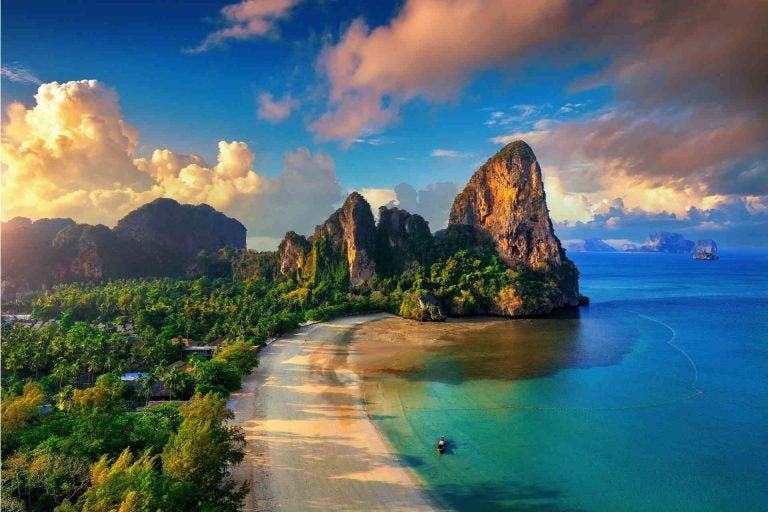
There are four beaches on the peninsula: Railay West is the main arrival point and most popular for swimming; Railay East has mangrove-lined shores; Phra Nang Beach is widely considered the most beautiful, tucked at the foot of a towering limestone cliff with exceptional water clarity; and Tonsai Beach to the north, which serves as the hub for climbers.
At the far end of Phra Nang Beach, a short scramble up the cliff leads to Phra Nang Cave — a shrine dedicated to a sea princess, filled with flower offerings and colourful wooden sculptures. Above the cave, a short jungle trail leads to
Tip: Long-tail boats to Railay depart from Ao Nang Beach and Krabi Town throughout the day. The last boats back typically run until around 9PM — check with your boatman before sunset if you plan to stay late.
2. Climb Tiger Cave Temple (Wat Tham Suea)
Tiger Cave Temple, or Wat Tham Suea, is the most spectacular temple in Krabi. The complex includes a jungle cave network at the base and a summit shrine reached by climbing 1,237 steep steps to a height of 276 metres.
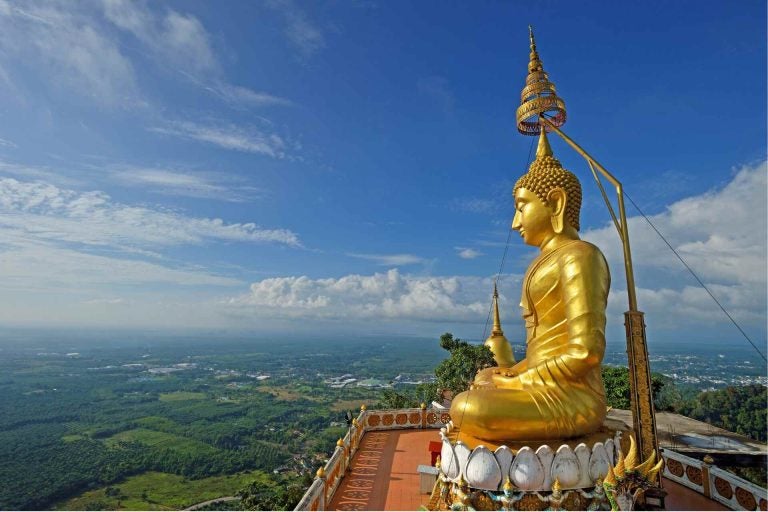
The climb takes 30 to 60 minutes depending on your pace. At the top, a massive golden Buddha statue marks the summit, and the 360-degree panoramic view across Krabi’s karst landscape and the Andaman Sea is unlike anything else in the region.
The cave network at the base is worth exploring before or after the climb. Ancient stalactites and stalagmites fill the caverns, and several caves contain Buddhist shrines. Monks’ quarters are nestled deep in the jungle valley — the “Tiger Cave” name comes from tiger-claw marks preserved in the cave rock, not from tigers themselves.
Tip: Start the climb before 8AM to avoid the worst of the heat and peak crowds. Bring water, wear shoes with grip, and dress modestly — shoulders and knees must be covered to enter all temple areas.
3. Join a 4-Island or 7-Island boat tour
Island hopping is the definitive Krabi activity. The most popular option is the 4-Island tour, which typically covers Koh Poda (white sand, stunning water clarity, dramatic karst backdrop), Chicken Island (Koh Kai), Tub Island (connected to Koh Mor by a sandbar at low tide), and Tup Island. Tours include snorkelling stops at coral reefs between islands.
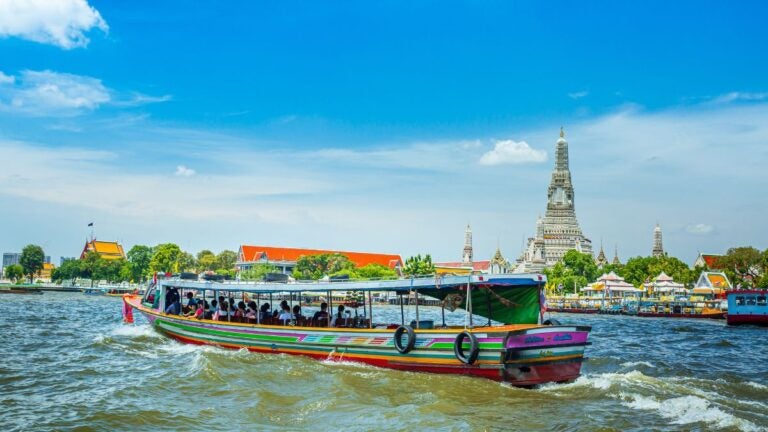
For more variety, 7-Island tours cover a wider range of smaller islands on traditional long-tail boats or speedboats. Boat tours depart from Ao Nang Beach throughout the morning. Most half-day tours leave between 8AM and 9AM and return by early afternoon. Snorkelling equipment is typically provided.
Tip: Book directly at the Ao Nang beachfront or through your hotel to avoid agency markups. Long-tail boat tours are the most authentic experience; speedboats cover more islands but sacrifice atmosphere. Check that snorkelling equipment is included before booking.
4. Take a day trip to the Phi Phi Islands
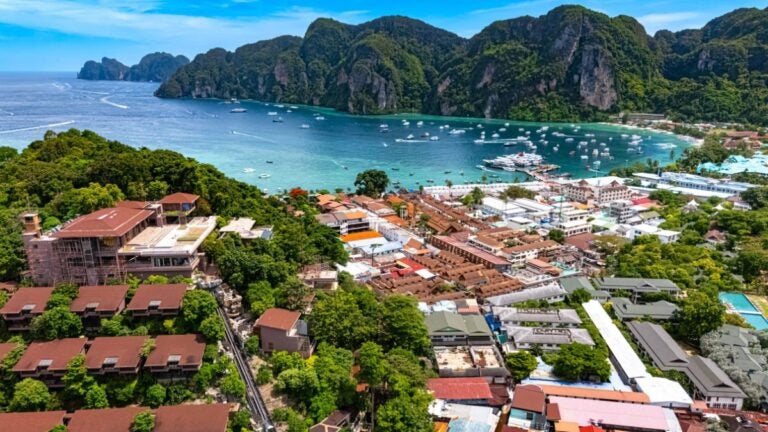
The Phi Phi Islands are among the most famous in Thailand, accessible by speedboat from Ao Nang in roughly 45 minutes. Koh Phi Phi Leh is uninhabited and home to Maya Bay — the location used in the 2000 film The Beach and one of the most photographed coves in Southeast Asia.
Maya Bay was closed between 2018 and 2021 to allow the coral reef to recover. It has since reopened with restricted access — swimming inside the bay is prohibited, but you can enter by boat during permitted hours. The surrounding Loh Samah Bay and Pileh Lagoon offer exceptional snorkelling.
On Koh Phi Phi Don, the Phi Phi viewpoint is a steep 20-minute climb above the village with a panoramic view of the twin bays on either side of the island’s narrow isthmus — one of the most recognisable vistas in Thailand.
Tip: Day trips to Phi Phi are best done by speedboat departing early (7–8AM) to reach Maya Bay before crowds. Verify current Maya Bay access rules before booking as swimming restrictions have changed since reopening.
5. Swim at the Emerald Pool and Krabi Hot Springs
The Emerald Pool (Sa Morakot) and Krabi Hot Springs sit within the Thung Teao Forest Natural Park and are most commonly visited together on a single half-day trip.
Emerald Pool
A short footpath through dense rainforest leads to the Emerald Pool, where the water has a distinctive vivid green-blue colour caused by mineral-rich spring water. The pool is cool and spring-fed — a genuinely refreshing swim in the Thai heat. Entry costs 400 Baht (approximately £9), paid at the park entrance. A separate, shallower Blue Pool nearby is even more vivid but swimming is prohibited to protect the ecosystem.

Krabi Hot Springs
A short drive away, the Krabi Hot Springs offer thermal pools typically around 40 to 43°C. The smaller upper pools are the hottest and most photographed; a larger pool at the bottom of a small waterfall is cooler and popular with families. The springs are a genuinely relaxing way to spend an hour after the Emerald Pool swim.
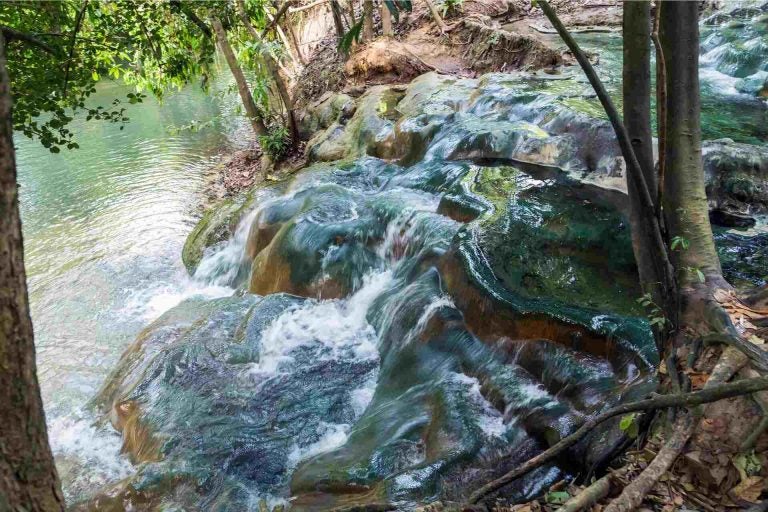
Tip: Combine both in one morning: arrive at the Hot Springs when they open, then walk to the Emerald Pool. Afternoons get busy with tour groups. The Emerald Pool is particularly beautiful on cloudy days when the colours appear most vivid.
6. Kayak through Ao Thalane mangroves
For a quieter, more immersive natural experience, kayaking through the mangrove forests of Ao Thalane offers a completely different side of Krabi. Located in Thalane Bay north of Krabi Town, this sheltered coastal inlet is threaded with calm tidal channels through ancient mangrove forest — largely off the typical tourist circuit.
Guided kayak tours operate from Ao Thalane and typically run for a half day, covering the main channel network. Some tours combine the mangroves with a sea cave section, where you paddle through narrow limestone passages accessible only at low tide. The area is also popular for stand-up paddleboarding.
Tip: Book a guided mangrove kayak tour rather than going independently — guides know the tide schedules, which determine which channels and caves are accessible. Morning tours in calm conditions offer the best experience and wildlife sightings.
7. Go rock climbing at Railay or Tonsai Beach
Krabi is internationally recognised as one of the world’s great rock climbing destinations, with over 700 established routes on its limestone karst walls ranging from beginner-friendly slabs to expert-level overhanging sport climbs. The two main areas — Railay Beach and Tonsai Beach — offer accessible routes with an extraordinary backdrop: sea-stack limestone with turquoise water below.
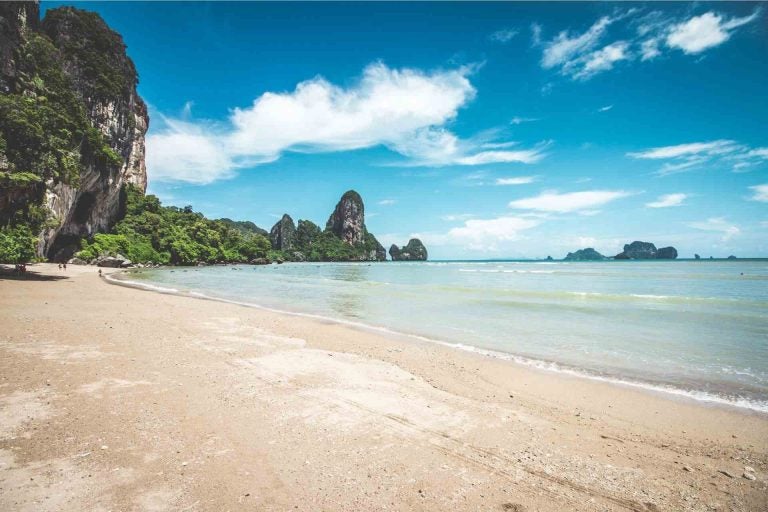
You do not need experience to try it. The Muay Thai Wall and One-Two-Three Wall at Railay are popular beginners’ areas with bolted single-pitch routes learnable in a morning. Full beginner courses cover harness fitting, safety checks, belaying, and first lead climbs. Experienced climbers will want to explore the Diamond Cave Wall and multi-pitch routes up the interior cliff faces.
Tip: Climbing shoes, harness, and helmet are all included with guided courses. The best climbing conditions are in the dry season from November to April. The rock gets slippery during the wet season and some routes close.
8. Explore the Krabi night markets
Krabi has two distinct night markets worth an evening each — one in Ao Nang and one in Krabi Town — offering a genuine window into local life beyond the beach resorts.
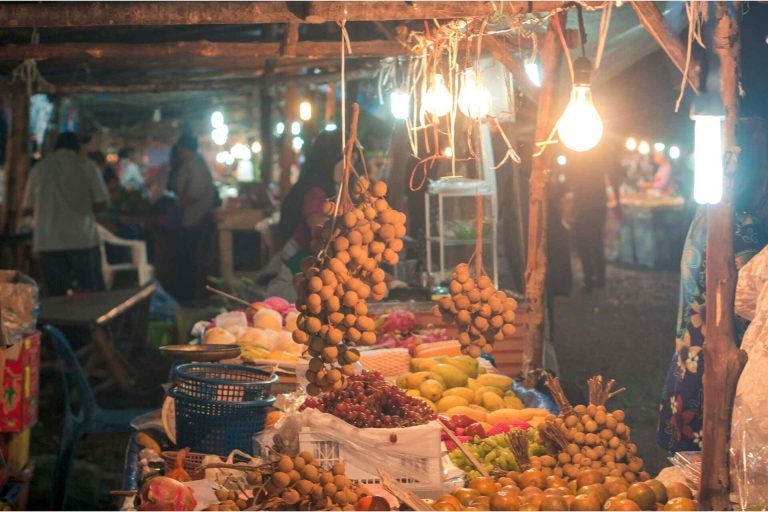
Ao Nang Landmark Night Market
Located in the centre of Ao Nang, the Ao Nang Landmark Night Market opens every evening and is the most accessible for visitors staying in the beach resort area. Vendors sell local handicrafts, clothing, and souvenirs, while street food stalls stay busy into the night. The market has a lively, social atmosphere and is a good place to pick up authentic Thai goods.
Krabi Weekend Night Market
The Krabi Weekend Night Market (Talad Krabi) in Krabi Town is the more authentic of the two and a favourite with local residents. It opens every Friday and Saturday from 5PM until midnight, peaking around 7PM. The market occupies several streets in the centre of town — stalls sell handmade crafts, local artwork, clothing, and fresh produce. On the waterfront, the Maharaj Pier area is worth visiting in the early evening for views over the mangrove-lined Krabi River.
Travellers continuing to Thailand’s Gulf Coast islands should note that the Full Moon Party Thailand on Koh Phangan is reachable by ferry from Krabi — one of the most famous monthly events in Southeast Asia.
Tip: The Krabi Weekend Night Market is far more local in character than the Ao Nang market — if you can only visit one, make it this one. It is a 20-minute drive or songthaew ride from Ao Nang.
9. Visit the Krabi Elephant Sanctuary
An ethical elephant encounter is one of the most meaningful activities available in Krabi. The Krabi Elephant Sanctuary operates on a no-riding, no-performance model: rescued elephants live in a semi-natural setting and visitors spend time with them on foot, observing natural behaviour and helping with feeding.
A typical half-day visit includes feeding the elephants fruit and vegetables, walking alongside them through the forested sanctuary grounds, and learning about the histories of the individual animals — many rescued from logging operations, street begging, or tourist camps. Smaller group sizes mean the experience is far more personal than crowded commercial alternatives.
The sanctuary experience is suitable for families with children and visitors of all ages. It is one of the best things to do in Krabi with kids, combining an unforgettable wildlife encounter with a meaningful lesson about conservation and animal welfare in Southeast Asia.
For those extending their Thailand trip northward, things to do in Chiang Mai includes some of Thailand’s most established ethical elephant rescue operations — the city is widely regarded as the country’s centre for responsible wildlife tourism.
Tip: Book directly with the Krabi Elephant Sanctuary or through a verified ethical travel agent. Avoid any venues that offer elephant riding, elephant bathing shows, or performances. A half-day visit is sufficient and typically includes transport from Ao Nang or Krabi Town.
10. Discover Krabi Town and Wat Kaew Korawaram
While most visitors base themselves in Ao Nang, Krabi Town itself is a quieter, more authentic alternative with a genuinely local character. The town sits on the Krabi River, surrounded by mangroves and towering limestone outcrops.
Wat Kaew Korawaram
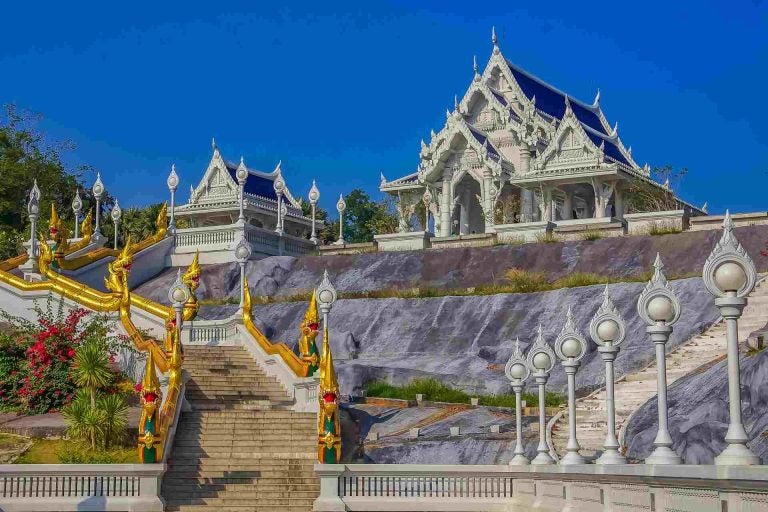
The most prominent landmark in Krabi Town is Wat Kaew Korawaram (also known as Wat Kaew), the largest temple in Krabi. What makes it distinctive is its colour — brilliantly white with a blue-tiled roof, unusual for Thailand and visible from across the town. Built in 1887, the temple covers 2,500 square metres and includes a golden Buddha shrine, Buddhist relics, and the Krabi Museum of Contemporary Art.
Krabi Town waterfront and market
Below the temple, the Krabi Town waterfront runs along the Krabi River — a pleasant walk in the early morning or evening. The Chao Fah Pier is the main departure point for boats to Koh Lanta and the outer islands. The Krabi Town Walking Street runs through the centre on weekend evenings, connecting the pier area with the night market — smaller and quieter than comparable Thai walking streets, but genuinely local.
Tip: Spend a morning in Krabi Town before heading to any island activities departing from Chao Fah Pier. The town is significantly less expensive than Ao Nang for accommodation and local transport.
How many days in Krabi is enough?
Most visitors find 4 to 7 days is the right amount of time in Krabi. Four days covers the essential highlights without rushing; seven days allows a more relaxed pace and time to revisit favourite spots.
Krabi works well as part of a longer things to do in Thailand itinerary — many visitors combine it with Bangkok, Chiang Mai, or the northern temples before heading south to the Andaman coast.
Day 1 — Arrival and Ao Nang
Day 1 — Arrival and Ao Nang: Settle in, get your bearings, and spend the afternoon at Ao Nang Beach. Walk the waterfront, book your island hopping tour for Day 2, and head to the Ao Nang Landmark Night Market in the evening.
Day 2 — Island hopping
Day 2 — Island hopping: Full day on a 4-Island or 7-Island boat tour departing from Ao Nang. Snorkel, swim, and explore Koh Poda and the surrounding islands. Return by early afternoon and use the evening to explore Krabi Town and the Weekend Night Market if your dates align (Friday or Saturday).
Day 3 — Railay Beach and rock climbing
Day 3 — Railay Beach and rock climbing: Take a long-tail boat to Railay Beach in the morning before the day crowds arrive. Visit Phra Nang Cave, hike to the viewpoint, and spend the afternoon on the beach. Try a beginner rock climbing session at the Railay or Tonsai cliff faces — most guiding companies offer half-day instruction.
Day 4 — Tiger Cave Temple and Emerald Pool
Day 4 — Tiger Cave Temple and Emerald Pool: Start with the Tiger Cave Temple climb in the cool of the early morning. Return to town for a late breakfast, then head inland to the Thung Teao Forest Natural Park for the Emerald Pool and Krabi Hot Springs. End the afternoon at the Krabi Elephant Sanctuary.
With more time, add a Phi Phi Islands day trip, a mangrove kayaking morning at Ao Thalane, or an evening watching the fire show on Ao Nang Beach. The Gulf Coast islands are also within easy reach — things to do in Koh Samui and things to do in Koh Phangan make natural next stops on a southern Thailand trip.
Things to know before visiting Krabi
Here are the key practical points — including what to be careful of — to help you make the most of your time in Krabi:
- Temple dress code: All Buddhist temples in Thailand require visitors to cover their shoulders and knees. Lightweight trousers or a sarong are easy to carry. This is strictly enforced at Tiger Cave Temple and Wat Kaew.
- Respect the Buddha: Do not touch Buddha statues or religious objects. Pointing your feet towards Buddha images is considered disrespectful. Exporting Buddha statues from Thailand requires official certification.
- Sea conditions: Krabi’s monsoon season runs from May to October. During peak monsoon (typically August to October), some beaches and boat tours are suspended due to rough seas. Understanding Krabi’s seasons is closely tied to the best time to visit Thailand overall — the November to April dry season applies across southern Thailand and is the most reliable window for beach and boat activities. Always check conditions before booking boat-based activities. Some beaches also experience jellyfish particularly between October and November — ask locally before swimming in unfamiliar areas.
- Songkran festival: If visiting in April, note that Songkran festival Thailand — the national water festival and Thai New Year — brings celebrations to Krabi’s streets and beaches. It creates a lively atmosphere but also means busier accommodation, so book well in advance.
- Cash: Many smaller vendors, street food stalls, and local transport services do not accept cards. Carry Thai Baht in cash. Exchange rates at tourist-area desks are typically poor — use ATMs in town for better rates, though these charge a foreign transaction fee.
- Sun protection: The tropical sun in southern Thailand is intense year-round. High-SPF sunscreen, sunglasses, and a hat are essential, particularly on boat tours where you are exposed on the water with no shade.
- Haggling etiquette: Haggling is common in markets and with some transport providers, but should always be done politely and with a smile. Aggressive haggling is considered rude and generally counterproductive.
- Connectivity: A Thailand SIM card is available at Suvarnabhumi Airport in Bangkok and at Krabi Airport on arrival. Most tourist areas in Krabi have solid 4G coverage, but remote beaches and jungle trails have limited signal — download offline maps before heading out.
For a full breakdown of what to bring, a Southeast Asia packing list for a Krabi trip should include lightweight clothing, reef-safe sunscreen, a dry bag for boat days, and sturdy footwear for temple climbs.
Stay connected in Krabi with Holafly
Navigating between Krabi Town, Ao Nang, Railay Beach, and the outer islands requires reliable mobile data — for maps, boat times, tour bookings, and staying in touch with other travellers. A Holafly eSIM for Thailand gives you unlimited data from the moment you land, with no SIM swapping and no international roaming charges.
Holafly offers travel eSIMs for 200+ destinations with unlimited data, 5G speeds, and 24/7 customer support included in every plan. If you’re extending your trip beyond Krabi — island hopping to Koh Lanta, continuing to Phuket, or travelling further across Southeast Asia — Holafly Plans offers a pay-monthly eSIM covering 170+ destinations on a single eSIM. Cancel anytime, no long-term commitment.
And with Holafly’s Always On 1 GB backup data included with every eSIM purchase, you have instant internet access for emergencies — whether that’s finding a return boat from Railay, checking Tiger Cave Temple opening times, or navigating back from the Emerald Pool at dusk. Simply keep the Holafly eSIM installed on your device and you’ll stay connected throughout Krabi.
Save memories, not data
Enjoy unlimited internet access during your stay in Krabi.
Plans that may interest you

A senior SEO writer from Lithuania, combining my passion for writing and travel at Holafly. With years of experience in technical fields, I'm here to answer all of your questions about staying connected. I specialize in turning even the most complicated topics into something everyone can understand.