




 Language
7 things that should never go in checked luggage (some will surprise you)
Some travel items should never go in checked luggage. Here's what to keep in your carry-on and why it could save your trip.

I’ve made many travel mistakes over the years, but there’s one in particular that I still kick myself about — The time I accidentally packed a prohibited item in my checked luggage!
It turns out I’m not the only person to make the mistake. Since then, I’ve seen dozens of people reopen suitcases at the check-in desk to remove banned items, and several of my friends have had their checked bags delayed for days.
To save you from experiencing a stressful situation like this, here’s a checklist of what NOT to pack in your checked luggage.
Because spending five minutes checking your luggage before you leave home can save you a lot of trouble later!
Why “checked bag safe” is a myth for some items
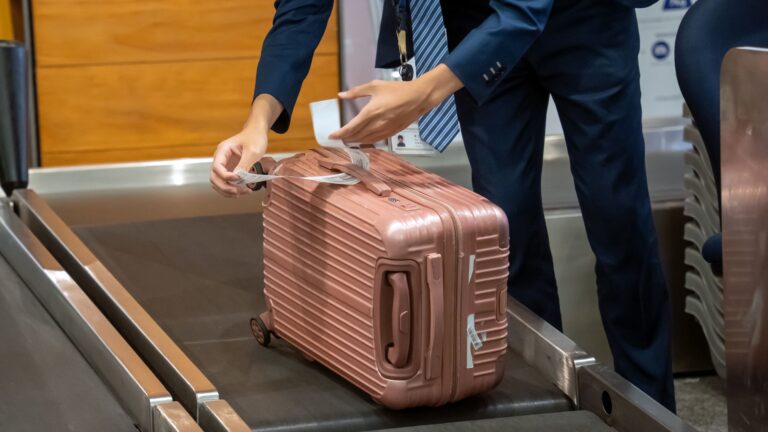
Many travelers think there are only two categories: items that are allowed on a plane and items that aren’t.
But in reality, there’s a third category: items that are allowed to fly, but only in your carry-on.
Your carry-on refers to the bag you bring with you in the cabin, while checked luggage is the suitcase you leave with the check-in staff or at the bag-drop desk.
There are 7 items that I strongly recommend putting in your carry-on rather than your checked luggage. Some items are prohibited or unsafe to go in the aircraft hold, while others are technically allowed but could leave you in a difficult situation if your suitcase is delayed, damaged, or lost.
The 7 things I never put in a checked bag
Ensuring you have none of the following 7 items in your checked luggage can prevent holdups at the airport, so add this task to your international travel checklist.
1. Power banks and spare lithium batteries
Power banks contain loose lithium batteries, which are a serious safety concern. Lithium batteries can overheat and catch fire. Because of this, power banks are prohibited in checked luggage and must travel in your carry-on instead. You’re also limited to two power banks per person.
I once absent-mindedly forgot this rule and packed it in my checked luggage. Upon arrival, I noticed security tape on my suitcase, indicating it had been opened and that the power bank had been seized.
2. Vapes and e-cigarettes

Like power banks, IATA rules state that you can only travel with vapes and e-cigarettes in your carry-on luggage. The use of both items on board is also strictly prohibited.
If you were to pack a vape or e-cigarette in your checked bag, the X-ray scanners would typically intercept the bag and seize the device. However, there have been instances in which this delay has caused luggage to miss the boarding time.
3. Medication
Most medications are allowed in checked luggage, but it is strongly recommended to put them in your carry-on.
Emergency medication like inhalers or EpiPens should always be on your person, but honestly, I would never risk putting any medicine in my checked luggage. Think about it: if your bag were to get delayed or lost, you’d be without that medication for days.
4. ID, important documents, and keys.
You would be surprised how many people put important documents like driving licenses, credit cards, and their car/house keys in their checked luggage.
US airlines alone lose 2 million suitcases a year. So imagine landing at your destination and finding out that your luggage, containing all your bank cards, is in a different city from you. I always do one final check before checking in my suitcase to make sure every essential document and key is staying with me.
5. Jewelry and valuables.
Checked luggage theft is rare; around 6000 passengers report lost property from their checked-in baggage each year. Still, if you have expensive jewelry, family heirlooms, or any other valuables, it’s not worth the risk.
I made the mistake of checking something valuable once early in my travels. Thankfully, nothing went missing, but the anxiety while waiting at baggage reclaim was enough for me to never do it again.
6. Fragile electronics (laptop, camera).
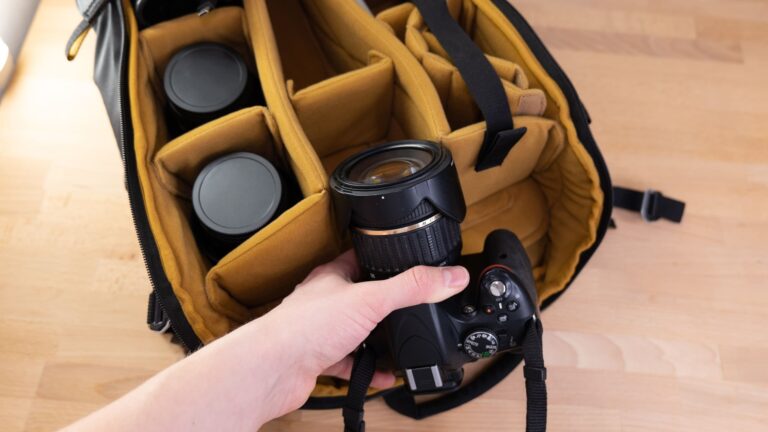
Although electrical items like laptops and cameras contain lithium batteries, they are contained within the device and not classed as loose or spare batteries. Therefore, you technically can pack them in your checked luggage.
However, IATA and airlines strongly advise keeping electronics in your cabin backpack to prevent damage in the hold and to protect against theft.
7. First night essentials
Mistakes happen, and luggage can arrive a day or 2 later than you. Alternatively, you could miss your layover and end up spending the night in a random airport.
If your toiletries, phone charger, and everything else you need during the first 24 hours of your trip are in your checked luggage, this could put you in a very sticky situation. That’s why I always put one complete change of clothes and basic toiletries in my carry-on
How to pack so you never get caught out
Before you close your checked suitcase, spend two minutes doing a final check to ensure none of these 7 items are in it.
Additionally, check your airline’s specific baggage rules. Policies on batteries, electronic devices, and carry-on allowances can differ slightly between airlines.
And if you’re planning to bring your favorite foods from home on vacation or purchase some yummy local delights while you’re away, research what food you can bring on the plane first.
Finally, if possible, arrive at the airport slightly ahead of your flight’s check-in time. That way, you’ll have enough time at check-in to handle any surprises calmly, such as if security asks you to remove or repack an item.
Stay connected from check-in to landing with Holafly
The moment you’re at the airport rechecking rules or standing at security is exactly when you don’t want to be offline, digging for a boarding pass or looking up your airline’s baggage policy. A Holafly eSIM keeps you online from the curb to the gate, with unlimited data, 5G speeds, and 24/7 customer support. Install it before you travel and you land connected, no scrambling for Wi-Fi.
On top of that, every Holafly eSIM comes with Always On: 1 GB of backup data each month at no additional cost. It switches on automatically as long as the eSIM stays installed on your device, renews every month, and works in 70+ destinations. So if your main data runs out mid-transit or a gate change lands in your inbox, you’re still reachable when it matters.
Get the packing right, and let Holafly quietly have your back for the rest.

Unlimited data. Peace of mind.
Make sure you have travel data that's there when you need it most.
Plans that may interest you

Hi, I'm Mika, a South Korean writer living in the US. I cover travel and live events, focusing on the practical stuff that makes your trip smoother, whether you're navigating a new city or heading to a major international event.I'm also the founder of Search SEOul, South Korea's leading SEO conference, bringing together search marketing experts and speakers from around the world.