Language
Is Iceland expensive to visit? 2026 costs & budget tips
A trip to Iceland ranges from $2,000 to $5,000, depending on the type of traveler. Explore flight, accommodation, activities, and eSIM pricing for your trip

Even though Iceland is one of the most expensive European destinations to visit, as travelers can spend anywhere from $100 to $300 on a budget to mid-range vacation.
But what about flights and activities? These are things that can easily add up, with a 7-day trip costing anywhere from $2,000 to over $5,000 based on your preferences.
This guide covers everything you need to know about how expensive it is to visit Iceland, including money-saving tips, seasonal differences, budgets for all types of travelers, and how to stay connected with a Holafly eSIM.

Match your eSIM to your Icelandic vacation
Choose a plan lasting between 1 and 90 days so you never pay for days or data you don't use.
Is Iceland expensive to visit?
Yes, Iceland is an expensive destination to visit. Compared to Finland, Denmark, and Sweden, Iceland is the most expensive Nordic destination for travelers.
The only Nordic country with similar prices is Norway, where expenses are higher than in Iceland for most things, except accommodations, as outdoor camping is more common there.
Factors that impact your Iceland trip cost
When planning your trip to Iceland, the first thing to consider is the season. Summer is the best option for endless daylight and better weather, while autumn and winter offer lower prices, but the snowy season can affect plans.
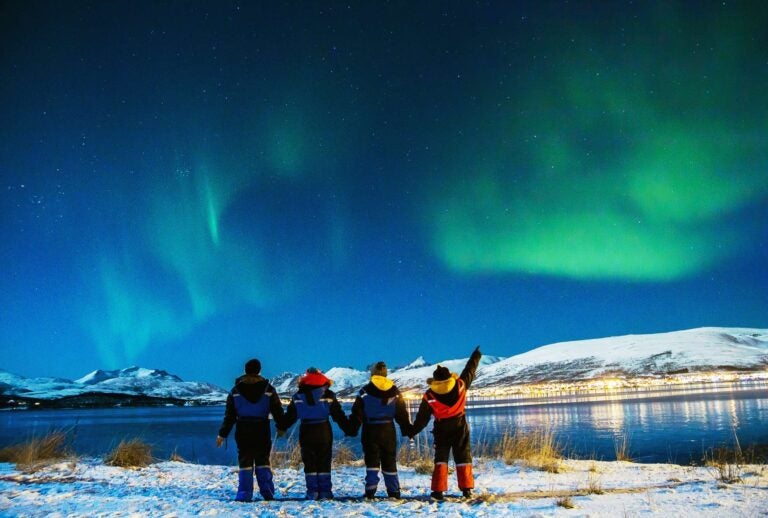
Keep in mind that Northern Lights also affect your travel budget. These start appearing in late August to mid-April, so you can expect some pricing variations.
But let’s dive into the details to help you prepare for the cost of a trip to Iceland.
Flight prices to Iceland
Flights to Iceland are pretty affordable for US, European, and UK travelers. However, things change for Australian travelers, with shoulder-season flights starting at $1,680 round-trip.
For round-trip flights from the US, the UK, and Europe, pricing starts at $435 during the shoulder season.
Here are some additional pricing options for travelers to consider:
| Departure | Peak season | Shoulder season | Flight time |
|---|---|---|---|
| US – West Coast | $470 to $950 | $435 to $600 | ~6 hours |
| US – East Coast | $680 to $1,350 | $635 to $750 | ~8 to 15 hours |
| Australia | $2,680 to $3,500 | $1,745 to $2,450 | ~28 to 40 hours |
| United Kingdom | $350 to $650 | $320 to $420 | ~4 hours |
Accommodation costs in Iceland
Most travelers opt to stay in Reykjavik, as it’s easy to visit the Golden Circle, the Snæfellsnes Peninsula, and the Katla Ice Cave. Accommodations start at $130 per day per person for a 10-bed hostel.
In the countryside, like Akureyri, Vopnafjörður, and Thingeyri, prices drop to $80 to $90 per person, per day. But you can find pretty expensive options in places like Eskifjorður, where accommodation pricing reaches up to $505 per night.
Here are some additional pricing options for travelers to consider:
- Hostels: Places like Reykjavik Peace Center, KEX Hostel, and CityHub range from $105 to $130 per night, costing around $735 to $910 for a 7-day trip.
- Hotels: The Reykjavik EDITION, Hilton Reykjavik Nordica, and Canopy by Hilton range from $542 to $1,050. These usually include breakfast and amenities such as a spa, a free airport shuttle, and laundry services.
- Airbnb: Offers hostel rooms, small-sized houses, and full apartments, starting at $59 for hostels, $84 for small-sized houses, and $250 to full apartments.

Food and dining costs
Food and dining costs will vary depending on where you’re staying.
If you’re looking to reduce overall charges, cooking is a better option. You can head over to a Bónus supermarket and cook back at your accommodation.
If you want to eat outside for an affordable price, you can easily spend anywhere from 2,000 to 4,000 KR (~$16,20 to $32,40 USD). Fine dining can easily reach up to 16,000 KR (~$130) in places like Old Iceland, Reykjavik Kitchen, and Pakkhús Restaurant.
Some additional food costs to consider are:
| Cocktails, beers | $9 to $13 for local beers, $12 to $16 for imported beers, over $16 for cocktails |
| Street food | $6 for a Pylsur (Icelandic hot dog), $20 to $30 for fish and chips, up to $15 for gas station food |
| Food halls | $20 to $30 for local dishes like Kjötsúpa, Hangikjöt, and Harðfisku |
| Desserts | $3 to $14 for snúður or skyr-based cakes |
Transportation costs
When visiting Iceland, consider two things:
- Do you want to drive through the scenic routes to visit the best places in Iceland, like Mývatn, Borgarfjörður Eystri, or Vík? An economy car will do, costing around $35 to $80.
- Do you want to explore things to do in Reykjavik, such as the Snæfellsnes Peninsula or the Golden Circle? A 4×4 is needed, costing $75 to $155.
You also have to factor in gas prices, which can easily reach $60 per day, especially on long routes.
Some additional transportation costs to consider are:
| Flybuys | Costs around $30 to $38 for a one-way trip from the Keflavík Airport |
| Strætó – City buses | Single tickets cost ~$4.50, while 3-day passes cost around ~$34 |
| Taxi | Costs around $0.05 per KM, with some taxis having flat fares depending on the trip |
| Long-distance buses | Anywhere from $35 to $90, depending on the destination |
Note: Visitors need to download Hreyfill and Hopp to find taxis in Iceland, as Uber and Lyft don’t operate there.
Activities and excursions costs
A trip to Iceland isn’t complete without visiting the Golden Circle, exploring the Diamond Beach, or relaxing at the Blue Lagoon.
But these aren’t the only activities to enjoy in Iceland; budget and premium options are available to visitors, including photo sessions, glacier hiking, and walking through volcanic areas.
One of the best activities in Iceland is seeking the Northern Lights, but since solar activity is needed for this to happen, travelers might need more than one try to watch these.
| Hiking close to a volcano | $190 per person |
| Northern Lights tour | $90 to $120 per person, depending on transportation method and commodities |
| Golden Circle tour | $90 to $160 per person, up to $720 for a private tour |
| Walking tours | $60 per person |
| Blue Lagoon | $114 to $302 per person, up to $830 including spa treatment |
| Private photography session | $420 per person |
| South coast tours | $320 per person |
Peak season vs. shoulder season in Iceland
As with other popular destinations, peak season (June to August) sees prices increase by up to 50% on flights, tours, and accommodation.
This comes from travelers who want to experience the Midnight Sun and enjoy many outdoor activities.
Shoulder season, which includes January, February, May, September, and October, offers cheaper pricing, with discounts ranging from 10% to 25%.
However, travelers can find higher prices during Northern Lights season, which ranges from late August to mid-April. But keep in mind these aren’t guaranteed, as this depends on solar activity.
However, the best way to reduce costs is to book everything in advance, especially for travelers during peak season.
Essential money-saving tips for Iceland
Visiting Iceland can be pretty expensive, but there are affordable options for budget travelers, especially if they don’t mind colder temperatures.
But there are some money-saving tips to reduce the Iceland travel cost, which all travelers can apply, such as:
- Book everything in advance: This is the golden rule of travel. Book everything months in advance to get lower prices on accommodation, flights, tours, and car rentals.
- Cook at your place: If you’re traveling on a tight budget, Bónus and cooking at home are your best allies, as you can easily cut daily costs in half.
- Walk when possible: While many important things are far from Reykjavik and major cities, it’s still worth walking around cities to explore museums, enjoy street art, or simply enjoy the pleasant Nordic weather.
- Don’t rely on roaming: To get mobile internet in Iceland, your best option is to get an eSIM, like the Holafly eSIM for Iceland, instead of paying $10 for a daily roaming pass.
- Think about your plans: The best time to visit Iceland depends on each traveler. May is best for whale watching; June to August are better for local festivals; and late August to mid-April is better for seeing the Northern Lights. So think about what you want to experience.
- Keep an eye on happy hours: If you want to save money on drinks, look for happy hours, as these offer discounts of around 20% to 30% on all drinks.
Staying connected in Iceland
Whether it is to upload photos of an active volcano, call someone from Diamond Beach, or use GPS to drive along scenic Icelandic roads, mobile internet is a must.
With a Holafly eSIM for Iceland, you get unlimited data, 5G data speeds, 24/7 customer support, and plans starting at $3.90 for 1 day.
To top it off, Holafly stays with you through Always On: 1 GB of built-in backup data that comes with every eSIM plan. Whether on a short trip, long layover, or quick border crossing, you’ll be covered as long as you keep the Holafly eSIM on your device.
So, don’t delete your eSIM! Get any Holafly plan and never install another eSIM again.
Match your eSIM to your Icelandic vacation
Choose a plan lasting between 1 and 90 days so you never pay for days or data you don't use.
FAQs
Budget travelers need around $2,000 to $2,500. Mid-range travelers need around $2,700 to $4,500. Luxury travelers will need over $5,000.
No. Norway is actually more expensive than Iceland. However, people can reduce accommodation costs in Norway by taking advantage of the widespread wild camping.
January, February, May, and October are the cheapest months to visit Iceland, but cold winters can affect your travel itinerary.
Yes. However, it’s better to use Icelandic currency, especially to avoid constant exchange rates when paying by card.
Plans that may interest you


I first started my content creation journey as a freelancer in 2019, before connecting with Holafly in 2021. At Holafly, my travel and tech interests come together in one place as I craft high-quality articles about the eSIM and related markets. My content aims to help travelers stay connected, wherever they are.