



 Language
Greek Christmas traditions: Food and celebrations
Discover Greek Christmas traditions, from singing kalanta carols and decorating boats to festive sweets, Saint Basil's gifts, and mischievous goblins.

Greece has some of the most unique Christmas traditions in the world, known as Christougena. Rather than focusing solely on a single day or a modern commercial rush, the Greek holiday season is a festive period lasting 12 days, from Christmas Eve to January 6th.
This guide covers everything about Greek Christmas traditions, including family gatherings, traditional Greek food, carols, Christmas decorations, gifts, and religious traditions.
Travelers who want to enjoy Christmas in Greece can stay connected using Holafly eSIM, with unlimited data, 5G speeds, and 24/7 customer support.

Connect to the fastest networks
International eSIMs, local networks. Enjoy the best of both worlds with Holafly.
How do Greeks celebrate Christmas?
Christmas in Greece is celebrated over 12 days from Christmas Eve until Epiphany on January 6. The holiday centers around family, religious observances, traditional food, festive songs, and unique decorations.
These are the central parts of Christmas in Greece:
- Family: The holidays are a time for family members to gather at home for meals and spend time together.
- Religion: As a Greek Orthodox country, religious traditions are very important. Many people attend church services to celebrate the birth of Jesus Christ.
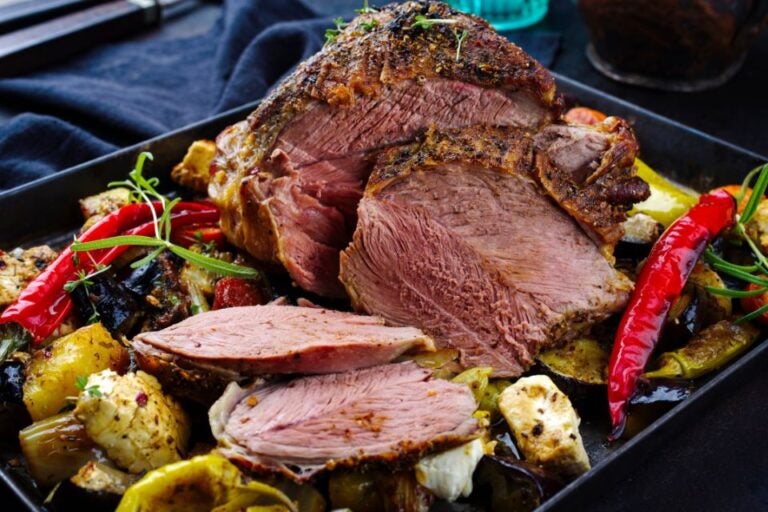
- Food: Families prepare special holiday breads, cookies, and large meals featuring roast meat.
- Carols: Children walk through neighborhoods singing traditional songs and playing small metal instruments.
- Decorations: Along with standard Christmas trees, many homes and public spaces display decorated model sailing ships.
Here is the Greek holiday timeline:
| Date | Celebration/ Event |
|---|---|
| December 24 | Christmas Eve (Kalanta carol singing, baking Christopsomo) |
| December 25 | Christmas Day (Family feasts, roast pork or lamb, gift-giving) |
| January 1 | St. Basil’s Day (Agios Vassilis, New Year’s Day, cutting the Vasilopita cake) |
| January 6 | Epiphany (Theofania, blessing of the waters, departure of the Kalikantzaroi) |
8 Greek Christmas traditions
Christmas celebrations in Greece share similarities with those in other European nations, like family gatherings, holiday baking, and deep religious roots, which are similar to Christmas traditions in Switzerland. But Greece features several unique customs that make its holiday season distinct.
Here are the key traditions:
- The Christmas ships (Karavakia): Alongside modern Christmas trees, Greeks display illuminated model sailing boats to honor their maritime history and welcome home sailors.
- The carolers (Kalanta): On Christmas Eve morning, children walk door-to-door singing traditional folk songs accompanied by small metal triangles and drums in exchange for sweets and coins.
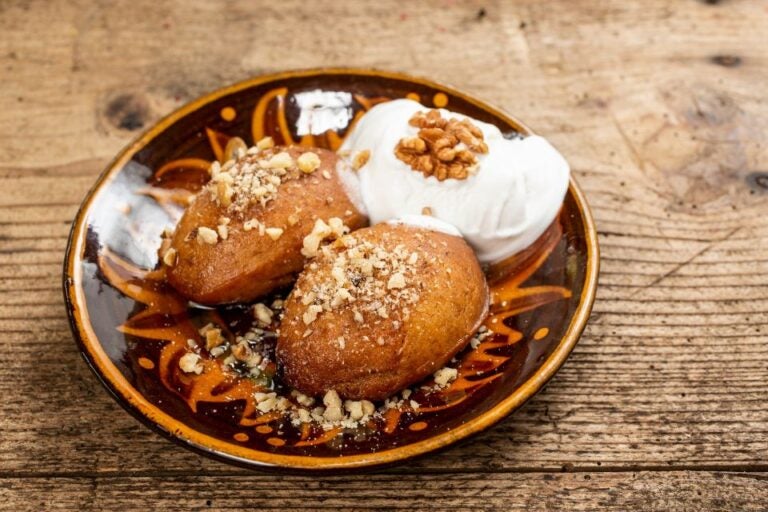
- Melomakarona and Kourabiedes: Essential holiday pastries, honey-soaked spice cookies, and rich butter shortbread cookies dusted with powdered sugar.
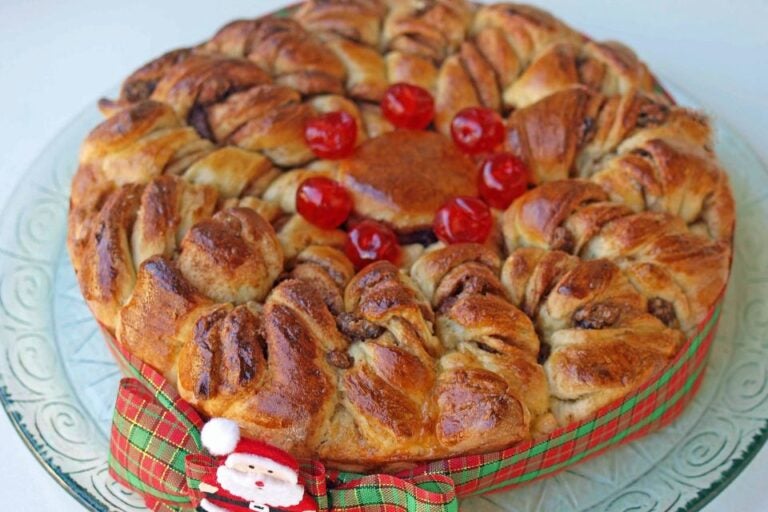
- Christopsomo (“Christ’s bread”): A special, round sweet bread stamped with a cross and baked on Christmas Eve to be blessed and shared during the holiday meal.
- The mischievous goblins (Kalikantzaroi): According to folklore, underground goblins emerge during the 12 days of Christmas to play tricks on people before being driven back underground on Epiphany.
Christmas Eve and family celebrations
In Greece, families come together on December 24, Christmas Eve, marking the official start of the holiday season.
- Family gatherings and meals: Families spend the evening at home sharing a festive meal. While Christmas Day is known for large meat lunches, Christmas Eve often features breaking the Christopsomo (Christ’s Bread), a special round loaf blessed at the table.
- Church traditions: Many families attend late-night or early-morning church services to welcome the Christmas holiday and mark the beginning of the holy days.
Greek Christmas carols and greetings
Music and carols hold a special, vibrant role in Greek Christmas traditions, serving as the soundtrack to the holiday season. Known as kalanta, these ancient festive songs fill the winter air on Christmas Eve, New Year’s Eve, and Epiphany Eve.
- Christmas carols (Kalanta): Throughout the morning, children fill the streets, going from house to house. They sing traditional songs called kalanta while playing small metal triangles and drums, and in return, homeowners give them sweets, pastries, or small coins.
- Festive greeting: The standard Greek Christmas greeting is “Kala Christougenna” (Καλά Χριστούγεννα), which translates directly to “Merry Christmas.”
Christmas boats and decorations
The tradition of the karavaki (small decorated boat) is a unique and historic symbol of Greek Christmas, highlighting the country’s deep maritime heritage. Though Christmas trees are common now, the decorated karavaki boat is a beloved Greek symbol of their seafaring history, often shown with trees.
- Origin: For generations, Greece’s coastal and island communities have looked to the sea for their livelihood. Families, especially sailors’ families, decorated small boats with lights and ornaments to welcome sailors home and honor their patron saint.

Greek Christmas food and sweets
Food and sweets hold a central, deeply meaningful place in Greek Christmas traditions. They are the heart of family gatherings, hospitality, and holiday symbolism.
After weeks of reflection during the Advent fast, sharing these special meals and homemade treats represents abundance, warmth, and the joy of welcoming family and guests into the home.
- Christopsomo (Christ’s bread): A special, round sweet loaf baked on Christmas Eve, decorated with an ornate dough cross and symbols of the family. The head of the household blesses and breaks it at the Christmas table to invite health and prosperity.
- Roasted meat: The main Christmas Day feast traditionally features roasted pork (in rural areas), lamb, and stuffed turkey, marking the celebratory end of the holiday fast.
- Melomakarona: Honey-soaked spice cookies flavored with orange and walnuts. They are baked throughout the season and traditionally offered to carolers and holiday visitors.
- Kourabiedes: Rich, buttery shortbread cookies heavily dusted with powdered sugar. Like melomakarona, these are essential festive sweets served to anyone who visits the home during the 12-day celebration.
- Pork with celery: A traditional main dish in many mountainous and rural regions of Greece, combining pork and fresh celery simmered together in a savory broth or lemon sauce.
Read more about other popular Greek dishes to try during your trip.
Agios Vasilis and Greek Christmas gifts
In Greece, gift-giving is traditionally tied to the New Year rather than Christmas, centered around Saint Basil (Agios Vasilis) rather than Santa Claus.
While some modern families now exchange presents on Christmas Day, the historic custom remains focused on honoring Agios Vasilis’s legacy of generosity at the start of the new year.
So, there are two dates when Greeks usually exchange gifts:
- January 1st (New Year’s Day/ St. Basil’s Day): The traditional day for children to receive gifts left overnight by Agios Vasilis (often placed in their shoes).
- December 25th (Christmas Day): A growing trend in some modern families, though historically secondary to New Year’s.
Here are the popular gift items:
- Books and toys: Classic gifts for children, often brought by Agios Vasilis.
- Practical items and clothing: Winter items, clothes, or shoes.
- Coins or money: Traditionally given to children by relatives and godparents for good fortune.
- The Vasilopita coin: While not a purchased gift, finding the hidden coin in the New Year’s cake is considered a special symbolic blessing and gift of luck for the year. This tradition is similar to the hidden almond cake, which is one of the popular Christmas traditions in Denmark.
Kallikantzaroi and Christmas folklore
Kallikantzaroi are mischievous underground goblins from Greek folklore. According to legend, they spend all year trying to saw down the giant tree that holds the earth together.
Greek folklore says that during the 12 days of Christmas, these goblins cause minor household troubles like putting out fires or making noise. So, they observe several traditions to celebrate the season and keep away mischievous spirits:
- Singing carols: Children go door-to-door singing traditional folk songs on Christmas Eve, New Year’s Eve, and Epiphany Eve while playing small metal triangles.
- Keeping fires burning: Because of the legend of the Kallikantzaroi goblins trying to sneak into homes through chimneys, families traditionally keep a hearth fire burning continuously throughout the 12 days to keep them out.
- Hanging a basil sprig (Aghiasmos): Families often wrap a sprig of fresh basil around a wooden cross, dip it in holy water from the church, and sprinkle it around the house to protect the home and purify the rooms.
- The blessing of the waters (Agiasmos): On Epiphany (January 6th), celebrations conclude with outdoor church services where priests throw a cross into the sea, rivers, or lakes to send it back underground. Young people dive in to retrieve it for a year of good fortune.
Greek Christmas traditions for kids
Besides singing kalanda, which is one of the favorite Greek Christmas traditions for kids, Greece has magical winter holidays with traditions for kids, mixing folklore, food, and family:
- Festive sweets and treats: Children look forward to seasonal treats like melomakarona (honey-soaked spice cookies) and kourabiedes (buttery shortbread dusted with powdered sugar), which are baked in abundance and offered to every visiting caroler.
- Gift-giving on New Year’s: Unlike Western traditions centered on Christmas Day, Greek children traditionally receive their gifts on New Year’s Day (January 1st) from Agios Vasilis (Saint Basil), leaving their shoes out overnight in hopes he will fill them.
- Stories of the mischievous Kallikantzaroi: Kids love stories about the Kallikantzaroi, goblins that come from underground during the 12 days of Christmas to cause trouble, but are chased away by holy water on Epiphany.
- The lucky Vasilopita coin: During the New Year’s Day cutting of the Vasilopita cake, children eagerly watch to see who finds the hidden coin in their slice, which brings a year of good luck, health, and special treats to the finder.
Fun facts about Greek Christmas traditions
Here are some fun facts about Greek Christmas traditions, including the role of lights and fireworks:
- A 12-day celebration: Greek Christmas isn’t just one day. Festivities last for a full 12 days, stretching from Christmas Eve through New Year’s Day and concluding with Epiphany on January 6.
- Santa’s lookalike has a twist: Instead of the Western Santa Claus, Greece’s gift-giver is Agios Vasilis (Saint Basil), who is traditionally pictured as a tall, wise scholar with a beard rather than a portly man in a red suit. He delivers gifts on New Year’s Day.
- Sailing into the holidays: Alongside Christmas trees, many Greek homes and squares display an illuminated model boat (karavaki), paying tribute to the country’s deep maritime heritage and sailors returning home.
- The ultimate game of luck: Every New Year’s Day, families cut the Vasilopita cake containing a hidden coin. Whoever finds the coin in their slice is guaranteed good luck, health, and prosperity for the entire year.
- Underground mischief makers: Greek folklore features the goblin-like creatures that live underground. These creatures attempt to saw down the tree that supports the earth. They then escape to the surface during the holidays to play harmless tricks, but are driven away by holy water.
- New Year’s fireworks and festive fires: While Christmas Day itself is kept quiet and traditional, major cities in Greece, like Athens, light up the sky with spectacular fireworks displays on New Year’s Eve. Additionally, many northern Greek regions light massive communal bonfires on Christmas Eve to keep the baby Jesus warm and ward off mischievous spirits.
Stay connected while experiencing Christmas in Greece
Visiting Greece during Christmas will be more enjoyable with a reliable internet connection. Staying connected is crucial for easily finding places with Maps, booking rides, sharing on social media, and keeping in touch with family and friends.
Instead of relying on your phone’s roaming, consider the Holafly Greece eSIM, which offers unlimited data, 5G speeds where available, 24/7 customer support, and hotspot sharing.
Holafly offers 1GB of backup data on every eSIM as an Always On feature, allowing you to stay connected for up to one month after the eSIM plan expires. It’s an option for emergency use, which is available as long as the eSIM remains installed.
Plus, Holafly eSIMs are reusable, so you can keep your eSIM installed for future trips.
Planning more trips or need a longer-term solution? Holafly Plans offers a monthly eSIM subscription for frequent travellers and digital nomads.
Check the eSIM store to find a plan for your next Christmas trip.

Peace of mind before you fly
Set up your eSIM before travel and get unlimited data on arrival.
Plans that may interest you


Formerly a travel journalist turned marketing copywriter, I found my way back to the travel world with Holafly—my dream company that made remote work possible. My motto? “Dream big and make it happen.” I’m passionate about writing, exploring the world, and staying active through walking, running, swimming, and hiking. I also love learning, reflecting, and connecting with inspiring minds.