



 Language
Tired of the crowds in Europe? Here’s how to enjoy the big-name sights at their quietest
Europe’s biggest attractions don’t have to mean huge crowds. These timing tricks will help you enjoy famous landmarks with more space and fewer tourists.

You’ve been looking forward to your European summer trip for months. But you’ve recently seen photos of Trevi Fountain and the Louver looking more like crowded commuter stations than breathtaking landmarks.
Naturally, you’re worried your dream trip will end up more stressful than enjoyable. You don’t want to miss out on Europe’s main sights, but you don’t want to spend 90% of your trip in a queue either.
Luckily, you don’t have to do either.
By making a few smart timing choices, you can enjoy the sights with room to breathe rather than feeling packed like sardines. Here’s how to see Europe’s most famous attractions at their quietest.
Why Europe’s main landmarks feel busier than ever
Summer 2026 is on track to be one of the busiest summer periods ever in Europe. Right now, the most popular tourist destinations like Rome, Paris, Barcelona, and Amsterdam are experiencing intense congestion with arrival numbers near or above record highs.
This overtourism is partly a result of the peak summer holiday schedules. Across Europe, people have time off work and school, and all head away during this same month.
Another key reason Europe’s most famous attractions are so crowded is that most travelers follow similar sightseeing schedules. They arrive at the same landmarks at the same time.
So while places like the Eiffel Tower and the Colosseum are very congested, the crowds are predictable.
This makes them manageable; By shifting your timing, you can experience the same landmark with significantly fewer people around.
The secret is timing, not luck
Considering how many people are traveling in Europe this summer, there is no secret travel hack for seeing the landmarks without the crowds.
However, there are two timing levers you can play with to avoid the sights at their busiest times.
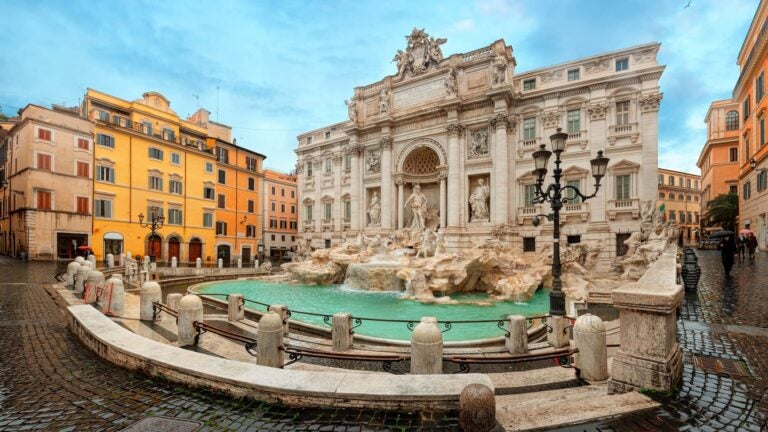
First, consider the time of day, because somewhere like the Trevi Fountain feels widely different at 7 am than it does at 1 pm.
Generally, the middle of the day is the busiest time for attractions, as this is when the tour groups and day-trippers are there. Meanwhile, the early morning (at opening time) or the evening (right before closing) is noticeably less crowded.
Next, consider the time of year. Shoulder season brings far fewer visitors than the peak summer months, so if you can wait until September to take your trip, consider doing so.
When each big-name sight is at its quietest
Because most of Europe’s landmarks have controlled access and opening times, the quiet window is usually very limited. However, the rule of thumb is to be there as soon as the attraction opens or towards the end of the day when most tourists have been and gone.
Some attractions are also a bit quieter on weekdays rather than the weekends, when there is an influx of weekend travelers. For example, the best time to visit Barcelona’s attractions is on a Tuesday or Wednesday.
For places that are open 24/7, like the Trevi Fountain in Rome, you have much more flexibility. Going very early in the morning (around 6 am) or after midnight will be far quieter than during the day.
Additionally, it’s best to book online rather than buy a ticket at the door, as you’ll be able to skip the queues. For the first slots of the day, you’ll need to book in advance as these sell out first.
| Landmark | Quietest window | Insider tip |
|---|---|---|
| Eiffel Tower, Paris | Right at opening (9 am) or after 10 pm (last access is at 11 pm) | Evening visits avoid the daytime queues and catch the light show |
| Louvre, Paris | Wednesday or Friday evening (late opening until 9 pm) | Late openings are far calmer than weekend afternoons |
| Colosseum, Rome | First entry slot (8:30 am) | Book a timed ticket so you walk past the line and get in before the crowds |
| Vatican Museums, Rome | Weekday from opening (8 am), or late afternoon (last entry at 6 pm) | Avoid Saturdays and the last Sunday of the month |
| Trevi Fountain, Rome | Before 8 am or after midnight | Early light allows for photos without the wall of selfie sticks |
| Sagrada Família, Barcelona | Weekday morning (from 9 am), off-season | Skip weekends and public holidays entirely |
| Rijksmuseum, Amsterdam | Weekday late afternoon (3-4 pm) | The last two hours before closing (6 pm) thin out fast |
| Anne Frank House, Amsterdam | First slot of the day (9 am), online only | Timed tickets sell out early, so book weeks ahead |
| Acropolis, Athens | Right at opening (8 am) or the final hour (7 pm) | Midday summer heat and tour buses peak together, avoid both |
| Neuschwanstein Castle, Germany | Earliest tour of the day (9 am), shoulder season | The first buses from Munich beat the midday crush |
Beyond the icons: quieter spots that still have that wow factor
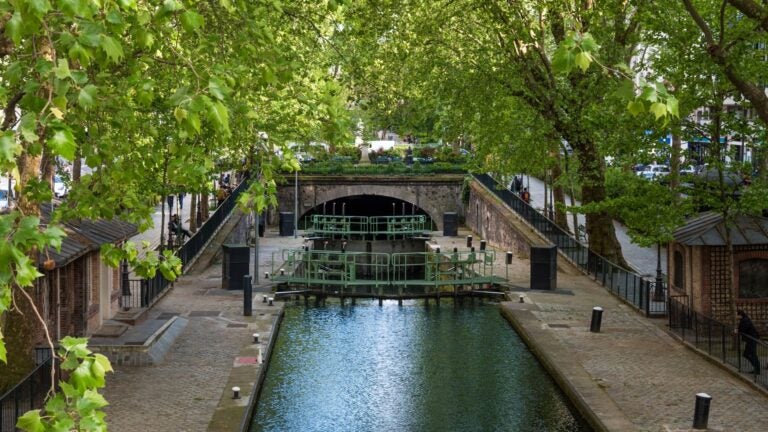
Visiting the main attractions at the quietest times doesn’t mean you’ll avoid the crowds completely; you’ll simply minimize them. So, to ensure your trip remains enjoyable and relaxed, it’s a good idea to pair the busier attractions with some quieter spots.
For example:
- In Paris, visit the Louvre early, then head to the quieter streets of the Canal Saint-Martin or Montmartre’s residential corners.
- In Rome, explore the Colosseum before the crowds arrive, then head to the quieter Testaccio neighborhood for lunch.
- In Barcelona, combine the crowds at Sagrada Família with a visit to the less hectic Palau de la Música Catalana.
And if the city center becomes too hectic, take a short train ride to escape the tourist crowds. For example, several peaceful day trips from Paris are less than an hour away, such as the Champagne region of Reims.
By adding some quieter spots to your travel itinerary, you’re not settling for less. You’re actually adding more to your trip by experiencing your destination at its most authentic.
Turning quiet-hour timing into a smooth trip
The trick to avoiding Europe’s crowds is to stay flexible. Yes, you might have to wake up early some mornings, but building your itinerary around the quieter hours will make your trip far more enjoyable.
I recommend planning your trip to Europe in advance so that you can book timed-entry tickets for the first slots of the day before they sell out.
By hitting the biggest sightseeing stops in the morning, you not only avoid the biggest crowds. You then have the rest of the day free for more relaxing activities like a long lunch, a quiet museum, or a park stroll.
During the summer, many of Europe’s popular landmarks have extended hours to accommodate the demand. So always check the attraction’s website beforehand; if you assume it opens at 9 am but turn up at that time and realize it’s already been open for 2 hours, there will likely already be long queues.
Summer extended hours also make late evening visits possible, allowing you to squeeze more into your day if you’re only in town for the weekend.
Finally, a few practical tools to make your Europe summer adventure seamless:
- Download offline maps of your destination before you leave so you can navigate without an internet connection.
- Download the city transit app for live bus and train departures.
- Sort an eSIM before you travel; reliable connectivity on the go will let you reroute if an area gets overly busy.
Stay connected across Europe with Holafly
Seeing Europe’s biggest sights at their quietest takes a little planning, and a lot of last-minute checking: opening hours, timed-entry slots, the next train out of town, and whether that early morning queue has already started. That is much easier when you are online the whole way. A Holafly travel eSIM gives you unlimited data with 5G speeds and 24/7 customer support, so you can look things up and change plans on the spot. For a multi-country trip, Holafly Plans offers pay-monthly coverage across 160+ destinations with a single eSIM.
What’s more, every eSIM comes with Always On, which is 1 GB of backup data at no additional cost. It activates automatically as soon as your eSIM is installed, renews every month, and works in 150+ destinations, so you stay reachable even if your main data runs low mid-trip. One less thing to worry about while you slip into the Colosseum ahead of the crowds. Grab your eSIM for Europe before you go and stay connected wherever the quiet hours take you.

Unlimited data. Peace of mind.
Make sure you have travel data that's there when you need it most.
Plans that may interest you


Hi, I'm Mika, a South Korean writer living in the US. I cover travel and live events, focusing on the practical stuff that makes your trip smoother, whether you're navigating a new city or heading to a major international event.I'm also the founder of Search SEOul, South Korea's leading SEO conference, bringing together search marketing experts and speakers from around the world.