




 Language
China is cashless, and it runs on two apps you’ve probably never used
Visiting China? Here's everything first-time visitors need to know about China's essential payment apps and how to set them up.

Preparing for your first trip to China? If so, there’s one thing you can probably cross off your to-do list: exchanging currency.
Many travelers assume China accepts cards and cash like everywhere else. However, the country operates almost entirely digitally, with mobile payments being the primary method of daily transactions.
What does this mean for travelers like you?
It’s not as complicated as it sounds, but you’ll need two apps to make purchases during your trip. Read on to learn what they are, how they work, and how to set them up before you land.
Wait, China really doesn’t accept cash anymore?
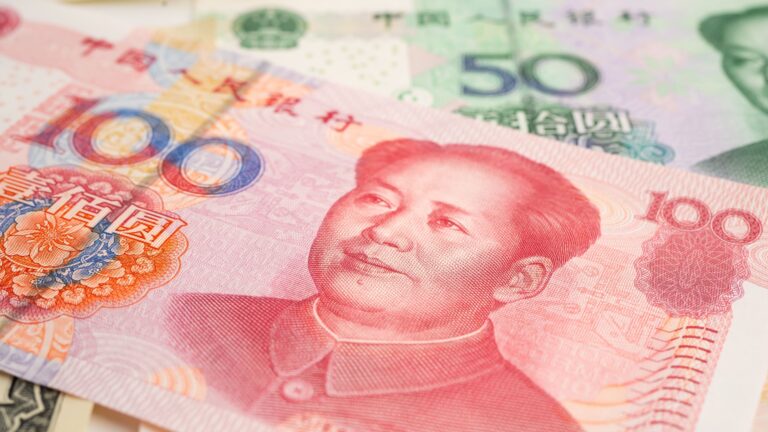
Cash is technically still legal tender in China, but in reality, hardly anyone uses it or accepts it anymore. Except for major international hotels and some tourist attractions, foreign bank cards like Visa and Mastercard are also not widely accepted.
Similarly, while Apple Pay works internationally, including in China, locals never use it, and it’s not practical for tourists.
You’ll find that most vendors, shops, restaurants, and even transit systems have no card terminal and have moved almost entirely to mobile payments. This is the number one fact about China that catches tourists off guard.
The two apps that run China’s economy (and why you need both)
So if you can’t pay by cash or card in China, how do you make payments?
There are two “super apps “that every local and tourist uses every day: WeChat Pay and Alipay.
| App | What it does | Also used for |
|---|---|---|
| WeChat Pay | Mobile payments, money transfers | Messaging, ride-hailing |
| Alipay | Mobile payments, merchant QR codes | Ride-hailing, public transport, travel booking |
You’ve likely never heard of these apps, as they’re not used outside of China. Yet within the country, they basically run the entire economy. So on your upcoming trip to China, you will 100% need these apps.
The good news is that these apps are now much easier for international tourists to set up than they were several years ago. While in the past the apps required a Chinese phone number, they now offer “International” options with foreigner-friendly onboarding.
What’s interesting about these apps is that they do so much more than make payments. As WhatsApp is blocked in China, locals use WeChat as a replacement. So you’ll likely need to use this app to message accommodation hosts and tour operators while in China. WeChat and Alipay also offer ride-hailing and public transport access services.
While WeChat first started as a messaging app, Alipay started as a payment platform. So Alipay has a stronger focus on financial services and is slightly more popular for payments, especially at smaller vendors.
But both apps are accepted everywhere, and most Chinese residents have both apps, using whichever is more convenient.
How to set up WeChat Pay or Alipay before you land
To create a WeChat Pay or Alipay account, you’ll need a foreign phone number and a valid ID, such as a passport. You’ll then need to link a foreign bank card, such as Visa or Mastercard, to use it.
Once set up, you’ll get a personal QR code that you scan at a merchant to make a payment, and the money is deducted from your bank account.
Let’s walk through the setup flow for each app so you can seamlessly set them up on your phone before your trip to China.
WeChat Pay
- Download WeChat from the App Store or Google Play.
- Create an account using your international phone number.
- Add your bank card via the wallet section. Recently, WeChat has also started allowing PayPal integration.
- Verify your identity: You will need to enter your passport details, upload a photo of your passport, and then complete a facial verification scan.
- Complete card verification: WeChat will usually send an SMS verification code.
Alipay
- Download Alipay from the App Store or Google Play.
- Create an account using your international phone number and enter the SMS verification code you receive.
- Verify your identity by uploading a photo of your passport and completing a facial verification check.
- Add your bank card under the ‘Bank Cards’ section.
- Complete a verification step through your bank, such as an SMS code.
Important note: For both apps, it may take 24–48 hours for your bank account and ID to be verified. Plus, sometimes banks flag or block foreign transactions during verification, which can further delay things. So set up these apps at least 2 days before you go, and notify your bank in advance to avoid any issues.
What about cash as a backup?

While China is almost completely cashless, carrying small amounts of Chinese yuan (RMB) is still worth it for certain situations.
For example, if you’re traveling in rural China, you’re more likely to encounter vendors who accept cash. Cash can also be used to tip tour guides or simply as a backup payment method.
You can exchange currency before your trip or upon arrival. Major airports such as Beijing, Shanghai, and Guangzhou have exchange counters and ATMs that accept foreign cards. Don’t exchange or withdraw more than RMB 500–1,000 ($75-150) as it will mainly serve as a backup.
That said, if you’re going to a major city like Shanghai or Beijing, there is really no need to exchange currency or carry cash. In fact, many tourists find that using cash in these big cities just creates friction.
Is now a good time to visit China, and are these apps easier to set up than they used to be?
If you’re planning a trip in the next 6 to 12 months, this is actually the best time to visit China and navigate its digital payment systems.
Since tourism resumed post-pandemic, China has been actively improving the payment experience for foreigners. In particular, China’s National Tourism Administration has pushed for easier foreign access to WeChat and Alipay.
As a result, the international versions of both apps are now more stable than they were two years ago. While there can still be occasional hiccups, most tourists find them simple to set up and use.
However, China runs on completely different apps because many international apps remain blocked there. These include Instagram, Google, WhatsApp, and Gmail.
To get around this, many travelers install a VPN before entering China. VPNs bypass internet access restrictions, allowing you to access your favorite apps and surf the internet in China in the same way you would back home.
Stay connected in China so your payment apps actually work
WeChat Pay and Alipay are not optional extras in China. They are the payment infrastructure. And both require a live data connection to function. No signal at the checkout means no payment, no taxi, no lunch.
A Holafly eSIM removes that risk before it becomes a problem. Install it at home, activate it when you land, and you have fast, reliable data across Beijing, Shanghai, and every city in between. No SIM swap at the airport, no scrambling for Wi-Fi to split a bill.
Holafly also includes Always On with every eSIM: 1 GB of monthly backup data at no additional cost, renewing automatically for as long as your eSIM stays installed. Keep it on your device, and you are covered across 70+ destinations, whether China is the whole trip or just the first stop. Pick up your eSIM for China before you fly.
For more travel tips on navigating China and destinations around the world, follow Holafly on Google Discover.

Unlimited data. Peace of mind.
Make sure you have travel data that's there when you need it most.
Plans that may interest you


Hi, I'm Mika, a South Korean writer living in the US. I cover travel and live events, focusing on the practical stuff that makes your trip smoother, whether you're navigating a new city or heading to a major international event.I'm also the founder of Search SEOul, South Korea's leading SEO conference, bringing together search marketing experts and speakers from around the world.