Language
Is the Caribbean actually worth visiting during hurricane season, or is the discount a trap?
The Caribbean is cheaper for a reason right now. Discover what hurricane season travel looks like across the islands and whether it's worth it.

Have you found a Caribbean holiday that’s hundreds of dollars cheaper than you expected?
At this time of year, select Caribbean flights and hotels are up to 50% lower than peak winter prices. The deals can look almost too good to pass up, but is there a catch?
Caribbean holidays are heavily discounted right now as the peak of hurricane season is right around the corner. Visiting during this period does bring genuine risks, but it doesn’t mean your vacation will be a complete washout.
This guide weighs the potential savings against the actual odds of disruption. And at the end, you’ll find a simple 3-question framework to help you confidently decide whether a hurricane season bargain is worth it.
The trap side: The actual risks of hurricane season
The Atlantic hurricane season officially runs from June 1 to November 30. However, the most storm and hurricane activity happens from mid-August through to October.
September historically sees the most disruption, such as flight delays, boat trips and diving excursions canceled, and a few back-to-back days of heavy rain and strong winds.
The biggest risk, though, is an interrupted itinerary. It is relatively uncommon for a hurricane to hit your resort directly.
According to the NOAA, 2026’s Atlantic hurricane season is forecasted to be below-normal in terms of hurricane activity. 8-14 storms are predicted across the entire season (June to November), with 3-6 of those expected to become hurricanes.
That said, some islands are more exposed to hurricanes than others.
The Caribbean is a vast region made up of dozens of islands spread across thousands of kilometers. As each island has a unique risk of disruption, choosing the right island is the key to an enjoyable Caribbean vacation during hurricane season.
The worth-it side: What the discount actually buys you
So just how much cheaper is the Caribbean in August and September, compared to peak winter season (December to April)?
From the UK:
- September return flights from London to Barbados start from £610 with Virgin Atlantic. Christmas flights are typically priced between £1000 and £2000.
- British Airways has September return flights from London to Jamaica from £675, compared to £1000 and £1700 for December trips.
From the US:
- Expedia is currently advertising September 2026 round-trip fares from New York to Puerto Rico from $232.
- JetBlue is currently offering one-way fares from $209 from New York to Trinidad & Tobago, compared to $500-$700 for the same route in December.
Savings are just as impressive on hotels. On hotels.com, average resort prices in Bridgetown, Barbados are $339 per night in September, compared to $459 per night in December.
But lower prices aren’t the only advantage. September is one of the quietest times to visit much of the Caribbean, so:
- Beaches are less crowded.
- Popular restaurants are easier to book.
Excursions like snorkeling trips, catamaran cruises, and island tours are less likely to sell out. - Resorts feel more relaxed, with no need to wake up early to claim a sun lounger.
Of course, boat trips may be easier to book, but they could also be canceled last minute because of the weather. And the beach may be empty, but ongoing rain may make sunbathing impossible.
Considering this, visiting the Caribbean during hurricane season is like shoulder season travel in the rest of the world. You accept more uncertainty in exchange for lower prices and fewer crowds. Hurricane season simply comes with a bigger caveat, which is why choosing where you go matters just as much as when you go.
The variable that changes the answer: Which island you pick
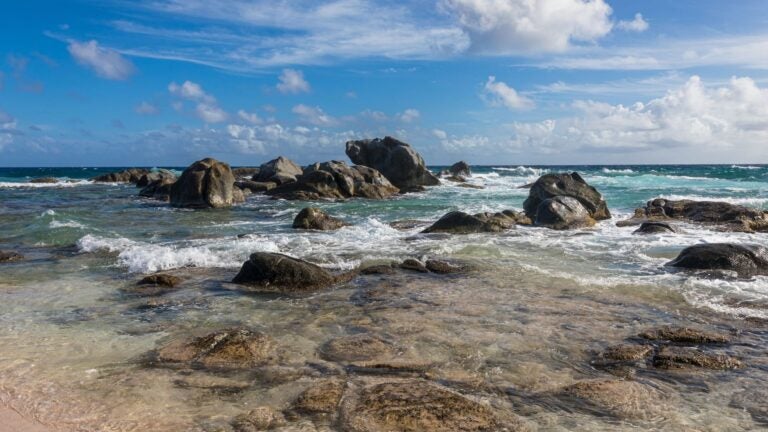
The Caribbean’s hurricane risk is shaped largely by geography. Most Atlantic storms form and track through the tropical Atlantic before moving west and northwest through the northern and eastern Caribbean.
This means the islands further south are generally less exposed to direct hurricane impacts, as they sit much closer to the edge of this path. So islands like Aruba, Bonaire, and Curaçao are the safest bet.
Meanwhile, islands further north and east face a higher chance of disruption, including Puerto Rico, Turks and Caicos, and the Bahamas.
This makes your island choice the single biggest factor in whether a hurricane-season deal is genuinely worth it. A 20% discount on an island with a low hurricane level is a much better deal than a 40% discount on an island with a higher chance of disruption.
Here’s how some of the most popular Caribbean islands compare:
| Island | Hurricane risk level | Discount potential |
|---|---|---|
| Aruba | Low | Low, demand stays steady |
| Curaçao | Low | Low to moderate |
| Barbados | Low to moderate | Moderate |
| Jamaica | Moderate to high | High |
| Puerto Rico | High | High |
How to find a deal without falling into the trap
A hurricane-season holiday does not have to be a complete gamble. There are ways to prevent your trip from being a complete wash-out and financially protect yourself against things like flight disruption or evacuation.
- Refundable or flexible bookings: Paying slightly more upfront will allow you to adjust your plans at the last minute should you find out a hurricane is due to hit your destination.
- Travel insurance: Choose a policy that includes hurricane cover. However, you need to purchase your policy before a storm is officially named. Once a storm becomes a known event, insurers may exclude it as a foreseeable risk.
- Resort hurricane guarantees: Some resorts have policies that allow you to rebook your stay or receive a future travel credit or refund if a hurricane affects resort operations. Not all resorts offer this, so enquire with your accommodation before booking.
For example, The Shore Club on Turks and Caicos offers a no-hassle, 100% refund policy if a hurricane prevents you from reaching the islands or affects your stay. Similarly, Serenity on Saint Lucia lets you rebook your stay if your flight is canceled and gives you future travel credit if you need to leave early due to hurricane disruption.
Another low-risk way to experience the Caribbean during hurricane season is with a cruise.
Cruises adjust their routes in real time and avoid bad weather, so hurricane season is actually one of the best times to take a cruise in the Caribbean.
If a storm is approaching the island you’re meant to dock at, you’ll be rerouted to another island that isn’t affected. This ensures you continue to enjoy the Caribbean, while also adding an element of surprise and spontaneity.
So is it worth it? Your decision checklist before the peak hits

Deciding whether a Caribbean trip during hurricane season is worth it is not a black-or-white decision. It all depends on how you can answer the following 3 questions:
- Is your chosen island low-risk, or can you make a fully flexible booking?
- Can you get travel insurance with hurricane cover before any storm is named?
- Are you open to and able to emotionally handle a possible itinerary change?
If you answered yes to each question, the discounted rate will likely outweigh the uncertainty for you. But if you answered no to one or more, it’s probably not worth the risk.
The discount is only a trap for travelers who book rigid plans on high-risk islands in September. If you opt for one of the southern islands or have insurance and resort guarantees in place, you’ll be genuinely nabbing a great deal.
Stay connected in the Caribbean with Holafly
When you’re traveling in a season where plans can shift, your phone does the heavy lifting: forecast checks, airline alerts, rebooking emails, and resort updates all depend on staying online.
A Holafly eSIM keeps you connected across the Caribbean with unlimited data, 5G speeds where available, and 24/7 customer support. Install it before you fly, activate it when you land, and skip hunting for a local SIM on arrival.
What’s more, every Holafly eSIM includes Always On, 1 GB of monthly backup data at no additional cost. It activates automatically as long as the eSIM stays installed on your device, renews every month, and works in 150+ destinations. So even if a storm shuffles your itinerary and your plan runs out mid-scramble, you still have data to check the forecast, reach your airline, or message home. That’s one part of the trip the weather can’t touch.

Unlimited data. Peace of mind.
Make sure you have travel data that's there when you need it most.
Plans that may interest you


Hi, I'm Mika, a South Korean writer living in the US. I cover travel and live events, focusing on the practical stuff that makes your trip smoother, whether you're navigating a new city or heading to a major international event.I'm also the founder of Search SEOul, South Korea's leading SEO conference, bringing together search marketing experts and speakers from around the world.