





 Language
Best time to visit Bali: A guide on weather and festivities
Planning your trip to Bali? Find out the best time to visit Bali, from the dry and wet seasons to the island’s top festivals and cultural celebrations.
Bali is a tropical paradise that draws visitors from all over the world. A quick scroll through endless social media posts from the island can make you think that it offers sunny weather and perfect conditions all year round.
However, not all seasons are equally suited to every type of Bali holiday. Read on to find the best times to visit depending on what you want to do and see during your trip.

Limitless data, endless adventures
Stream, scroll, and share as you please. With Holafly, your data is always unlimited.
What’s the best time to visit Bali?
Bali’s dry season generally runs from April to October, and it’s the most popular time to visit the island. During this period, rainfall is generally lower and sunny days are more common, making it a popular time for beach days, sightseeing, and outdoor activities.
However, Bali’s tropical climate means temperatures remain warm throughout the year. Indonesia’s tourism authority reports average temperatures of around 28°C in coastal areas and 26°C inland and in mountainous areas.
The wet season generally runs from November to March. Rainfall and humidity increase, but temperatures remain warm, and you can still experience plenty of sunshine between showers. The wet season can also be a good time to visit if you want fewer crowds and potentially lower prices.

Visiting Bali in the dry season or peak season
Bali is often associated with a winter escape for Australian travellers, but its seasons are different from those in Australia. While July and August are winter months in Australia, they fall within Bali’s dry season and are among the island’s busiest travel periods.
Bali’s dry season runs from April to October, making it a popular time to relax on the beach, try water activities such as surfing and snorkelling, or explore the island’s temples and natural attractions.
July and August typically have some of the driest conditions, although they are also among the busiest and most expensive months. May, June, and September can offer a good balance between favourable weather and smaller crowds, although conditions and prices can vary.
October is a transition month as Bali moves towards the wetter part of the year. Rainfall can become more frequent, but you can still enjoy plenty of sunny weather, and it can be a quieter time to visit.
Here’s a quick rundown of what you can expect during each month:
- July and August are high-season months to visit Bali. The weather is generally dry and sunny, although these months can be crowded and accommodation prices can be higher. Popular attractions and beaches can also be busy.
- May, June, and September are often considered shoulder-season months. You can generally expect plenty of sunshine, although occasional showers are still possible.
- October is a transition month between the dry and wet seasons. Rainfall can increase, but there can still be plenty of good weather, while crowds may be smaller than during July and August.
How to prepare for a visit during the peak season
Despite the crowds and higher prices, Bali is still a beautiful and magical place to visit in peak season. If you are willing to do a little planning and be flexible, you can have a wonderful time. Some recommendations to keep in mind include:
- Book accommodation early. This gives you a better choice of properties and can help you find more competitive rates before popular options fill up.
- Be prepared for crowds. Famous attractions can be particularly busy during July and August.
- Expect higher prices. Accommodation and some activities can cost more during the busiest travel periods.
- Be patient. Traffic can be heavy, especially in the popular tourist areas such as Seminyak, Kuta, and Canggu.
- Plan what to do before traveling. Make a list of the things to do in Bali before your trip and schedule the activities you don’t want to miss.

Visiting Bali in the rainy season or low season
The rainy season in Bali generally runs from November to March and shows the other side of the island’s tropical climate. The weather remains warm and humid, but rainfall is generally more frequent than during the dry season. Showers can be heavy, but they don’t necessarily last all day, so there can still be opportunities to enjoy outdoor activities between downpours.
Of course, traveling in the low season has some benefits. If you don’t mind some rain and humidity, you can enjoy:
- Lower prices and best deals: Accommodation and some activities may be cheaper outside the busiest travel periods, although savings vary depending on where and when you travel.
- Avoid crowds: Beaches, temples, and other attractions can be quieter, giving you more space to explore.
- Greener scenery: Rainfall helps keep Bali’s landscapes lush and vibrant.
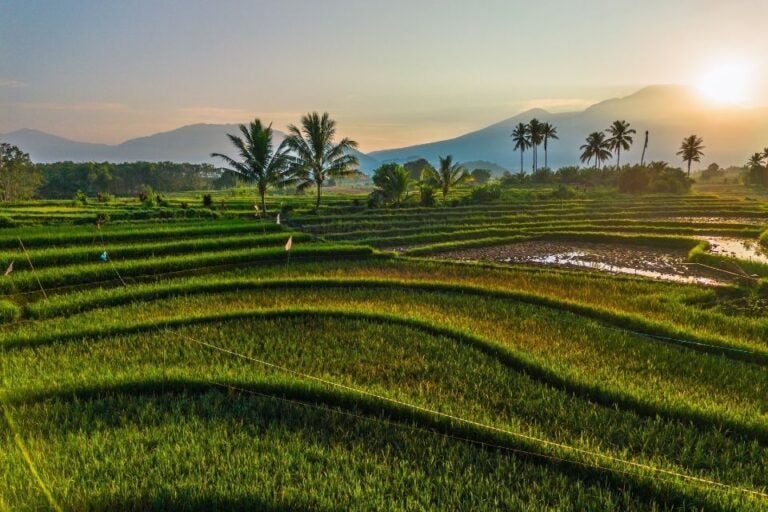
Outside periods of heavy rainfall, the low season can be a good time to explore and hike around the island. The lush conditions can also make Bali’s famous rice terraces particularly scenic.You can explore a monkey forest or take on mountain hikes as long as you pack right for Bali and have suitable clothing and footwear.
How to prepare for a visit during the low season
The rainy season can be just as enjoyable if you prepare for your trip and know what to expect both from the weather and the businesses.
- Be prepared for rain: You may experience heavy showers during your trip, so pack a compact umbrella and a lightweight rain jacket.
- Some activities may be limited: Weather and sea conditions can affect activities such as diving, snorkelling, and surfing, so check conditions and operator updates before heading out.
- Allow some flexibility: Heavy rain can temporarily affect outdoor plans, so keep a few indoor activities or alternative plans in mind.
In short, traveling during the wet season may not always give you perfect beach weather, but the island can be quieter and beautifully green, making it a good time to experience Bali’s natural and cultural attractions.
When are the top festivities in Bali?
Bali has a rich culture and plenty of festivals, which can be a major reason to visit the island. Here are some of the main celebrations you might want to experience during your stay:
- Bali Kites Festival is an annual kite festival traditionally held around July at Padang Galak in the Sanur area. The festival showcases enormous traditional kites and celebrates Balinese culture and community. The 2027 dates have not yet been officially announced.
- Bali Arts Festival is a major annual celebration of Balinese culture featuring traditional music, dance, art performances, workshops, exhibitions, and other cultural activities. Dates vary annually, and the festival traditionally runs for about a month from mid-June to mid-July. The 2027 dates have not yet been officially confirmed.
- Nusa Dua festival is a cultural and entertainment event held in the Nusa Dua area, traditionally around October. Dates and programmes vary by year, and the 2027 dates have not yet been announced.
- Indonesian Independence Day is celebrated on the 17th of August each year. Indonesia commemorates its 1945 proclamation of independence with flag-raising ceremonies, parades, community celebrations, and cultural events. In 2027, Independence Day falls on Tuesday, 17 August.
- Nyepi is the Balinese New Year and Day of Silence, usually observed in March or April. During Nyepi, activity across Bali comes to a standstill for 24 hours, with restrictions on travel, lighting, entertainment, and other activities. If you are visiting Bali at this time, plan ahead and follow local rules. In 2027, Nyepi falls on Thursday, 8 April.
- Galungan is an important Balinese Hindu celebration marking the victory of Dharma over Adharma. It follows the Balinese Pawukon calendar and occurs every 210 days, so its date changes from year to year. Kuningan takes place 10 days after Galungan. In 2027, Galungan falls on 13 January and 11 August, while Kuningan falls on 23 January and 21 August.
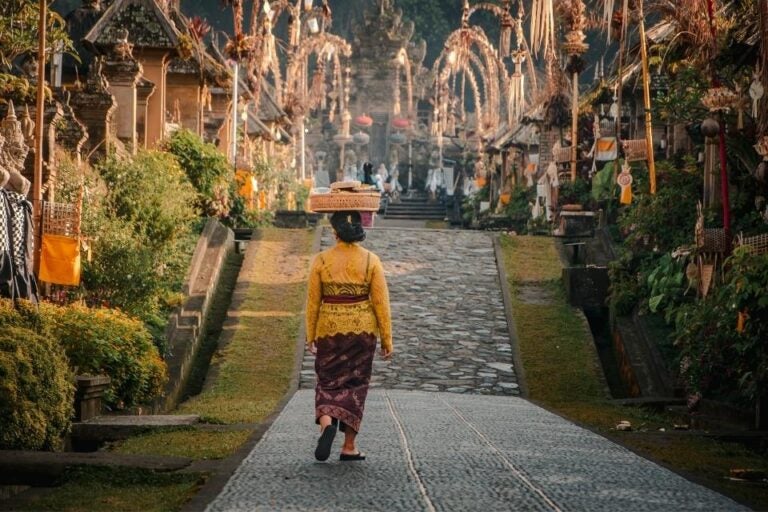
- Odalan is a temple anniversary celebration held at temples across Bali. It can feature elaborate decorations, traditional dances and religious ceremonies. The date varies from temple to temple, generally following the Balinese calendar.
- Ubud food festival is a popular culinary event featuring Indonesian and international food, chefs, cooking demonstrations, talks and special dining experiences. The festival dates vary each year. The 2027 dates have not yet been officially confirmed, although the event is typically held in late May or early June.
When to visit Bali’s popular places and hidden gems
Still not sure when you want to visit or what you want to do when you arrive? Let’s take a look at some of the top things to do in Bali, and when is the best time to be there.
Seminyak
Best time to visit: Dry season, from April to October
Known for its upscale resorts, vibrant nightlife, and trendy beach clubs, Seminyak offers a perfect blend of relaxation and entertainment. The dry season is a popular time to enjoy its beaches, visit spas, explore boutiques, and dine at its many restaurants and beach clubs.
Ubud
Best time to visit: All year round, with the food festival being held in May or June
Ubud is Bali’s cultural hub and a popular destination for art and nature lovers. Immerse yourself in its lush greenery and serene atmosphere as you visit traditional markets, attend local art workshops, and explore the famous Monkey Forest.
If you’re interested in food, you can also time your trip around the annual Ubud Food Festival, which is typically held in late May or early June.

Nusa Dua
Best time to visit: Dry season, from April to October
Nusa Dua is renowned for its white-sand beaches and luxurious resorts. It’s an excellent spot for water sports such as snorkeling, diving, and parasailing, which also means it’s most popular in the dry season. Explore the underwater world at Nusa Dua’s vibrant coral reefs, or simply relax in the crystal-clear waters.
Tanah Lot
Best time to visit: All year round for sightseeing, April to October for staying at the beach.
Perched on a rocky outcrop along the coastline, Tanah Lot is one of Bali’s most iconic and photogenic sites. Visit this ancient sea temple during the low tide and witness a breathtaking sunset backdrop, creating a truly magical experience.

Safety tips
It’s easy to lose consciousness and just get immersed in Bali’s weather, food, culture, and landscapes. However, there are some safety tips you might want to consider for the best Bali experience possible:
- Stay hydrated. The hot and humid weather drains fluids quickly, make sure to drink plenty of water and stay hydrated during your stay.
- Avoid tap water. Drinking untreated tap water isn’t generally recommended for travellers in Bali, so stick to bottled, filtered or otherwise treated water.
- Use sunscreen. Bali’s tropical sun can cause sunburn even when the weather is cloudy or during the wet season, so apply sunscreen regularly.
- Get travel insurance. While no form of insurance is mandatory to enter the island, having travel and health insurance can help you save a lot of stress and money in case of an emergency.
- Keep your valuables close. The busy streets, especially during peak season, make it easier for thieves to target tourists. Keep your valuables close to you at all times, ideally in a zippered bag.
- Have mobile internet. Constant access to mobile internet in Bali prevents you from getting lost on the island, allows you to use translation apps to communicate with the locals, or get a ride home from an official taxi.
Stay connected in paradise
Using an eSIM can be a convenient way to stay connected in Bali. You don’t need to swap out your physical SIM card, and you can set up your plan before or during your trip. All you need is an eSIM-compatible device and internet connection to buy and set up your eSIM within minutes.
Holafly offers some of the best eSIM options for Bali with unlimited data, 24/7 customer support, and mobile apps that make the service super easy to use. The Holafly eSIM for Indonesia provides coverage in the entire country, including Bali, so you’ll never have to worry about losing connection at the worst time.
Every Holafly eSIM also includes Always On, giving you 1 GB of backup data every 30 days so you can stay connected even if you run out of your main data.

Skip the line, get online
Breeze through arrivals with instant connection as your plane lands.
Plans that may interest you


Formerly a travel journalist turned marketing copywriter, I found my way back to the travel world with Holafly—my dream company that made remote work possible. My motto? “Dream big and make it happen.” I’m passionate about writing, exploring the world, and staying active through walking, running, swimming, and hiking. I also love learning, reflecting, and connecting with inspiring minds.


