Language
Norway road trip: Best fjord routes and scenic drives
Plan the ultimate Norway road trip with fjord routes, scenic drives, ferry tips, budgets, and must-see stops across the country.

Some countries are beautiful in a predictable way, but Norway feels almost overwhelming at times because the scenery changes so dramatically from one hour to the next. One moment you are driving beside calm fjords surrounded by waterfalls, and the next you are crossing mountain plateaus that look completely untouched. Roads twist along cliffs, tiny villages sit beside deep blue water, and tunnels suddenly open into landscapes that barely look real in photographs.
That is exactly why Norway has become one of Europe’s most unforgettable road trip destinations.
Unlike many countries where trains or domestic flights make more sense, Norway rewards travelers who choose to drive. Some of the country’s best viewpoints, waterfalls, hiking areas, and remote villages are difficult to appreciate fully without the freedom of a car. Self-driving also allows travelers to stop constantly along the way, which is almost unavoidable because the scenery changes every few kilometers.
A Norway road trip feels different from faster-paced European itineraries because travel itself is part of the experience. Distances may not always seem huge on a map, but mountain roads, ferry crossings, winding fjord routes, and scenic detours naturally slow everything down. Instead of rushing between cities, travelers spend more time enjoying the landscapes in between.
Whether you want to drive through famous fjord regions, explore Arctic islands above the polar circle, or cross dramatic mountain roads between major cities, Norway offers some of the most scenic drives anywhere in the world.
How many days do you need for a Wales road trip?
One of the biggest mistakes travelers make when planning a Norway road trip is underestimating how long the drives actually take. Roads are scenic but slower than expected, ferry crossings add extra travel time, and most travelers stop constantly for viewpoints, waterfalls, and photos.
Because of that, the ideal itinerary depends heavily on how much time travelers can dedicate to the trip.
A 5-to-7-day itinerary works best for travelers focusing on one region, especially the western fjords. This timeframe allows enough flexibility to visit destinations like Bergen, Geirangerfjord, and Flåm without feeling excessively rushed.
A 10-to-14-day road trip creates a much more comfortable pace. Travelers can explore multiple fjord regions, spend more time hiking, include scenic detours, and avoid turning the trip into a constant cycle of long driving days.
For travelers wanting to experience Norway more deeply, a three-week itinerary allows enough time to combine southern fjords with northern regions like the Lofoten Islands. Longer itineraries also help travelers adjust to Norway’s slower travel rhythm, where ferry schedules, weather conditions, and scenic stops naturally shape each day.
Best road trip itineraries in Norway
Norway offers several outstanding road trip routes, but each one creates a very different experience depending on the scenery travelers want to prioritize.
Fjords road trip
The fjords road trip is the classic Norway itinerary and usually the best option for first-time visitors.
Most travelers begin in Bergen, a coastal city surrounded by mountains and fjords. Bergen feels colorful, walkable, and relaxed, while still offering easy access to some of Norway’s most famous scenic drives.
From Bergen, many travelers continue toward Flåm, one of the country’s most popular fjord destinations. Flåm sits at the end of the Aurlandsfjord and attracts visitors with steep mountain scenery, waterfalls, and the famous Flåm Railway.
Further north, Geirangerfjord is one of the highlights of the trip. The fjord is famous for its dramatic cliffs, waterfalls, and narrow winding roads that overlook the water below. Many travelers combine this area with scenic mountain roads like Trollstigen, where sharp hairpin turns and steep mountain scenery create one of Norway’s most iconic drives.
A fjords-focused road trip usually requires around 7 to 10 days for a comfortable pace.
Lofoten Islands road trip
The Lofoten Islands offer a completely different type of road trip experience. Located above the Arctic Circle, the islands combine dramatic mountain peaks, fishing villages, white-sand beaches, and coastal roads that feel almost unreal.
Driving through Lofoten feels slower and quieter than southern Norway because the focus shifts more toward nature, photography, and small villages rather than major tourist cities.
Villages like Reine, Henningsvær, and Svolvær attract travelers with red fishing cabins, Arctic scenery, and access to hiking trails overlooking the ocean.
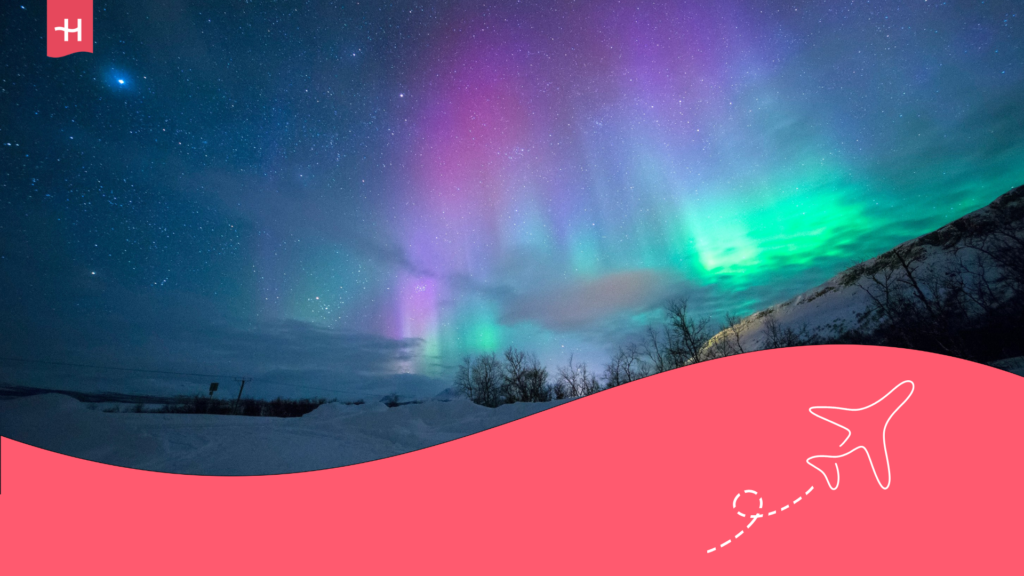
Summer brings the midnight sun, where daylight continues almost all night long, while winter attracts travelers hoping to see the Northern Lights.
Most travelers need around 5 to 7 days to explore Lofoten properly without rushing between islands.
Oslo to Bergen scenic drive
The drive between Oslo and Bergen is one of the country’s most scenic long-distance routes because it crosses mountains, waterfalls, valleys, and remote plateaus.
One of the major highlights along this route is Hardangervidda, Europe’s largest mountain plateau. The scenery here feels completely different from the fjord regions because the landscapes are wide, open, and almost tundra-like in some areas.
Travelers also encounter waterfalls, mountain lakes, tunnels, and winding roads that constantly change the atmosphere of the drive.
Although the direct drive can technically be completed in one day, most travelers spread the route across several days to fully enjoy the scenery and hiking opportunities.
Best places to visit in Norway
Certain destinations appear on almost every Norway road trip itinerary because they capture the country’s scenery so well.
Bergen works as both a scenic fjord gateway and one of Norway’s most charming cities. Travelers usually spend at least two days here exploring the harbor, mountain viewpoints, and nearby fjord regions.
Geirangerfjord remains one of the country’s most famous fjords because of its waterfalls, steep cliffs, and dramatic viewpoints.
Trollstigen attracts drivers with steep hairpin turns and mountain scenery that feels almost cinematic.
The Lofoten Islands offer some of the country’s most photogenic landscapes, while Flåm continues to attract travelers with fjord cruises, waterfalls, and mountain scenery.
Another unforgettable route is the Atlantic Ocean Road, where bridges connect small islands across the Norwegian coastline in one of the country’s most famous scenic drives.
What to know before driving in Norway
Driving in Norway is safe and organized, but travelers should prepare for conditions that differ significantly from driving in many other European countries.
Tolls are extremely common throughout the country, especially near cities, tunnels, bridges, and major highways. Rental cars usually register tolls automatically, with charges added later.
Ferry crossings are a normal part of many road trips, particularly in the fjord regions. Some ferries run frequently, while others operate on more limited schedules.
Weather changes quickly in mountainous areas, even during summer. Fog, rain, and strong winds can affect visibility unexpectedly, especially on high-altitude roads.
Travelers driving electric vehicles will notice that Norway has one of the world’s best EV charging networks, making electric road trips surprisingly practical.
Tunnel driving is also far more common than many visitors expect because Norway relies heavily on tunnels to connect remote regions through mountains and beneath fjords.
Unlike the UK and Ireland, Norway drives on the right-hand side of the road. Most international travelers can drive using their home licenses, although some nationalities may also need an International Driving Permit.
How expensive is a Norway road trip?
Norway is one of Europe’s most expensive road trip destinations, and travelers notice this immediately when paying for fuel, accommodation, and food.
Fuel prices remain high compared to much of Europe, especially in remote regions. Accommodation costs also increase significantly during summer, particularly in fjord areas and the Lofoten Islands.
Restaurants are expensive, which is why many travelers reduce costs by shopping at supermarkets and cooking meals in campervans or cabins.
Ferry crossings, tolls, and parking fees also add to the budget throughout the trip.
For travelers using campervans, daily rental costs generally increase during peak season, but campervan travel can still reduce accommodation expenses overall.
One of the easiest ways to save money is traveling during shoulder seasons like late spring or early autumn, when accommodation prices drop and tourist crowds are smaller.
Best time for a Norway road trip
Summer, especially between June and August, is the best season for Norway road trips because roads are fully open, ferry schedules are more frequent, and daylight hours stretch late into the evening.
Northern Norway are especially unique during summer because of the midnight sun, where daylight continues throughout the night above the Arctic Circle.
Winter road trips are still possible, but snow, ice, and limited daylight make driving much more challenging, particularly in mountainous regions.
Spring and autumn offer quieter roads, lower prices, and beautiful scenery, although travelers should prepare for more unpredictable weather conditions.

Is Norway Europe’s most scenic road trip destination?
Norway is one of those rare places where travelers stop constantly, not because they planned to, but because the scenery keeps demanding attention. Waterfalls appear beside highways unexpectedly, mountain roads reveal massive fjords below, and even short drives between towns often feel unforgettable.
What makes Norway so special is not only the beauty itself, but the feeling of freedom that comes with exploring it by car. Travelers can slow down, follow scenic detours, stop in tiny villages, and spend entire days simply moving through landscapes that feel larger and more dramatic than almost anywhere else in Europe.
For many travelers, the best memories from Norway are not tied to a single attraction, but to the feeling of driving through scenery that somehow keeps becoming more impressive around every turn.
Plans that may interest you

English Copywriter at Holafly, I'm committed to sharing tips that will make your travel experiences memorable. Over the years as a writer and strategist, I've managed teams across multiple industries - SaaS, tech, real estate, and personal brands. I wrote my first book as a child and have been writing ever since, cooking and reading are a few ways I explore my world.