







 Language
Ireland road trip: Best itineraries, scenic drives, and travel tips
Discover the best Ireland road trip routes, scenic coastal drives, and must-see stops for an unforgettable adventure.

There are some destinations that almost feel designed for road trips, and Ireland is one of them. The country is compact enough that travelers never spend endless days driving between destinations, but at the same time, the scenery changes constantly. One hour you are walking through a lively city filled with music and pubs, and the next you are driving along quiet coastal roads where sheep outnumber cars and the Atlantic Ocean stretches endlessly beside dramatic cliffs.
That balance is exactly what makes Ireland such a rewarding road trip destination, especially for travelers planning their first driving adventure in Europe.
Unlike larger European countries where distances can feel overwhelming, Ireland feels manageable. You can see historic cities, fishing villages, green countryside, castles, beaches, mountains, and famous coastal routes all within a relatively short amount of time. The roads naturally encourage slower travel, and honestly, that slower pace is part of the experience. Ireland is not a destination that works well when rushed.
Many travelers arrive expecting beautiful scenery, and Ireland absolutely delivers that, but what surprises people most is the atmosphere. Small pubs with live traditional music, conversations with locals in tiny villages, narrow roads winding past stone walls, and sudden viewpoints that make you stop the car for photos all become part of the trip very quickly.
Road trips also give travelers flexibility that public transportation simply cannot provide. Some of Ireland’s most memorable places are not major cities at all. They are hidden coastal villages, scenic lookouts, remote beaches, and countryside roads that buses rarely reach comfortably.
Most travelers spend between 7 and 14 days exploring Ireland by car, although shorter itineraries still work well if you focus on one region. Whether you want dramatic Atlantic coastlines, historic castles, colorful towns, or scenic mountain drives, Ireland makes it surprisingly easy to combine all of those experiences into one unforgettable journey.
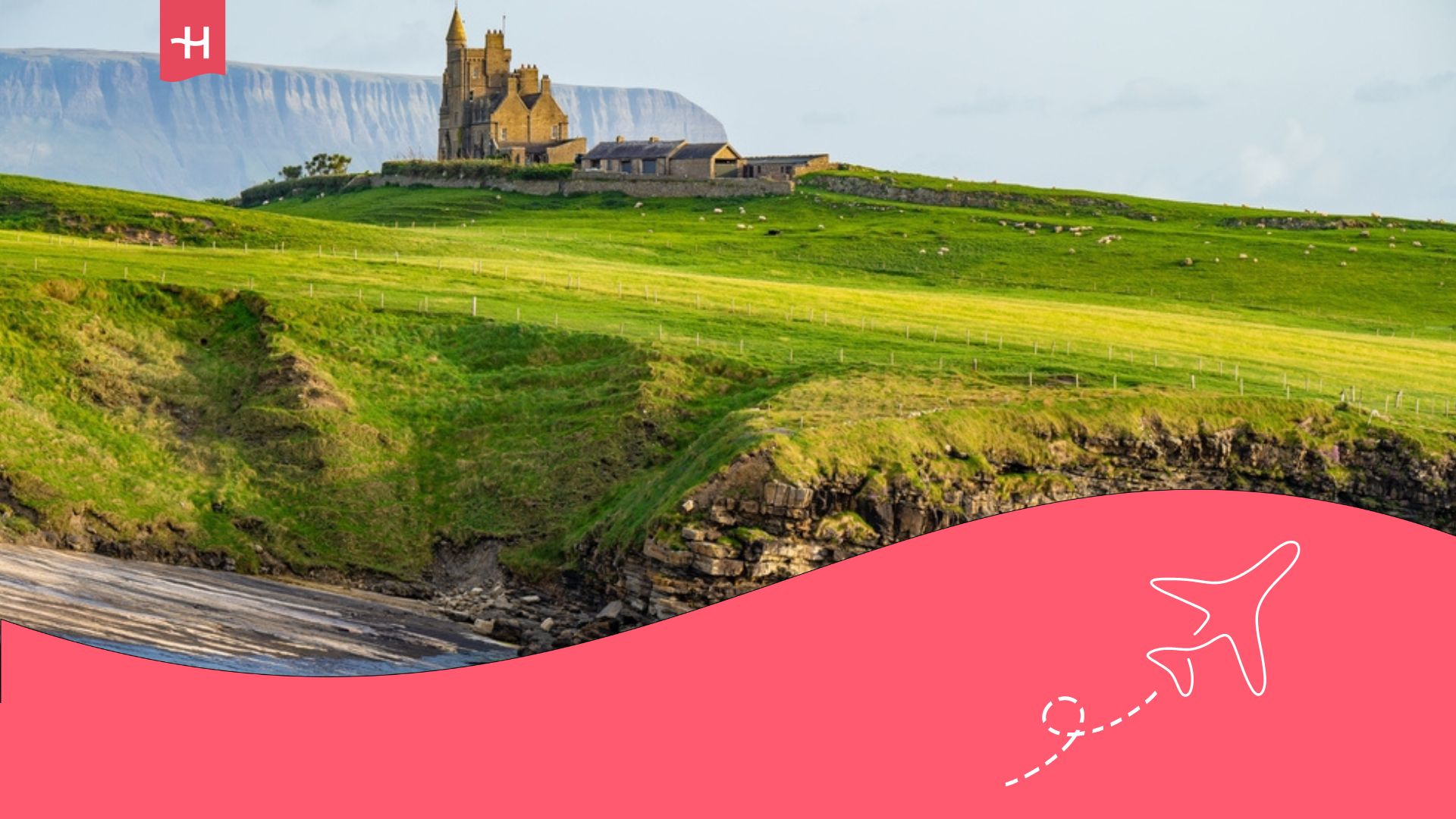
Best road trip routes in Ireland
One of the biggest challenges when planning an Ireland road trip is deciding which route to prioritize because the country offers several excellent driving itineraries, each with a completely different atmosphere.
Some travelers focus on coastal scenery, while others prefer historic towns, mountain landscapes, or Northern Ireland’s rugged coastline. Fortunately, even shorter trips can include multiple regions without requiring exhausting driving days.
Wild Atlantic Way
The Wild Atlantic Way is Ireland’s most famous road trip route and easily one of the most scenic coastal drives in Europe.
Stretching along Ireland’s western coastline, this route passes through dramatic cliffs, beaches, fishing villages, mountains, and small towns where life still feels slower and deeply connected to local traditions.
Many travelers begin this section of the trip in Galway, a lively city known for traditional music, colorful streets, and strong arts scene. Galway works especially well as a base because it balances city convenience with quick access to nearby coastal scenery.
Further south, the famous Cliffs of Moher is one of the biggest highlights of the route. Rising dramatically above the Atlantic Ocean, the cliffs stretch for several kilometers and create some of the most recognizable scenery in Ireland.
From Galway to the Cliffs of Moher, travelers usually drive around 2.5 hours depending on stops and traffic, although many people spend the entire day exploring nearby villages and scenic viewpoints along the way.
Another unforgettable section of the Wild Atlantic Way is the Dingle Peninsula. The roads here curve through mountains and coastline while passing beaches, stone cottages, and tiny villages where Irish traditions remain strong.
Driving the full Dingle Peninsula loop comfortably takes most travelers an entire day because the route includes constant scenic stops, walking trails, and viewpoints overlooking the Atlantic.
The Wild Atlantic Way works best for travelers who enjoy flexibility because some of the route’s best moments happen unexpectedly. A random beach, a roadside café, or a tiny village pub with live music often becomes just as memorable as the famous landmarks themselves.
Dublin to Cork road trip
Travelers wanting a mix of cities, countryside, and historic landmarks often choose the route between Dublin and Cork.
This route feels slightly more structured than the Wild Atlantic Way because it combines major cities with historic inland stops that are easy to reach.
Most travelers leave Dublin and head toward Kilkenny, one of Ireland’s most charming medieval towns. The drive takes roughly 1.5 to 2 hours depending on traffic leaving Dublin.
Kilkenny is known for its narrow streets, historic buildings, local pubs, and the impressive Kilkenny Castle, which sits beside landscaped gardens near the city center.
Further south, many travelers stop at the Rock of Cashel, one of Ireland’s most important historic sites. The medieval ruins sitting dramatically on a limestone hill is one of the country’s most photographed landmarks.
From Kilkenny to the Rock of Cashel, the drive usually takes about one hour, while the final drive into Cork takes another 1.5 hours.
Cork itself feels more relaxed than Dublin but still lively enough to offer excellent restaurants, markets, and nightlife. Many travelers also use Cork as a gateway for exploring southern coastal areas nearby
Northern Ireland coastal route
The northern section of the island offers a noticeably different atmosphere, combining dramatic coastlines with fascinating political history and rugged scenery.
Most travelers begin this route in Belfast, a city that has transformed significantly over the last two decades. Belfast now combines modern restaurants, museums, nightlife, and historic neighborhoods with visible reminders of its complicated past.
One of the biggest highlights nearby is the Causeway Coastal Route, widely considered one of the most beautiful drives in the UK and Ireland.
The route eventually leads toward the famous Giant’s Causeway, a unique geological formation made up of thousands of basalt columns formed by ancient volcanic activity.
The drive from Belfast to Giant’s Causeway usually takes around 2.5 to 3 hours without extended stops, but most travelers spread the journey across an entire day because the coastline contains numerous viewpoints, beaches, castles, and walking trails.
Northern Ireland’s coastline feels slightly wilder and less tourist-heavy than parts of the Republic of Ireland, which many travelers find especially appealing.
Best stops on a road trip in Ireland
Certain destinations appear on almost every Ireland itinerary for good reason because they combine scenery, culture, and atmosphere extremely well.
Dublin deserves at least two or three days for first-time visitors. Travelers usually spend time exploring Trinity College, Temple Bar, local museums, historic streets, and traditional pubs with live Irish music.
Galway feels younger and more artistic. Street performers, colorful shopfronts, and traditional music sessions create an atmosphere that many travelers immediately fall in love with. One or two days usually works well here.
Killarney is often used as a base for exploring nearby national parks and scenic drives like the Ring of Kerry. Travelers typically spend several days here because the surrounding nature is spectacular.
Dingle offers one of the most authentic small-town atmospheres in Ireland. Travelers come here for seafood, music, coastal scenery, and slower-paced travel experiences.
Cork combines local markets, food culture, and historic streets with easy access to southern coastal areas.
And of course, the Cliffs of Moher remain one of Ireland’s most unforgettable natural landmarks. Most travelers spend several hours here walking the cliff paths and enjoying the Atlantic views.
What to know before driving in Ireland
Driving in Ireland feels very manageable overall, but there are a few things first-time visitors should prepare for before picking up a rental car.
The biggest adjustment for many travelers is driving on the left-hand side of the road. Most people adapt surprisingly quickly, although narrow rural roads require extra concentration during the first couple of days.
Outside major cities, many Irish roads are extremely narrow, particularly in countryside and coastal regions. It is common to encounter stone walls, sharp curves, tractors, sheep crossings, and roads barely wide enough for two cars.
Driving slowly is completely normal in these areas.
Manual transmission cars are also far more common in Ireland than automatic vehicles. Travelers who prefer automatic cars should reserve them early because availability is limited and prices are higher.
Petrol stations are less frequent in remote regions, especially along parts of the Wild Atlantic Way, so filling up regularly is important.
Parking in larger cities such as Dublin, Galway, and Cork are expensive or limited, which is why many travelers stay slightly outside city centers when driving.
Some toll roads exist around Dublin and major highways, although toll costs are generally manageable compared to other European countries.
Car rental insurance also deserves careful attention because rural roads, stone walls, and tight parking spaces increase the risk of small scratches or damage during the trip.
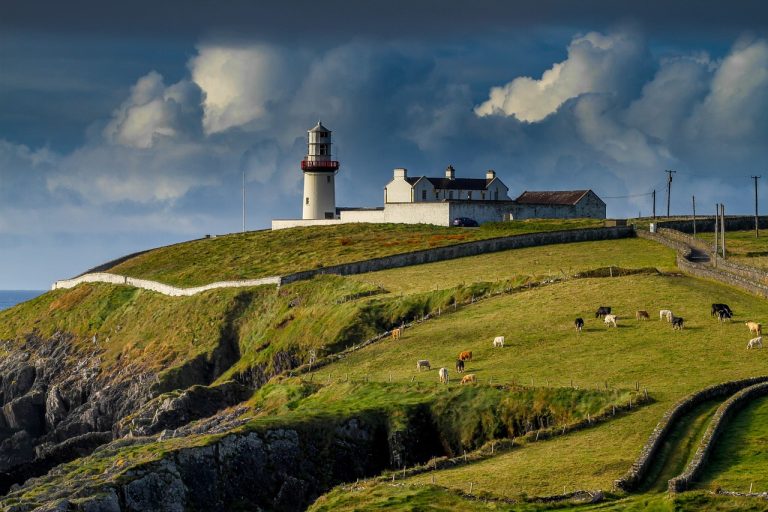
Best time for a road trip in Ireland
Ireland’s scenery looks beautiful year-round, but weather conditions dramatically affect the road trip experience.
Summer, particularly between June and August, offers the warmest temperatures and longest daylight hours. This makes sightseeing easier because travelers can continue exploring well into the evening.
However, summer also brings larger crowds and higher accommodation prices, especially along popular coastal routes.
Spring and early autumn are often ideal for road trips because the weather is relatively mild and tourist crowds smaller. September is especially popular because landscapes still look green and vibrant while roads feel less crowded.
Rain is part of the Ireland experience regardless of season. Some travelers arrive expecting constant storms, but in reality, Irish weather changes very quickly. Sunshine, clouds, and rain often appear within the same afternoon.
Packing waterproof layers and comfortable clothing makes a huge difference during the trip.
Budget guide for a road trip in Ireland
Ireland is not the cheapest road trip destination in Europe, especially during summer, but costs remain manageable with some planning.
Rental cars generally cost between $50 to 120 (€40 to 100) per day depending on season, vehicle type, and insurance coverage. Automatic cars cost noticeably more than manual vehicles.
Accommodation prices vary heavily by location and season. Budget travelers staying in hostels or guesthouses may spend around $90 to 150 (€70 to 120) per night, while mid-range hotels often range between $170 to 270 (€150 to 250) during peak summer months.
Fuel prices in Ireland are relatively high compared to the US, so travelers should expect to budget carefully for longer drives.
Food costs depend heavily on travel style. Traditional pub meals, seafood restaurants, cafés, and grocery stores all vary significantly in price, although many travelers spend roughly $50 to 90 (€30 to 70) daily on food.
Booking accommodations early becomes extremely important during summer because smaller coastal towns fill up quickly.

Is Ireland worth exploring by road?
Some destinations are enjoyable to visit, but Ireland feels different because the journey itself is just as memorable as the places you planned to see.
The flexibility of having a car allows travelers to pull over at random viewpoints, stop in villages they had never heard of before, and spend extra time in places that unexpectedly feel special.
Many of the best moments during an Ireland road trip are not major tourist attractions at all. They are quiet coastal roads after the rain clears, conversations with locals inside tiny pubs, unexpected castle ruins beside the highway, or evenings spent watching the Atlantic Ocean from a small village café.
Ireland rewards travelers who slow down, stay flexible, and leave room for spontaneity. That is exactly why exploring the country by road feels less like following an itinerary and more like discovering the country naturally, one small stop at a time.
Plans that may interest you


English Copywriter at Holafly, I'm committed to sharing tips that will make your travel experiences memorable. Over the years as a writer and strategist, I've managed teams across multiple industries - SaaS, tech, real estate, and personal brands. I wrote my first book as a child and have been writing ever since, cooking and reading are a few ways I explore my world.

