


 Language

Argentina Christmas traditions: How Argentinians celebrate Christmas
Discover Argentina Christmas traditions, from Nochebuena and festive food to key dates, family customs, and tips for celebrating Christmas in Argentina.
Christmas in Argentina is a summer celebration centered around family, food, and late-night festivities. Christmas Eve is the main event, when families gather for a festive dinner, exchange gifts, and celebrate together at midnight.
From Nochebuena and traditional Christmas dishes to festive decorations and Three Kings Day, Argentina’s Christmas traditions offer a different take on the holiday season. Here’s what you should know about the key dates, customs, and what to expect if you’re visiting in December.

An eSIM you can rely on
Join over 10 million Holafly customers and get connected with our trusted, global services.
TL;DR: How do Argentinians celebrate Christmas?
Argentinians celebrate Christmas with family dinners, midnight toasts, gift exchanges, and festive gatherings that often continue late into the night. Here’s a quick overview of the most important Argentine Christmas traditions.
| Tradition | What to expect |
|---|---|
| Christmas season | Celebrations begin in early December and continue until January 6 |
| Nochebuena | The main family celebration takes place on December 24 |
| Midnight toast | Families welcome Christmas Day with drinks, hugs, and gifts |
| Christmas decorations | Trees and nativity scenes are traditionally set up on December 8 |
| Christmas food | Vitel toné, asado, ensalada rusa, pan dulce, and turrón are common favorites |
| Día de Reyes | Children receive gifts from the Three Kings on January 6 |
Christmas in Argentina: A summer holiday
Christmas in Argentina falls during the Southern Hemisphere’s summer, when temperatures in Buenos Aires often reach around 30°C (86°F). Instead of snow and fireplaces, you’ll find families celebrating outdoors, enjoying barbecues, and gathering on patios or in gardens.
The warm weather also influences Christmas food. Cold dishes, salads, and chilled desserts are common, alongside traditional roasted meats. Since Christmas coincides with the beginning of summer vacations, many Argentinians also head to the coast or other holiday destinations after the celebrations.
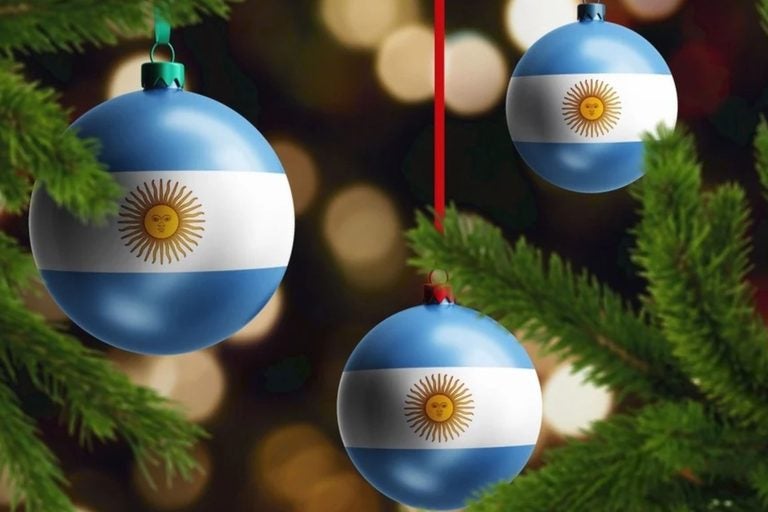
When is Christmas celebrated in Argentina? Key dates
Christmas celebrations typically begin on December 8, when many families decorate their Christmas trees and set up nativity scenes. The season continues through New Year’s celebrations and ends with Día de Reyes (Three Kings Day) on January 6.
Here’s the Christmas in Argentina calendar for 2026–2027:
| Date | Celebration | What happens |
|---|---|---|
| December 7, 2026 | Tourism-related non-working day | An additional non-working day before the December 8 holiday |
| December 8, 2026 | Immaculate Conception | Families put up Christmas trees and nativity scenes. National holiday |
| December 24, 2026 | Nochebuena (Christmas Eve) | Family dinners, midnight toasts, and gift exchanges. Not a national holiday |
| December 25, 2026 | Christmas Day | Relaxing, visiting relatives, and enjoying leftovers. National holiday |
| December 31, 2026 | New Year’s Eve | Family dinners and celebrations at midnight. Not a national holiday |
| January 1, 2027 | New Year’s Day | Celebrations and rest. National holiday |
| January 5–6, 2027 | Three Kings Eve and Día de Reyes | Children leave shoes out and receive gifts on January 6. Not national holidays |
Nochebuena: Christmas Eve traditions in Argentina
Nochebuena, or Christmas Eve, is the heart of Christmas celebrations in Argentina. Families usually gather on December 24 for a late dinner, often starting around 9 or 10 PM, with relatives bringing different dishes to share.
Some families also attend Misa de Gallo (Christmas Mass), although the evening is primarily centered around spending time together. As midnight approaches, everyone prepares for the traditional Christmas toast, or brindis. Families raise glasses, wish each other Feliz Navidad (Merry Christmas), and exchange hugs.
Children often open presents from Papá Noel (Santa Claus) shortly after midnight. In some families, adults exchange gifts too, occasionally through a Secret Santa-style game known as amigo invisible.
Argentine Christmas traditions you should know
Beyond Nochebuena, several Argentine Christmas traditions reflect the country’s Catholic heritage, European influences, and summer lifestyle.
Putting up the tree and the pesebre on December 8
December 8, the Feast of the Immaculate Conception, is the traditional day for decorating Christmas trees in Argentina. Many homes also display a pesebre, or nativity scene, representing the birth of Jesus.
If you’re visiting Argentina in December, you’ll see Christmas trees and decorations everywhere. Despite the summer heat, traditional winter-themed decorations remain popular.
Fireworks and globos at midnight
Fireworks have historically been part of Argentine Christmas celebrations, particularly when the clock strikes midnight on December 24. Some families also released globos de papel, or paper sky lanterns, as symbols of wishes and good fortune.
However, these traditions have become increasingly restricted because of safety, environmental, and noise concerns. Several jurisdictions prohibit loud fireworks, sky lanterns, or both. If you’re visiting, check local regulations rather than assuming these activities are permitted.
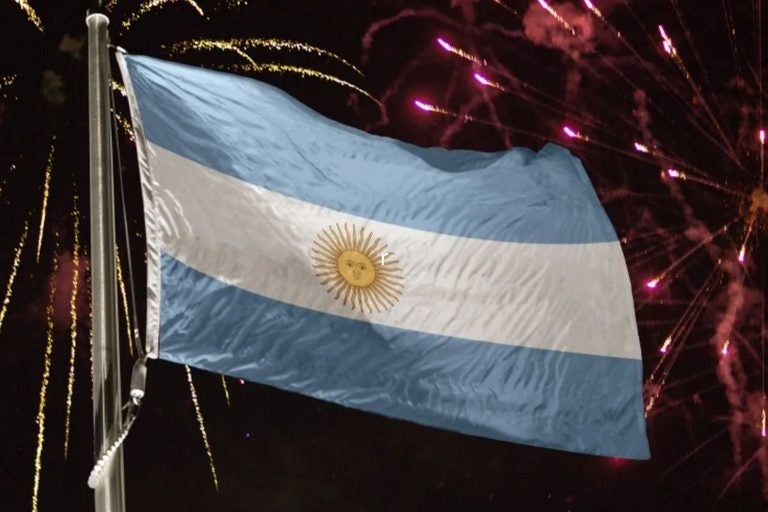
A quiet Christmas Day
After the excitement of Nochebuena, December 25 is usually much quieter. Many Argentinians sleep late, enjoy leftovers from the previous evening, or spend time relaxing with family.
Since Christmas Day is a national holiday, many shops, offices, and restaurants close. If you’re staying in a city, plan meals and transportation ahead rather than expecting everything to operate normally.
Argentina Christmas food: What Argentinians eat at Christmas
Food is a major part of Argentine Christmas traditions. Despite the summer heat, holiday tables feature a combination of roasted meats, cold dishes, and sweets influenced by Italian and Spanish cuisine.
Some of the most popular Argentina Christmas foods include:
- Vitel toné: Thinly sliced veal served cold with a creamy tuna, anchovy, and mayonnaise-based sauce. It’s one of Argentina’s signature Christmas dishes.
- Asado: Argentine barbecue featuring grilled beef, sausages, and other meats, especially popular at outdoor family gatherings.
- Ensalada rusa: A cold potato salad made with carrots, peas, and mayonnaise, commonly served alongside meat dishes.
- Matambre arrollado: Rolled, stuffed beef, often filled with vegetables and hard-boiled eggs, sliced and served cold.
- Pionono: A rolled sponge cake with savory fillings such as ham, cheese, tuna, or vegetables.
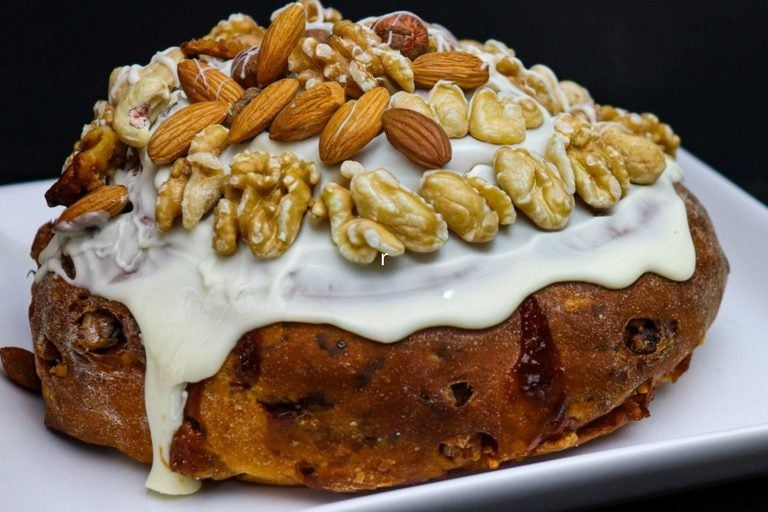
- Pan dulce: Sweet, Italian-style Christmas bread containing dried fruit, nuts, or chocolate.
- Turrón: A nougat confection made with ingredients such as almonds, sugar, and honey, reflecting Spanish culinary influences.
If you’re visiting Argentina during Christmas, bakeries and supermarkets are excellent places to find pan dulce, turrón, and other seasonal treats. For traditional savory dishes such as vitel toné, look for restaurants offering special Christmas menus.
Día de Reyes: How Argentina ends the Christmas season
The Christmas season traditionally concludes with Día de Reyes, or Three Kings Day, on January 6. This Christian celebration commemorates the visit of the Three Wise Men to baby Jesus.
On the evening of January 5, children often leave their shoes near a door, window, or Christmas tree, along with grass and water for the Three Kings’ camels. When they wake up on January 6, they may find small gifts or sweets waiting beside their shoes.
Some families also enjoy rosca de Reyes, a ring-shaped sweet bread traditionally associated with the occasion. Although January 6 isn’t a national holiday, it remains an important family tradition.
Tips for spending Christmas in Argentina
Christmas in Argentina can be a memorable experience, but the holiday season affects business hours, transportation, and accommodation availability. Before traveling, it’s also worth comparing internet options in Argentina so you can stay connected throughout your trip.
Here are some practical tips:
- Book Christmas Eve dinner early: Many restaurants close on December 24, while others offer special Nochebuena menus that require reservations.
- Prepare for holiday closures: Shops often close early on Christmas Eve, and many businesses remain closed on December 25.
- Pack for summer weather: Bring lightweight clothing, sunscreen, and comfortable shoes. Buenos Aires can be hot and humid, while Patagonia’s weather is more variable.
- Book domestic travel in advance: Flights, long-distance buses, and accommodations can fill up as Argentinians begin their summer vacations, especially in coastal destinations and Patagonia.
- Stay connected: Mobile data helps you navigate cities, check transport schedules, and contact accommodations. You can choose a Holafly eSIM for Argentina or explore Argentina SIM card options if you prefer a physical SIM.
Where to experience Christmas in Argentina
Whether you prefer city celebrations or a relaxing summer holiday, these destinations offer different ways to enjoy Christmas in Argentina. The country is also worth considering among the best places to visit in December if you’re looking for a warm-weather holiday.
- Buenos Aires: Explore Christmas decorations, seasonal shopping areas, and historic churches offering Christmas services. The city’s restaurants and nightlife also make it a good choice for a festive Christmas Eve.
- Mar del Plata: Enjoy a summer Christmas by the Atlantic coast, with beaches, seafood restaurants, and a lively atmosphere as the holiday season begins.
- Bariloche: Experience Christmas surrounded by lakes and mountains in Patagonia. The city’s alpine-style architecture, chocolate shops, and festive decorations create a distinctive holiday setting.
- Mendoza: Celebrate Christmas in Argentina’s wine country, where you can enjoy summer weather, regional cuisine, and vineyard experiences. Check winery and restaurant schedules for holiday closures.
If you’re extending your Christmas holiday beyond Argentina to other South American countries, a Latin America eSIM can help you stay connected across multiple destinations without switching data plans.
Stay connected in Argentina at Christmas with Holafly
Mobile data can make or break your trip, especially when you’re getting around during the busy holiday season. Install a Holafly eSIM for Argentina before you leave and connect as soon as you land, with unlimited data, speeds up to 5G, and 24/7 customer support.
When your trip ends, keep the eSIM on your phone. Holafly eSIMs are reusable, so next time you only need to add a new plan. Until then, Always On, 1 GB of monthly backup data at no extra cost, keeps you connected if your travel plans change.
Travel often or stay for months at a time? Holafly Plans gives you monthly global data, and the Ultra Plan bundles extra travel perks on top of unlimited data in one plan.

Get an unlimited data eSIM
Use code MYESIMNOW5 for 5% off at checkout
Plans that may interest you


哈囉我是來自台灣的 Wen,平常最喜歡旅遊,也喜歡將旅遊的種種化成文字跟大家分享,希望大家能在我的文章中找到有用的資訊,加上 Holafly 的 eSIM,讓你的旅程更美好!✈️✈️✈️ Hi! I'm Wen, a passionate content writer and travel enthusiast from Taiwan. I transform my wanderlust adventures into engaging stories and practical guides, helping fellow travelers make the most of their journeys.Through my articles, I strive to provide travel tips while introducing how our eSIM technology can enhance your travel experience - keeping you connected wherever your adventures take you!

