Language
How to start a business in Bulgaria: Requirements and steps
Starting a company in Bulgaria: legal requirements, minimum share capital, and tax benefits. Everything you need to know is here.

One number in Bulgaria explains almost everything, and that’s the famous 10%. That’s the flat Corporation Tax rate. The same percentage applies to Personal Income Tax. There are no tax brackets or progressive rates, and no unexpected surprises at year-end. Therefore, for someone accustomed to the tax pressure in Spain, France, or Germany, Bulgaria’s proposal attracts attention immediately.
However, opening a company in Bulgaria goes beyond tax appeal. The country has belonged to the European Union since 2007, guaranteeing access to the European market, legal certainty, and a legal framework aligned with European directives.
Additionally, operating costs remain among the lowest in Europe, and company incorporation stays comparatively fast and straightforward for foreigners. Consequently, Bulgaria becomes an attractive option for digital entrepreneurs, nomads, and companies seeking a European base with a low tax burden.
This guide explains everything you should know before taking the next step. From costs, company structures, and taxes to requirements and the full step-by-step process.
How Much Does It Cost to Open a Company in Bulgaria?
One of the first arguments appearing when discussing Bulgaria as a business destination involves the low entry cost. And the figures confirm it. The minimum share capital for incorporating a limited company (OOD or EOOD) equals 2 Bulgarian leva, approximately €1 ($1.17). This remains the lowest threshold across the entire European Union for a limited liability company.
However, share capital isn’t the only expense. You must also include the following expenses within your initial budget:
1. Registration Fees Before the Bulgarian Registry Agency
Registering the company before Bulgarian authorities involves low administrative costs. Exact fees vary according to the company type and filing method, although they remain among the lowest within the EU.
2. Legal or Consultancy Fees
Because the process involves Bulgarian-language documentation and signatures before a local notary, most foreigners work with a specialist law firm. The complete registration cost through these intermediaries usually ranges between €250-300 ($293-351) for a standard OOD or EOOD. If the procedure is done remotely through a notarized power of attorney, an additional cost of approximately €160 ($187). is added.
3. Registered Office Address
Your company requires a registered address in Bulgaria. If you don’t own office space, you may hire a shared address for approximately €200 ($234) yearly. If you prefer an exclusive address, costs increase to around €500 ($586) yearly.
4. Monthly Accounting
Bulgarian limited companies must maintain accounting records. The monthly cost of a local accountant varies according to operational volume, although prices may start from approximately €100-150 ($117-$176) monthly for low-activity companies.
5. Share Capital
Although the legal minimum remains symbolic (€1/$1.17), if the capital exceeds 2 BGN, at least 70% must be deposited before completing registration. In practice, many entrepreneurs choose slightly higher capital for improving credibility with clients and banks.
Overall, startup costs for an OOD or EOOD handled through a local firm typically range from €500 ($586) to €900 ($1,054), including registration, the registered office, and initial accounting procedures. This figure remains significantly lower than in other European destinations popular with international entrepreneurs.

Which Types of Companies Can You Open in Bulgaria?
Bulgaria offers several legal structures. Choosing correctly from the beginning saves time, money, and future complications. These remain the most relevant options for foreigners:
1. EOOD (Ednolichno Druzhestvo s Ogranichena Otgovornost)
The single-member limited liability company. One shareholder, with liability limited to the contributed capital. This structure remains the most popular among freelancers, consultants, software developers, content creators, and digital nomads wanting to operate through their own legal entity without depending on partners.
The shareholder may be a foreign natural or legal person. No residency requirements apply to shareholders, although you should pay attention to the director’s tax residency if you want the company taxed effectively in Bulgaria.
2. OOD (Druzhestvo s Ogranichena Otgovornost)
The version with two or more shareholders. It operates identically to the EOOD regarding limited liability and taxation, although it allows ownership distribution between several shareholders. This remains the most common structure among SMEs and projects involving multiple co-founders.
The minimum capital equals 2 BGN (€1.02/$1.19), with at least 1 BGN (€0.51/$0.59) per shareholder. Shareholder details don’t remain publicly accessible, adding a level of privacy unavailable in every European country.
3. AD (Aktsionerno Druzhestvo)
The Bulgarian public limited company. The minimum share capital equals 50,000 BGN, approximately €25,500 ($29,877), of which at least 25% must be paid during incorporation.
This company type suits larger projects, businesses planning to attract external investment, or companies intending to list publicly. It requires a more complex governance structure with a shareholders’ meeting and board of directors. Additionally, it remains subject to mandatory annual audits.
4. Foreign company branch
If you already own a company incorporated abroad and want a presence in Bulgaria, you may register a branch. It doesn’t represent an independent legal entity because it depends on the parent company and operates on its behalf.
The parent company remains subject to Bulgarian Corporation Tax only on profits generated through the branch’s activity within Bulgaria.
5. Trade Representation Office (TRO)
The lightest structure available. Any foreign natural or legal person authorised for commercial activity in their home country may register a TRO before the Bulgarian Chamber of Commerce and Industry.
Important: The TRO can’t perform direct commercial activities or issue invoices. Its function remains limited to activities including promotion, exhibitions, demonstrations, or advertising. If it starts performing genuine commercial operations, authorities may classify it as a permanent establishment subject to Bulgarian Corporation Tax.
6. Sole Trader (ET)
The equivalent of self-employment. No liability limits apply, meaning the owner’s personal assets remain liable for business debts.
Administration remains simpler, although protection stays lower. This doesn’t remain the usual option for foreigners establishing themselves in Bulgaria for tax optimisation purposes.
What Are the Requirements for Opening a Company in Bulgaria?
Bulgarian legislation treats foreign investors under the same conditions as local entrepreneurs. This means no nationality restrictions apply for becoming a shareholder or partner of a Bulgarian company. However, you should understand several practical requirements before beginning the process.
1. BULSTAT Number
This represents the company’s tax identification number in Bulgaria. Authorities assign it automatically when registering the company before the Registry Agency. Without this number, the business can’t operate fiscally within the country.
2. Registered Office in Bulgaria
The company must hold an official address within Bulgarian territory. As we already explained, this may include private offices, coworking spaces, or a virtual address hired through a consultancy or local law firm. However, remember that this address appears within the Commercial Register and receives every official notification.
3. Director or Manager
Every Bulgarian limited company must appoint a director. No obligation requires Bulgarian residency or EU citizenship. The foreign shareholder may also act as director. However, if you want the company taxed effectively in Bulgaria rather than your home country, the effective management of the business must remain in Bulgaria.
This point remains critical and causes serious tax consequences for many entrepreneurs making mistakes.
4. Opening a Business Bank Account
Opening a bank account in Bulgaria remains necessary for depositing share capital and managing operations. The process may involve more bureaucracy than in other European countries, and some banks require the director’s physical presence.
In certain situations, local law firms may manage the account opening through a power of attorney, although this doesn’t remain guaranteed. Therefore, researching the available options before starting incorporation becomes advisable.
5. Documentation for Foreigners
If the process is done remotely, the foreign partner or director must grant a notarized and apostilled power of attorney in favor of the Bulgarian firm handling the registration. This requires visiting a notary in the home country, obtaining the apostille, and sending the document to Bulgaria.
As you may expect, this creates additional expenses. Legalisation costs vary according to the country and notary involved.
6. Visa and Residency for Non-EU Citizens
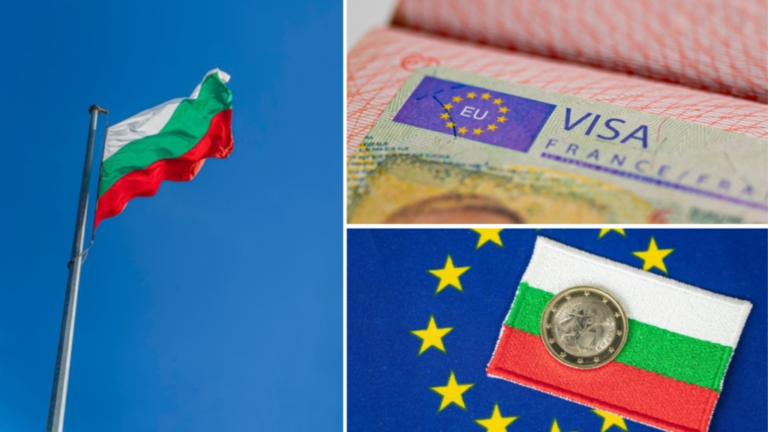
European Union citizens may settle and create companies in Bulgaria without requiring visas. Citizens from non-EU countries must obtain the appropriate visa type for residing and operating legally within Bulgaria.
If the goal involves transferring tax residency to Bulgaria, remaining more than 183 days yearly within the country becomes the main criterion for Bulgarian tax residency status.
Which Taxes Must You Pay When Opening a Company in Bulgaria?
Bulgaria holds the European Union’s lowest corporate tax system, and understanding how it works in detail remains essential for determining whether it genuinely suits your situation.
1. Corporation Tax
Flat 10% rate on taxable profits. No tax bands and no progressive taxation. The same rate applies equally to large and small businesses, both local and foreign. Bulgarian resident companies pay tax on worldwide profits. Non-resident businesses with a permanent establishment in Bulgaria pay tax only on profits generated within Bulgaria.
Here comes the detail many people overlook: For your Bulgarian company to pay the 10% rate in Bulgaria instead of your home country, the business’s effective management must remain in Bulgaria. If your country’s tax authority proves that decisions happen there, the company may become tax resident in your home country and face local Corporation Tax obligations.
This point becomes especially relevant for European entrepreneurs because the Tax Agency monitors foreign company relocations closely.
2. VAT
The standard VAT rate equals 20%. A reduced 9% rate applies to hospitality, restaurants, and property rentals. Exports and intra-community B2B operations between companies registered in the VIES system remain VAT exempt.
Businesses with annual turnover exceeding 50,000 BGN, approximately €25,600 ($29,994), must register for VAT. Below this threshold, registration remains voluntary.
3. Dividend Tax
Dividends distributed by a Bulgarian company to shareholders face a 5% tax rate. If the receiving shareholder represents a company resident in another EU member state, withholding may decrease to 0% under the European Parent-Subsidiary Directive.
4. Bulgarian Personal Income Tax
For individuals also transferring their tax residency to Bulgaria, Personal Income Tax also equals 10%, applied to the resident’s worldwide income. This flat rate covers salaries, investment income, capital gains, and business profits.
5. Social Security
Social Security contributions remain lower than in most Western European countries. Employers contribute approximately 18.92% of the employee’s gross salary, while employees contribute around 13.78%. Company directors must also contribute to the system even without receiving salaries.
6. Important Compliance Warning
Bulgaria appears on the FATF grey list (Financial Action Task Force), meaning banks and international counterparties apply additional scrutiny to operations connected with the country. Although this doesn’t represent a formal sanction, it creates practical consequences within international banking relationships.
Additionally, if you receive foreign investments or loans exceeding 30,000 BGN, you must register them before the Bulgarian National Bank within a maximum of 15 days. Ignoring these obligations may generate penalties exceeding 20% of the amount involved, effectively eliminating any tax advantages you expected.
What Are the Steps for Opening a Company in Bulgaria?
With everything above clarified, the incorporation process follows a logical order. Here’s how it works in practice.
1. Choose Your Company Name
The company name must remain unique within Bulgaria. Therefore, before starting any other procedure, you should verify availability within the Bulgarian Registry Agency database. The name must include the corresponding legal designation: “ООД” for OOD or “ЕООД” for EOOD.
2. Prepare the Incorporation Documentation
This step includes drafting the memorandum or company bylaws, the director appointment resolution, and the declaration accepting the role. If the process happens remotely, you must also grant an apostilled power of attorney to your representative in Bulgaria. Usually, the local law firm manages the complete process.
3. Open the Temporary Bank Account and Deposit the Capital
Before registering the company, you must open a temporary bank account in the future company’s name and deposit the share capital. The bank issues a deposit certificate forming part of the required registration documentation. Depending on the bank, this step may require physical attendance.
4. Sign Before a Bulgarian Notary
The company director must sign the incorporation documents before a Bulgarian notary. If you remain in Bulgaria, you may complete this personally. If you operate remotely, your representative holding the power of attorney may sign on your behalf.
5. Registration Before the Bulgarian Registry Agency
All documentation gets submitted before the state Registry Agency. The process usually finishes within a few working days, although timelines may vary. Once the company becomes registered, authorities automatically assign the BULSTAT number, which represents the company’s tax identifier.
6. Registration Before the Tax Agency (NRA)
After registration, the company must register before the National Revenue Agency to comply with tax obligations. If your expected turnover exceeds the VAT threshold (50,000 BGN yearly(€25,565/$29,674.45)), you must also register for VAT at this stage.
7. Social Security Registration and Hiring an Accountant
Bulgarian Social Security contributions become mandatory from the beginning of business activity. Simultaneously, this remains the right moment for appointing or hiring a certified accountant managing monthly bookkeeping, periodic tax declarations, and the annual closing process.
How Can You Get Internet for Business Trips to Bulgaria?
If you travel to Bulgaria for meetings with your consultancy, signing documents, or settling temporarily while launching your company, maintaining connectivity from the beginning becomes essential. Confirming a notary appointment, accessing the Registry Agency portal, or receiving documents by email all depend on your mobile connection functioning correctly.
A practical option involves the Holafly eSIM for Bulgaria, which provides unlimited data during your stay in the country. For longer stays, Holafly’s monthly plans represent the better option. The main advantage involves access to data across more than 160 countries through one eSIM managed directly through the app, without contracts or permanence obligations. You activate it upon arrival, and your number always stays identical.
And if your main plan finishes or you decide to pause it, Always On activates automatically: 1 GB of monthly data across more than 70 countries without additional costs or action required from you. It activates independently, exactly like the extra connectivity margin you appreciate most when urgently needed.

Frequently Asked Questions About Opening a Company in Bulgaria
Yes. Bulgaria allows foreigners to act as shareholders and directors of Bulgarian companies without residency requirements. European Union citizens may settle freely, while non-EU citizens require the appropriate visa if they plan to reside in the country.
It’s not essential. Many foreign entrepreneurs complete the process remotely through a Bulgarian law firm using an apostilled power of attorney. However, certain banks may require physical attendance for opening the corporate account.
The registration process before the Bulgarian Registry Agency usually takes several working days once authorities receive the complete documentation. If the process happens remotely and requires apostilled powers of attorney, timelines may extend because of international document legalisation.
The only difference is the number of partners. An EOOD is the single-member version, with only one shareholder. An OOD has two or more partners. In terms of liability, taxation, and operational structure, both function identically.
For your Bulgarian company’s profits to be taxed at 10% in Bulgaria rather than in your home country, the effective place of management of the business must be in Bulgaria. In practice, this means residing in the country for more than 183 days per year and ensuring that the company’s decisions are made from there. Setting up a Bulgarian company without moving your tax residence may not provide the expected benefits and could create issues with the tax authority in your home country.
Yes. Bulgaria maintains double taxation agreements with many countries. These agreements prevent identical income from being taxed twice and determine which country may tax each income type.
B2B transactions between companies registered in the EU’s VIES system are exempt from VAT. To access this benefit, your Bulgarian company must be registered for intra-community VAT, and the client must also be registered in the VIES system. If you invoice end consumers (B2C) in other EU countries, the situation varies depending on the destination country and the volume of transactions.